Airbus Calls for Streamlined Environmental Procedures to Stay Competitive Against Boeing and Comac
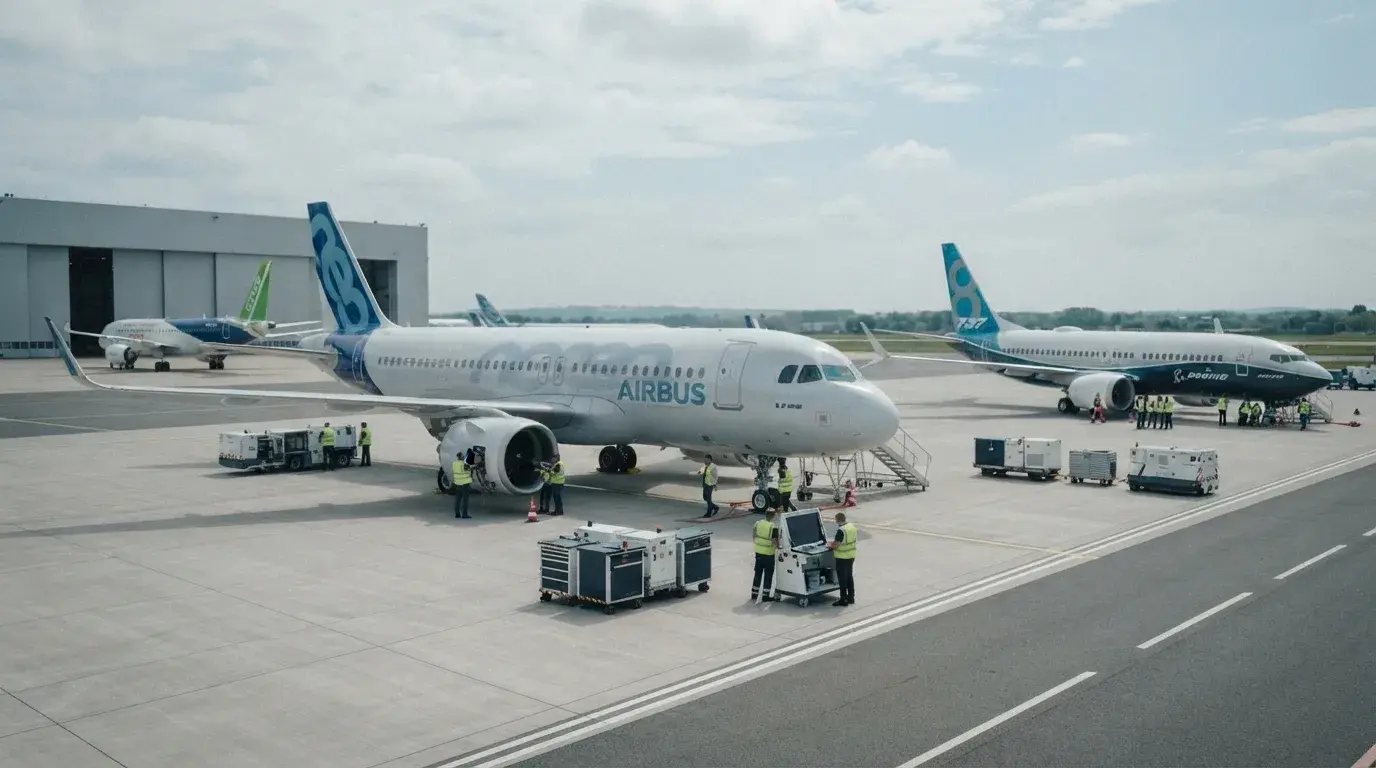
Airbus is at the heart of an industrial and regulatory battle that could redefine the future of European aeronautical production. Amidst heightened competition with Boeing and Comac, the French aircraft manufacturer has sounded the alarm: France’s environmental procedures governing its investments are undermining competitiveness and risk causing an industrial slowdown compared to American and Chinese rivals.
In a presentation to French lawmakers, Airbus outlined the administrative hurdles facing its industrial transformation projects, including the modernization of its Jean-Luc Lagardère plant in Toulouse and the construction of the new Saint-Éloi du Futur factory in Cornebarrieu. These critical infrastructures, essential for increasing A321neo production rates or manufacturing engine nacelles, are bogged down by excessive approval timelines. For instance, the Jean-Luc Lagardère plant transformation required 20 months of administrative steps for a site already 90% artificialized, with a 3,000-page technical dossier subjected to strict water and biodiversity regulations. The French state then took seven months to review the application—a bureaucratic marathon Airbus deems incompatible with today’s market demands.
For Airbus, the issue isn’t aircraft safety or quality but competitiveness against rivals backed by massive state support. Boeing and Comac benefit from structural state backing, including subsidies, tax exemptions, public orders, and regulatory flexibility absent in Europe. « The competitiveness of Airbus requires fair rules of the game with its competitors », the manufacturer emphasized in its briefing to lawmakers. Without adaptation, Airbus warns of a reallocation of future investments to more competitive regions, posing a concrete threat to jobs and innovation in France.
To address these challenges, Airbus has proposed several measures to expedite projects. The manufacturer suggests exempting industrial projects from review by France’s National Commission for Public Debate (CNDP), raising the threshold for triggering such reviews from €600 million to €1 billion. It also proposes replacing the current public consultation process for environmental permits with a one-month online consultation, aligning with minimal EU standards. Additionally, Airbus highlights the need for industrial confidentiality, arguing that current review processes expose sensitive data—such as production rates or schematics—weakening its position against rivals.
The case of the future Saint-Éloi du Futur plant in Cornebarrieu exemplifies these challenges. The €900 million project, set to produce engine nacelles on a 48-hectare agricultural plot, faces an estimated two-and-a-half-year administrative delay, pushing back construction—originally slated to begin in 2029—despite soaring demand for single-aisle aircraft. Airbus calls this timeline unsustainable in a market where every month counts.
Behind these demands lies an economic reality: Europe cannot afford to slow its industrial engine while competitors accelerate. Tensions with Boeing and Comac extend beyond technology to regulatory and geopolitical arenas. Airbus, banking on innovations like the A321XLR and A350 to maintain its leadership, requires an administrative framework that allows it to compete without being stifled by red tape. Otherwise, jobs, investments, and European industrial sovereignty could suffer lasting damage.
Global Aviation Sector Under Pressure from International Competition
The issue of France’s environmental procedures is part of a broader context of unfair competition among manufacturers. Boeing, despite its own challenges, benefits from massive U.S. state support, facilitating exports and public orders. Meanwhile, China’s Comac leverages state subsidies for aircraft like the C919 and a rapidly expanding domestic market. Against this backdrop, Airbus—though supported by European states—must navigate some of the world’s strictest administrative rules.
The recent case of five illegally transferred Boeing 777s to Iran via Madagascar highlights another facet of this industrial battle. U.S. sanctions and complex airworthiness rules complicate the transfer of used aircraft, yet they also reveal how some actors exploit regulatory loopholes. Airbus, meanwhile, must balance these constraints while maintaining productivity—a balance that grows increasingly precarious.
China, where Comac is building the C919 to rival the A320neo, has become an indispensable player. Airbus has opened a second A320 assembly line there, but competition remains fierce. Chinese investments in green hydrogen, robotics, and automation threaten to widen the technological gap. « There’s hardly a week when we don’t discuss competition in China », Lars Wagner, Airbus Commercial Aircraft’s CEO, stated at a Toulouse press conference. For the European manufacturer, streamlining procedures isn’t a luxury—it’s a necessity for survival.
Airbus Industrial Projects Hampered by Bureaucracy
Two Toulouse-based projects epitomize the tensions between Airbus and French authorities: the transformation of the Jean-Luc Lagardère plant and the construction of Saint-Éloi du Futur. The former, dedicated to A321neo assembly, aims to boost production rates to meet global demand. The latter, set to manufacture engine nacelles, is critical for securing the supply chain of the A330neo and A350.
For Airbus, these projects cannot wait. The single-aisle market is booming, with demand for over 35,000 aircraft by 2035. Yet current administrative delays—up to two years for industrial projects—risk ceding market share to the U.S. or China. « Twenty months for an industrial site already 90% artificialized and 100% owned by Airbus », the manufacturer protests, noting that these procedures apply to existing, fully controlled sites.
The Saint-Éloi du Futur plant, planned on agricultural land, serves as a case study. Airbus has already invested hundreds of millions in preparing the dossier, but public consultations and environmental assessments drag on for months—or even years. This contrasts sharply with similar projects in the U.S. or China, where permits are granted in weeks.
The manufacturer proposes rethinking stakeholder engagement. Rather than multiplying consultations, Airbus advocates for continuous dialogue with authorities and local actors to reduce delays without sacrificing transparency. The goal? Striking a balance between environmental protection and industrial competitiveness—a balance Europe still struggles to define.
Industrial Sovereignty at Stake for Europe
Behind the battle over environmental procedures lies a question of Europe’s industrial sovereignty. Airbus is more than an aircraft manufacturer; it’s a symbol of innovation and employment in France and across Europe. Its factories employ tens of thousands, and its planes serve hundreds of airlines worldwide. If Airbus loses market share to Boeing or Comac, it’s not just one company at risk—it’s an entire industrial ecosystem.
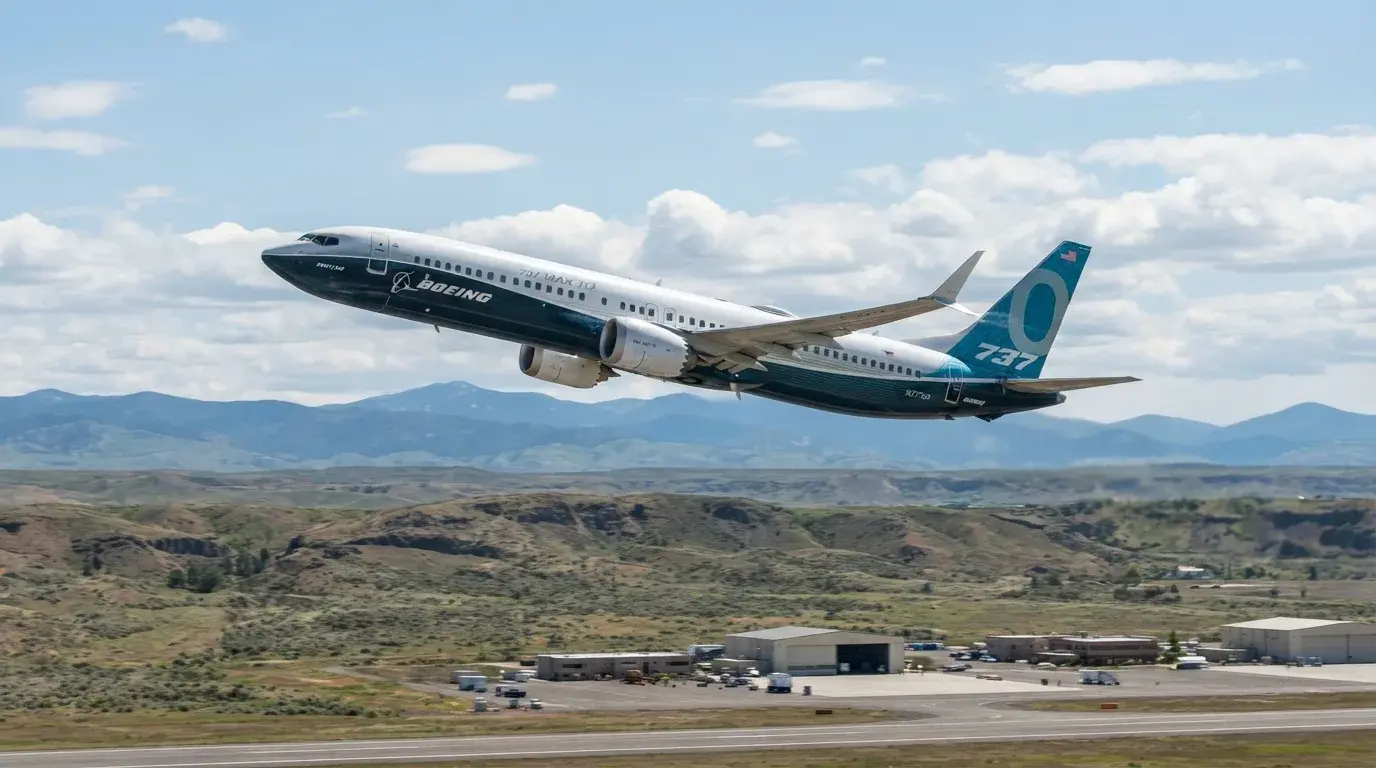
The European Commission has acknowledged the need to simplify procedures for strategic industries, but progress remains limited. Airbus, which had to reduce production rates during the pandemic, cannot afford another slowdown. Competition from China’s C919 and America’s 737 MAX and future 777X is fiercer than ever. Without an adapted regulatory framework, Europe risks falling behind in the race for aeronautical innovation.
For Airbus, the solution lies in compromise: maintaining strict environmental standards while applying them pragmatically, without adding delays. The manufacturer is banking on clean technologies for future aircraft, such as hydrogen or sustainable fuels, but it needs to produce them without being strangled by bureaucracy. Otherwise, the future of Europe’s aeronautical industry may well be decided elsewhere.
In an industry where every day counts, Airbus can no longer afford to wait. Streamlining environmental procedures isn’t an option—it’s an urgent necessity to stay in the race.
For the latest updates on aeronautical manufacturers and industrial challenges, follow Flywest regularly.
Be the first to comment on this article
On the same topic
- FLY91 signs historic deal for 40 ATR 72-600s: Is the turboprop the future of European short-haul?
- Flynas and Saudi Arabia Bet $10 Billion on 25 Airbus Jets to Dominate Skies: How This Gamble Reshapes Travel
- Airbus Unveils Revolutionary Wings for Jets: The Future of Long-Haul Flights Will Be Faster and Cheaper
- Frontier Airlines Revolutionizes Airbus Fleet with Starlink Wi-Fi by 2027: What It Means for Budget Travel
- AirAsia Group Transforms into a Global Low-Cost Giant: How the Malaysian Airline Challenges Aviation Titans
- France Launches World’s Largest SAF Plant in Dunkirk: How It Will Transform European Flights