Boeing 737 MAX 10 Certification Nears: A Milestone for Global Aviation
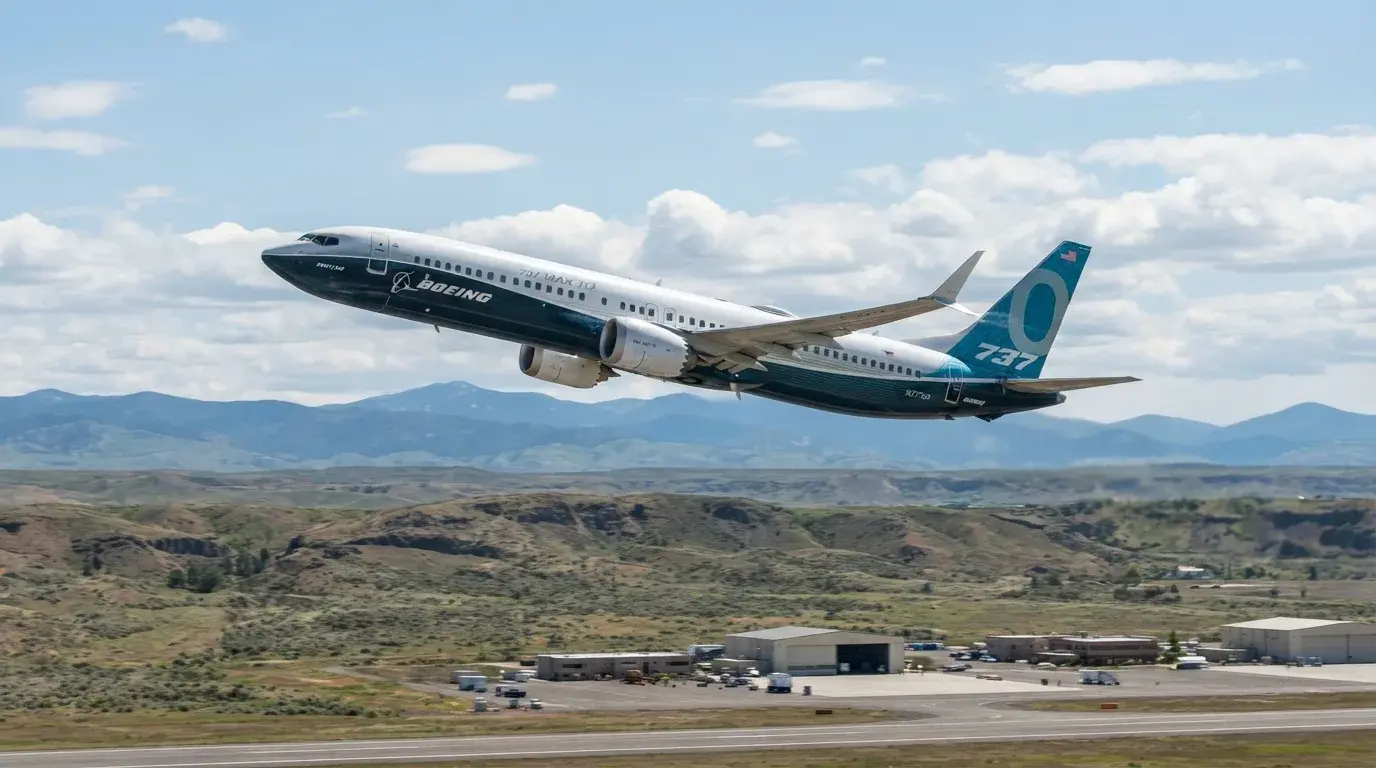
The largest variant of Boeing’s 737 MAX family, the 737 MAX 10, is set to receive certification from the Federal Aviation Administration (FAA) as early as next week. After years of delays and technical obstacles, this milestone represents a turning point for global aviation. With nearly 1,500 orders, the MAX 10 has become a strategic priority for airlines and the U.S. manufacturer, especially as competition from the Airbus A321neo intensifies.
The final stages of the certification process have been successfully completed. The FAA has finalized a safety review conducted by its Type Certification Board, marking a major advancement in the approval process. The U.S. regulator has also resolved the last technical hurdles, including a software issue identified in late September that was deemed not to pose a flight safety risk. This malfunction, related to an update of certain flight computer software, is no longer considered a prerequisite for MAX 10 certification.
Boeing has conducted an extensive testing program to prepare for this certification. In July, the manufacturer completed the final certification flight, following 976 flights and over 2,060 hours of testing. Teams then focused on compiling the technical documentation submitted to the FAA—a critical step before receiving the coveted approval. This meticulous work comes amid heightened scrutiny of U.S. aviation, particularly after the 2018 and 2019 accidents involving Boeing 737 MAX 8 aircraft and the January 2024 incident involving an Alaska Airlines 737 MAX 9.
For Boeing, the stakes are high. Securing this certification would allow the manufacturer to resume deliveries of the MAX 10, a key model in its financial recovery after years of industrial crises. It would also help close the commercial gap with the Airbus A321neo, which dominates the large single-aisle market. The MAX 10, capable of seating up to 230 passengers with a range of 5,740 kilometers, is designed to meet the needs of airlines on high-demand routes.
Major airlines have already secured their place in the order book. United Airlines, Alaska Airlines, Ryanair, Delta Air Lines, and American Airlines are among the largest customers. For these carriers, the MAX 10 is expected to support fleet growth or renewal, as demand for medium-haul flights remains robust.
If certification proceeds as planned, the first deliveries could begin as early as 2027. This would allow Boeing to start generating revenue from the program while providing airlines with an aircraft capable of directly competing with the A321neo. Once in service, the MAX 10 could play a pivotal role in the global fleet modernization strategy, as airlines seek to optimize costs while meeting growing travel demand.
A Relief for Boeing After Years of Uncertainty
The MAX 10 certification comes after years of delays and technical challenges, in a context where Boeing’s reputation has been severely tested. The 737 MAX program has faced numerous obstacles, particularly after the fatal accidents involving 737 MAX 8 aircraft in 2018 and 2019, which led to a global flight ban for nearly two years. The door plug blowout on an Alaska Airlines 737 MAX 9 in January 2024 further intensified scrutiny of Boeing’s production methods and quality control.
In 2023, an issue with the engine anti-icing system also delayed the certification of the 737 MAX 7 and MAX 10, prolonging the wait for airlines. The MAX 7 finally received approval in August 2026, but the longer and more complex MAX 10 had to await this decisive milestone. For Boeing, each day of delay translates into significant lost revenue, as airlines eagerly await delivery of their aircraft.
The certification of the MAX 10 marks a psychological turning point for Boeing—and for the global aerospace industry. It arrives at a time when demand for single-aisle aircraft remains strong, particularly in Europe and North America, where both low-cost and legacy carriers are looking to modernize their fleets. For the U.S. manufacturer, this approval represents a step toward restoring its credibility after years of turbulence.
A Logistical Challenge for Airlines
While certification is welcome news for Boeing, it also presents a logistical challenge for airlines. Nearly 1,500 MAX 10s have already been ordered, representing about 30% of the remaining 737 MAX order book. Several aircraft have already been built and are awaiting delivery, but their entry into service now hinges on final certification.
Airlines will need to prepare for the integration of these new aircraft into their fleets. This includes crew training, airport infrastructure adaptations, and operational process adjustments. For low-cost carriers like Ryanair, which has ordered dozens of MAX 10s, this certification is a key milestone in executing their growth strategy.
The first deliveries could begin as early as 2027, though it may take several years before the MAX 10 is fully integrated into airline networks. Boeing will also need to contend with competition from the A321neo, which continues to dominate the large single-aisle market due to its reliability and operational efficiency.
An Impact on Global Connectivity
Once in service, the MAX 10 is expected to play a key role in enhancing global connectivity, particularly on high-demand routes. With increased capacity and range suited for medium-haul flights, the aircraft will enable airlines to add frequencies or open new routes without deploying additional aircraft. This could improve access to underserved destinations, especially in developing regions where air travel demand is growing rapidly.
For passengers, the arrival of the MAX 10 could translate into better ticket availability and more competitive fares, thanks to reduced operational costs for carriers. Airlines will be able to optimize their cost per seat while offering a travel experience comparable to other 737 MAX family aircraft. The modernization of global fleets is also good news for flight punctuality and reduced CO₂ emissions, thanks to the technological improvements integrated into these aircraft.
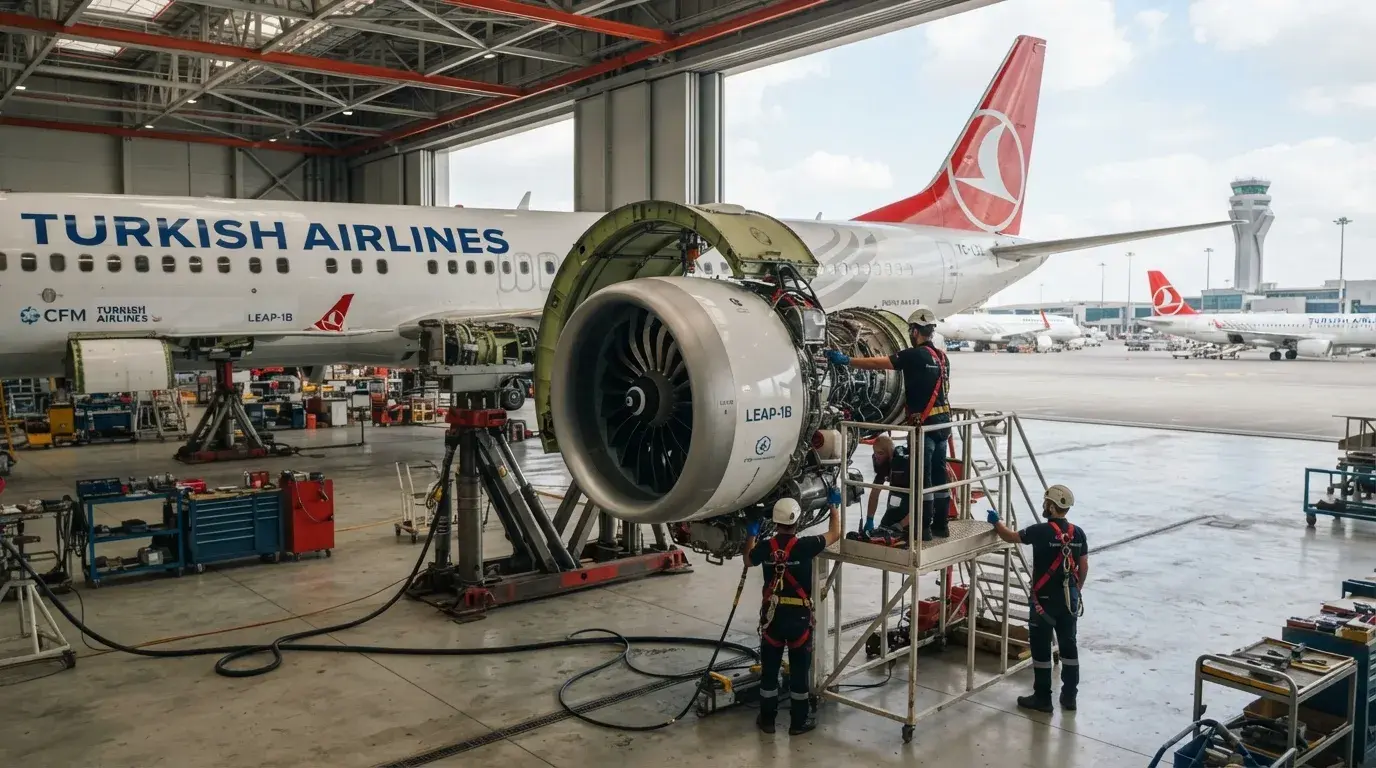
Finally, this certification arrives at a time when the aviation sector faces major challenges, including rising fuel costs and the need to reduce its environmental footprint. The MAX 10, with its more fuel-efficient LEAP-1B engines, could help alleviate these pressures while offering increased capacity to meet growing travel demand.
A Step Toward the Future of Aviation
The certification of the Boeing 737 MAX 10 marks a turning point for global aviation. After years of delays and technical hurdles, the aircraft is finally on the verge of joining airline fleets. For Boeing, this approval represents a major milestone in its industrial recovery, as the manufacturer faces intensified competition and high expectations from carriers.
For airlines, the MAX 10 offers a solution tailored to today’s sector challenges, including the need to modernize fleets while controlling costs. For passengers, this could mean better flight accessibility and more competitive fares. Finally, for the aerospace industry as a whole, this certification underscores the importance of innovation and technical rigor in meeting the needs of an ever-evolving market.
As the FAA prepares to grant its approval, the global aviation community holds its breath. The arrival of the MAX 10 on the market could reshape competitive dynamics and open new opportunities for years to come.
The certification of the Boeing 737 MAX 10 is not just a victory for Boeing—it’s good news for the entire aerospace industry.
Be the first to comment on this article
On the same topic
- Airbus A350-2000 and A220-500: End of Twin-Aisle Monopoly?
- Airbus Unveils Revolutionary Wings for Jets: The Future of Long-Haul Flights Will Be Faster and Cheaper
- Embraer E195-E2 Surpasses 500 Orders: Why This Regional Jet Captivates Airlines Worldwide
- Air India plans to acquire 200 single-aisle aircraft, with a choice between Airbus and Boeing