Rolls-Royce reignites engine wars with $2.5 billion program to dominate single-aisle market by 2030
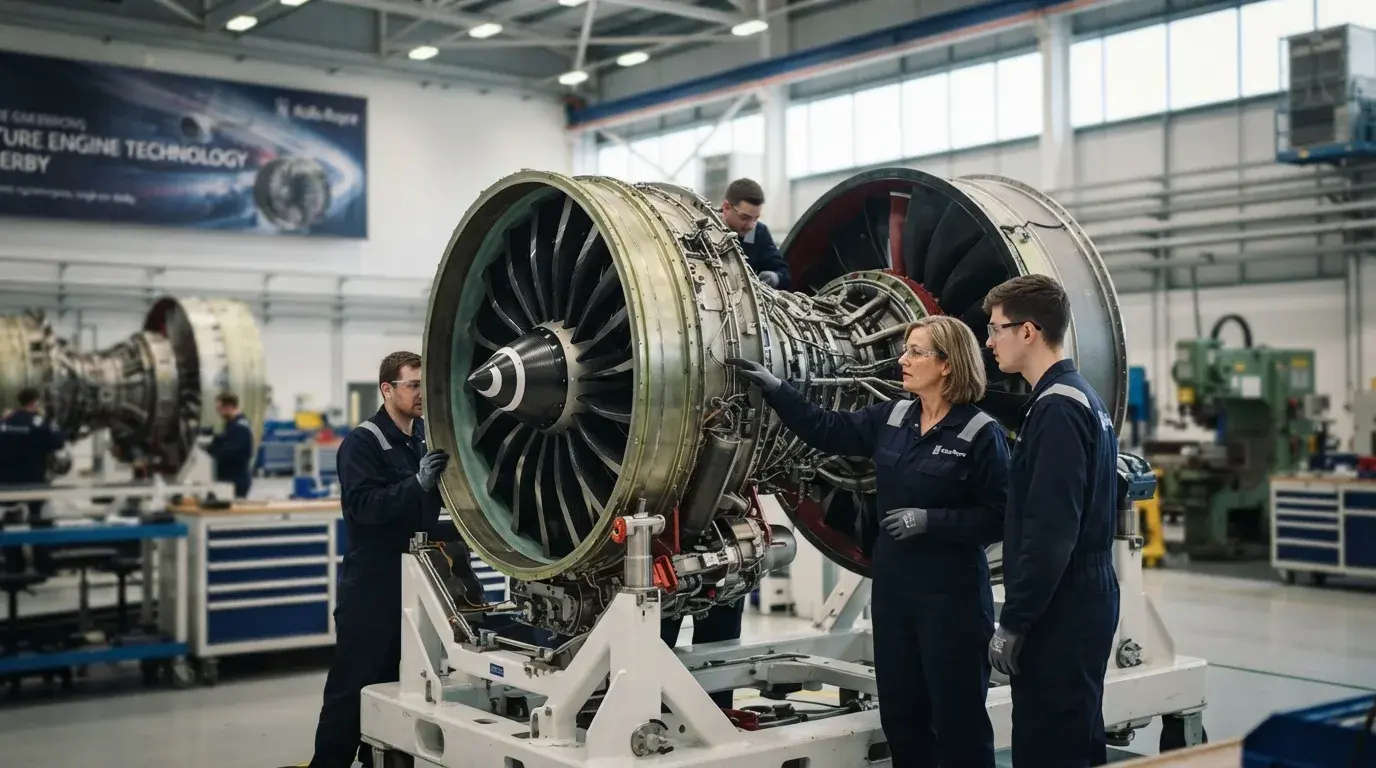
The British engine giant Rolls-Royce has made a major move in the aerospace industry. In partnership with the UK government, the manufacturer has announced an ambitious £2.5 billion, ten-year research and development program to design a new generation of engines for single-aisle aircraft—the backbone of short- and medium-haul air travel. The stated goal: to re-enter a market the group left in 2012 while positioning the UK as a key player in global aerospace propulsion.
Yet this is not yet the launch of a production engine, but rather the maturation of technologies designed to attract aircraft manufacturers. Rolls-Royce is banking on the UltraFan 30, a geared turbofan demonstrator with a shrouded fan, with ground tests scheduled for 2028. The project is part of a major industrial and geopolitical strategy for London, which sees this initiative as a lever for economic growth and high-skilled employment.
To frequent travelers, this announcement may seem distant. Yet its impact on the future of air transport will be tangible. The next generation of single-aisle aircraft, expected in the mid-to-late 2030s, could feature engines up to 20% more fuel-efficient than current powerplants while remaining fully compatible with sustainable aviation fuels (SAF). A game-changer at a time when airlines are under pressure to cut carbon emissions.
The timeline is tight. Aircraft manufacturers are expected to select engine partners in the coming years, with aircraft potentially entering service by 2035. Rolls-Royce aims to position itself early to influence the design of future planes rather than offering an engine after the fact—a strategy reminiscent of CFM International, the GE Aerospace-Safran joint venture, which is developing its own RISE demonstrator with similar fuel-efficiency goals.
Why single-aisle aircraft are at the heart of the engine battle
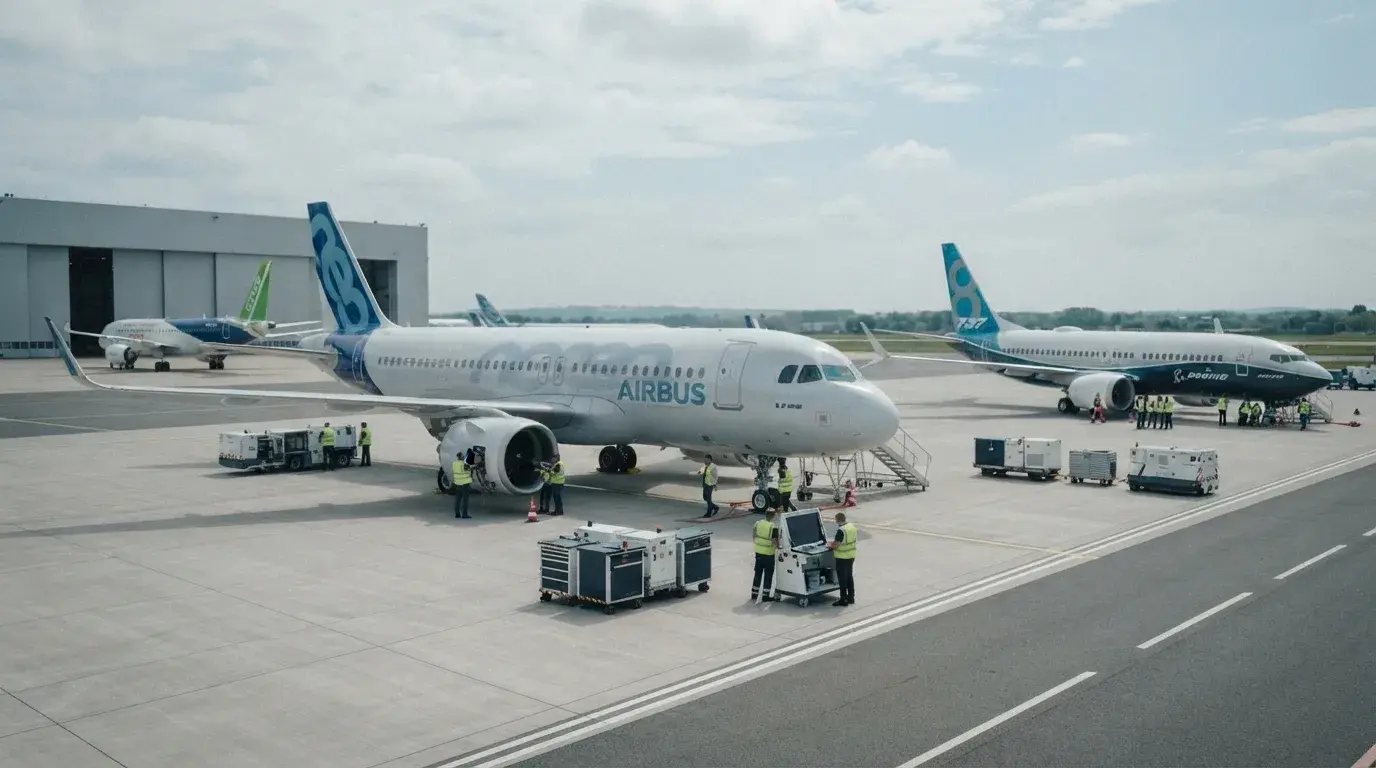
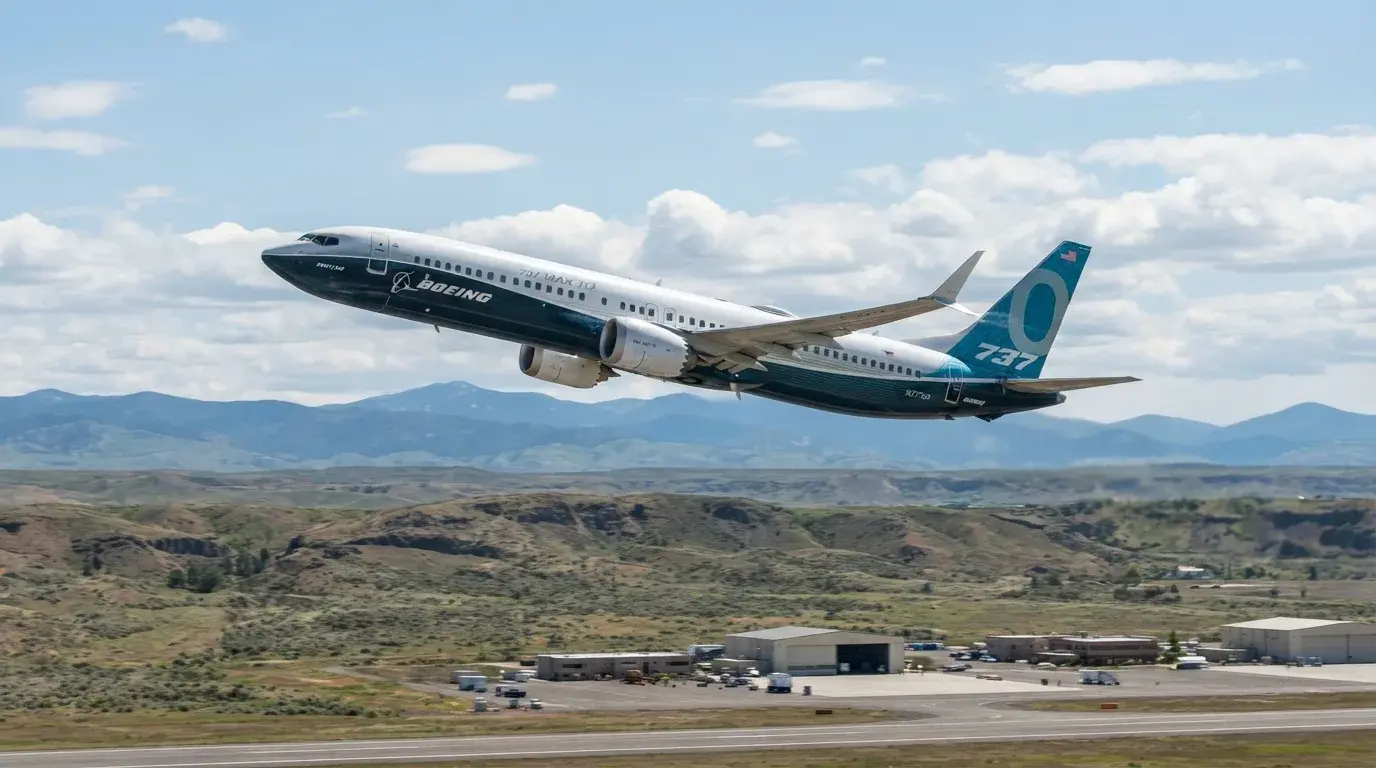
Single-aisle jets like the Airbus A320neo and Boeing 737 MAX dominate global air traffic, accounting for nearly 70% of commercial aircraft orders—a figure that explains why engine makers are so focused on this segment. Rolls-Royce, which exited the International Aero Engines (IAE) consortium in 2012, is now seeking to return with force. Its comeback in the single-aisle market would likely involve a partnership solution, though no aircraft manufacturer partner has yet been identified.
The UK government sees a dual opportunity here. Economically, the project is expected to support 3,300 existing jobs at Rolls-Royce and its partners by 2029, with the potential to create tens of thousands more if the manufacturer secures contracts for future single-aisle aircraft. Strategically, London aims to preserve an industrial base capable of competing with the US and China, where Boeing and Comac are developing their own solutions.
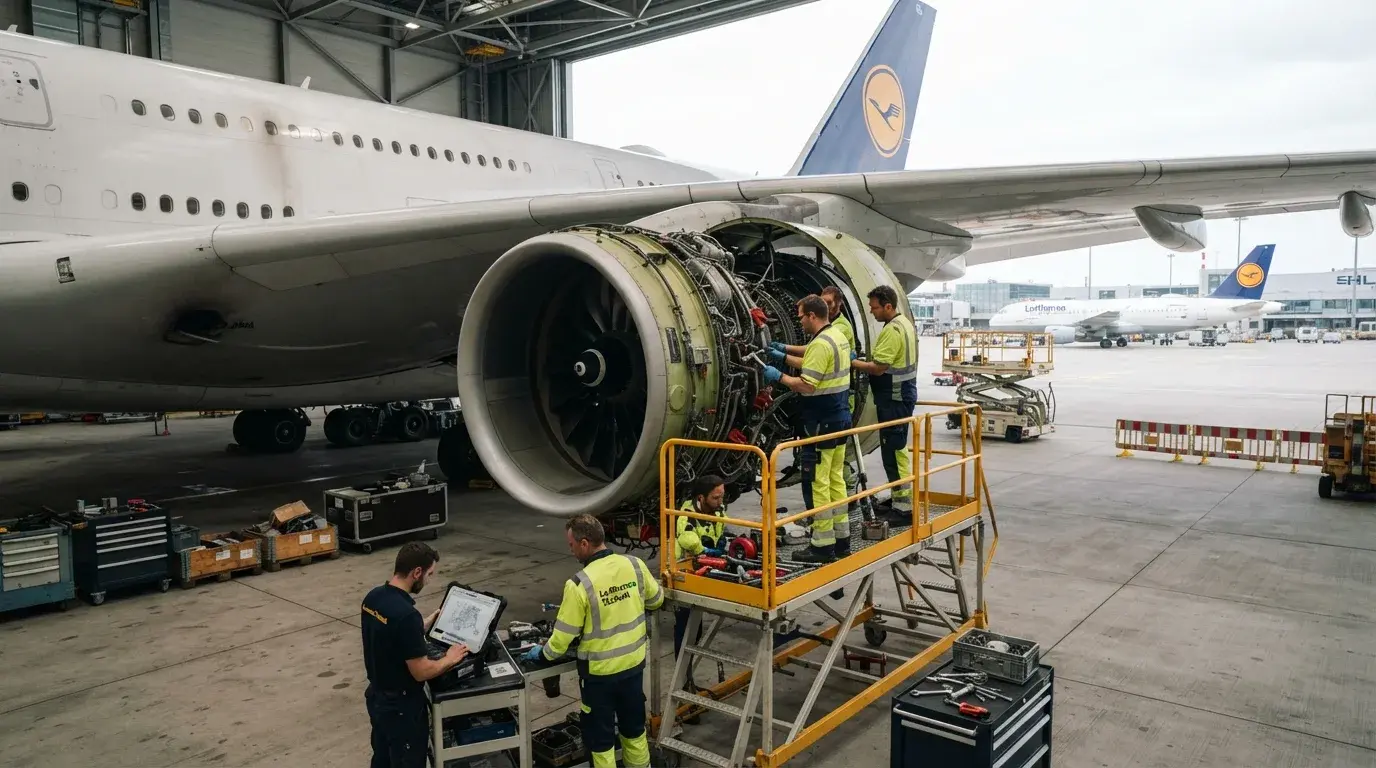
For Rolls-Royce, the UltraFan 30 is just the first step. The current demonstrator, with a fan diameter of nearly 2.3 meters, leverages proven technologies: carbon composite blades, a 20-megawatt gearbox, and a high bypass ratio for improved efficiency. Ultimately, the group aims for a 20% reduction in fuel consumption compared to current engines—a performance that could reshape the economics of airlines.
An industrial and ecological bet
Rolls-Royce’s announcement comes as the aerospace industry faces intense pressure to cut CO₂ emissions. Sustainable aviation fuels (SAF) are a key pathway, but large-scale adoption remains limited by cost and availability. The UltraFan 30 promises full SAF compatibility—a feature that could appeal to airlines committed to the ecological transition.
For the UK, this program also aligns with a push for industrial sovereignty. Guillaume Faury, Airbus CEO, has already highlighted the importance of engine supply for ramping up single-aisle production. With this project, Rolls-Royce aims to secure a foothold in this fast-growing market while reducing dependence on US and Chinese engine makers.
Yet challenges abound. While the research program boasts a colossal budget, it does not equate to firm commitments from aircraft manufacturers. Rolls-Royce must convince Airbus or Boeing of the value of its technologies, especially as CFM International and Pratt & Whitney are already well-positioned in the segment. The single-aisle engine battle is shaping up to be one of the major technological showdowns of the 2030s.
Jobs and growth: the expected UK dividends
Beyond technical performance, the UltraFan 30 project is ultimately a bet on jobs and growth. The UK government estimates the initiative could generate £120 billion for the national economy over the program’s lifetime. For Rolls-Royce, the stakes are high: regaining a central role in the global aerospace industry after ceding significant market share in the past.
The first concrete benefits are expected in the coming years, with finalized agreements and the launch of ground tests. If the demonstrator delivers on its promises, Rolls-Royce could reignite the engine wars, with direct consequences for airlines and passengers alike. One thing is certain: tomorrow’s aviation will hinge on engine performance and efficiency—and the UK intends to be a major player.
For the latest on aerospace innovations and new air routes, visit Flywest regularly.
Technological challenges and competing alternatives
While Rolls-Royce is betting on a geared turbofan architecture for the UltraFan 30, its main rival CFM International is pursuing a different path with its RISE program. This demonstrator, based on an open-fan design (non-shrouded), also promises over 20% fuel savings but with a radically different approach. Airbus has already announced a partnership with CFM to flight-test this technology.
Both approaches have their pros and cons. Rolls-Royce’s shrouded-fan solution offers better aerodynamic integration and noise reduction, while CFM’s open-fan concept could deliver superior energy efficiency—though it faces certification and safety hurdles. Aircraft manufacturers will need to weigh these factors before making their choice.
Regardless, the competition is set to be fierce. Engine makers know the single-aisle market will be one of the most hotly contested of the coming decade. For travelers, this could translate into more economical, quieter, and less polluting aircraft.
For now, Rolls-Royce and the UK government have laid the groundwork for a technological race that could redefine the aerospace industry. One thing is clear: the future of aircraft engines is being decided today, and the stakes extend far beyond mere technical performance.
Be the first to comment on this article
On the same topic
- Boeing 737 MAX 10 Certification Nears: A Milestone for Global Aviation
- Airbus A350-2000 and A220-500: End of Twin-Aisle Monopoly?
- Airbus Unveils Revolutionary Wings for Jets: The Future of Long-Haul Flights Will Be Faster and Cheaper
- Embraer E195-E2 Surpasses 500 Orders: Why This Regional Jet Captivates Airlines Worldwide
- Air India plans to acquire 200 single-aisle aircraft, with a choice between Airbus and Boeing