A380: FAA Mandates Urgent Engine Part Replacements After Uncontained Engine Failure
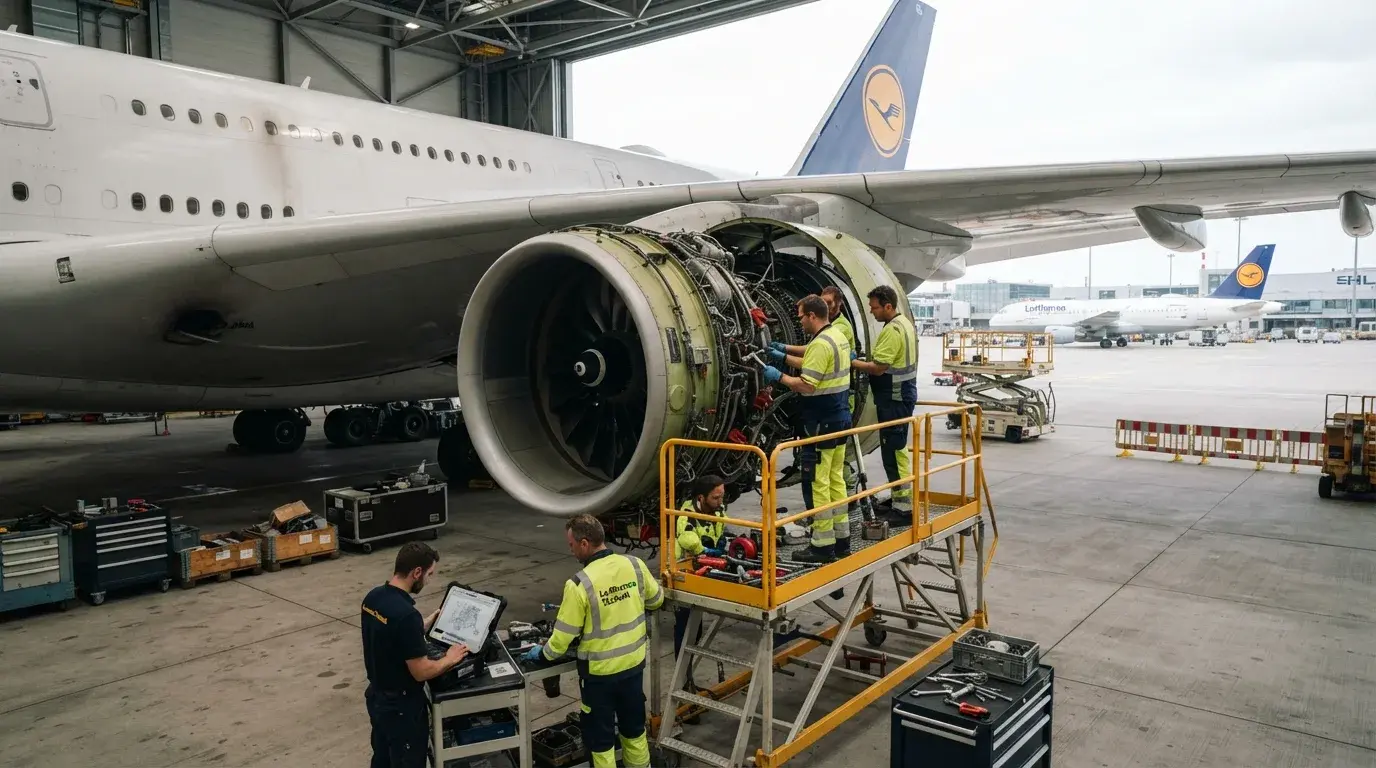
A non-contained engine failure on an Airbus A380 equipped with Engine Alliance GP7270 engines has prompted the U.S. Federal Aviation Administration (FAA) to mandate the urgent replacement of 15 high-pressure turbine interstage seals. The directive, effective October 23, 2026, aims to prevent engine fires or aircraft damage, as outlined in Airworthiness Directive AD 2026-20-12. The incident, which occurred during a rejected takeoff, revealed a critical failure in a seal that had accumulated numerous cycles since its last overhaul. Airlines including Emirates, Etihad Airways, Korean Air, and Qatar Airways must now adhere to a strict timeline for removing and replacing the identified parts.
A non-contained failure means turbine fragments could escape and strike other aircraft components—a scenario the FAA describes as “hazardous.” In the reported case, the failure of an interstage seal led to engine shutdown and takeoff abort. While the directive does not specify the airline or exact date of the incident, it emphasizes that such failures can have severe consequences if left unaddressed. The affected seals, referenced as part numbers 2047M99P02 and identified in Service Bulletin EAGP7-A72-479, must be replaced with eligible parts within 30 to 90 days from October 23, depending on priority level.
An investigation by engine manufacturer Engine Alliance, a joint venture between GE and Pratt & Whitney, identified cracking at the positioning devices between the interstage seal and the rear shaft of the first-stage high-pressure turbine disk. This phenomenon, known as “clocking” in English, is more pronounced in seals reinstalled during major overhauls. The FAA has prioritized the 15 seals with the highest cycle counts since their last overhaul. For airlines, this technical constraint adds to an already strained environment marked by rising fuel costs and heightened safety demands.
Strict Deadlines to Mitigate Risk
The FAA’s imposed deadlines vary by seal serial numbers. For parts listed in Table 1, replacement must occur within 50 flight cycles or 30 days, whichever comes first. For Table 2 parts, the deadline is 100 cycles or 60 days, and for Table 3, 150 cycles or 90 days. These measures ensure the most worn parts are removed first, reducing in-flight failure risks. The FAA notes that “no engines installed on U.S.-registered aircraft” are affected by this directive, limiting immediate impact on the domestic U.S. market.
The estimated cost per engine, as calculated by the FAA, is $528,150, including $527,300 for parts and $850 for labor. This figure, based on 10 hours at $85 per hour, does not reflect the total cost for airlines but provides a benchmark for additional expenses. For carriers like Emirates or Qatar Airways, which operate multiple A380s, this operation represents a significant investment, especially as delays in new long-haul aircraft force them to extend the use of their superjumbos.
The FAA’s directive is a temporary measure. The authority indicates it may impose further regulatory actions once the engine manufacturer identifies a definitive corrective solution. In the meantime, airlines must comply with the deadlines to avoid operational risks. This decision aligns with broader heightened scrutiny of Engine Alliance engines following similar incidents across the A380 fleet.
Limited Impact but Heightened Vigilance
While the directive affects a limited number of parts, it underscores the critical role of preventive maintenance in long-haul operations. Airbus A380s powered by GP7270, GP7272, and GP7277 engines are specifically targeted, though the exact number of affected aircraft has not been disclosed. Airlines must identify the relevant aircraft in their fleets and prioritize replacements based on FAA guidelines.
For passengers, this incident highlights the technical complexity of aviation operations and the importance of stringent safety protocols. Airlines, meanwhile, must balance this operational constraint with maintaining service continuity. The FAA continues to pressure engine manufacturers and carriers to uphold the highest safety standards. This directive arrives as the aviation industry faces major challenges, including the transition to more modern, fuel-efficient fleets.
In summary, the FAA’s airworthiness directive exemplifies the rigorous oversight applied to flight safety. For airlines, the challenge is twofold: meeting deadlines while minimizing operational disruption. A complex task in an environment where margins are shrinking and regulatory and passenger pressures remain intense.
What to Do If You’re Traveling on an Affected A380
If you’re booked on an Airbus A380 powered by Engine Alliance engines, check with your airline to confirm whether your flight may be impacted by this directive. Carriers like Emirates or Qatar Airways are expected to notify passengers of potential aircraft swaps or delays. For frequent A380 travelers, this could result in schedule changes or substitutions with other aircraft types.
It’s also advisable to monitor updates on the FAA website. Airlines are likely to share information via their official channels or customer service. If in doubt, contact your carrier directly for clarification on the measures taken to ensure your flight’s safety.
This situation serves as a reminder that, despite technological advancements, aviation remains a demanding sector where safety always comes first. Airlines, engine manufacturers, and regulators work tirelessly to ensure safe and reliable travel, even amid complex technical challenges.
Be the first to comment on this article
On the same topic
- US: $481 Million to Modernize Airports – The Projects That Will Transform Your Travel
- Israir Launches Flights to New York: How to Book Tickets for the Big Apple from October 2026
- Supersonic 2030: How the U.S. Will Launch Your Travel at Mach 1.3
- Boeing Finally Produces 47 Aircraft per Month: FAA Gives Green Light After Years of Crisis
- Chicago O’Hare: FAA Caps Daily Flights at 2,708 to Curb Delays in 2026