US: $481 Million to Modernize Airports – The Projects That Will Transform Your Travel
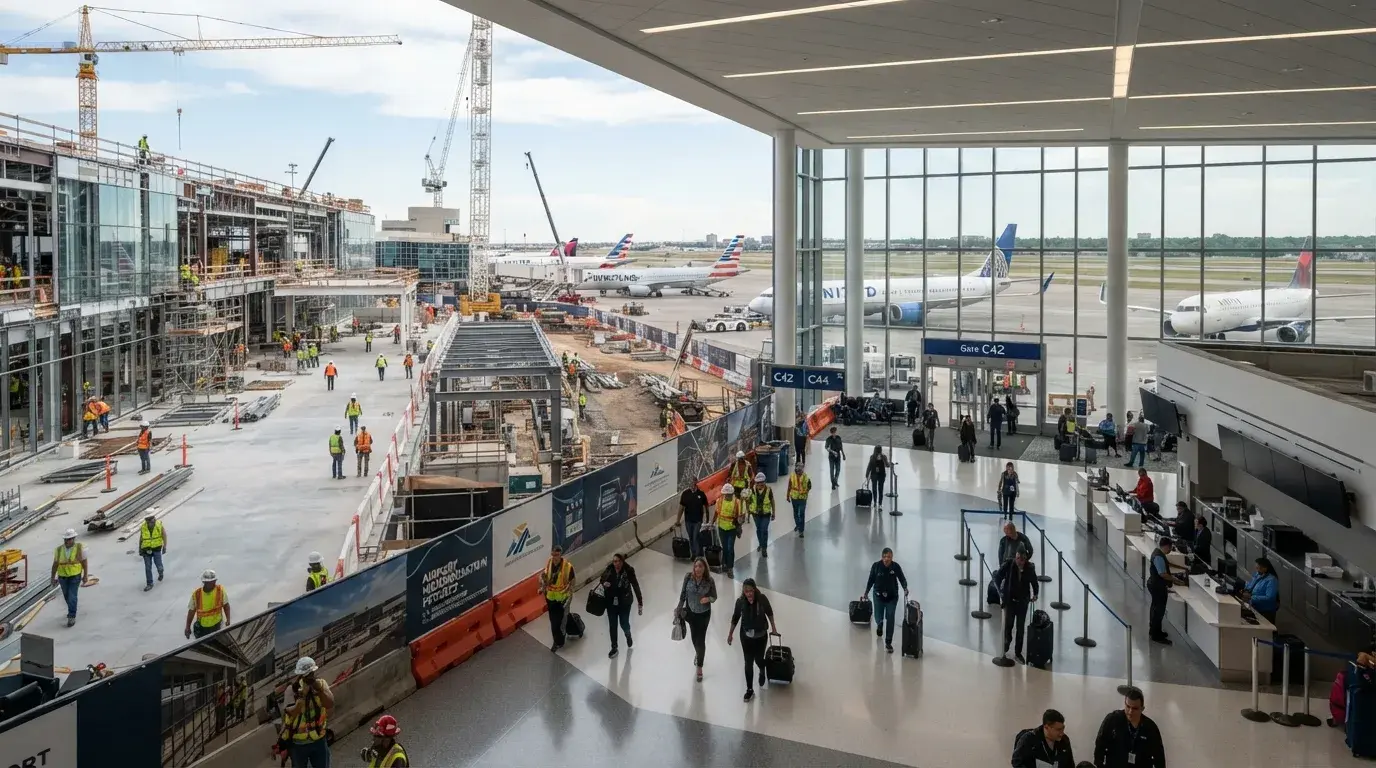
American travelers can look forward to smoother, safer airports in the years ahead. The Federal Aviation Administration (FAA) announced on September 13, 2026, a historic investment of $481 million to modernize U.S. airport infrastructure. This funding, distributed across 191 airports in 36 states and two territories, represents one of the largest federal grant waves since the launch of the Airport Infrastructure Grants program in 2022.
Among the flagship projects funded, the most significant allocation goes to Hartsfield-Jackson Atlanta International Airport, the busiest in the United States. The FAA awarded it a $100 million grant, primarily earmarked for runway reconstruction, taxiway upgrades, and terminal components. These improvements will enhance runway-end safety—a critical priority for one of the world’s busiest hubs. Other major hubs, such as Louisville International Airport ($32.5 million) and San Diego International Airport ($30.3 million), will also receive substantial funding for similar projects.
The allocated funds cover a wide range of infrastructure needs: terminals, runways, taxiways, aprons, security enhancements, and operational capacity. “We are investing in essential infrastructure that will deliver smoother, more efficient travel experiences for American families for years to come,” said Sean P. Duffy, U.S. Secretary of Transportation. These projects align with the 2021 Infrastructure Law, signed under President Joe Biden, which allocated $14.5 billion for airport infrastructure over five years.
A Program Addressing Growing Demand
The U.S. faces a steady rise in air travel demand, with airports often constrained by aging infrastructure. Between 2024 and 2025, U.S. air traffic grew by 5.3%, a trend expected to continue. The FAA’s grants aim to anticipate this growth by modernizing facilities, strengthening safety zones, and improving operational efficiency.
Projects also include upgrades to baggage handling systems, road access, and security equipment. “These funds will help maintain traveler safety and efficient airport operations,” emphasized Bryan Bedford, FAA Administrator. Several small general aviation airports will receive grants for terminal upgrades, runway and taxiway work, and dedicated snow removal equipment buildings.
This initiative arrives as U.S. airports tackle multiple challenges: modernizing outdated infrastructure, accommodating rising demand, and meeting increasingly stringent security requirements. The FAA-funded projects are expected to reduce delays, improve punctuality, and enhance the passenger experience.
Airports Receiving the Largest Grants
The Airport Infrastructure Grants program extends beyond major hubs. Several regional airports, often overlooked in infrastructure discussions, will receive significant funding. For example, Milwaukee Mitchell International Airport (Wisconsin) will receive $14.2 million for taxiway construction and rehabilitation, while El Paso International Airport (Texas) gets $8.7 million for apron rehabilitation.
These investments reflect a commitment to reducing disparities between large hubs and smaller airports. “From regional airports to the busiest hubs in the U.S., we are investing in essential infrastructure,” Sean P. Duffy noted. The funds will also support airport planning projects, critical for preparing future traffic growth.
Among the most ambitious projects are terminal reconstructions, such as at Louisville, where $32.5 million will modernize infrastructure. In San Diego, $30.3 million will fund a new terminal, while improvements in Milwaukee and El Paso will optimize passenger and cargo flows.
Direct Impact on Traveler Experience
American travelers should quickly notice the effects of these investments. Runway and taxiway upgrades will reduce weather-related delays and maintenance disruptions. Terminal improvements will offer more modern, functional spaces with comfortable waiting areas and efficient baggage handling systems.
Beneficiary airports can also modernize security systems—a critical focus since the September 11, 2001, attacks. The grants will strengthen runway-end safety zones, improve road access, and upgrade air safety equipment. These enhancements are expected to create smoother, safer travel experiences for passengers.
“These infrastructures are essential to meet current needs and prepare for future traffic growth,” said Bryan Bedford. The FAA-funded projects will span several years, with visible impacts for frequent travelers in the coming months.
With $481 million invested across 191 airports, this initiative marks a major milestone in modernizing U.S. airport infrastructure. For travelers, the goal is clear: more modern, safer, and efficient airports capable of handling rising air travel demand.
Be the first to comment on this article
On the same topic
- Israir Launches Flights to New York: How to Book Tickets for the Big Apple from October 2026
- Supersonic 2030: How the U.S. Will Launch Your Travel at Mach 1.3
- Boeing Finally Produces 47 Aircraft per Month: FAA Gives Green Light After Years of Crisis
- Chicago O’Hare: FAA Caps Daily Flights at 2,708 to Curb Delays in 2026