Birmingham bets £2 billion on becoming UK’s air gateway without new runway
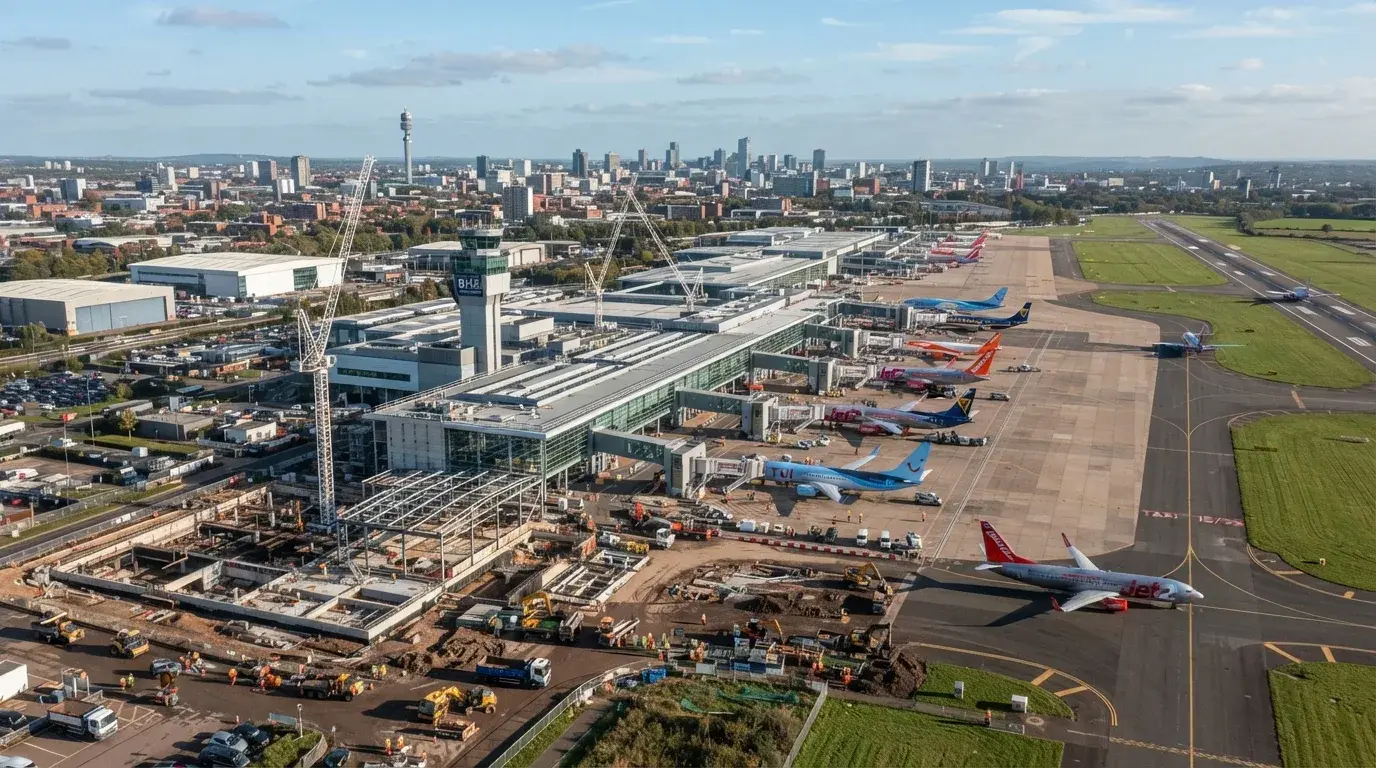
Birmingham Airport is aiming to double its passenger traffic by 2041, increasing from 13 million to nearly 30 million passengers annually. The airport’s masterplan, unveiled in early October 2026, is backed by a historic investment exceeding £2 billion sterling, entirely dedicated to expanding terminals, increasing aircraft stands, and improving ground access. Unlike its competitors, the British hub is banking on growth without a new runway—a bold strategy that could reshape Europe’s travel map.
The project, open for public consultation until 22 December 2026, aims to transform Birmingham into a true regional hub. With a 60% increase in terminal capacity and aircraft stands rising from 42 to 70-75, the airport seeks to accommodate its ambitions. The challenge is not just to accommodate more aircraft, but to process more passengers under optimal conditions, from check-in to baggage retrieval. A first phase of works, potentially launched as early as 2027, will focus on baggage handling facilities and ground access—two weak links frequently criticised by travellers.
Nick Barton, Chief Executive of the airport, underscores the unprecedented scale of the investment: « This £2 billion project is unprecedented in Birmingham and will allow us to approach 30 million passengers. » The projected economic benefits are substantial: £3.6 billion in gross added value for the West Midlands and the creation of over 50,000 jobs, including 3,800 on the airport site. These figures, calculated using 2025 data, reflect the estimated impact of enhanced connectivity on the local economy, particularly through trade and tourism.
Yet, the timeline remains uncertain. The airport must still secure the necessary approvals for each segment of the project, while funding will depend on the stability of fiscal and regulatory frameworks. Barton warns: « If the fiscal and regulatory frameworks do not become more favourable and stable for major infrastructure investments, these projects may not materialise. » Rising personnel, energy, and local tax costs threaten the plan’s viability, despite strong support from regional and national authorities.
A growth strategy without a new runway: a risky gamble or strategic necessity?
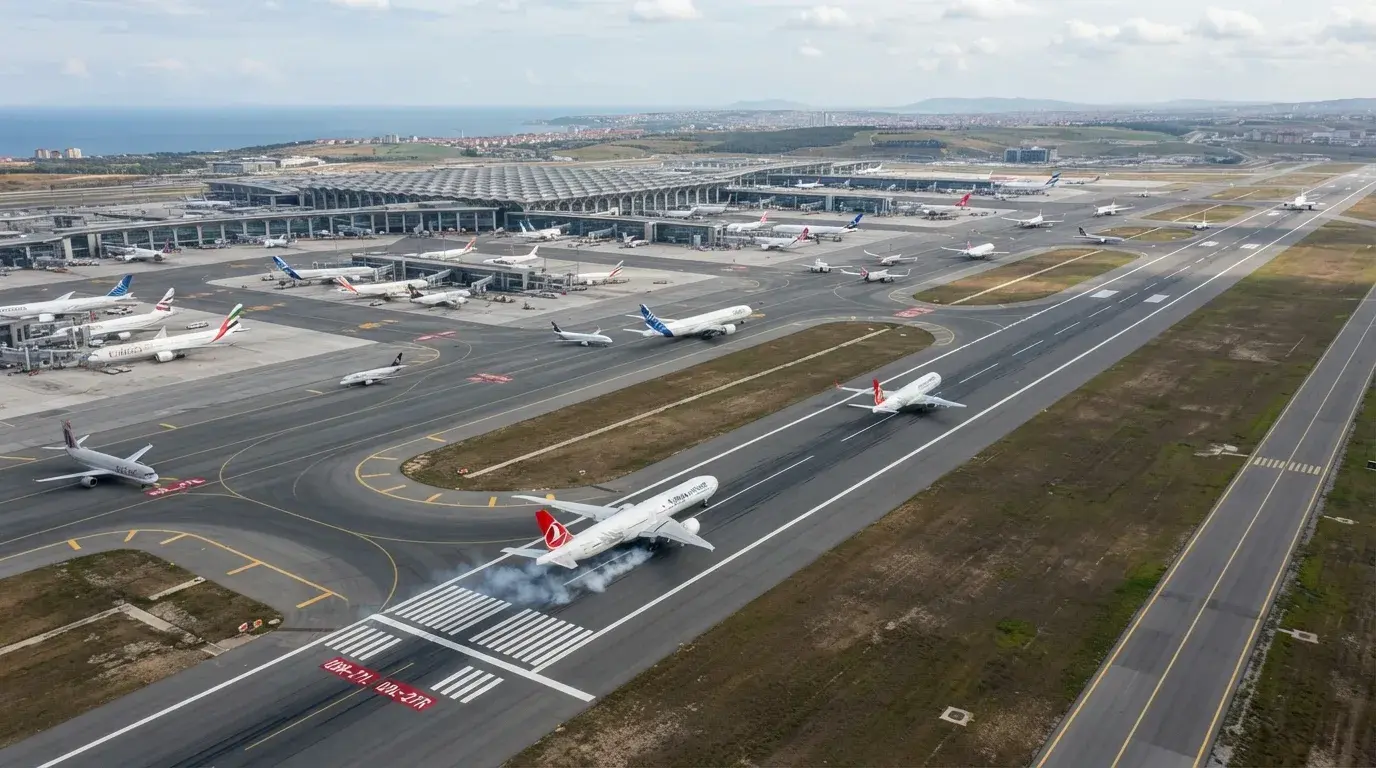
The decision not to build a second runway lies at the heart of Birmingham’s strategy. While London-Heathrow and Manchester consider major expansions, the Midlands hub is focusing on optimising its existing infrastructure. This approach relies on several levers: increasing terminal capacity, modernising equipment, and reducing ground bottlenecks. The goal is to transform Birmingham into a more efficient airport, rather than just a « big » one.
Planned works include adding new aircraft stands capable of accommodating larger aircraft and improving ground access to streamline passenger movement. The airport also pledges a more sustainable approach to operations, with measures to limit environmental impact, particularly in noise and emissions. An eight-week public consultation is scheduled to gather input from residents and stakeholders, with around twenty meetings starting on 16 October 2026.
The expected benefits extend beyond the purely economic. Birmingham is banking on a ripple effect for the West Midlands, a region that could benefit from better connectivity with major European and international hubs. The airport aims to attract new airlines and develop long-haul routes, which are currently limited. According to projections, the gross added value generated by the project could reach £3.6 billion, a figure that includes indirect benefits for tourism, logistics, and services.
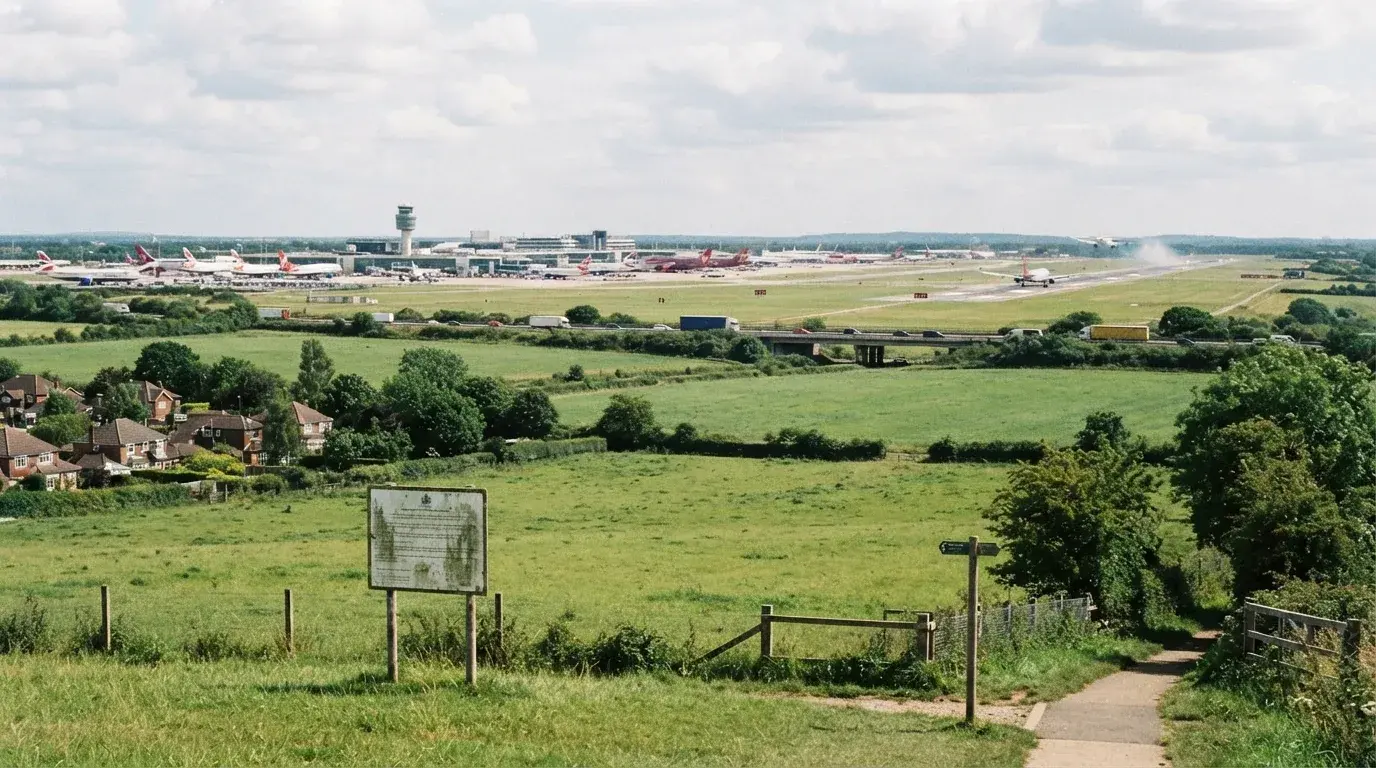
However, this gamble is far from a sure thing. Residents are already voicing concerns over noise pollution, particularly at night, and additional emissions linked to increased traffic. The airport insists it will develop its operations in a « responsible and sustainable » manner, but pressure from local associations could slow the process. A report published in 2027 will detail how public contributions have shaped the final plan and funding commitments.
An operational challenge: modernising without disrupting traffic
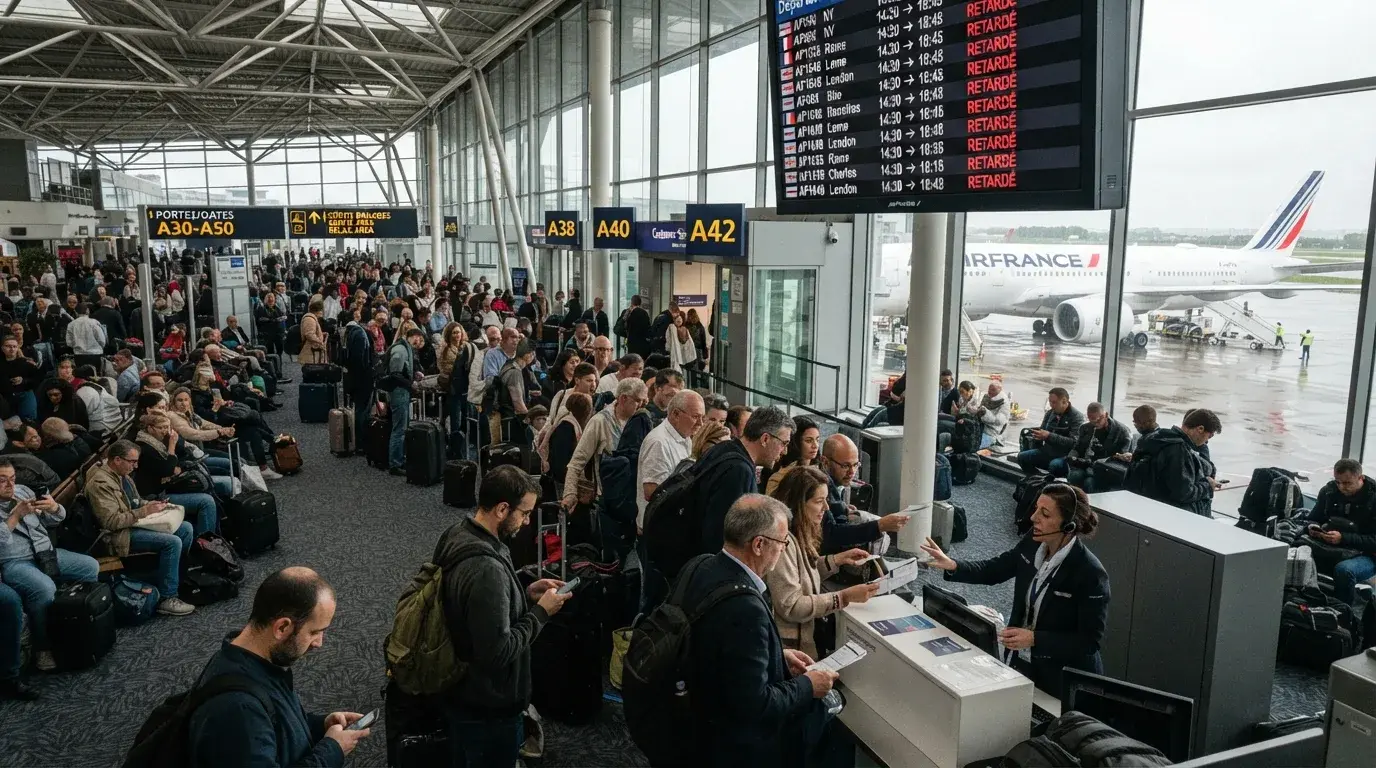
One of the project’s main challenges lies in its implementation without disrupting existing traffic. Birmingham Airport, which welcomed over 13 million passengers in 2025, must balance expansion works with daily operations. The initial phases, planned for 2027, will focus on baggage handling facilities and terminal equipment. While these projects could lead to temporary disruptions, the airport promises to minimise impacts on travellers.
A baggage system malfunction in August 2026 already disrupted the journeys of hundreds of passengers, with some departing without their luggage. This failure highlighted the need for modern, reliable infrastructure. The modernisation projects also aim to improve service quality—a growing factor in travellers’ airport choices.
To achieve this, Birmingham is relying on a mixed funding model, combining private and public investments. The group estimates that £3.3 billion in private investments will be needed to realise the entire project. However, airlines and ground service providers have already raised concerns about airport fees, fearing a cost increase that could drive up ticket prices. IAG, the parent company of British Airways and Virgin Atlantic, has warned it will not sign « a blank cheque » and is demanding guarantees on spending and tariffs.
Birmingham vs. competitors: a bold positioning in a fiercely contested market
In a European aviation landscape marked by fierce competition between hubs, Birmingham is attempting to differentiate itself by focusing on efficiency rather than size. While London-Heathrow and Manchester plan major expansions, the Midlands hub is banking on more measured, potentially more profitable growth. Its strength? The ability to absorb increased traffic without disproportionately inflating operational costs.
Birmingham’s project aligns with a complementary strategy alongside other major British airports. While Heathrow and Gatwick remain the preferred gateways for long-haul flights, Birmingham could position itself as an ideal alternative for passengers connecting between Europe and North America, particularly through partnerships with airlines like Delta Air Lines or KLM. The airport is also looking to develop regional links to strengthen its role as a hub for the West Midlands.
However, the project’s success will largely depend on Birmingham’s ability to attract new airlines. The operator is banking on a more extensive offering, with more destinations and frequencies, both on short-haul and long-haul routes. To achieve this, the airport will need to convince carriers of the profitability of its new infrastructure while maintaining competitive costs. Support from local and national authorities will be crucial in securing funding and overcoming regulatory obstacles.
With this project, Birmingham is positioning itself as a key player in tomorrow’s European aviation. Its ambition? To become the United Kingdom’s air gateway without sacrificing service quality or economic balance. A bold wager that could redraw Europe’s travel map if operational and financial challenges are met.
Key takeaways
Over £2 billion sterling invested to reach a 30-million passenger capacity by 2041. A no-new-runway strategy centred on terminal optimisation and ground access improvements. Economic benefits estimated at £3.6 billion for the West Midlands. Public consultation open until 22 December 2026 to gather input from residents and stakeholders. A major operational challenge: modernising without disrupting existing traffic. A strategy to attract new airlines and develop long-haul routes. A bold gamble in Europe’s fiercely competitive aviation market.
Be the first to comment on this article