Malta invests €100 million to become Mediterranean’s preferred hub by 2026
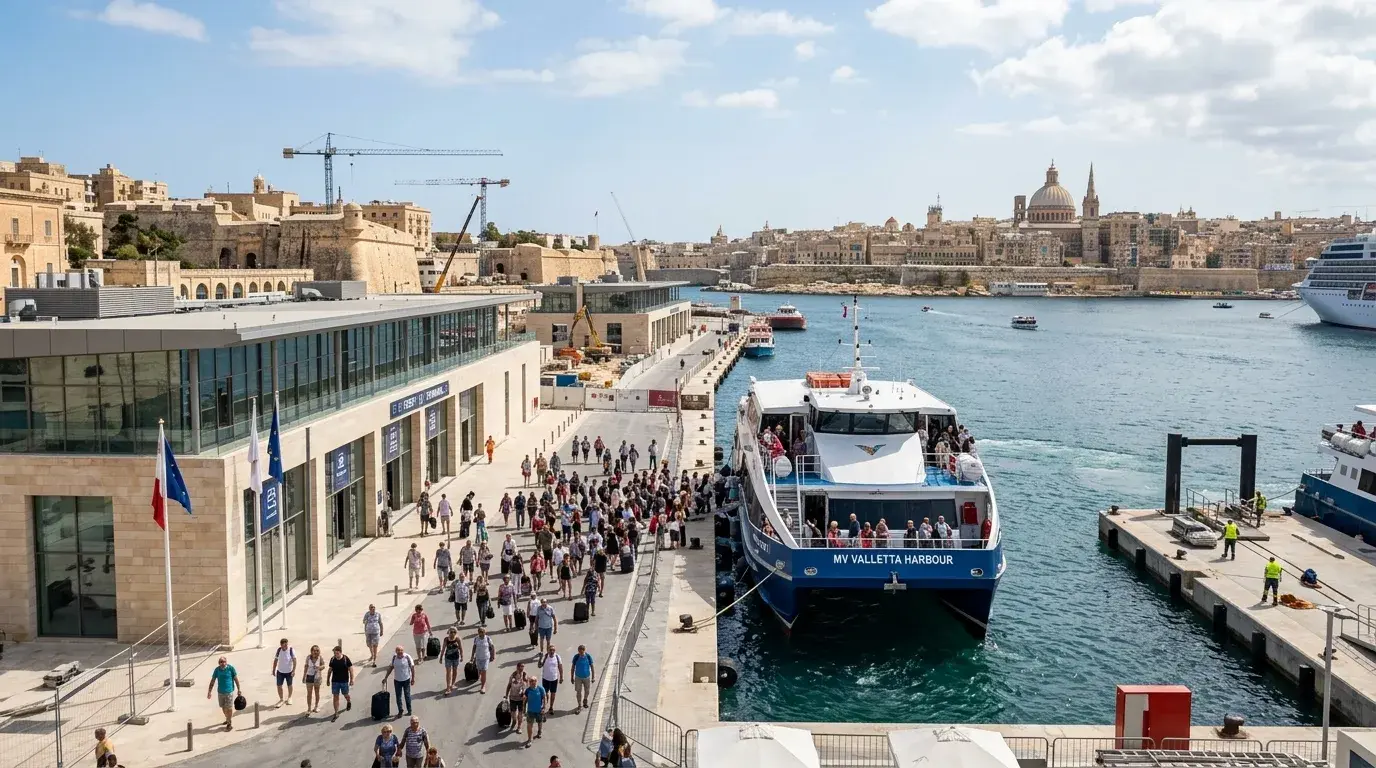
With a massive €100 million investment announced this spring, Malta International Airport is accelerating its transformation to become the Mediterranean’s most competitive hub by next year. This strategic financing, secured from a local bank, marks a key milestone in an unprecedented €345 million expansion plan to modernize the island’s infrastructure. The Luqa Airport, currently strained by rapid traffic growth, will gain capacity, efficiency, and appeal to capture a growing share of travelers between Europe, North Africa, and the Middle East.
For Alan Borg, CEO of Malta International Airport, this funding reflects a clear vision: « We are not just modernizing our infrastructure; we are preparing Malta to play a central role in the European air network ». With over 8 million passengers welcomed in 2025—a record high—the Maltese airport has become a key player in Mediterranean tourism. However, this rapid growth has exposed the limitations of current facilities, now insufficient to handle rising demand.
The flagship project, « East Expansion », plans to extend the terminal by an additional 26,000 m² by 2028. Major innovations include 32 new check-in counters to reduce queues, 5 new boarding gates to streamline connections, and a dedicated crew gate to optimize rotations. These upgrades are paired with a redesign of commercial spaces and a modernization of baggage handling systems—key elements to enhance the passenger experience.
But that’s not all. The SkyParks 2 project, also underway, aims to diversify the airport’s revenue with the construction of a four-star hotel, with the raw structure set for delivery in Q4 2026. Operated by Claret Group under Accor’s Tribe brand, this facility aligns with a broader strategy to reposition the airport as a destination in its own right. Malta International Airport is banking on an integrated offering, combining air transport, accommodation, and premium services to attract high-value travelers.
The airport’s commitment to this transformation is even more notable given the fierce regional competition. Hubs in Naples, Catania, and Athens are vying to capture tourist flows between Europe and North Africa. Yet Malta stands out for its strategic location, year-round sunshine, and gateway status to a region experiencing robust economic growth.
To grasp the scale of this project, look back to 2025—a record year when the airport welcomed over 8 million passengers, a nearly 40% increase from 2024. This surge is partly due to Malta’s thriving tourism sector, which emphasizes modern infrastructure and a rich cultural offering. However, it also highlights the logistical challenges posed by such growth: overcrowded terminals, extended wait times, and increased pressure on baggage handling capacities.
The €100 million financing, split into two loans of €50 million each over five and seven years, allows Malta International Airport to advance its projects without compromising financial health. Alan Borg emphasizes this balance: « This funding enables us to accelerate construction while preserving liquidity to meet our commitments to employees, partners, and shareholders ». A prudent approach that contrasts with the headline-grabbing announcements of other European airports, often criticized for excessive debt.
The terminal expansion, with its new passenger spaces, additional boarding gates, and revamped commercial zones, aims to transform the travel experience in Malta. Travelers will now enjoy smoother journeys from arrival to departure, with optimized services and reduced connection times. The 32 new check-in counters, paired with self-service kiosks and automated baggage drop systems, will streamline flows and minimize queues.
Yet the project goes beyond infrastructure. Malta International Airport is adopting a diversification strategy to secure revenue streams. The four-star hotel, operated by Tribe Accor, complements an already robust mix of shops, restaurants, and premium services. This approach aligns with a global trend among modern airports, which are evolving into full-fledged destinations for travelers. In Malta, where tourism is a major economic driver, this strategy makes perfect sense.
For travelers, this modernization translates into tangible improvements. New commercial spaces, restaurants, and premium services will enhance the travel experience, while upgraded baggage handling and additional boarding gates will cut wait times. Passengers can also enjoy an enriched cultural offering, with events hosted at the airport and partnerships with local stakeholders.
At the regional level, Malta is positioning itself as a serious contender against major Mediterranean hubs. With its massive investments, strategic management, and forward-looking vision, the island is gearing up for sustainable growth and enhanced appeal for travelers, airlines, and commercial partners. With rising traffic and modernizing infrastructure, Malta could well become the preferred destination for travelers by 2026.
A strategic hub for airlines
For airlines, Malta International Airport represents a major development opportunity. The airport’s modernization and capacity expansion enable it to accommodate more flights and passengers while improving service quality. Low-cost carriers like Wizz Air, already present on the island, could expand their networks, while traditional airlines such as Emirates or Qatar Airways might increase frequencies.
Malta International Airport’s investments come with a commitment to strengthen regional connectivity. Luqa Airport, already well-connected to Europe and the Middle East, could gain appeal thanks to its modernized infrastructure. Airlines may develop secondary hubs in Malta, complementing their primary bases.
For travelers, this dynamic offers concrete benefits: smoother connections, shorter wait times, and an expanded premium service offering. Airlines, in turn, will benefit from a more competitive platform capable of capturing a growing share of Mediterranean tourist and commercial flows.
An innovative economic model
Malta International Airport stands out for its innovative economic model, which combines infrastructure modernization, revenue diversification, and prudent financial management. Unlike other European airports that rely on massive debt to fund projects, Malta is taking a balanced approach with structured external financing and a long-term vision.
This model allows Malta’s airport to maintain financial strength while investing heavily in its future. The « East Expansion » and SkyParks 2 projects embody this logic, with expected economic and tourism benefits by 2028. For travelers, this means an improved travel experience, while for airlines and commercial partners, it represents an opportunity to grow in a high-growth region.
In conclusion, Malta is banking on an ambitious transformation to become the Mediterranean’s preferred travel hub. Through massive investments, prudent management, and a strategic vision, the island is preparing for sustainable growth and enhanced appeal in the years ahead.
Be the first to comment on this article