Cape Verde 2026: How to Benefit from the Surge in Air Traffic to the Archipelago That’s Winning Over Europeans

With over 1.25 million visitors in 2025 and tourism growth accelerating in 2026, Cape Verde is emerging as one of the most dynamic destinations in the Atlantic. This volcanic archipelago of ten islands, less than six hours from France, now appeals to both beach lovers and hikers seeking authenticity. Between airport modernization, new air routes, and a diversifying tourism offer, the timing is perfect to plan a trip to this sun-soaked country where the sun shines year-round.
The French market, which represents the second-largest source of European arrivals, recorded an 8% increase in overnight stays in 2025, with over 120,000 visitors. Historically concentrated on the islands of Sal and Boa Vista, French travelers are now exploring less touristy destinations like Santiago, São Vicente, or Santo Antão. The reasons for this success? Enhanced security, competitive pricing, and improved accessibility thanks to direct flights from several French cities.
Record Visitor Numbers and Skyrocketing Air Traffic
Cape Verde welcomed 1.25 million visitors in 2025, a record that is expected to be surpassed in 2026. Overnight stays reached 6.1 million, an 8% year-on-year increase, with an average stay of five nights. The United Kingdom remains the top source market, but France ranks second, ahead of Germany and Italy. This surge is partly explained by geopolitical factors: European travelers have redirected their holidays to destinations perceived as safe, sunny, and easily accessible, particularly in Southern Europe and the Atlantic.
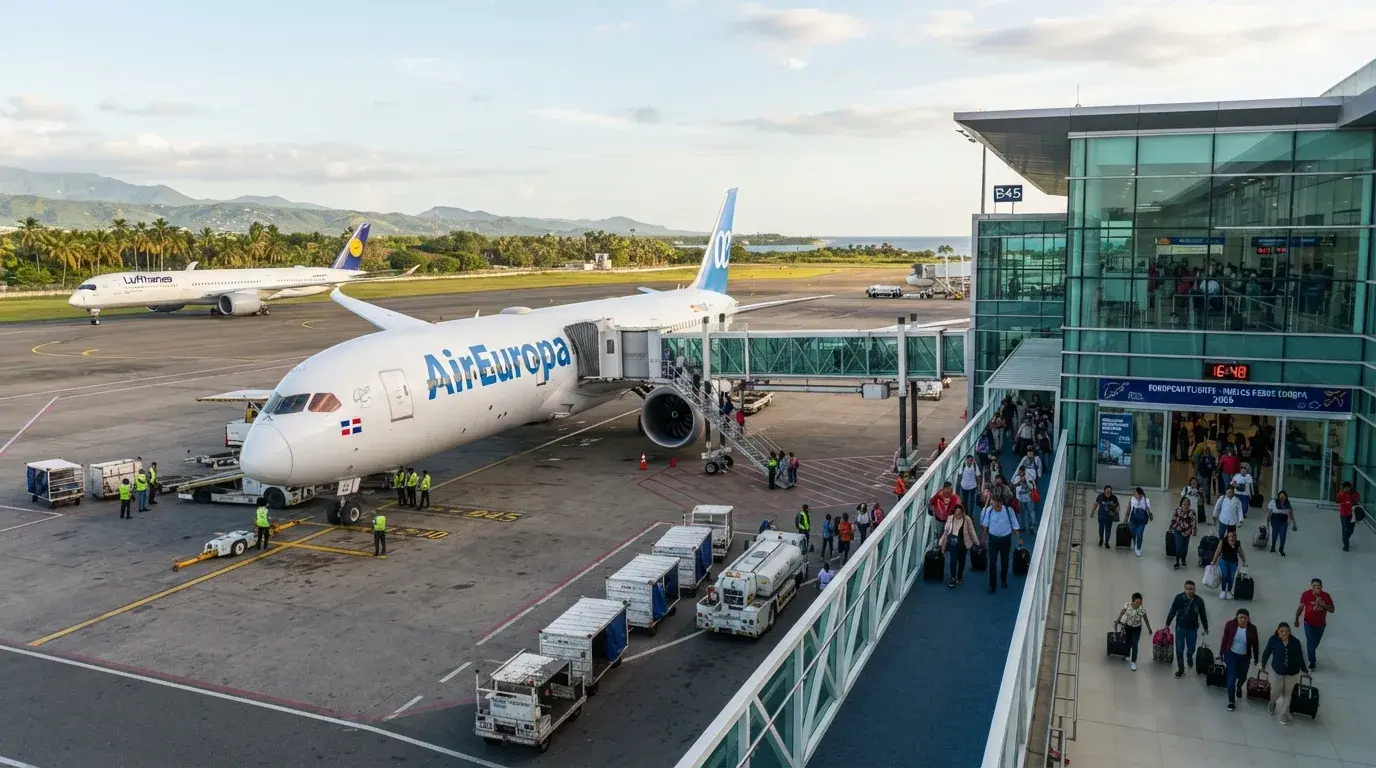
In terms of air traffic, the archipelago’s connectivity has expanded significantly. Several airlines now offer direct flights from France, with travel times ranging from 6 to 6.5 hours. Transavia France operates direct routes from Paris-Orly and select regional airports to Sal, Praia, Boa Vista, and São Vicente, with fares often starting at €300 for round trips. TAP Air Portugal, Royal Air Maroc, and Air Senegal provide connecting flights, often from €250, while EasyJet and Cabo Verde Airlines complete the offering from Lyon or Marseille.
This diversification of routes helps stabilize prices and makes the destination more accessible, though seasonality remains pronounced, with a peak between December and April—a perfect time to enjoy abundant sunshine and stable temperatures around 25°C.
Sal and Boa Vista: The Must-Visit Beach Destinations
Sal, the country’s main tourist gateway, accounts for over half of arrivals and hotel overnight stays. The island boasts long white-sand beaches, the Pedra de Lume salt flats, the natural pools of Buracona, and renowned kitesurfing spots, attracting an international clientele in search of sun and water sports. Boa Vista, the second most visited destination, charms visitors with its Saharan dunes, the Santa Monica and Chaves beaches, and sea turtle sightings.
These two islands remain the top choices for beach getaways, with all-inclusive resorts and well-developed tourism infrastructure. However, travelers seeking authenticity are turning to other islands, such as Santiago, home to the capital Praia and the historic Cidade Velha, a UNESCO World Heritage Site. São Vicente, centered around Mindelo, is gaining popularity for its carnival, morna music, and cultural venues, while Santo Antão is becoming a hiker’s paradise thanks to its lush valleys and steep trails overlooking the ocean.
Santo Antão: The Hiker’s Paradise
Santo Antão, the northernmost inhabited island, is a gem for trekking enthusiasts. Its volcanic landscapes, terraced farms, and steep trails offer breathtaking views of the Atlantic Ocean. Hiking options range from easy coastal walks to challenging ascents like the Pico da Cruz. Local agencies such as Cap Vert Authentique or Actour Cabo Verde offer organized tours with French-speaking guides, making these experiences accessible to foreign travelers.
Fogo, with its iconic Pico do Fogo volcano (2,829 meters), also attracts landscape lovers and wine enthusiasts. São Nicolau and Maio, more off-the-beaten-path, offer an authentic atmosphere and opportunities to connect with locals, far from tourist crowds.
Organized Travel: The Key to Exploring Cape Verde with Peace of Mind
The archipelago’s geography, made up of ten scattered islands, makes it essential to enlist the help of a tour operator or receptive agency to organize a trip, especially when combining multiple destinations. Poorly coordinated logistics can quickly turn a vacation into a logistical nightmare, with inter-island ferries, domestic flights, and road transfers to juggle. Fortunately, several French-speaking local agencies, such as Cap Vert Authentique or Nobai, offer tailor-made trips with end-to-end support, suitable accommodations, and 24/7 assistance.
These receptive agencies rely on on-the-ground expertise and in-depth knowledge of each island’s specifics, ensuring smooth logistics and minimizing connection risks. They promote responsible tourism, ATR-certified, and offer legal guarantees under French law, providing peace of mind for travelers.
Top Agencies for Tailor-Made Travel
Several tour operators and receptive agencies stand out for organizing a trip to Cape Verde. Cap Vert Authentique, based locally, is renowned for its on-the-ground expertise, personalized support, and organized hiking or cultural discovery tours. Fram and TUI offer all-inclusive beach stays in major resorts, while Actour Cabo Verde and Terres d’Aventure target adventure and nature seekers. Finally, Ponant provides luxury cruises around the islands for an immersive experience.
These professionals handle ferry bookings, domestic flights, and transfers, allowing travelers to focus on the essentials: landscapes, encounters, and activities.
Infrastructure Modernization and New Air Routes
To support its tourism growth, Cape Verde has rapidly modernized its airport infrastructure. Under the leadership of VINCI Airports, Phase 1A of the works, completed in 2025, involved an investment of €80 million to renovate runways in Sal and São Nicolau, modernize terminals, and install solar power plants. A new phase, worth €142 million, was launched in January 2026 to expand terminals and improve operations at seven airports, accommodating the continuous increase in traffic.
In terms of air travel, the local carrier CVSky operates regular inter-island flights, except to Santo Antão and Brava, which are served only by ferry. The modernization of infrastructure now enables smoother connections and reduced wait times—a major asset for travelers wishing to explore multiple islands in a single trip.
Domestic Flights and Access to Remote Islands
Cape Verde’s domestic flight network, operated by CVSky, connects Santiago (Praia), Sal, São Vicente, Boa Vista, São Nicolau, Maio, Fogo, and Brava. This allows travelers to plan varied itineraries, such as combining a beach stay in Sal, a cultural escape in Santiago, and a hike in Santo Antão, with air or ferry connections. Ferries, while slower, offer a picturesque alternative for island-hopping.
Budget and Practical Tips for a Successful Trip
For a French tourist, the cost of living in Cape Verde is about 30% lower than in France, though some imported products are more expensive. A daily budget of €70 to €140 covers local lodging, meals, and transportation, while a 10- to 14-day stay typically ranges from €1,800 to €3,500 per person, depending on comfort levels. The best time to travel is from December to May, during the dry season, with abundant sunshine and stable temperatures around 25°C.
In contrast, the wet season, from August to October, brings occasional rains that green the landscapes without making the destination unviable. The one-hour time difference with France makes short stays easier, and entry formalities remain simple for EU citizens, who are exempt from visas for stays up to 30 days. However, since 2026, all travelers must complete an online pre-registration via the EASE platform before arrival, including payment of the Airport Security Tax, amounting to approximately 3,400 escudos (€30).
This procedure, recommended at least five days before departure, aims to streamline border controls and secure passenger flows in the archipelago’s airports. It aligns with the Cape Verdean government’s goal of modernizing tourism management and strengthening border security.
Why Choose Cape Verde in 2026?
Cape Verde offers a unique blend of paradise beaches, volcanic landscapes, and a rich, mixed culture—all within a few hours’ flight from Europe. Its tourism potential remains largely untapped, making it an ideal destination for travelers seeking authenticity and diversity. With rapidly modernizing airport infrastructure, expanding air connectivity, and a diversifying tourism offer, the archipelago is ready to welcome an increasing number of visitors in 2026.
Whether you’re a sun-seeker, an avid hiker, or a cultural explorer, Cape Verde has something to satisfy every desire. With competitive pricing and improved accessibility, there’s never been a better time to discover this archipelago that’s winning over more and more Europeans.
So why not take advantage of the surge in air traffic to Cape Verde and plan your next trip? With a varied offer, breathtaking landscapes, and a warm atmosphere, this destination has all the makings of your next favorite getaway.
Be the first to comment on this article