Brussels Airport Revolutionizes Travel: No More Security Queues by 2029
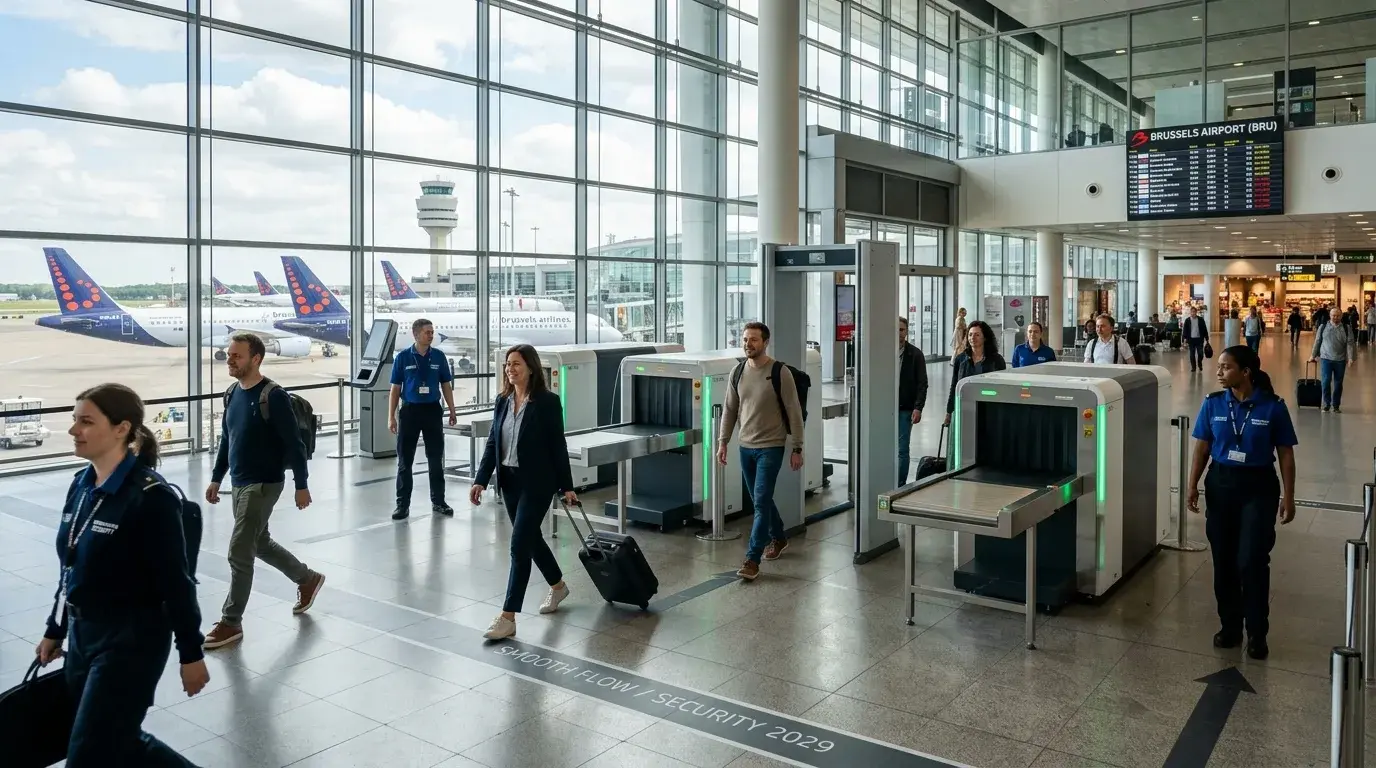
By 2029, passengers at Brussels Airport will no longer have to endure the tedious constraints of security checks. A technological revolution is underway: the Brussels-based airport is set to deploy next-generation body scanners and CT scanners, allowing travelers to keep liquids and electronic devices in their carry-on luggage.
This innovation is part of the Hub 3.0 program, designed to modernize security infrastructure to enhance safety, comfort, and passenger flow efficiency. Major construction work will begin in 2027, with full implementation scheduled for summer 2029.
3D Scanners for Stress-Free Security
By 2028, all 19 departure security lanes at Brussels Airport will be equipped with CT scanners—technology similar to medical scanners. These devices produce 3D images of luggage contents, enabling precise detection of explosives, whether solid or liquid. No more need to remove laptops or bottles: everything stays in the bag, streamlining the security process.
According to Arnaud Feist, CEO of Brussels Airport, this modernization aims to « ensure security while making the security screening process even simpler and smoother for travelers. » The deployment of these new systems will also increase processing capacity, essential to keep pace with growing passenger traffic in the coming years.
A Time and Comfort Boost for Millions of Passengers
With CT scanners, security queues are expected to shrink significantly. Carry-on bags will no longer require cumbersome handling, saving passengers valuable time. This advancement aligns with a broader European trend, where airports like those in London, Dublin, and Milan have already adopted this technology.
In France, discussions are underway to roll out these systems in major airports, but Brussels Airport is taking the lead with a clear timeline and strong commitment. By summer 2029, the promise is clear: no more liquid restrictions, no need to remove electronic devices, and a far more pleasant travel experience.
A Strategic Investment for the Future
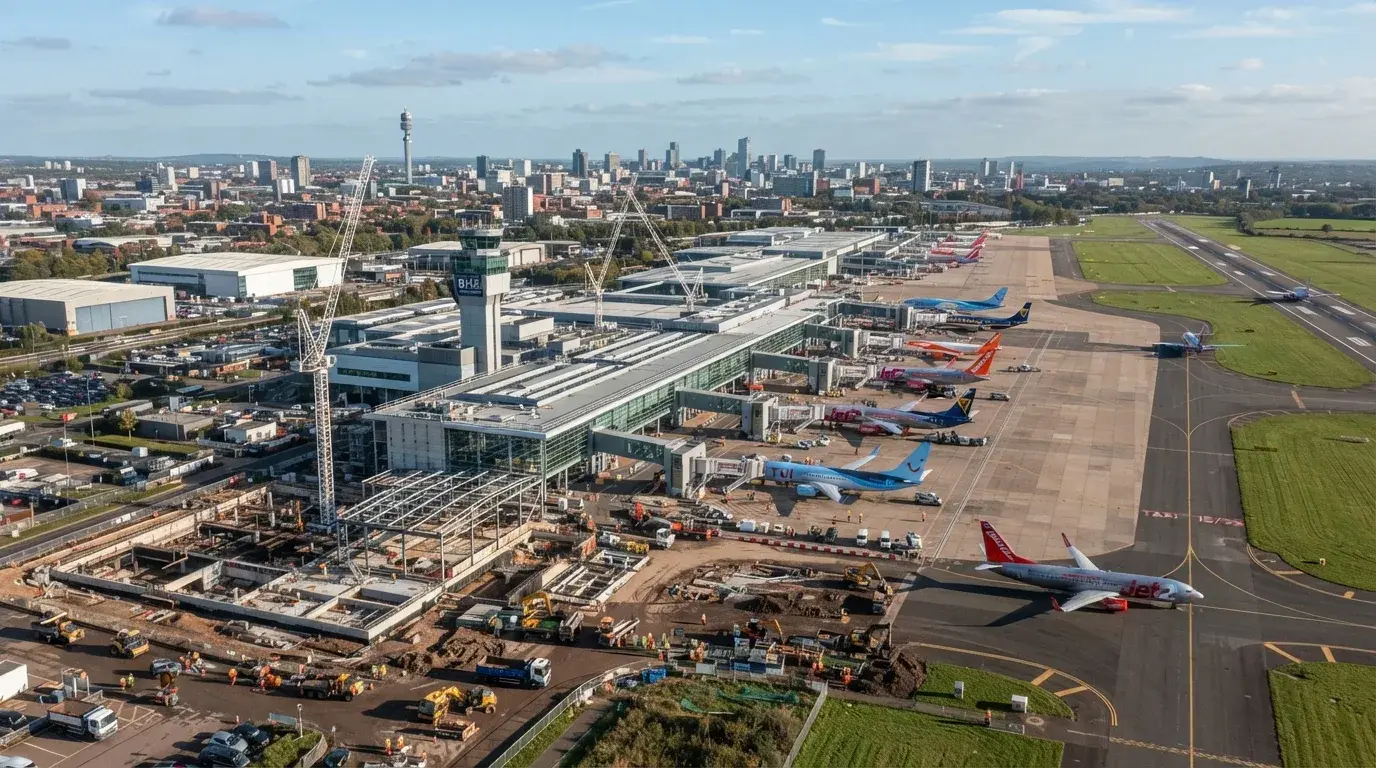
This project is part of a broader vision to transform Brussels Airport. The Hub 3.0 program extends beyond security upgrades, including improvements to terminal infrastructure, station services, and better intermodality with public transport. The airport aims to enhance its appeal in the face of competition from other European hubs like Amsterdam-Schiphol, Paris-CDG, or Frankfurt.
Preparatory work will begin in 2027, with a temporary platform integrating the new scanners. The security lanes will then be modernized one by one, ensuring a smooth transition without major disruptions to traffic. Once all lanes are equipped by 2029, connecting passengers will also benefit from this technology—a major advantage for a hub like Brussels Airport.
Technology Already Proven Across Europe
CT scanners are not a recent innovation. Several European airports already use them, allowing for relaxed liquid rules. In the UK and Ireland, for example, travelers can carry liquids in containers up to 2 liters without needing to remove their electronic devices. However, this flexibility depends on local and European regulations.
It’s important to note that, despite these advancements, European regulations remain strict on certain points. For instance, since September 2024, a 100 ml limit per container has been reintroduced for liquids—a decision criticized by the ACI Europe airport federation. However, the adoption of CT scanners could eventually lead to a revision of these rules, offering travelers greater freedom.
What This Means for You
If you’re planning a trip from Brussels Airport in the coming years, here’s what this revolution means for you:
- No need to remove liquids or electronic devices from your carry-on bag.
- Shorter queues thanks to faster, more efficient technology.
- A smoother, less stressful travel experience from the moment you arrive at the airport.
- Improved connections with public transport, thanks to modernized infrastructure.
This technological leap is set to appeal to frequent flyers, families, and connecting passengers alike, offering a simpler and faster security screening experience.
Until 2029, Brussels Airport continues to innovate to provide an ever-more efficient experience for its passengers. One thing is certain: this modernization positions the Brussels hub at the forefront of European airports and could inspire other hubs to follow its lead.
Be the first to comment on this article