Sydney Gets 24/7 Airport: How Western Sydney International (WSI) Will Revolutionize Travel to Australia
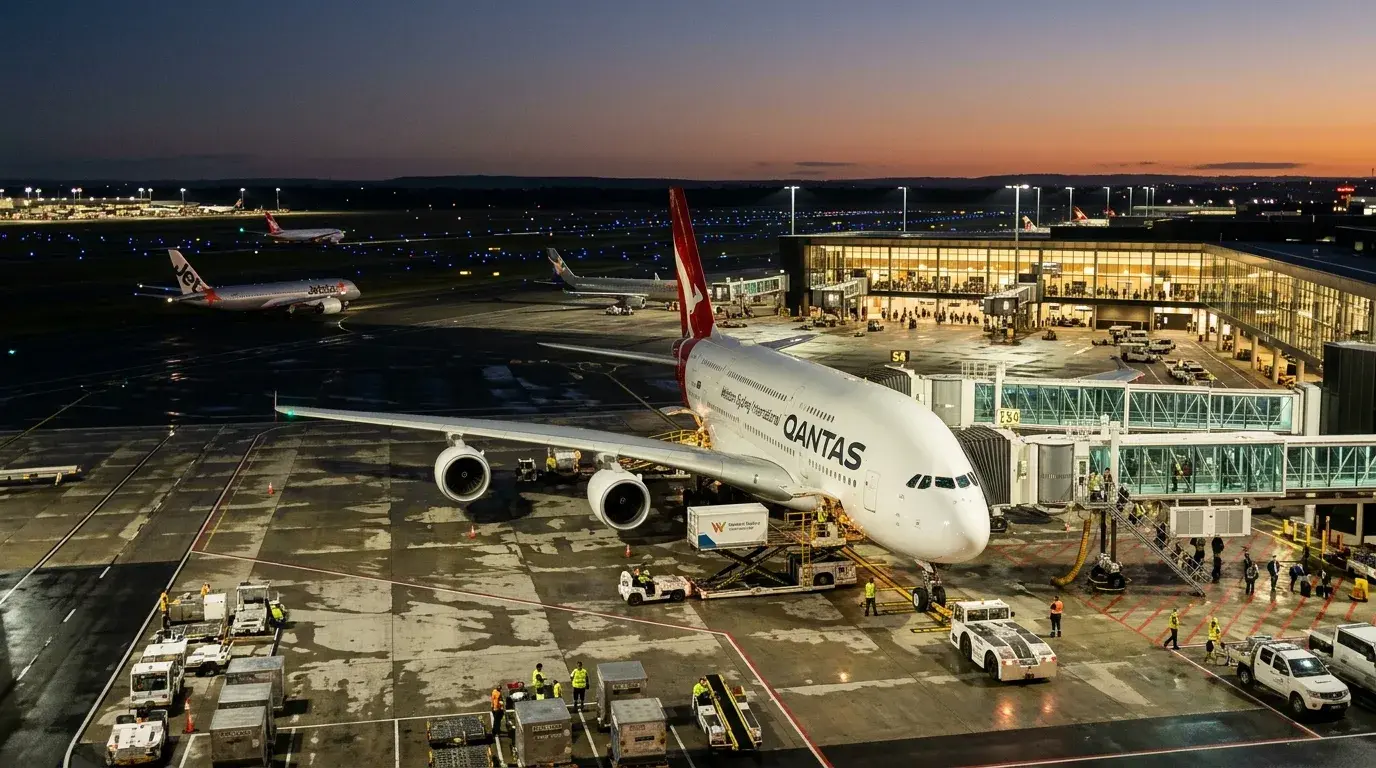
Australia is making aviation history with the upcoming launch of Western Sydney International Airport (WSI), also known as Nancy-Bird Walton Airport. Starting October 25, 2026, this groundbreaking 24/7 facility will transform travel connections in Sydney and unlock new long-haul routes to Asia, the Middle East, and the Pacific—just as the country’s air traffic continues to surge and Sydney-Kingsford Smith (SYD) reaches capacity. WSI isn’t just another airport; it’s Australia’s first major hub in over 50 years.
Located in Badgerys Creek, 60 kilometers west of Sydney’s city center, WSI is part of a $18 billion federal investment. Its mission is twofold: meet surging travel demand and provide an alternative to SYD’s strict nighttime curfew, which bans takeoffs and landings between 11:00 PM and 6:00 AM. With WSI, airlines can finally schedule late-night flights to key Asian and Middle Eastern hubs, optimizing connections for passengers.
Travelers from France and Europe heading to or through Australia must now pay close attention to airport codes on their tickets. A flight labeled « SYD » won’t grant access to the same terminal or services as one departing or arriving at « WSI ». This distinction could complicate connections, especially for those transiting through Sydney. One thing is certain: this new airport will reshape Australia’s travel map, and it’s time to prepare.
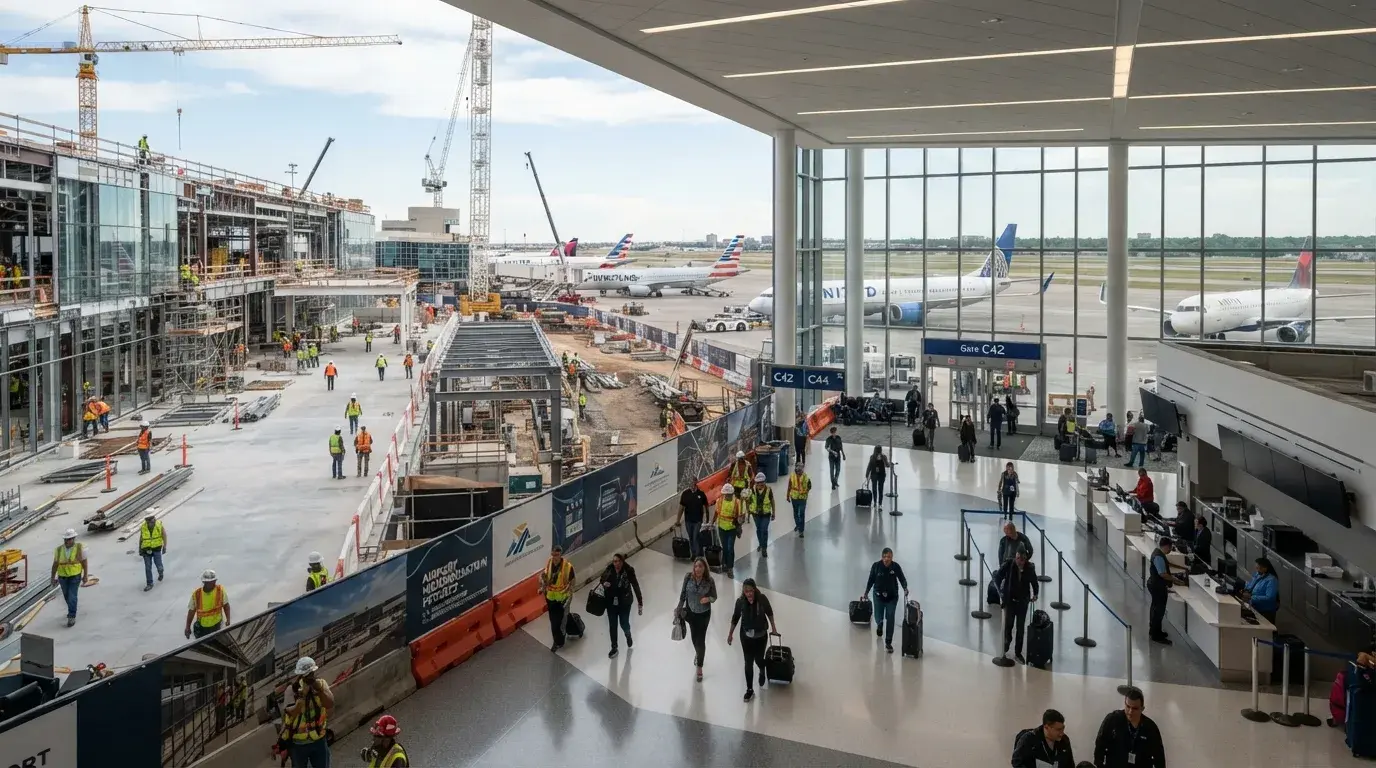
WSI’s terminal, described as a « next-generation facility, » has undergone a year of testing ahead of its opening. Designed to handle 10 million passengers annually in its first phase—with room to expand—it promises modern infrastructure, top-tier amenities, and seamless connections to Sydney’s city center via shuttles, buses, and private transfers. But the game-changer is its 24/7 operations, a first for Australia, enabling departures and arrivals at any hour.
No Curfew, No Limits: WSI Boosts Asia-Pacific Connections
The absence of a curfew at WSI is its standout innovation. While Sydney-Kingsford Smith (SYD) faces strict noise restrictions, WSI can accommodate flights around the clock. This flexibility is a boon for airlines, allowing optimized long-haul rotations to Southeast Asia and the Middle East. Singapore Airlines has already announced daily flights between Western Sydney and Singapore starting November 23, 2026, with departures just before midnight to leverage the overnight window.
This new route is a game-changer for French travelers connecting through Australia to Asia or vice versa. With optimized evening and overnight connections, wait times shrink, and travel efficiency soars. For now, Air New Zealand is the first international operator confirmed at WSI, launching three weekly flights between Auckland and Western Sydney on October 26, 2026, making it the pioneer of international routes from the new airport.
Passengers flying from Europe—including Paris—can now look forward to smoother connections to Bangkok, Dubai, or Doha, without SYD’s curfew constraints. A major advantage for those eager to minimize transit times and maximize their time in Australia.
Jetstar and Qantas Lead Domestic Traffic at WSI
Domestically, low-cost carrier Jetstar will be the first to operate commercial flights from Western Sydney International. The inaugural JQ362 flight is scheduled for October 25, 2026, at 11:00 AM to the Gold Coast, operated by an Airbus A320. Jetstar plans up to 14 weekly flights between WSI and Melbourne, four to the Gold Coast, and three to Brisbane, positioning the airport as a mini low-cost hub west of Sydney from day one.
The Qantas Group has also signed a five-year agreement with WSI’s operator, planning to base up to 15 narrowbody aircraft (10 for Jetstar and five for Qantas/QantasLink) in the early years, with routes to Melbourne, Brisbane, and the Gold Coast. Qantas’s involvement—even partial—adds a layer of reliability for travelers prioritizing safety and punctuality.
For connecting passengers, vigilance is key: Qantas will operate domestic flights from WSI, meaning an airport transfer may be required between international arrival and domestic connection. Travelers from Europe must double-check not only the departure/arrival city but also the airport code (SYD or WSI) on their tickets. A booking error could lead to major logistical headaches.
Cargo Takes Flight: WSI as Qantas’s Future Freight Hub
Western Sydney International isn’t just for passengers—it’s set to become a cornerstone of Australia’s air cargo network. Freight operations are slated to begin in July 2026, months ahead of passenger services. For Qantas, WSI will serve as a strategic cargo hub, as Vanessa Hudson, Qantas Group CEO, explained: « The new airport will become a key cargo hub for Qantas, with freight operations starting in the coming weeks. »
This cargo focus benefits travelers by optimizing overnight rotations and strengthening connectivity to Asian markets. With 24/7 operations, WSI can handle freight flights at any hour, enhancing e-commerce logistics and international trade. For transit passengers, this means better coverage of Asian and Pacific destinations with smoother connections.
French travelers looking to import products from Australia or export to the country will benefit from this streamlined logistics. A significant advantage for professionals or individuals needing fast, reliable international shipping solutions.
A Controversial but Futuristic Project for Australia
Western Sydney International has sparked debate since its announcement. Opponents raise concerns about increased noise pollution for nearby residents, despite advancements in noise-reduction technology. Others question the economic viability of a second Sydney airport when SYD remains one of the busiest hubs in the Asia-Pacific. For Australian authorities, however, WSI is a necessity: the country must modernize its infrastructure to stay competitive against rivals like Singapore, Dubai, and Doha.
To the federal government, WSI is a flagship project of the decade, bridging commercial aviation, urban planning, and industrial policy. « This is a significant milestone for Sydney, » said Australian Transport Minister Catherine King, welcoming the upcoming arrival of the first passengers. The airport aims to ease pressure on SYD, whose traffic continues to grow, while unlocking new development opportunities for Western Sydney.
French travelers planning a trip to Australia in the coming months must factor WSI into their plans. Its opening will redraw the map of connections and offer fresh options for exploring the country. Whether you’re heading to Sydney, Melbourne, the Gold Coast, or beyond, it’s time to check if your flight routes through WSI or SYD—and get ready for a new era in Australian travel.
Key Takeaways for Your Next Trip to Australia
Here’s what you need to know before booking your next flight to or via Australia:
• Western Sydney International (WSI) opens on October 25, 2026. It’s Australia’s first 24/7 airport in over 50 years.
• It doesn’t replace Sydney-Kingsford Smith (SYD), which remains the country’s historic and primary hub. WSI is a complement, not a competitor.
• Pioneer airlines include Jetstar, Qantas, Singapore Airlines, and Air New Zealand. More carriers are expected to follow soon.
• Always check the airport code (SYD or WSI) for connections. Switching airports may require a 45–50 minute drive—or longer during peak traffic.
• Cargo operations begin in July 2026, potentially improving connections for travelers transiting to Asia or the Pacific.
• WSI is designed to optimize overnight rotations, especially to Southeast Asia and the Middle East—a boon for travelers looking to cut transit times.
Australia is entering a new aviation era with Western Sydney International. Get ready for fresh ways to explore this captivating country—and seize the opportunities offered by this innovative hub.
Be the first to comment on this article
On the same topic
- Air Canada Launches A321XLR on Lyon Route: The Long-Haul Revolution Transforming Travel
- Qantas Revolutionizes Business Class: Flat-Bed Suites on A321XLR from 2028 – How Europeans Can Benefit
- Etihad deploys Airbus A321LR between Abu Dhabi and Brussels: how this upgrade transforms your flights to the Emirates
- Etihad Strengthens African Network with Three Major Agreements: How to Travel Easier to Africa
- Air France-KLM and ADP Group improve connections at Paris Charles de Gaulle airport