European Airports in Red Alert: Paris, London and Frankfurt Reeling from Plummeting Traffic in 2026
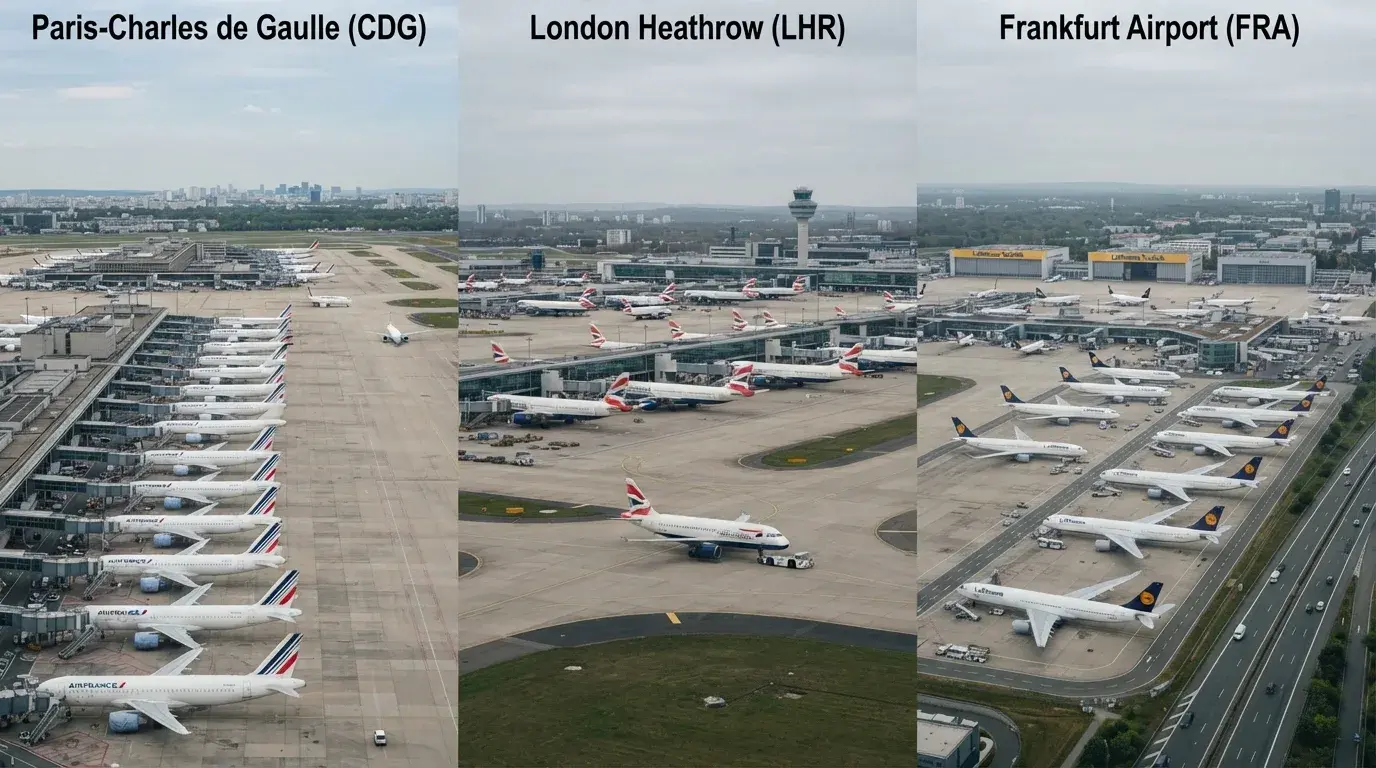
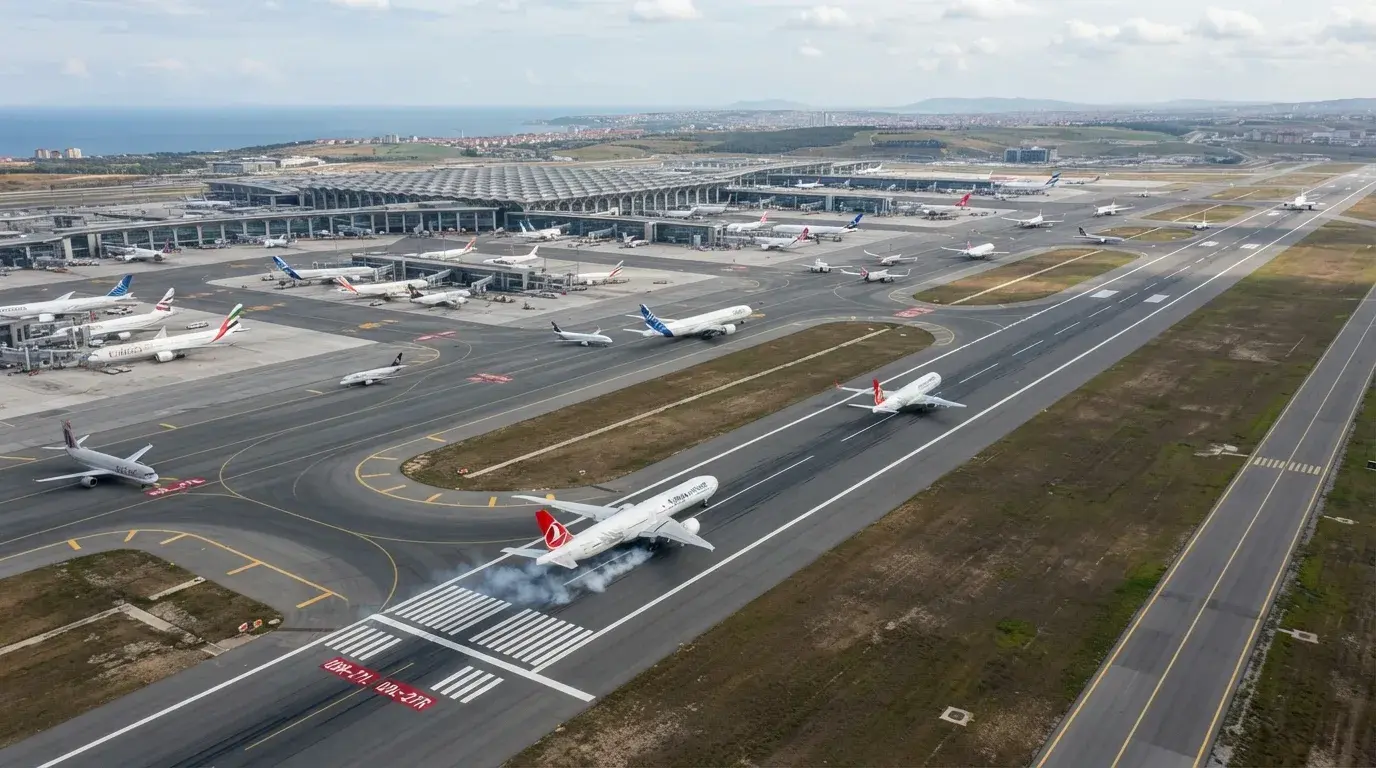
The major commercial aviation hubs in Europe are experiencing an unprecedented period of turbulence. After years of post-pandemic recovery, airports in Paris-Charles de Gaulle, London-Heathrow, and Frankfurt are seeing their traffic stagnate or even decline, due to a combination of geopolitical tensions, persistent economic slowdown, and growing environmental pressure. This situation raises questions about the resilience of the models used by these historic platforms, often seen as barometers of the industry.
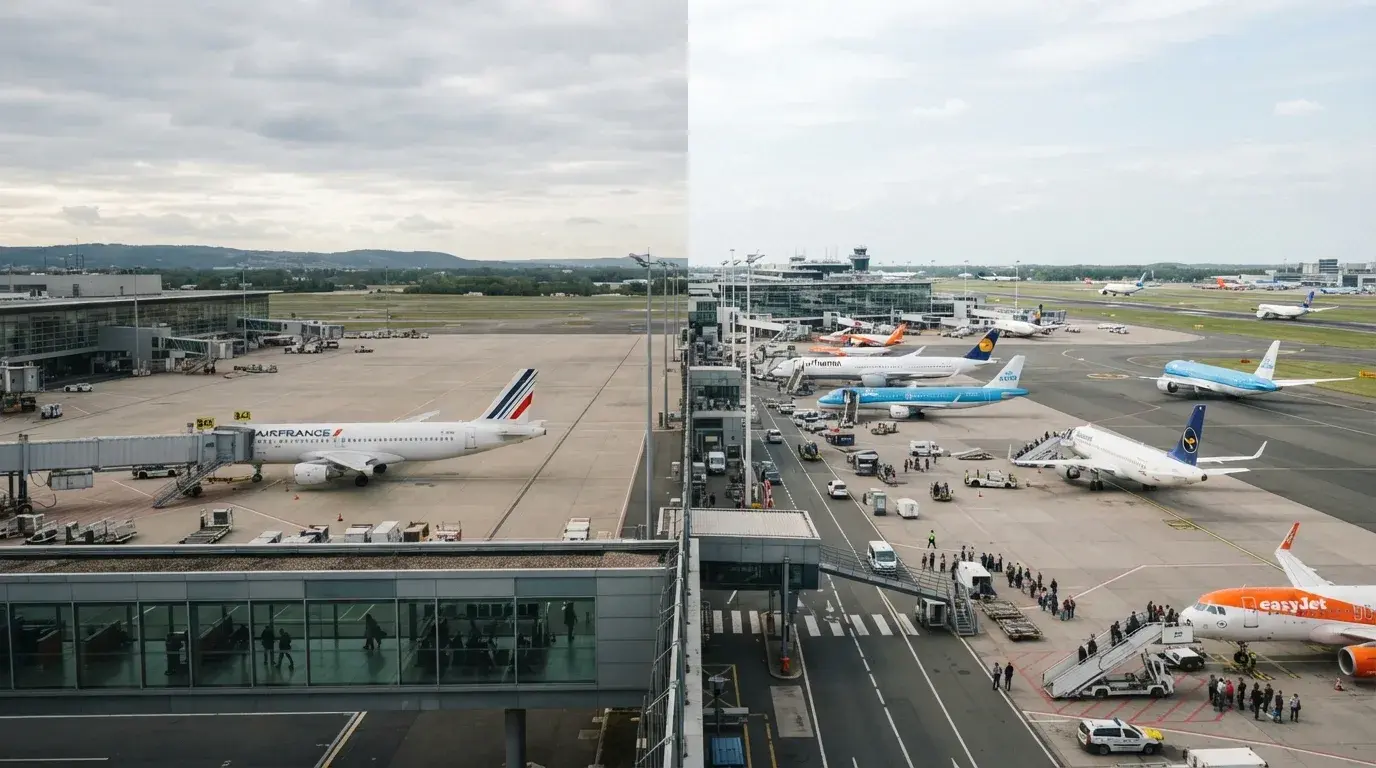
In Paris, Groupe ADP has had to revise its 2026 forecasts downward, breaking away from the optimistic scenarios outlined at the start of the year. June illustrates this shift: with 9.38 million passengers welcomed, traffic at Paris airports fell by 3.2% compared to June 2025. Paris-Charles de Gaulle, the country’s leading hub, recorded a 2.2% drop to 6.29 million travelers, while Paris-Orly, more exposed to short- and medium-haul flights, saw a 5.2% decline to 3.09 million passengers. Over the first half of the year, growth is almost flat (+0.5%), confirming that the post-Covid catch-up phase is now behind us. Reductions in flight schedules, linked to the conflict in the Middle East and soaring fuel prices, have played a key role in this sharp normalization of demand.
London-Heathrow, often seen as the pulse of global air traffic, is no exception to the trend. With 7.2 million passengers in June 2026, the London airport recorded a 1.8% drop year-on-year. Over the first six months of the year, traffic is capped at 40 million travelers, a sluggish growth of just 0.2%. The conflict in the Middle East, which has led to a more than 25% drop in traffic to the region, is particularly weighing on long-haul flights and connecting activity. The airport’s operator has also revised its annual forecasts downward, now anticipating a contraction in traffic of around 1%—a first in years.
In Germany, Frankfurt is no exception. The airport welcomed 5.7 million passengers in June, a 1.7% decline compared to last year. Over the first half of the year, Fraport is maintaining overall growth thanks to its international platforms, but its main hub saw a 0.8% drop to 28.9 million passengers. Strikes, operational disruptions, and the sensitivity of business traffic to economic conditions explain much of this underperformance. These are all signals pointing to a new cycle for Europe’s major airports, where the breakneck growth seen before 2020 now seems like a distant memory.
Why are these aviation giants struggling?
Several factors are combining to explain this stagnation—or even decline—in traffic at Europe’s major hubs. The conflict in the Middle East remains the primary culprit. Persistent tensions in the region have led to a drastic drop in traffic to Israel, as well as a decline in connections via Gulf hubs, often used to link Europe to Asia or Oceania. At Heathrow, for example, routes to Doha, Abu Dhabi, or Dubai have been reduced, creating a domino effect across the entire long-haul network. Airlines, which had relaunched their schedules after the pandemic, now have to contend with an increasingly unstable geopolitical environment.
Rising fuel costs are also playing a major role. After a period of relatively stable prices, the price of jet fuel has surged again since the start of the year, partly due to tensions in the Red Sea and restrictions imposed on Russia. For airlines, which already operate on tight margins, this increase is directly impacting ticket prices, discouraging some customers. Passengers, particularly those traveling in business class or on long-haul flights, are becoming more price-sensitive and are postponing or canceling their bookings.
Finally, environmental pressure is weighing increasingly heavily on major hubs. European regulations on CO₂ emissions, combined with rising carbon taxes, are making some flights less profitable. Airlines, aware of these issues, are beginning to adjust their schedules accordingly, reducing frequencies on the least profitable routes or favoring more fuel-efficient aircraft. For airports, this means lower revenue from landing fees and ancillary services, further weakening their economic balance sheets.
A new cycle for Europe’s hubs
These turbulences mark a break with the rapid recovery cycle that began in 2021. After a post-pandemic catch-up period where demand was fueled by pent-up travel desire and still-low prices, Europe’s major airports are facing a harsher reality: demand is no longer as resilient as it once was. Travelers, particularly those on business trips or long-haul flights, have become more cautious and more sensitive to costs. Airlines, for their part, must contend with rising operating costs and increasingly tight margins.
For airport operators, this situation calls for a rethink of their strategies. Historic hubs like Paris-Charles de Gaulle, London-Heathrow, or Frankfurt can no longer rely on automatic traffic growth. They must now innovate to attract new flows and retain their customers. Several avenues are being explored:
Diversification of destinations: Europe’s major airports are seeking to reduce their dependence on mature markets (North America, the Middle East) by developing routes to Africa, Latin America, or Southeast Asia. For example, Brussels Airport has recently launched new flights to Chengdu (China) and São Paulo (Brazil), while Paris-Charles de Gaulle is focusing on Sub-Saharan Africa and India to offset the decline in traffic to the Gulf.
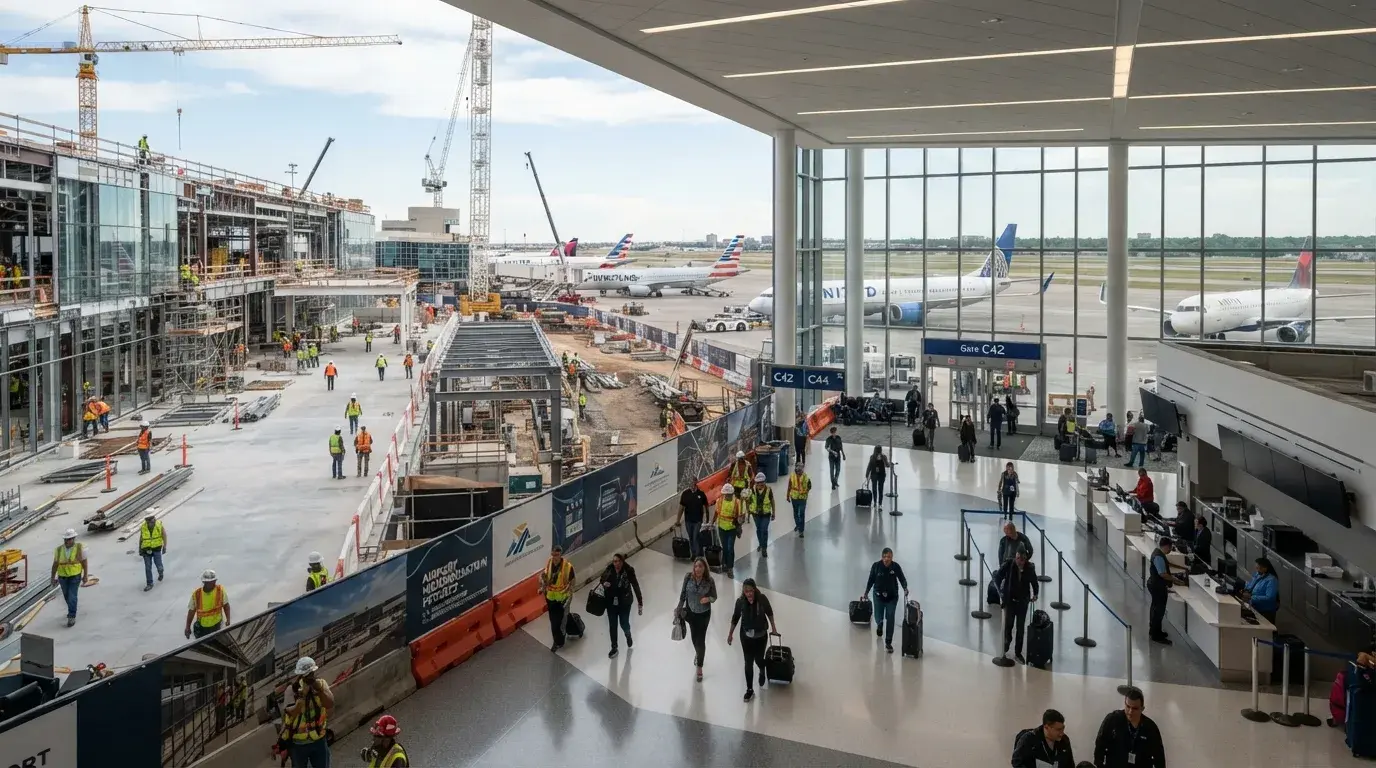
Improving the passenger experience: Facing competition from secondary airports and low-cost carriers, major hubs are investing in modernizing their infrastructure. In Paris, Terminal 2E is being reconfigured to offer a smoother and more premium journey, while in Frankfurt, new commercial and dining spaces are being rolled out to attract more discerning travelers.
Developing non-aeronautical services: Airports are increasingly relying on extra-aeronautical revenue, particularly through the development of commercial, hotel, or logistics zones. At Paris-Orly, for example, a new shopping center opened in 2025, while at London-Heathrow, coworking spaces and meeting rooms are being offered to attract business travelers.
Finally, the ecological transition is becoming a differentiating factor. Airports investing in more sustainable infrastructure (renewable energy, emissions reduction, waste management) can hope to attract airlines and passengers concerned about their carbon footprint. Paris-Charles de Gaulle, for instance, has launched an ambitious program to cut its CO₂ emissions by 50% by 2030, while Frankfurt is focusing on electrifying its vehicles and using sustainable aviation fuel (SAF).
An uncertain future for major hubs
While the current turbulence is partly cyclical, it also reflects deeper trends that could reshape Europe’s air transport map. Historic hubs are no longer immune to competition. Secondary airports like Berlin-Brandenburg or Milan-Bergamo are gaining attractiveness thanks to lower operating costs and greater flexibility. Low-cost carriers, meanwhile, continue to nibble away at market share, particularly in the short-haul segment, by offering attractive fares and high frequencies.
To survive, Europe’s major hubs will need to demonstrate great agility. They must be able to adapt quickly to changes in demand while maintaining a high level of service and investing in the ecological transition. A daunting task, but not impossible, provided they avoid repeating the mistakes of the past. One thing is certain: the era of automatic growth is over. The airports that succeed will be those that can turn these challenges into opportunities.
What should travelers do?
If you’re planning a trip to Europe in the coming months, here are some tips to avoid the hassles linked to stagnating traffic at major hubs:
Favor secondary airports: Platforms like Lyon-Saint Exupéry, Marseille-Provence, or Nice Côte d’Azur often offer smoother travel conditions and fewer risks of delays. They are also better served by public transport, which can simplify your journey.
Travel outside peak hours: Traffic peaks (early morning or late evening) are often synonymous with delays and endless queues. If possible, choose a midday or evening flight to avoid crowds.
Opt for flexible airlines: Traditional carriers like Air France or Lufthansa often offer more flexible refund or rebooking policies in case of disruptions. Low-cost airlines like Ryanair or easyJet may be more rigid, but their fares remain attractive.
Monitor strikes: Industrial action, particularly in France and Germany, can severely disrupt air traffic. Regularly check airport or airline websites to anticipate any cancellations.
Travel light: With rising fuel costs, some airlines now charge for checked baggage. To avoid unpleasant surprises, travel with hand luggage only. This will also save you time at the airport.
In conclusion, while Europe’s major hubs are going through a difficult period, it would be premature to speak of decline. These platforms remain key players in global air transport, and their ability to adapt to new challenges will be crucial to their future. For travelers, this situation offers the opportunity to discover new routes and enjoy a smoother experience at less congested airports. One thing is certain: European aviation has not said its last word.
Be the first to comment on this article