Dominica 2027: An International Airport to Revolutionize Caribbean Vacations
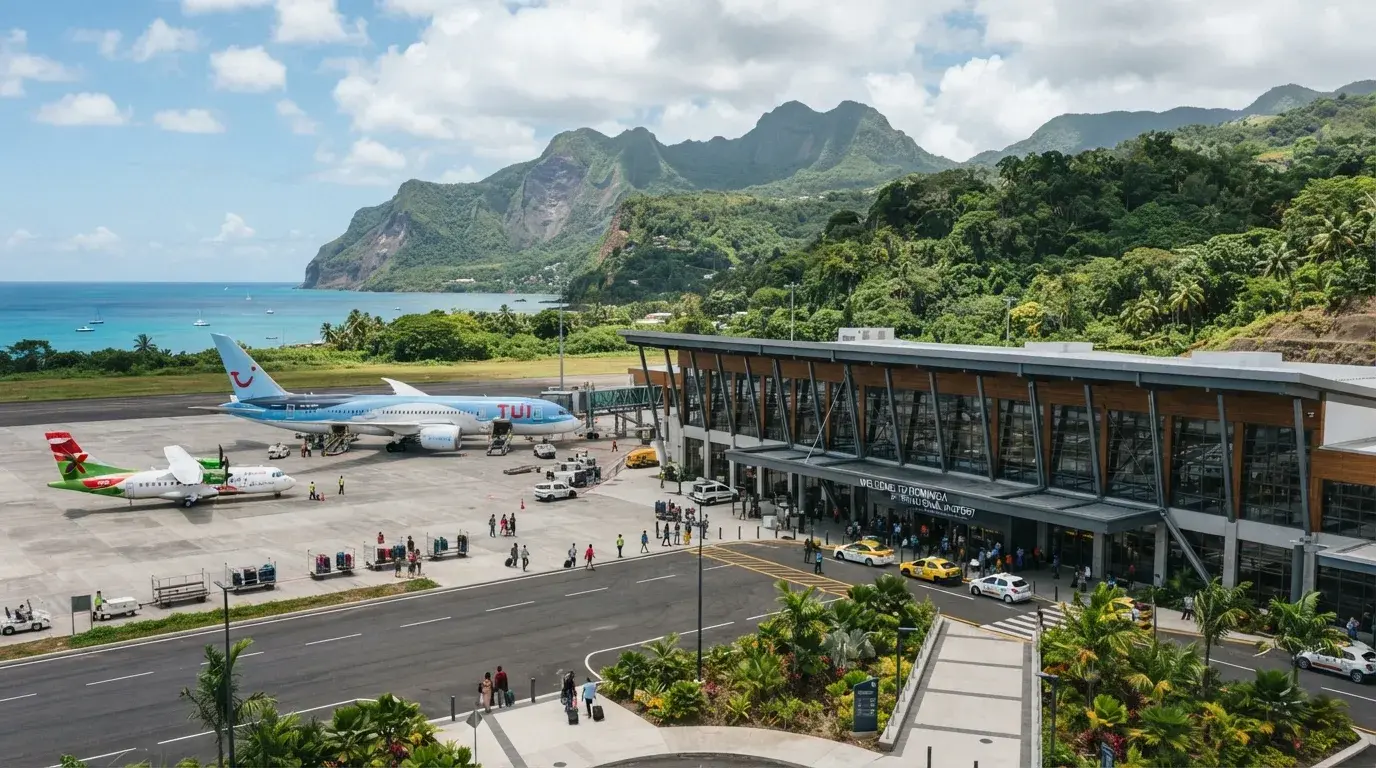
On a map of the Caribbean, Dominica often goes unnoticed, relegated to the status of a confidential destination reserved for hikers and divers seeking authenticity. Yet the island of 365 rivers and preserved tropical forests is about to experience an airport revolution that could well make it a new star of Caribbean tourism. By 2027 or 2028, an international airport handling 500,000 passengers per year is set to rise in the northeast of the island, featuring a 2,850-meter runway capable of accommodating large aircraft such as Airbus A330s or Boeing 787s. This will shorten travel times from Europe and North America and finally make this gem of the Lesser Antilles accessible without a stopover.
Imagine a trip between Paris and Dominica in just six hours, compared to more than eight hours with a mandatory connection in Antigua or Saint-Martin. This is the stated goal of the Dominican authorities, who are banking on this new airport to attract tourists seeking an escape away from the crowds of the Bahamas or Barbados. But behind this promise lies a more complex reality: a colossal construction project, enormous economic stakes, and a race against time to woo airlines before the planned opening.
A project born of geographic isolation
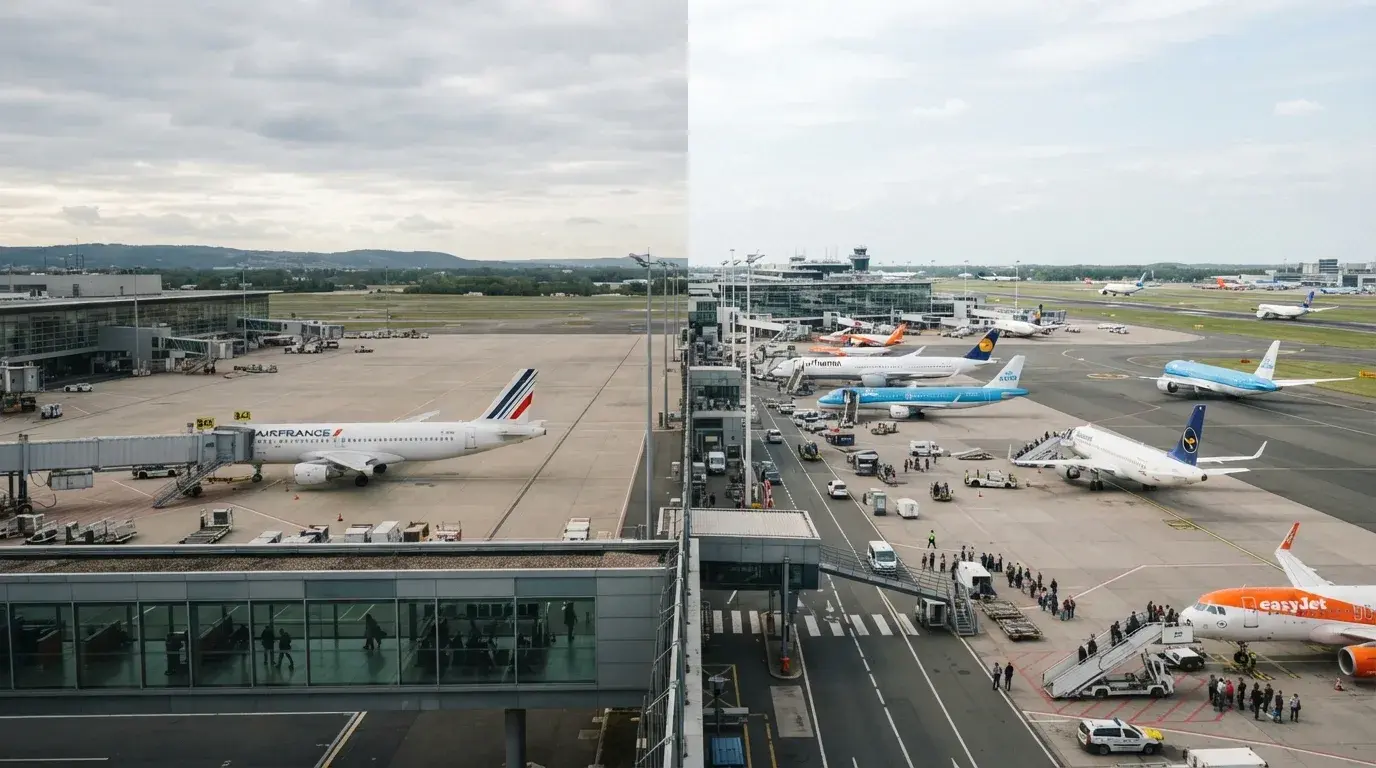
Dominica is currently served almost exclusively by regional flights operated by turboprop aircraft such as ATR 72s or Boeing 737-300s. These planes, limited by their range and capacity, force European and North American travelers to transit through other Caribbean islands, unnecessarily extending travel times. The current Douglas-Charles Airport, located on the east coast, can only accommodate small aircraft due to topographic and weather constraints.
The future airport, being built near Calibishie on the Atlantic coast, has been carefully sited. Its location was chosen to avoid the downdrafts and mountainous terrain of the interior, two major obstacles for aircraft approaches. With a 2,850-meter runway, it will be able to accommodate long-haul flights, finally paving the way for direct flights from Europe. "The market that needs to be opened is Europe," confides Michel Salbot, representative of the Discover Dominica Authority in France. Today, a French traveler often has to pass through Miami or Saint-Martin, with layovers that can last more than four hours.
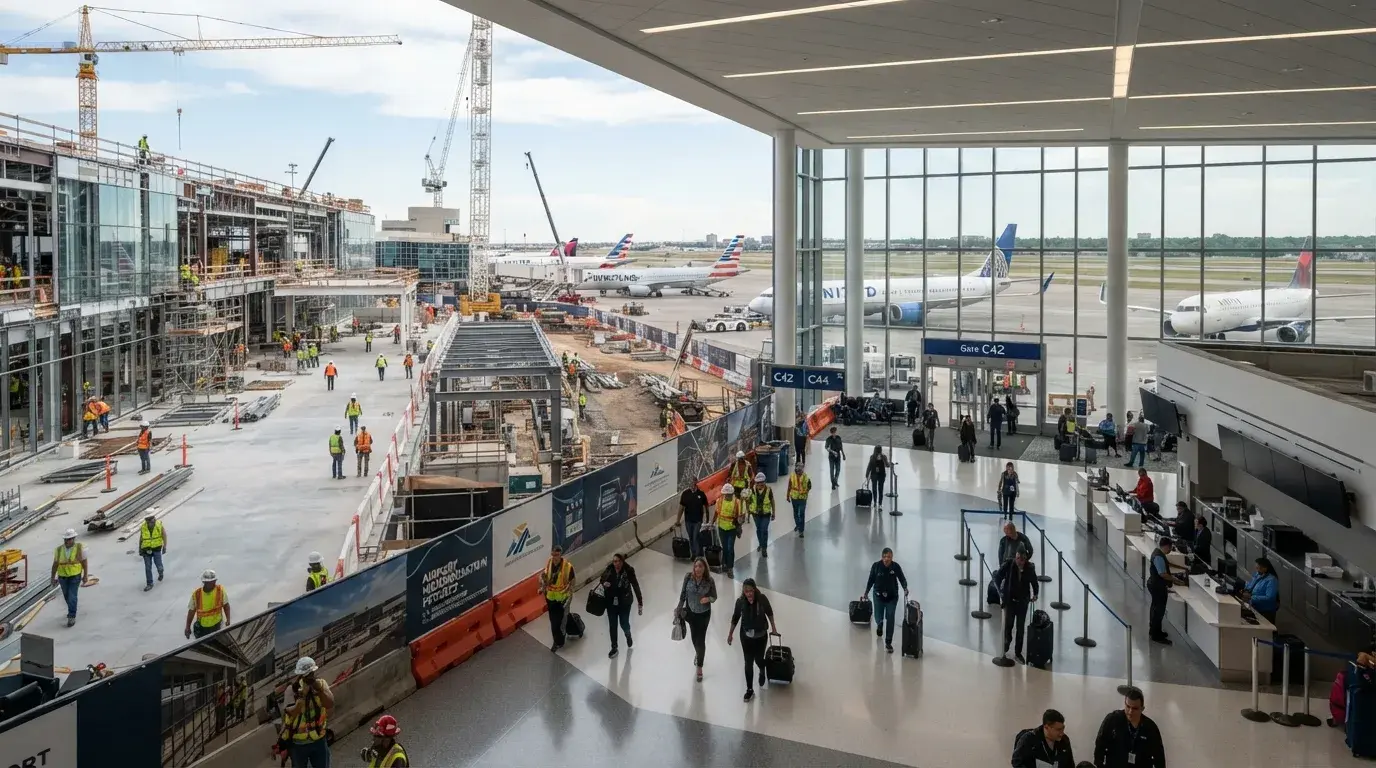
The construction work, entrusted to the Chinese company China Railway No. 5 Engineering Group, is progressing at a rapid pace. According to the latest estimates, earthworks and drainage works have reached 78% completion, while the runway and taxiways exceed 60% completion. The 22,000 m² passenger terminal, as well as the control tower and cargo facilities, are also nearing completion.
Public funding and tourism ambitions
The project, estimated to cost 250 million Eastern Caribbean dollars (about €80.5 million), is being driven by the Dominican government. Part of the funding comes from the citizenship by investment program, a scheme that attracts foreign investors in exchange for Dominican citizenship. The developer MMC Development Ltd. also plays a key role in structuring the project’s finances.
The stakes are not only tourism-related but also economic. Dominica, often overshadowed by more touristy neighbors like Martinique or Guadeloupe, hopes to boost its appeal. "The airport represents a unique opportunity to develop sustainable, high-end tourism in line with our image as a preserved destination," explains Michel Salbot. The island is banking on its natural assets—volcanoes, tropical forests, hot springs, and diving—to attract a clientele seeking authenticity, willing to pay for a rare experience.
Initial contacts have already been made with airlines such as Air Caraïbes and Corsair, although no routes have yet been finalized. The island also hopes to attract European carriers like Transavia or Volotea, which could offer seasonal flights from France or the UK. For travelers, the arrival of these airlines would mean more affordable fares and increased flight frequency.
A realistic timeline or overly ambitious?
While construction is progressing, the timeline remains tight. The Dominican government, which initially aimed for an opening by late 2027, has recently pushed this back to the second quarter of 2028. This date remains subject to the completion of infrastructure and the obtaining of necessary certifications. "We want to be sure that everything is ready to guarantee the safety and smooth operation of flights from day one," says a project manager.
For travelers, this additional time could be an opportunity. It allows airlines to prepare their offerings and authorities to refine passenger services. However, for investors and local tourism professionals, the delay may raise questions about the country’s ability to handle such an influx from the outset.
One thing is certain: the arrival of this airport will transform Dominica into an essential Caribbean hub. Travelers seeking less crowded but equally spectacular destinations should keep a close eye on the progress of this project. Once operational, this airport will not merely be an infrastructure—it will become a symbol of a new era for the island, where accessibility finally aligns with preservation.
Why Dominica deserves your attention now
If you dream of a Caribbean vacation without the crowds of classic destinations, Dominica is an option worth serious consideration. With its volcanic landscapes, primary forests, and thermal springs, the island offers a unique experience. But today, access remains challenging. The opening of the international airport in 2028 will change the game, but in the meantime, how can you plan your trip?
Several options are available to you. You can opt for a flight to Pointe-à-Pitre in Guadeloupe, then take a ferry to Dominica (about 1.5 hours with L’Express des Îles). Another solution is to fly to Fort-de-France in Martinique or Saint-Martin, then reach the island by light aircraft or boat. These routes, while less convenient, remain viable for patient travelers.
But beware: enthusiasm for Dominica could quickly soar once the airport becomes operational. Accommodation and activity prices are likely to follow suit. If you want to enjoy a stay at a reasonable rate, it’s wise to start planning now, before demand skyrockets.
In short, Dominica is on the verge of becoming a flagship Caribbean destination. Its future international airport will trigger a major transformation, attracting travelers in search of authenticity and tranquility. Stay informed, for this island of a thousand rivers could well be the next big surprise in Caribbean tourism.
Be the first to comment on this article