Western Sydney International: A 24/7 Airport Set to Transform Sydney’s Connections
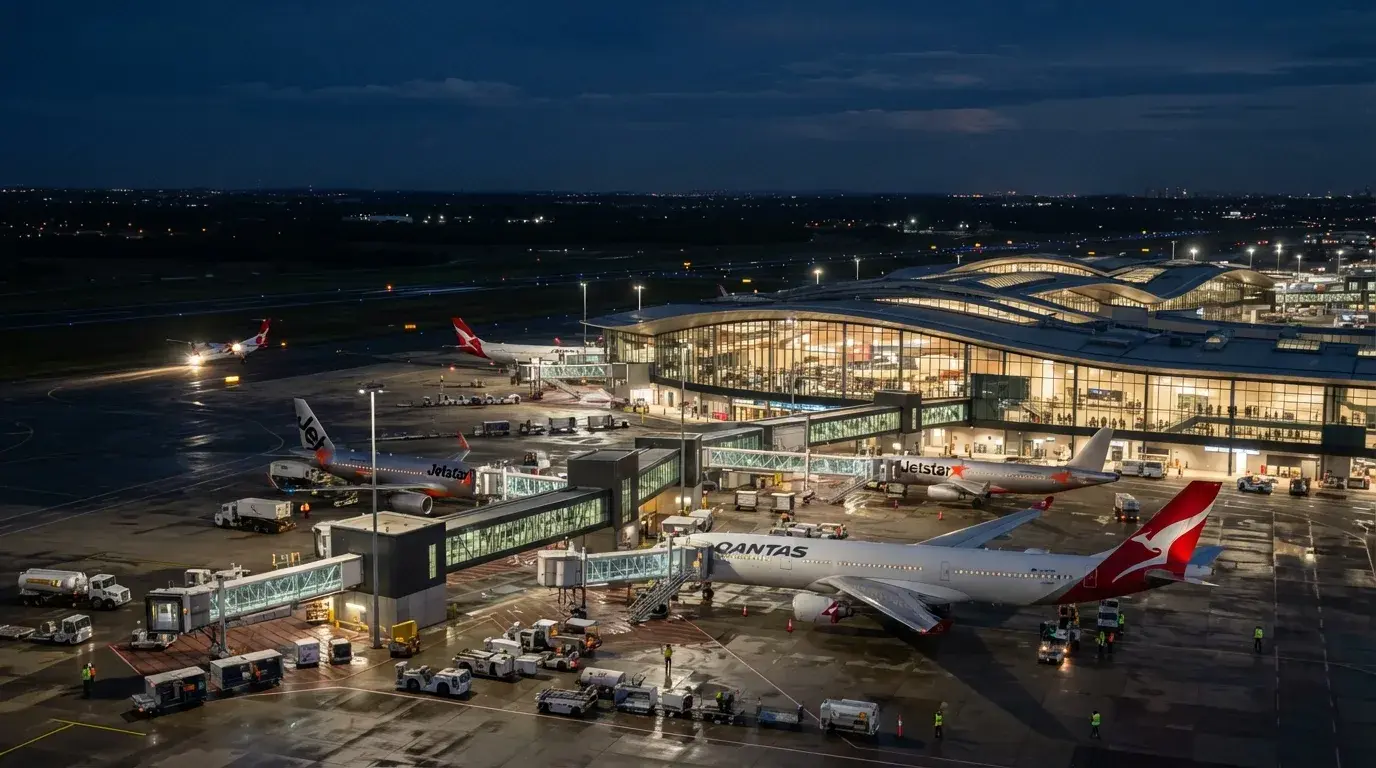
With the inauguration of Western Sydney International on October 25, Australia gains a new tool to rival its neighbor, Kingsford Smith. This $5.6 billion Australian project is banking on 24/7 operations and unprecedented accessibility, though its success will depend on airlines’ ability to turn demographic potential into real traffic.
Just five days before its opening, Western Sydney International (WSI) has announced a modest schedule: six daily flights in the first twelve months. This cautious ramp-up reflects carriers’ prudence in a market still under construction. Yet Nancy-Bird Walton Airport—named after Australia’s aviation pioneer—could reshape connections between Asia, Australia, and the Middle East. Its main advantage? Round-the-clock operations, a rare asset in a region where curfews often constrain long-haul schedules.
Jetstar will kick off operations on October 25 with a flight to the Gold Coast. Qantas will follow on March 28, 2027, with routes to Melbourne and Brisbane. But it’s Singapore Airlines that embodies WSI’s ambition: starting November 23, the carrier will link Sydney to Singapore with a night flight departing at 23:55 and arriving at 05:05. This slot enables seamless connections via Changi Airport, free from traditional scheduling constraints.
For WSI, the stakes are twofold: attracting airlines and proving its 24/7 model meets unmet demand. The airport is banking on its proximity to half of the 6.1 million residents expected in Sydney by 2030, 40% of whom are foreign-born. This demographic could turn western Sydney into a hub for family travel to Asia or the Pacific.
A 24/7 Airport Built for Nighttime Connections
Western Sydney International’s edge lies in its ability to host night flights without the restrictions imposed elsewhere. Unlike Kingsford Smith, often subject to curfews, WSI can theoretically operate without interruption. This flexibility could appeal to carriers structuring hubs around their own platforms, such as Singapore Airlines with Changi.
The Singaporean carrier justifies its choice with streamlined itineraries: a late departure from Sydney allows early arrival in Singapore, before the morning traffic peak. For travelers, this means shorter connections and better time management—a critical advantage in a sector where every minute counts, especially on transpacific or Asian routes.
For now, the schedule remains light. Singapore Airlines will be the only international carrier operating from WSI at launch, with one daily flight. Air New Zealand will add Auckland from October 26, while VietJet and Fiji Airways have announced future arrivals. Yet these routes won’t fill a terminal designed for 10 million passengers annually by 2030, scaling to 20 million by 2045.
Ground Access Still a Work in Progress
Western Sydney International’s main drawback is its distance from the city center. At launch, no rail link is available. Travelers must take an expensive shuttle—$55 AUD for a one-hour trip to Sydney—or, worse, combine buses and trains to reach Kingsford Smith. A constraint that could deter business or leisure travelers.
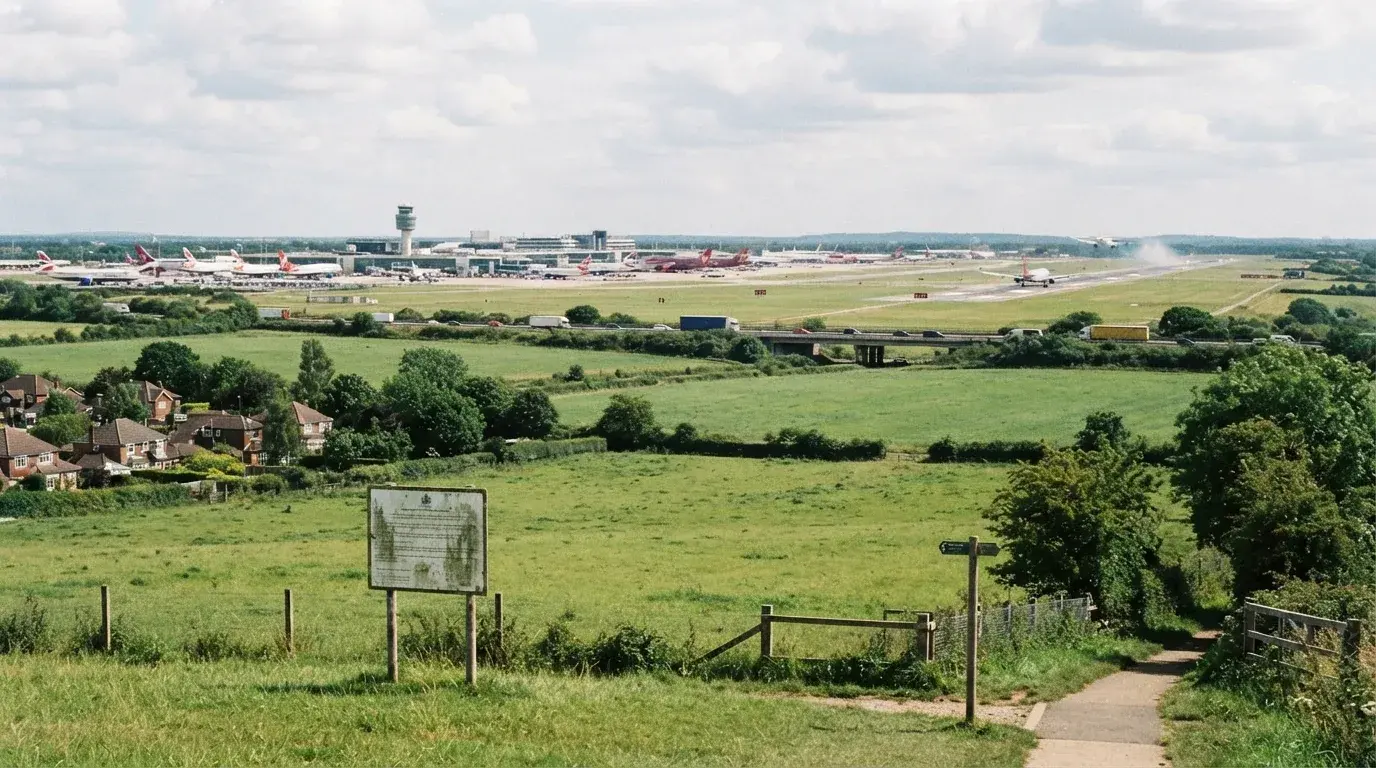
This logistical hurdle echoes challenges faced by other peripheral airports, like Brussels-Charleroi or London-Gatwick. Yet Australian authorities are banking on future rail network development, slated for no earlier than 2027. Until then, WSI must rely on local passengers or travelers willing to pay for a combined journey.
For airlines, this limited accessibility means emphasizing airport codes. WSI and SYD are distinct platforms: an itinerary combining both requires meticulous ground transfers. A detail international travelers must factor into their bookings.
Cargo Already in Motion, Passengers Next
While passenger operations officially begin on October 25, cargo has already taken off. As early as July 2026, Qantas Freight tested operational procedures with an A321 cargo jet, launching regular services on July 27. The new 24,000 m² terminal, capable of handling 850 tons of freight weekly, is banking on nighttime activity to stand out.
This head start in cargo could serve as a lever to attract mixed or cargo-specialized carriers. But for passengers, the real test will be WSI’s ability to become an indispensable hub—not just an alternative to Kingsford Smith. The challenge is significant: turning a costly infrastructure into a sought-after destination, despite modest initial traffic.
Sydney Gains a Second Tool, But the Market Remains to Be Won
With Western Sydney International, Australia aims to ease congestion at Kingsford Smith, which handled 172,000 passengers in August 2026. Yet recent history shows new airports struggle to gain traction quickly. In Europe, Berlin-Brandenburg or Istanbul New Airport took years to find their audience. In Sydney, the equation differs: the western region’s booming demographics could provide a natural customer base.
For travelers, WSI’s arrival means new travel options. For airlines, it’s an opportunity to rethink route strategies. But the airport’s success will also hinge on collaboration among local stakeholders—airlines, airport managers, and authorities. Without it, Western Sydney International risks remaining an ambitious yet underused project.
In the meantime, the first passengers to step into this gleaming new terminal on October 25 will serve as guinea pigs. Their experience will determine whether Sydney truly needs a second airport… or if Kingsford Smith remains the beating heart of Australian air transport for years to come.
Key Takeaways
Western Sydney International is banking on three strengths: 24/7 operations, proximity to half of Sydney’s future population, and ideal nighttime slots for long-haul connections. Yet its success hinges on attracting airlines, improving ground access, and converting demographic potential into real traffic. For now, the schedule is light, and the airport must prove it deserves its place in the global aviation landscape.
Be the first to comment on this article