Toulouse-Blagnac bets on A330neo and A321XLR to revolutionize long-haul flights this winter
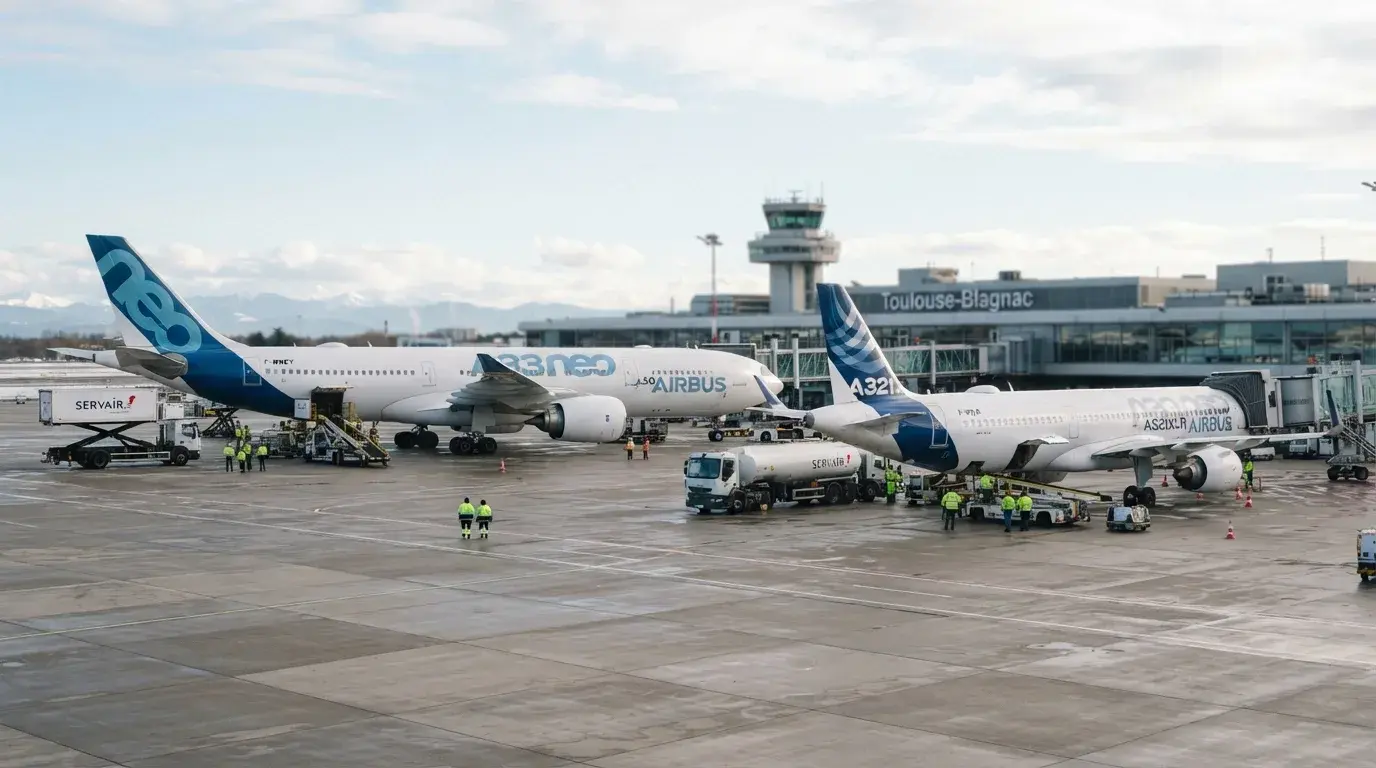
With over 70 direct destinations this winter—including a world-first Airbus A330neo service to Pointe-à-Pitre and five weekly Airbus A321XLR flights to Montreal—Toulouse-Blagnac is positioning itself as Europe’s most innovative long-haul hub. The airport is leveraging cutting-edge aircraft and strategic partnerships to attract both business travelers and tourists seeking nonstop access to distant destinations. From expanding transatlantic routes and strengthening services to Africa and the Middle East to modernizing its fleet, the Occitanie airport is reshaping the future of air transport.
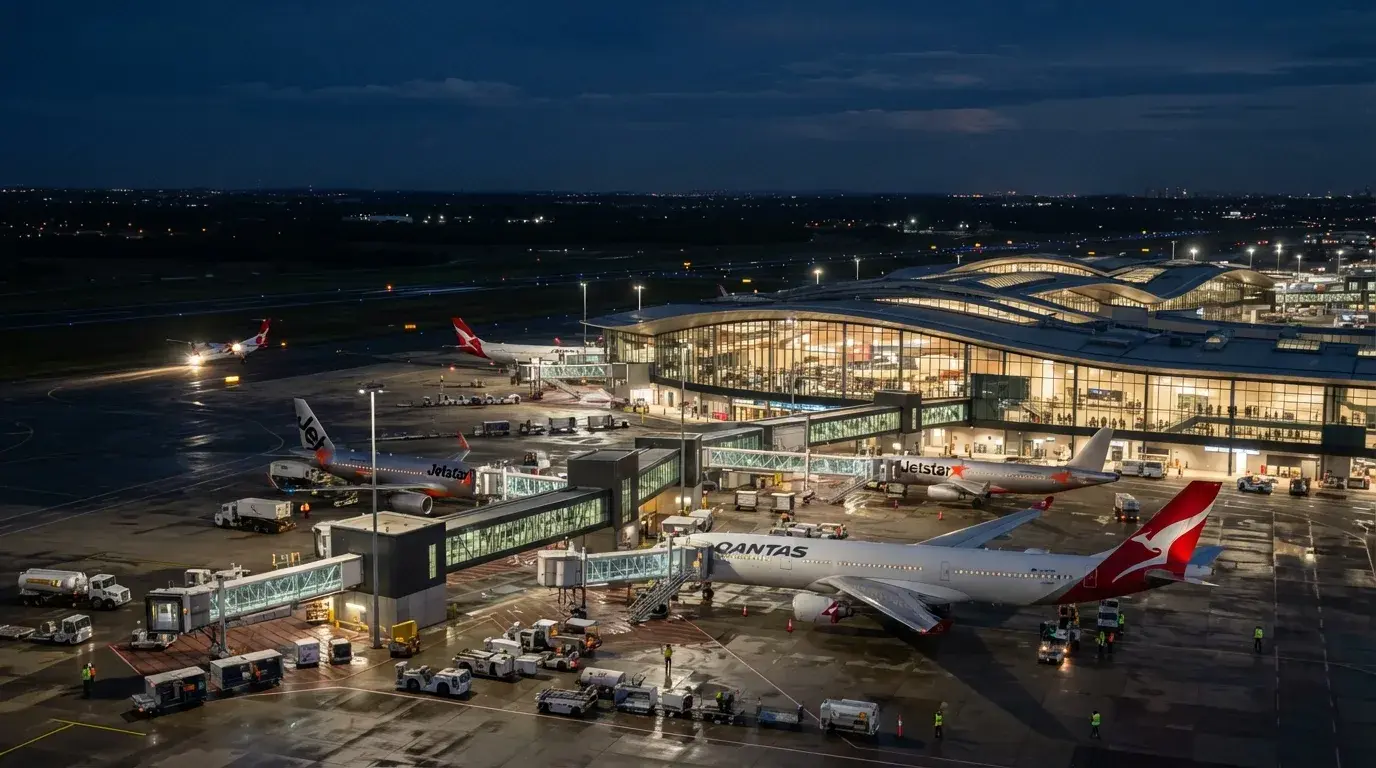
The 2026-2027 winter program at Toulouse-Blagnac marks a turning point with the introduction of two next-generation aircraft: the Airbus A330neo and the A321XLR. These single-aisle and long-range twinjets enable the hub to offer direct flights to destinations previously inaccessible without a connection, while reducing operational costs for airlines. Corsair, which is launching a service to Guadeloupe, and Air Canada, which is maintaining five weekly rotations to Montreal, exemplify this renewal trend. “The arrival of these aircraft transforms our ability to serve markets that were previously dependent on Paris or Lyon hubs,” explains an airport spokesperson.
Pointe-à-Pitre on A330neo: a European first for Corsair
Corsair is making a bold move with the launch of its Toulouse–Pointe-à-Pitre route on December 16, 2026. Operated with an Airbus A330-900neo, this is Europe’s first direct service linking Occitanie to the Caribbean. A weekly flight every Wednesday, with a capacity of 287 seats across two classes, aims to facilitate travel for sun-seekers and overseas students returning home. “This flight aligns with a strategy to reduce isolation for overseas territories and strengthen economic ties between mainland France and Guadeloupe,” Corsair states in a press release. The airline is also partnering with local operators to offer packages including stays in Saint-Barthélemy or Marie-Galante.
This new route complements Corsair’s existing service to Réunion Island, further solidifying its position as a major long-haul player from Toulouse. Unlike other Indian Ocean destinations, Pointe-à-Pitre is served nonstop—a major advantage for time-sensitive travelers or those looking to avoid connections in Paris or Marseille. The airport also highlights the positive impact on Caribbean tourism, with a projected 15% increase in bookings for the December-April period.
Montreal on A321XLR: Air Canada’s winning bet
Air Canada is doubling down on Toulouse with five weekly flights to Montreal this winter, operated with the Airbus A321XLR. The aircraft, capable of connecting the two cities in 8.5 hours nonstop, features a Signature Class with 180-degree lie-flat seats and high-speed connectivity. “Toulouse has become a strategic axis for our European network, with traffic up 20% since 2025,” says an airline spokesperson. The A321XLR allows Air Canada to offer a long-haul product on a single-aisle aircraft, cutting costs while maintaining high comfort levels.
For travelers, the benefits are twofold: fares often lower than those for connecting flights, and significant time savings. Montreal, beyond being a destination in itself, serves as a hub to the rest of Canada and the United States, where passengers can complete U.S. customs formalities before departure. Aéroports de Montréal notes that baggage is automatically transferred for connections to the U.S., streamlining the journey. “This setup eliminates additional queues upon arrival—a major time-saver for business travelers,” adds Air Canada.
Toulouse-Blagnac is banking on this route to attract high-end clientele, including aerospace professionals and Canadian tourists eager to explore southern France. Economic spillovers are already visible: winter season bookings are up 12% compared to 2025, with strong demand for weekend departures.
Africa and the Middle East in the crosshairs
While transatlantic routes grab headlines, Toulouse-Blagnac is diversifying its offering toward Africa and the Middle East—two regions booming for both business and leisure travel. Marrakech, Casablanca, and Tunis are seeing increased frequencies, while destinations like Abu Dhabi and Dubai remain accessible via connections in major European hubs. EasyJet, which is boosting its Marrakech service with three additional weekly frequencies, is targeting sun-seeking travelers with short, affordable getaways.
Strengthening connections: a traveler’s advantage
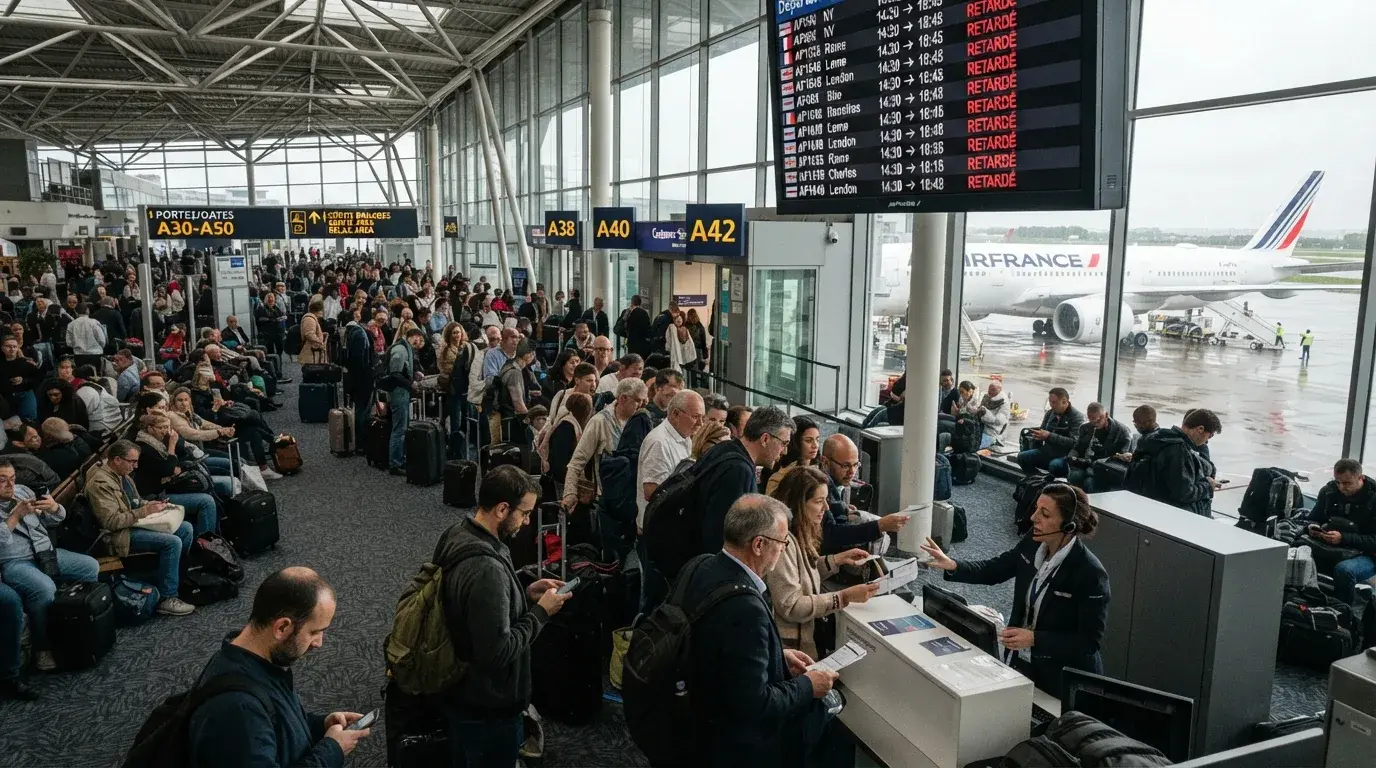
With eleven connecting platforms this winter—including Paris-CDG, Amsterdam, and Istanbul—Toulouse-Blagnac is positioning itself as a gateway to distant destinations. Travelers can connect from Montreal to Tokyo in a single stop via Paris, or continue to Asia via Amsterdam with KLM. “These connections are a growth lever for the airport, as they attract passengers who wouldn’t have considered Toulouse as a starting point,” explains an industry analyst. The modernization of infrastructure, including expanded boarding zones, aims to ease these transits and reduce wait times.
Partner airlines like Lufthansa for Munich or Turkish Airlines for Istanbul play a key role in this strategy. Their presence allows Toulouse to tap into their long-haul networks while offering local passengers options to reach destinations like New York, Dubai, or Bangkok. “We’ve seen an 8% increase in connections via our hubs since the arrival of new partners,” confides a Lufthansa spokesperson.
A winter of modernization
Beyond new routes, Toulouse-Blagnac is focusing on fleet modernization to enhance the passenger experience. Transavia, which now operates nine daily flights to Paris-Orly, will transition to the Airbus A320neo starting December 6, 2026. The aircraft, more fuel-efficient and quieter, reduces the carbon footprint of flights while increasing rotation frequency. “Business travelers, in particular, appreciate the reliability of departures and the punctuality of the service,” notes a Transavia spokesperson.
Volotea, for its part, is adding two new winter destinations: Pisa and Fuerteventura. Combined with the arrival of the A320neo on the Paris route, these openings should help the airport consolidate its position as a major regional hub. “We’re seeing a 25% increase in bookings for chartered flights to Lapland and the Six Nations Tournament, proof that Toulouse is attracting a diverse clientele,” explains Toulouse-Blagnac.
Economic outlook and challenges
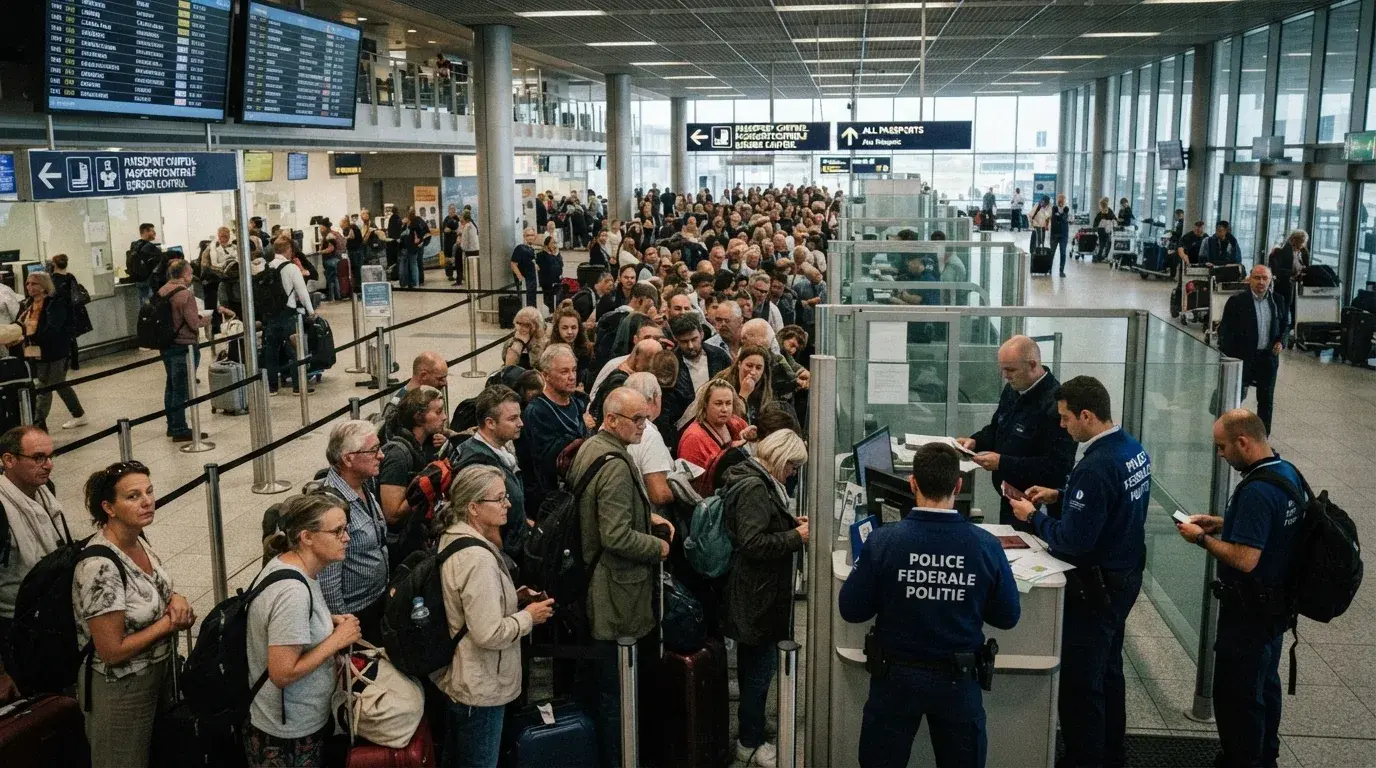
With traffic up 10% compared to winter 2025, Toulouse-Blagnac anticipates significant economic spillovers for Occitanie. Tourism, hospitality, and catering sectors are expected to benefit from this momentum, with a projected 15% rise in traveler spending. However, the airport remains vigilant about logistical challenges, particularly in managing connections and passenger boarding.
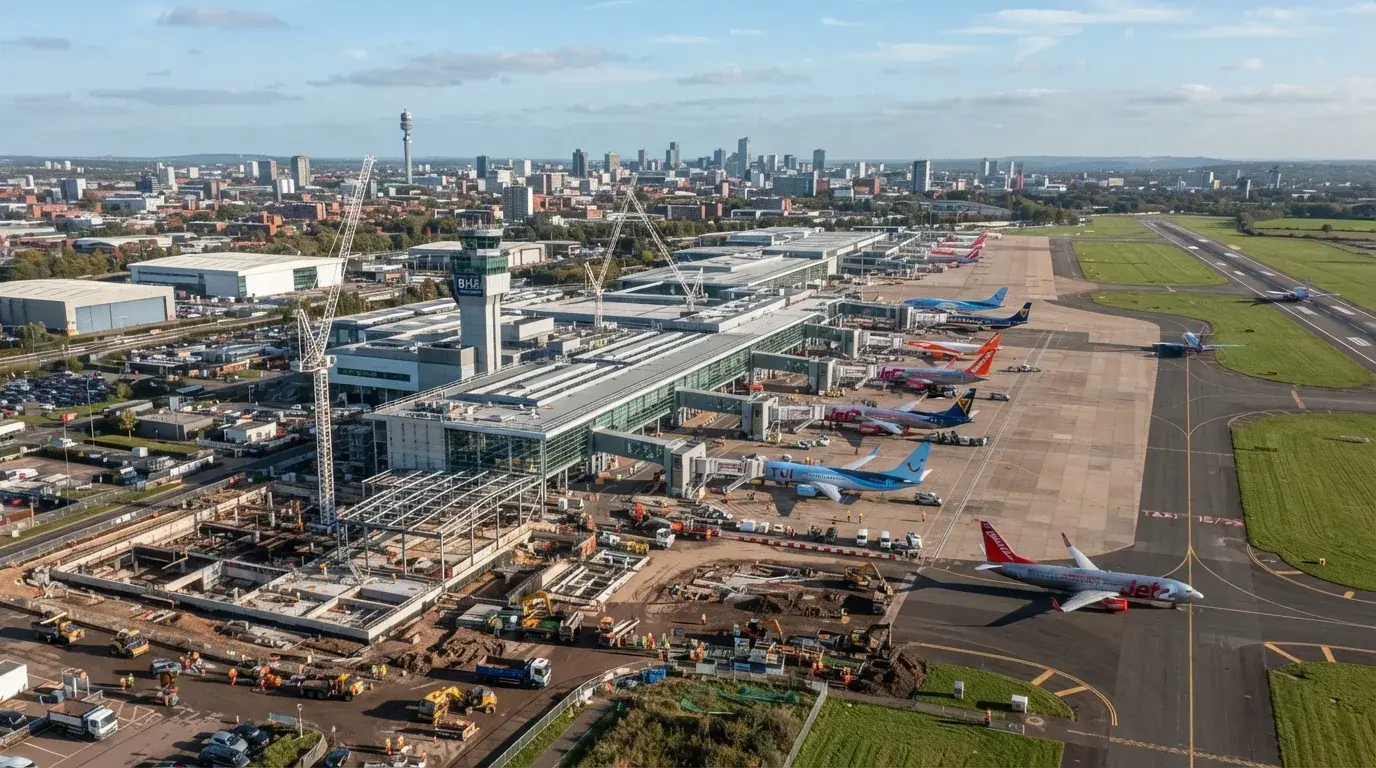
“The arrival of the A330neo and A321XLR sends a strong signal for the European aerospace industry, but it also comes with new demands in crew training and aircraft maintenance,” explains an industry expert. Toulouse-Blagnac has invested €50 million in infrastructure upgrades, including expanded boarding zones and improved baggage handling systems.
In conclusion, the 2026-2027 winter season is shaping up to be a pivotal period for Toulouse-Blagnac. Between technological innovation, route diversification, and strengthened partnerships, the Occitanie airport is positioning itself as a key player in European air transport. Travelers—whether for business or leisure—will find an offering tailored to their needs, with direct flights to distant destinations and an unprecedented level of comfort for a hub of this size.
Key takeaways
The 2026-2027 winter program at Toulouse-Blagnac stands out for three major pillars:
Technological innovation with the arrival of the A330neo and A321XLR, two aircraft revolutionizing long-haul travel by cutting costs and enhancing comfort.
Route diversification to the Caribbean, Africa, and the Middle East, with direct services that eliminate tedious connections.
Strengthened connections to major European and North American hubs, providing travelers with simplified access to distant destinations.
These strategic choices should help Toulouse-Blagnac confirm its place among Europe’s most dynamic airports, while attracting an increasingly discerning clientele in terms of quality and speed.
Be the first to comment on this article
On the same topic
- Emirates reinvents its fleet: Why the 777X could replace 35 Dreamliners
- British Airways Revives East Africa Routes: Kilimanjaro and Zanzibar from London
- RwandAir bets on long-haul with four additional Airbus A330-200s: here are the targeted destinations
- Emirates Weighs Swapping Boeing 787s for 777Xs: A Strategic Shift That Could Transform Long-Haul Travel
- Air Canada Launches A321XLR on Lyon Route: The Long-Haul Revolution Transforming Travel
- Lufthansa Challenges Boeing with Shark Skin on A330: A Green Revolution Reshaping Air Travel