Lufthansa Challenges Boeing with Shark Skin on A330: A Green Revolution Reshaping Air Travel
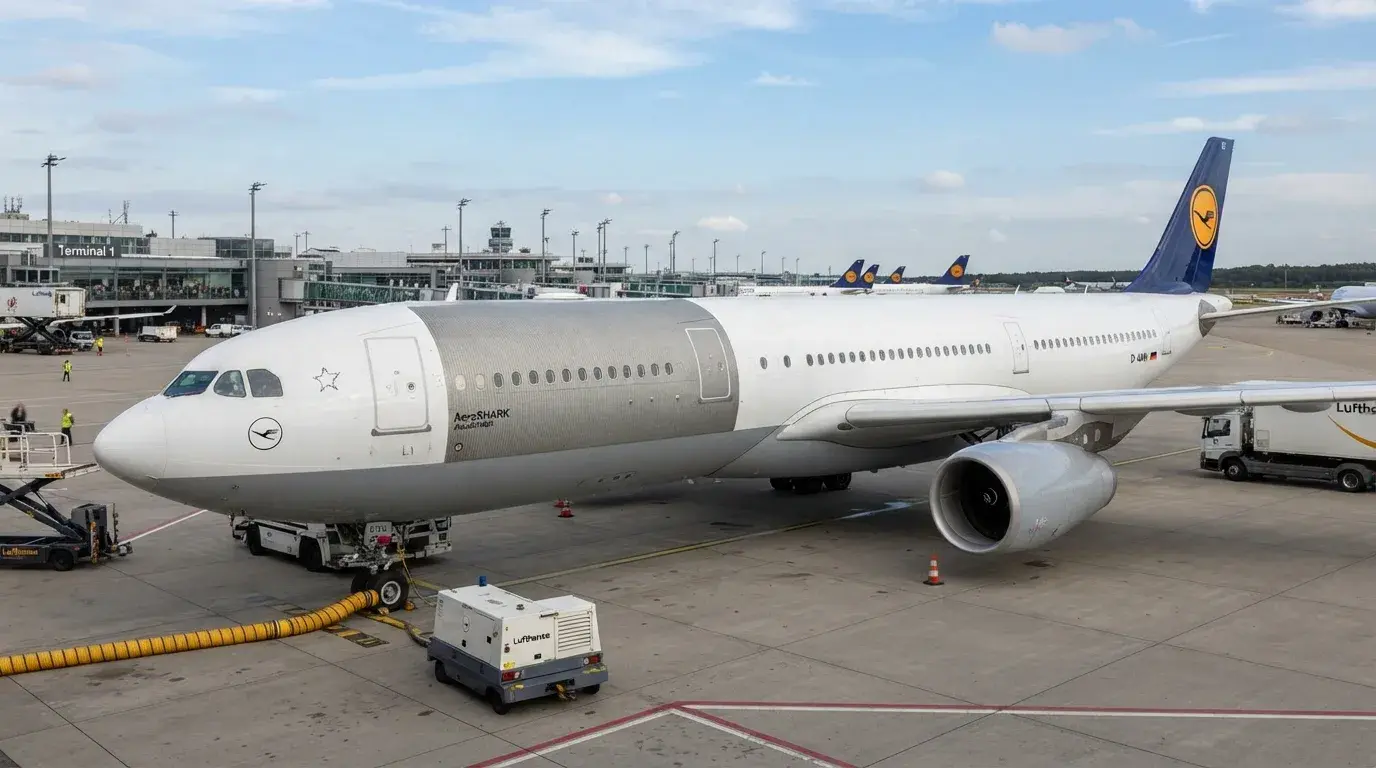
German carrier Lufthansa is once again pushing the boundaries of sustainable aviation. Following the successful deployment of AeroSHARK technology on its Boeing 777 fleet, the airline is now extending this groundbreaking solution to its Airbus A330 aircraft. A major leap forward that could redefine energy efficiency standards in air transport. Why does this innovation mark a turning point for travelers?
This shark-skin-inspired technology consists of an adhesive film featuring micro-grooves just 50 micrometers high. Once applied to the fuselage and engine nacelles, it reduces aerodynamic drag, enabling fuel savings of around 1% per flight. While this may seem modest, for a long-haul workhorse like the A330, it translates into a significant reduction in CO₂ emissions. For you, this means slightly cheaper airfares and a reduced environmental footprint.
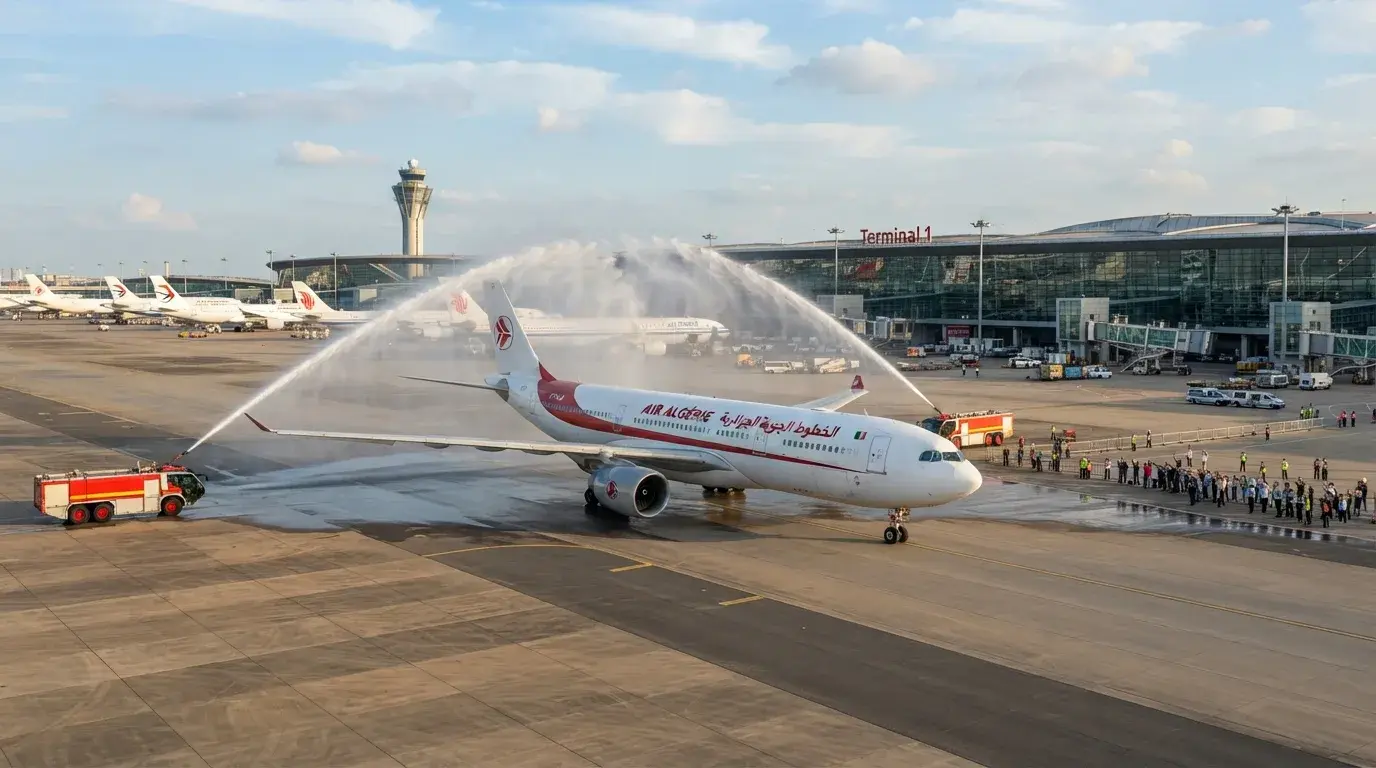
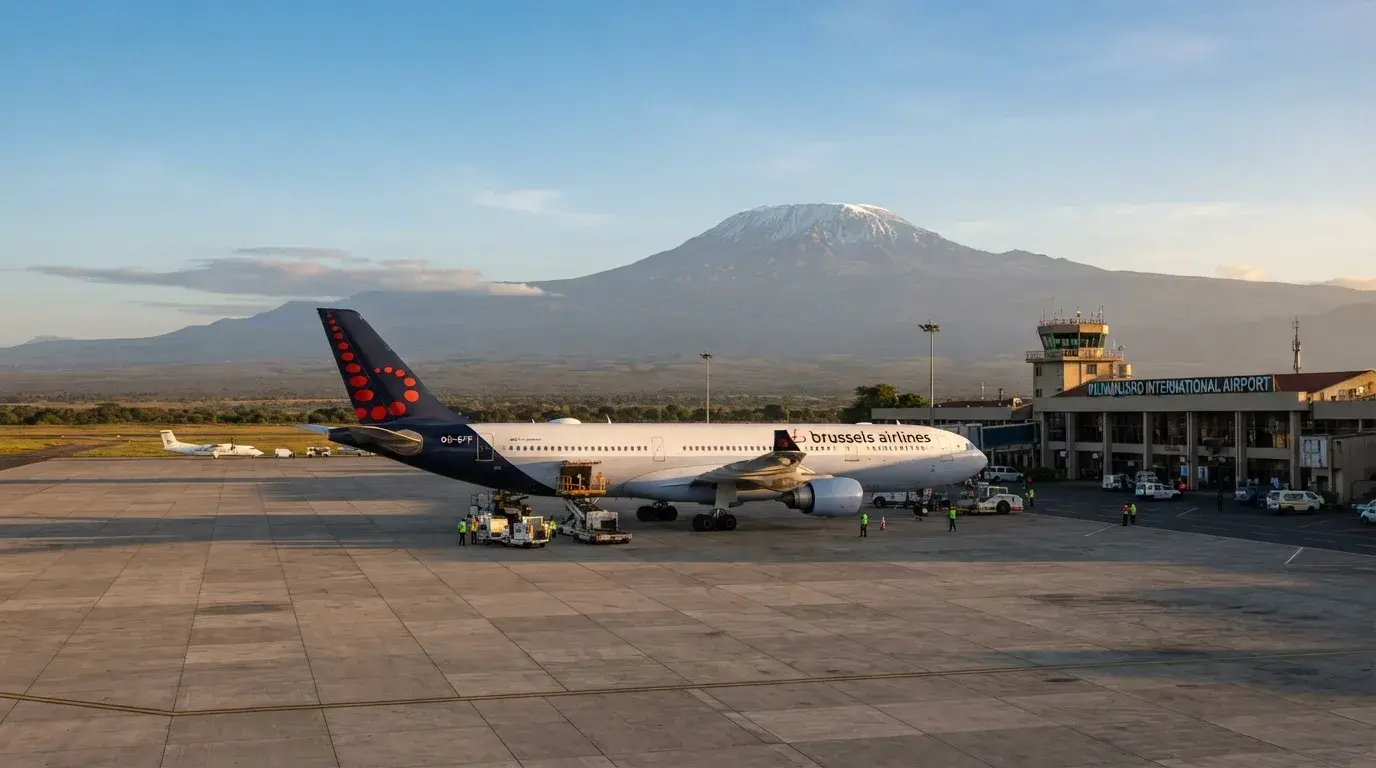
Lufthansa Technik has selected a Discover Airlines A330-300 for these trials, a crucial step before obtaining EASA certification. If results prove conclusive, this solution could be rolled out across all A330-200 and A330-300 aircraft in service, offering a new lease of life to these already widely deployed planes. An opportunity for airlines to modernize their fleets without investing in new aircraft.
But that’s not all. Lufthansa is already working on an even more advanced version of AeroSHARK, this time targeting the wings and tailplanes of Airbus aircraft. If successful, efficiency gains could double from 1% to 2% per flight. A tantalizing prospect for airlines and for you, carbon-conscious travelers.
Why this technology could become the gold standard in aviation
The aviation sector faces mounting pressure to cut CO₂ emissions. With over 2,000 Airbus A330s still in service worldwide, widespread adoption of AeroSHARK could have a major environmental impact. Picture this: if all these aircraft were equipped, it would save thousands of tons of fuel every year. A breakthrough that could become a key commercial argument for airlines.
Lufthansa is not alone in this race. Other carriers like LATAM, ANA and EVA Air have already adopted AeroSHARK on their Boeing 777 fleets. The technology is already proven, and its extension to the A330 could accelerate large-scale adoption. For you, this means greener flights, even if you don’t change your travel habits.
Moreover, this innovation aligns with a broader industry drive to make aviation more sustainable. With increasingly stringent environmental regulations, airlines must find solutions to remain competitive while meeting standards. AeroSHARK could well become a must-have, much like more fuel-efficient engines or sustainable aviation fuels.
A cost-effective investment for airlines
For airlines, adopting AeroSHARK represents a modest investment compared to purchasing new aircraft. The adhesive film is relatively inexpensive to produce, and its application requires no major structural modifications. An ideal solution for carriers looking to reduce operating costs without sacrificing their existing fleets.
Take Discover Airlines as an example: by equipping its A330s with this technology, the airline could achieve substantial long-term savings. These gains could then be passed on to passenger fares, even if the reduction is likely to be minimal. But every little step counts, especially in a sector as competitive as aviation.
And there’s more. Airlines could also leverage this innovation to enhance their brand image. In a context where travelers are increasingly sensitive to the environmental impact of their journeys, a carrier that adopts sustainable solutions stands out. A powerful argument to attract eco-conscious customers.
How AeroSHARK could transform your next flights
If you’re planning to travel soon, you might soon benefit from this technology without even realizing it. Imagine a long-haul flight where the aircraft is equipped with AeroSHARK: you’ll enjoy a more fuel-efficient journey, which could translate into slightly lower fares. And above all, you’ll travel with the satisfaction of knowing your flight has a reduced environmental impact.
Furthermore, if AeroSHARK becomes an industry standard, you could see a gradual improvement in aircraft performance. Less aerodynamic drag means smoother, quieter flights. A more pleasant travel experience for all passengers.
Finally, this innovation could pave the way for other technological breakthroughs. If Lufthansa proves this solution is viable on the A330, other manufacturers could draw inspiration to develop similar technologies. This could even accelerate the adoption of even more advanced solutions, such as hydrogen or electric-powered aircraft.
For now, trials on the A330 are ongoing, and EASA certification will be required before this technology can be widely adopted. But one thing is certain: AeroSHARK represents a significant step in aviation’s ecological transition. And for you, travelers, it could well change the way you view your next flights.
A technology to watch closely
If you’re an aviation enthusiast or simply a traveler concerned about the environment, keep an eye on Lufthansa’s and EASA’s announcements. Certification of AeroSHARK on the A330 could be welcome news for everyone. And who knows? In a few years, every aircraft you board might be fitted with this high-tech shark skin. A prospect that could well redefine the future of air transport.
Be the first to comment on this article
On the same topic
- Emirates reinvents its fleet: Why the 777X could replace 35 Dreamliners
- British Airways Revives East Africa Routes: Kilimanjaro and Zanzibar from London
- RwandAir bets on long-haul with four additional Airbus A330-200s: here are the targeted destinations
- Emirates Weighs Swapping Boeing 787s for 777Xs: A Strategic Shift That Could Transform Long-Haul Travel
- Air Canada Launches A321XLR on Lyon Route: The Long-Haul Revolution Transforming Travel
- Emirates Revolutionizes Premium Economy with Electric Seats and Adjustable Partitions on A350