Magnifica Air targets accessible luxury: How this new airline aims to woo discerning travelers without private jet prices
A firm order for ten Airbus ACJ220-300s signed by U.S. startup Magnifica Air, cabins configured for just 45 to 54 passengers, and a positioning dubbed “Private Class”: the young airline aims to upend the codes of high-end air travel. Positioned between first class on major airlines and private aviation, its offering promises an unprecedented compromise—with fares well below private sector standards. Yet behind this ambitious project lurk lingering uncertainties, particularly regarding its launch timeline and operational feasibility.
Since its founding in Florida, Magnifica Air has pursued a radical strategy to stand out. Rather than engaging in a race to the bottom on fares like low-cost carriers or settling for the premium offerings of traditional airlines, the company is banking on an experience inspired by private aviation but accessible to a broader clientele. Its pitch hinges on a simple promise: unrivaled cabin space, highly personalized services, and a seamless journey from terminal to runway. The goal? To offer a credible alternative to whole-aircraft charters, often out of reach for individual travelers or small groups.
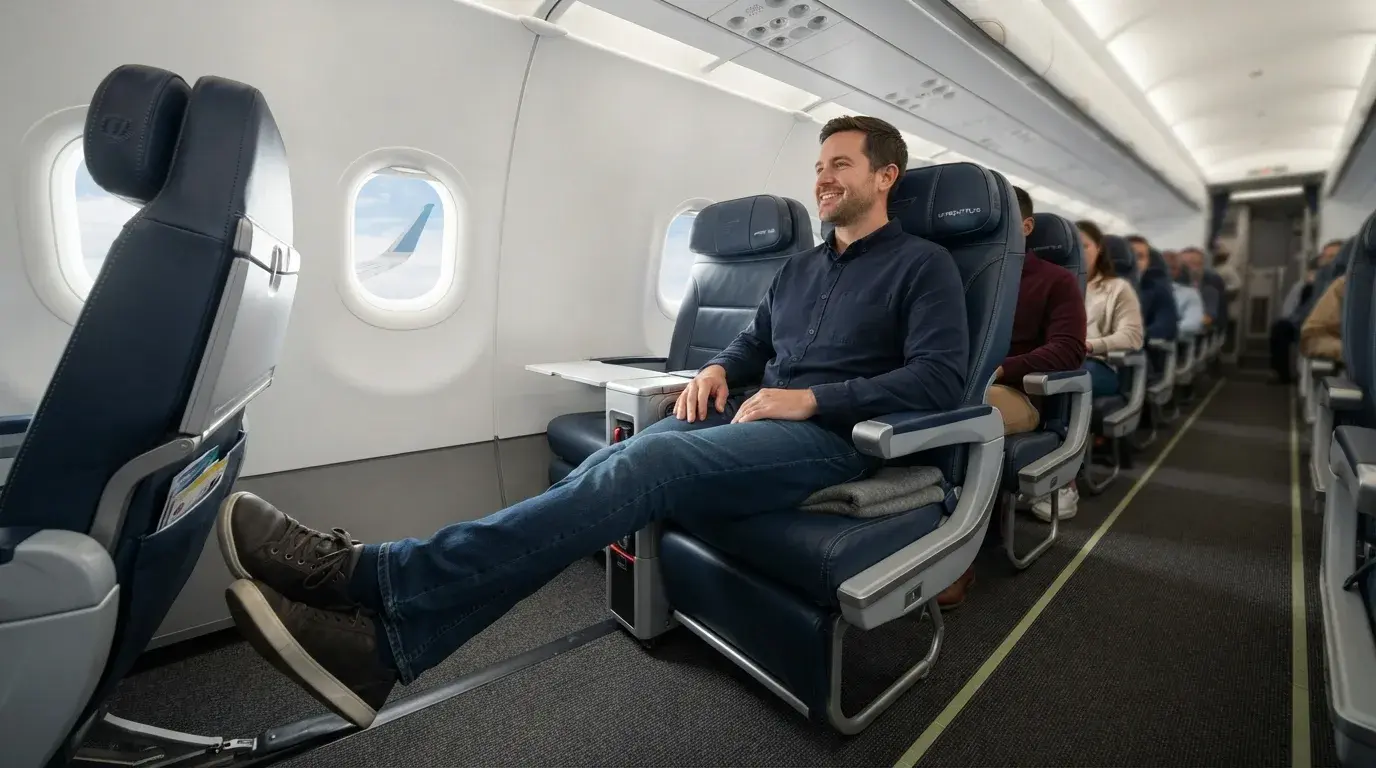
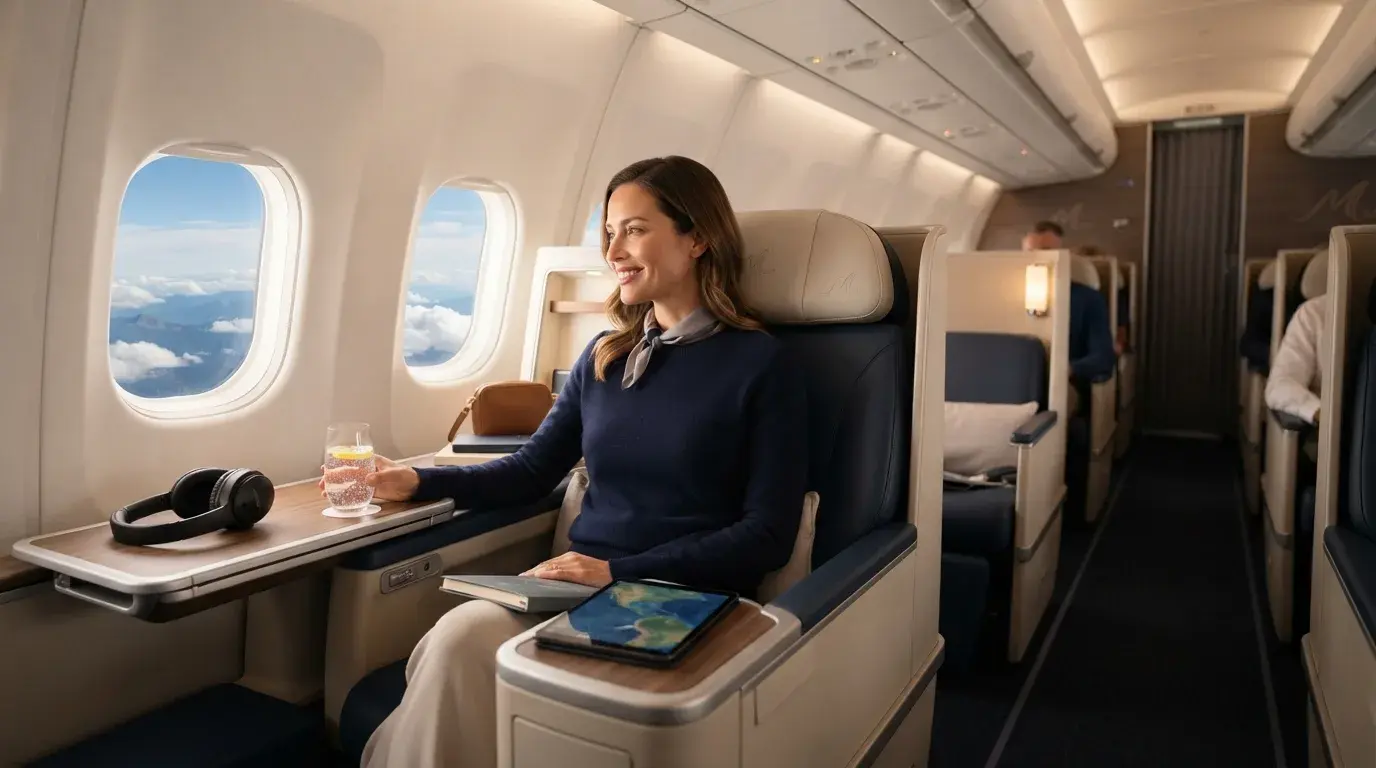
To deliver on this vision, Magnifica Air is building a fleet of commercial aircraft custom-fitted for its needs. The ten ordered Airbus ACJ220-300s join a planned fleet of 17 aircraft, including three ACJ321neos. According to early announcements, cabins will accommodate just 45 to 54 passengers—far fewer than standard airlines—with two to four private suites depending on the aircraft type, alongside business-class seating. A layout reminiscent of private jets, but with far lower operating costs thanks to the use of airliners.
Magnifica Air’s business model rests on several pillars. First, the use of modern, fuel-efficient aircraft like the ACJ220-300, which boasts a range of up to 4,000 nautical miles (about 7,400 kilometers). This allows the airline to connect major U.S. cities and even destinations in Europe or the Caribbean. Second, the company is integrating services vertically, from dedicated terminals to organized transfers and digitalized operations. The idea is to control every step of the journey—from booking to landing—to deliver a frictionless, high-end experience.
On paper, the concept is compelling. But critical questions remain. The launch timeline is unclear: while Magnifica Air initially targeted a 2027 start, recent reports suggest early 2028. Certification with the Federal Aviation Administration (FAA) is another gray area—the first aircraft were meant to contribute to a certification program, yet no carrier certificate has been secured. The company has also not disclosed the contract value with Airbus or delivery terms for the ten new aircraft—details that could sway both travelers and investors.
A “Private Class” straddling two worlds
Magnifica Air’s positioning sits at the intersection of multiple industries. On one side, it targets travelers accustomed to first or business class on traditional airlines but seeking a more intimate, personalized experience. On the other, it appeals to private aviation clients looking to cut costs while maintaining a comparable level of service. To win over this discerning clientele, Magnifica Air is leveraging three key advantages.
The first is cabin space. With a reduced density of 45–54 passengers, travelers enjoy unparalleled comfort compared to regular flights. Private suites, lie-flat reclining seats, and dedicated workspaces evoke private jet layouts. The second lever is service personalization: from dedicated private terminals where concierge teams handle needs before takeoff. The third is flexibility—unlike charter flights or private jets, Magnifica Air plans to offer schedules and routes tailored to member demand, without the constraints of an entire aircraft charter.
To bring this vision to life, the company has partnered with industry leaders. Comlux, a specialist in private jet interiors, is involved in cabin design, while Air Lease Corporation provides aircraft on lease, allowing Magnifica Air to avoid tying up capital in fleet purchases—a strategy reminiscent of low-cost carriers but adapted for the premium segment.
Wade Black, Magnifica Air’s CEO, summed up the company’s ambition in one sentence: “Airbus is more than an aerospace manufacturer. They understand premium travel and the evolution of the business aviation market.” For the European airframer, this collaboration represents an opportunity to strengthen its foothold in a growing segment: commercial aircraft customized for premium clientele. The ACJ220-300, with its Skywise digital tools, offers an ideal foundation for this experience, combining range, fuel efficiency, and operational flexibility.
Digital tools for optimized operations
Innovation at Magnifica Air extends beyond cabin design. The company has invested in an integrated digital platform based on Airbus’s Skywise solutions. This suite of tools, called Skywise Core X1, centralizes operations, crew, and technical data management. The dual objective: boost operational efficiency and deliver a seamless travel experience.
For a company still in its formative stages, this approach is a game-changer. Magnifica Air can build its operational framework in parallel with fleet deployment and cabin customization. Skywise tools link real-time needs across control centers, crews, and technical services—a critical integration for a carrier aiming for rapid scaling and optimized resource management.
Key features of Skywise Core X1 include flight preparation, operations and crew management, and navigation databases. These tools enable route planning, maintenance forecasting, and cost optimization. For a company banking on personalized service, this platform is a major asset to ensure a consistent experience, regardless of the journey.
The adoption of Skywise isn’t incidental. Airbus positions this solution as a way to reduce operating costs and enhance safety—two critical challenges for a new airline. By centralizing data and automating tasks, Magnifica Air can focus on its core mission: delivering a premium travel experience without the hassles of traditional carriers.
A market ripe for renewal
The launch of Magnifica Air arrives at a pivotal moment for air transport. Years after the pandemic, traditional airlines are still struggling to recover pre-2020 traffic levels. Meanwhile, private aviation remains out of reach for most due to prohibitive costs. Between these extremes lies a niche to explore: travelers willing to pay more for superior service, but without private jet price tags.
Several players have attempted to carve out this space in recent years. In the U.S., startups like Ada Air or Surf Air have offered subscription-based small-group flights with fixed fares and member-only aircraft. In Europe, similar initiatives have emerged, but none have yet achieved lasting success. Magnifica Air could change the game thanks to its Airbus partnership and integrated travel approach.
The company’s target market is vast. It’s aiming primarily at business travelers on medium-haul routes, as well as affluent tourists seeking to avoid the crowds of commercial flights. Envisioned destinations include Miami, New York, Los Angeles, the San Francisco Bay Area, Dallas, Houston, and seasonal routes to Napa Valley and the Caribbean. Long-term, the airline could explore European connections thanks to the ACJ220-300’s range.
Yet Magnifica Air’s success hinges on several factors. First is its ability to attract a loyal customer base willing to commit to subscriptions or packages. Second is logistical management, particularly maintenance and aircraft rotation. Finally, the airline must prove it can deliver on its promises without the delays or unpredictability often plaguing private flights.
For now, Magnifica Air remains an ambitious project still in the works. But if it can resolve the uncertainties surrounding its timeline and certification, it could become a major player in premium air travel—redefining expectations for discerning travelers.
What’s next for premium commercial aviation?
The arrival of Magnifica Air raises a broader question: the evolution of air transport toward hybrid models blending commercial flights and private aviation. This isn’t new, but it’s taking on new dimensions with startups like Magnifica Air or Breeze Airways, which is betting on a “premium light” business-class offering.
For traditional airlines, this trend poses both a threat and an opportunity. On one hand, they risk losing passengers to more flexible, personalized offerings. On the other, they can draw inspiration from these models to rethink their own premium services. Several majors have already begun experimenting with low-density business-class configurations or additional onboard services. British Airways, for example, launched in 2023 its “The Apartment” program on Boeing 787s, offering a private suite on long-haul flights.
For travelers, this diversification is good news. It provides a wider range of options tailored to needs and budgets—whether for business trips, romantic getaways, or family travel. Magnifica Air could well be a link in this chain, offering a credible alternative to both commercial flights and private jets.
The big question is whether the project can overcome the hurdles ahead: certification, fleet management, and building a loyal customer base. But one thing is certain: with a firm order for ten ACJ220-300s and a clear vision of its positioning, Magnifica Air holds all the cards to become a cornerstone of tomorrow’s premium air travel.
Be the first to comment on this article
On the same topic
- Lufthansa and Airbus Celebrate 700th Delivery: A Centennial-Colored A350-1000 Joins the Fleet
- Lufthansa relaunches Frankfurt-Kuala Lumpur: Why this historic route is reshaping Southeast Asia
- TAP Air Portugal: Lufthansa may acquire 45% stake in a historic shake-up for European skies
- Ryanair Slashes Winter Frequencies to Counter Soaring Fuel Costs—Here’s How It Affects Your Travels
- Why European Airfares Will Skyrocket Until 2029: Expensive Fuel to Reshape the Industry
- TAP in search of a new partner: Why France and Germany are vying for the Portuguese flagship