Why European Airfares Will Skyrocket Until 2029: Expensive Fuel to Reshape the Industry
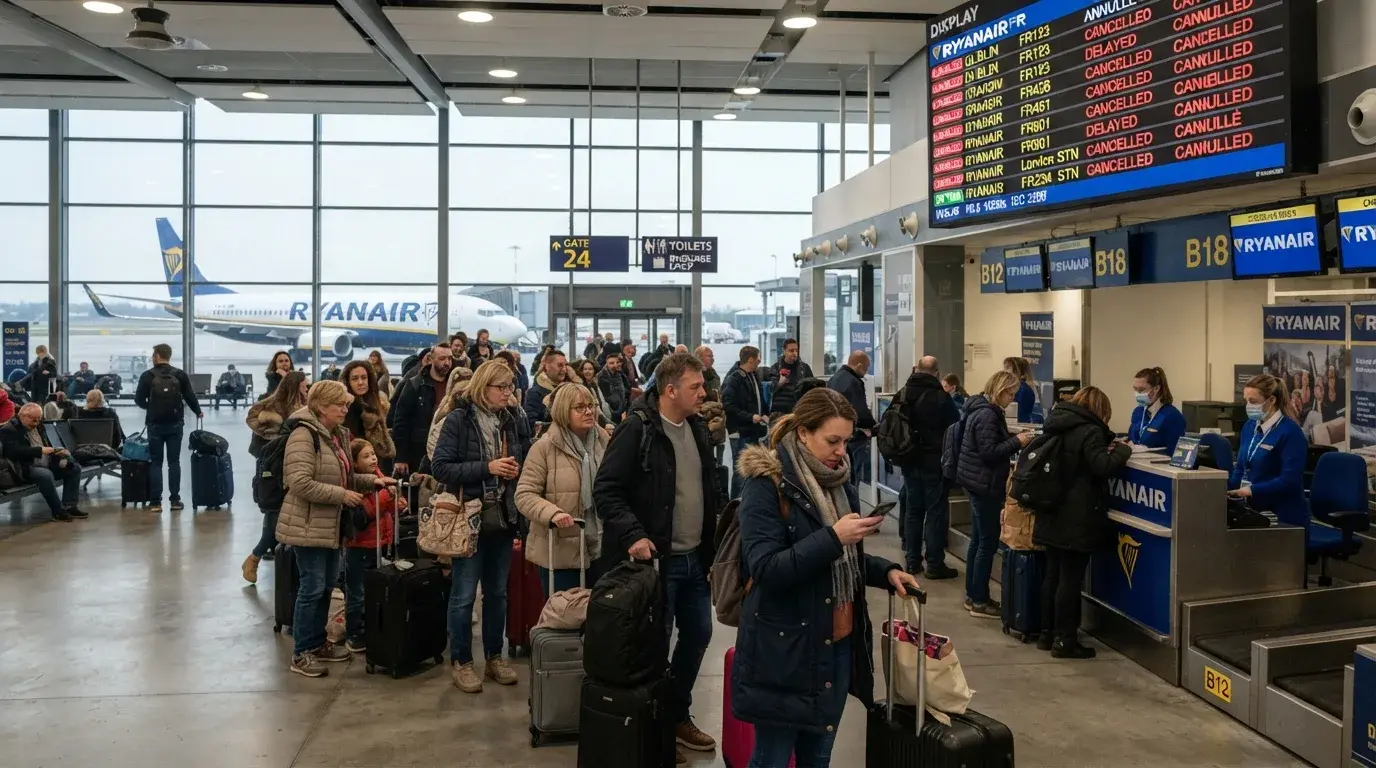
European airlines are bracing for a dark period ahead. Airfare prices could continue to soar over the next three years, and neither vacations nor sales will be able to curb them. Between sky-high fuel costs, strong demand, and limited production capacities, carriers have no choice but to pass these exorbitant expenses onto passengers. Michael O’Leary, CEO of Ryanair, confirmed it bluntly: kerosene will remain expensive until at least 2028, or beyond. A reality that will upend your travel plans.
The numbers speak for themselves. According to the latest estimates, European airlines could spend up to $42.9 billion more on fuel in the first eight months of 2026, a surge of over 30% compared to 2025. In the United States, Delta Air Lines has already slashed its profit forecasts by nearly 25% due to this price surge, despite strong demand. In Europe, the situation is just as critical. Airlines have been negotiating hedging contracts to mitigate the impact, but a portion of their needs remains exposed to market fluctuations. And the problem is, these costs are not about to drop anytime soon.
The conflict in the Middle East and attacks on refineries in Russia and the Middle East have reduced crude oil refining capacities into kerosene. The result? While Brent crude oil prices hover between $80 and $90 per barrel, aviation fuel is trading at significantly higher levels—sometimes up to 50% more expensive than what the industry is used to. “Historically, kerosene was 10 to 15% more expensive than Brent crude. Today, it’s at a record high,” explains Michael O’Leary. For passengers, this means airlines will have no choice but to pass these additional costs onto fares. And the first increases could already be felt as early as winter 2026-2027.
Analysts are wondering: how far will these hikes go? Airlines have already started adjusting their programs to limit their exposure. easyJet has reduced its winter 2026-2027 capacity by nearly 3%, and Ryanair has even lowered its annual passenger target by two million to avoid bearing the brunt of the price surge. But these measures won’t be enough to offset the soaring costs. Passengers will pay, period. And this time, it won’t be a temporary spike: forecasts indicate the situation could last until 2029, or even longer if geopolitical tensions persist.
Faced with this reality, travelers have several options. The first is to act early: book sooner than usual to secure still-affordable fares, even if they’ll be higher than before. The second is to favor airlines that, like Delta Air Lines, operate their own refineries to produce their own fuel and limit the impact of price hikes. But beware—even this strategy has its limits: Delta has still seen its profit forecasts drop by 25%, proving that no one is spared.
Airlines may tout strong demand, but with prices up nearly 25% over the past five months, airfares remain accessible to some, but for how long? Experts fear that if fares continue to rise, some travelers may postpone their plans or turn to cheaper alternatives like trains or road trips. But these options aren’t always viable, especially for long-haul trips or family vacations. In this context, air travel remains the most practical mode of transport, even as it becomes increasingly expensive.
One thing is certain: European airlines will face tough choices ahead. Some may reduce capacity on less profitable routes, as United Airlines has already done by canceling December flights. Others may merge or increase cooperation to share costs. But one thing is clear: passengers will foot the bill. And that bill could reach unprecedented heights over the next three years.
Airlines Under Pressure: What Strategies Are They Using to Mitigate the Damage?
To cope with rising fuel costs, European and U.S. airlines are deploying several strategies. Some, like Ryanair, are cutting capacity to limit exposure. The Irish low-cost carrier has already trimmed its 2026-2027 winter program by nearly 3% and could go further if kerosene prices don’t drop. Others, like Delta Air Lines, leverage their refineries to produce their own fuel and partially offset price hikes—but this solution is only accessible to a handful of carriers.
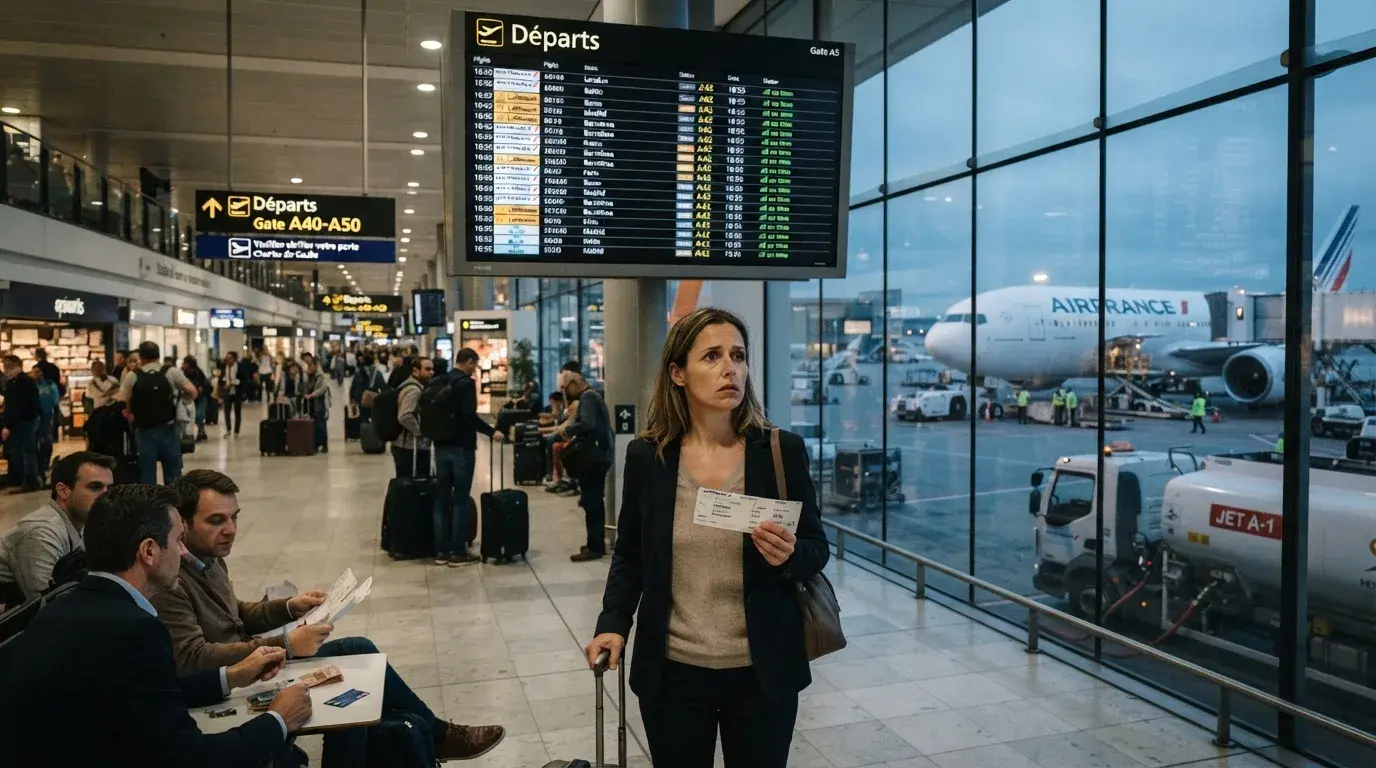
Traditional airlines like Air France-KLM or Lufthansa are also using hedging contracts to secure part of their fuel supplies. But these mechanisms only cover a portion of needs, leaving airlines exposed to market fluctuations for uncovered volumes. The result? Airfare prices will keep rising, even as airlines try to limit the damage. “We’ll all face a massive cost challenge next year,” warns Michael O’Leary. And that challenge is one passengers will have to bear.
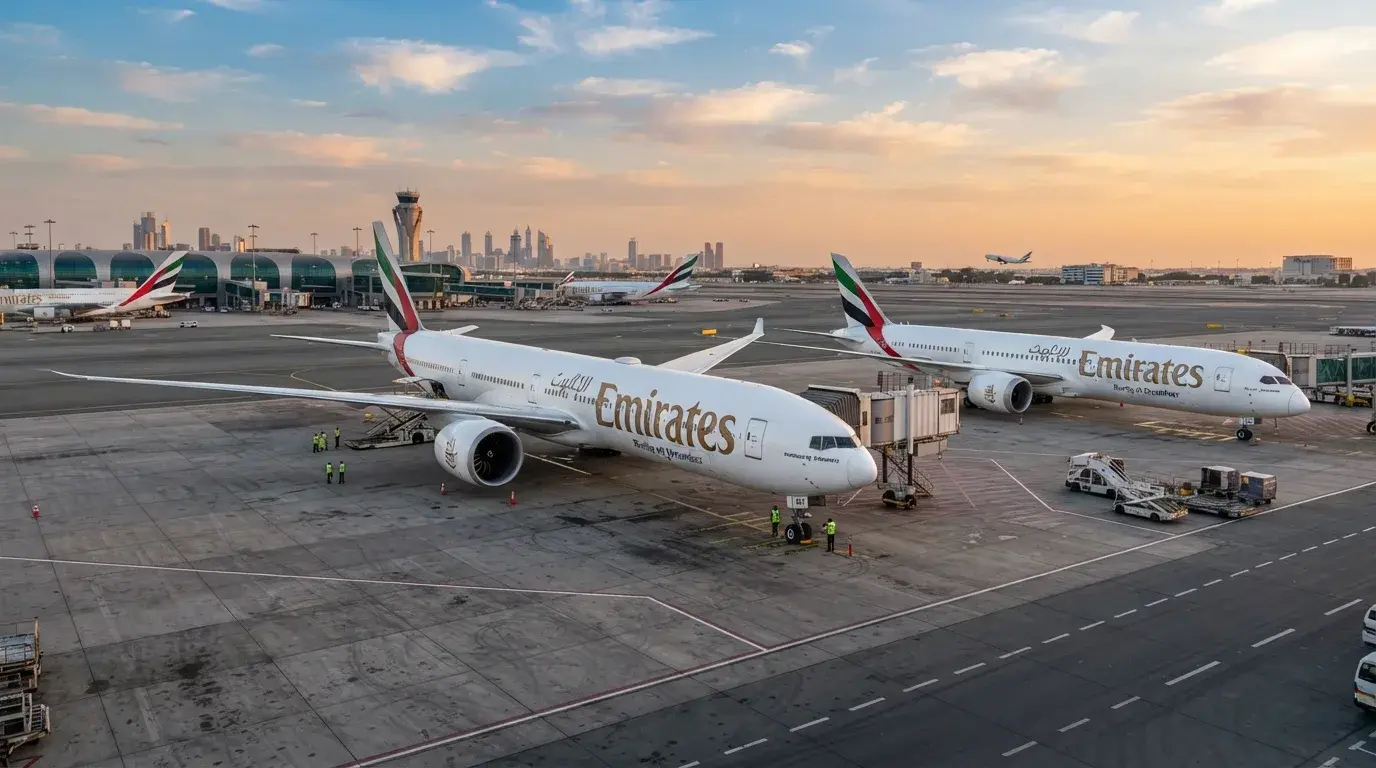
Another strategy involves reorganizing networks to prioritize the most profitable routes. Airlines are cutting less-trafficked lines or replacing them with smaller, more fuel-efficient aircraft. Emirates, for example, is considering converting part of its Boeing 787 Dreamliner order to the more efficient Boeing 777X. This transition could reduce operational costs, but it will take time. In the meantime, airlines have no choice but to pass these additional costs onto fares.
Some carriers, like American Airlines, are turning to innovation to attract travelers despite rising prices. The U.S. airline has announced the installation of Starlink, SpaceX’s satellite network, on over 1,000 of its aircraft. The goal: offer high-speed in-flight connectivity, a service that could justify higher fares for passengers seeking comfort. But this strategy won’t be enough to offset kerosene price hikes. Airfares will keep climbing, and airlines have no other choice.
How Will This Impact Your Next Trips?
If you’re planning to travel over the next three years, prepare to spend more. Airlines have no choice but to pass fuel cost hikes onto fares. Estimates suggest airfares could cost up to 25% more than before the energy crisis. For families, this means a significant jump in vacation budgets. For business travelers, it’s an added cost to factor into expense reports. And for low-cost carriers, it’s a major challenge: how can they continue attracting passengers with already high fares?
The first consequence of these price hikes will be a reduction in capacity on less profitable routes. Airlines will cut the least-trafficked flights or replace them with smaller aircraft. easyJet has already announced winter program reductions, and Ryanair may follow suit. The result? Some travelers may find themselves without direct flights to their preferred destinations, forced to take longer, costlier connections.
Another consequence will be higher fares on the most in-demand routes. Airlines will prioritize profitable routes, such as major European city pairs or high-season beach destinations. Prices could skyrocket on these routes, especially in July and August. To avoid paying a premium, travelers will have no choice but to book early or opt for off-peak periods like spring or autumn.
Finally, rising fuel costs could also lead to a reduction in in-flight services. Some airlines may eliminate free meals or limit entertainment options to cut costs. But this strategy is risky: passengers might switch to more generous carriers, even if their fares are higher. Airlines will need to strike a balance between higher prices and service quality to retain customers.
How to Travel Cheaper Despite Rising Prices
Faced with higher fares, travelers have several options to ease the impact on their budgets. The first is to book as early as possible. Airlines typically offer their best fares months before departure, and prices tend to rise as travel dates approach. By booking now for your 2027 vacation, you may still secure reasonable fares.
Another strategy is to favor airlines with refineries, like Delta Air Lines. These carriers produce some of their own fuel and are less exposed to price hikes. But this solution is only viable for travelers heading to the U.S. or countries where Delta operates. For Europeans, other alternatives will be needed.
Travelers can also avoid peak periods. Airfares surge during school holidays and long weekends. By opting for off-peak dates like May or early September, you could save hundreds of euros. Similarly, weekday flights are often cheaper than weekend ones. A little extra planning can make a big difference in ticket prices.
Finally, travelers should compare offers and explore all options. Booking platforms like Google Flights or Skyscanner allow you to compare fares across airlines and find the best deals. It’s also possible to combine multiple carriers to reduce costs, even if it means connections. But beware—this solution isn’t always ideal for families or time-pressed travelers.
One thing is certain: airlines won’t stop passing the buck. Passengers will need to adapt to a new reality where air travel becomes an increasingly luxury experience for the well-off. For others, the choice will be to plan ahead or accept higher costs. One thing is clear: the aviation sector is in for turbulent times, and travelers will pay the price.
If you’re planning to travel by 2029, budget accordingly. Airfares will never be as affordable as they were before the energy crisis. But with a little planning, it’s still possible to find reasonable fares and enjoy your vacation without breaking the bank.
Be the first to comment on this article
On the same topic
- Azores Airlines soon to change hands: five bidders vie for privatization
- Air Austral returns to profitability: How the Reunion-based airline rebuilt its strategy to attract travelers
- Air France-KLM Bets on Fee-Free Changeable Tickets: A Winning Strategy Against Fuel Price Fears This Summer
- AirBaltic clarifies rumors about fuel purchases from Russia