Frontier Airlines Launches First Class with 94cm Legroom: A Low-Cost Revolution
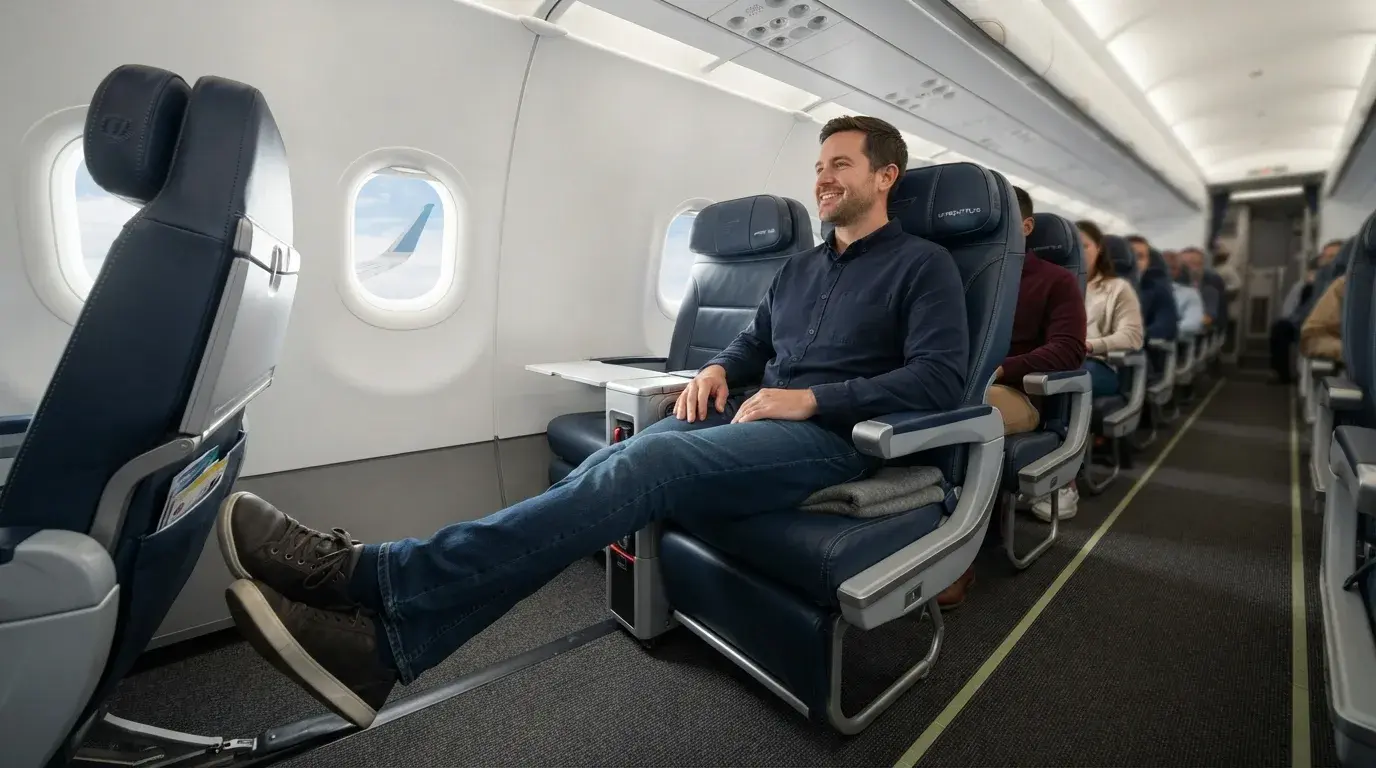
On November 10, 2026, Frontier Airlines made aviation history by opening bookings for its first-ever First Class cabin—a groundbreaking move for the ultra-low-cost carrier that had never offered a premium cabin in its 32-year existence. Starting March 5, 2027, eight seats at the front of Frontier’s Airbus A320 and A321 aircraft will provide an unprecedented level of comfort for passengers willing to pay a premium—without the trappings of traditional luxury. With a 94cm seat pitch and modern amenities like Starlink Wi-Fi by 2027, the airline is redefining the economics of air travel.
This initiative is part of Frontier’s “The New Frontier” program, a strategic pivot aimed at attracting more discerning travelers while retaining the à-la-carte model that has defined its success. The airline sacrificed the middle seat to maximize legroom, opting for a 2-2 configuration that ensures direct aisle access. Bobby Schroeter, Chief Marketing Officer, encapsulates the ambition: “We’re transforming what customers can expect from a Frontier journey.”
The commercial launch of these seats coincides with a pivotal moment for the industry. As traditional carriers struggle to retain customers seeking flexibility and transparent pricing, Frontier is filling a gap with a minimalist—but genuine—First Class on a low-cost model. A high-risk strategy that could redefine passenger expectations.
For travelers, the appeal is twofold: superior comfort without a budget-busting price tag, paired with low-cost perks like priority boarding and included carry-ons. A compromise that could appeal to frequent flyers and families alike, especially those prioritizing space and efficiency over frills.
First Class on a Budget: How Frontier is Redefining Premium Travel
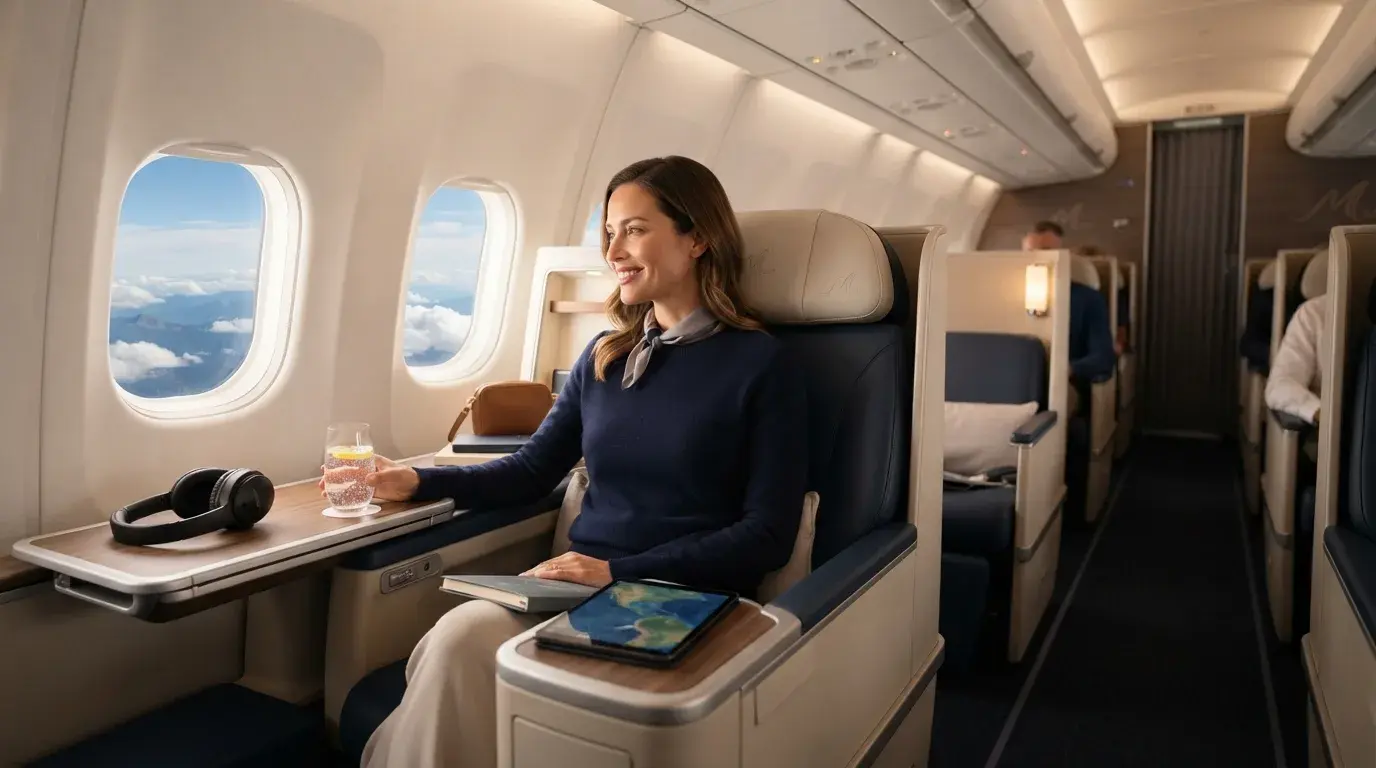
Frontier’s new First Class stands out with its 2-2 seating arrangement, featuring eight seats across the first two rows of each aircraft. Passengers enjoy up to 94cm of legroom—a figure that surpasses standard economy class and rivals premium offerings from legacy carriers. For context, most economy cabins offer 78–81cm of seat pitch, while business class typically ranges from 150–170cm.
The seats, installed in pairs on either side of the aisle, eliminate the need to climb over fellow passengers—a seemingly small detail with a major impact on comfort, particularly on flights exceeding two hours. Frontier is banking on physical comfort to justify a fare premium while maintaining its à-la-carte pricing model. Even First Class passengers will pay for drinks and meals, a nod to the airline’s low-cost roots.
Another key feature is the included “Board First” priority boarding, available in both First and Premium packages starting at $129 per trip. This perk allows passengers to board before others, reducing queue congestion and saving time at busy airports—a valuable advantage for frequent travelers.
A Tight Timeline and Challenges Ahead
The First Class project was announced in December 2024, with an initial target launch in late 2025. However, the timeline slipped by over a year, with Frontier not disclosing the reasons. March 5, 2027, now marks both the start of bookings and the completion of seat installations. The airline confirmed that retrofitting is underway, with affected aircraft to be equipped by the deadline.
Connectivity remains a critical challenge. Frontier plans to install USB-C ports at every seat in the first eight rows—not just First Class—and Starlink Wi-Fi by 2027. However, the airline has not yet clarified whether the service will be complimentary or paid upon launch. This detail could significantly influence the appeal of the new offering, especially for business travelers accustomed to staying connected mid-flight.
The fleet transformation extends beyond cabins. Frontier will gradually roll out these upgrades across its Airbus A320 and A321 fleet, prioritizing newer aircraft to modernize its product without inflating operational costs disproportionately.
Limited-Time Launch Offers to Drive Adoption
To kickstart the initiative, Frontier introduced an exceptional promotional offer. The new First and Premium packages—priced at $129 and $90 respectively—are available to passengers booking via the airline’s website or app before November 16, 2026, at 11:59 p.m. ET. These fares apply to select domestic nonstop routes between March 5 and April 5, 2027, subject to availability.
The Premium package, at $90, includes extra legroom, one carry-on bag, and priority boarding. The First package, at $129, adds two checked bags. Frontier emphasized that these promotional rates won’t apply to later bookings, making them a must-grab opportunity for early adopters.
This launch strategy mirrors moves by other low-cost carriers attempting to climb the value chain, such as JetBlue’s BlueFirst domestic First Class, introduced in December 2026. However, Frontier distinguishes itself with its minimalist approach: no complimentary meals, no free catering—just tangible comfort and clearly defined services.
Who Is Frontier’s First Class For?
The positioning of this new offering raises questions. Traditional carriers provide opulent business class cabins with lie-flat seats, gourmet meals, and personalized service. Low-cost airlines, meanwhile, focus on rock-bottom fares and stripped-down amenities. Frontier is carving out a middle ground—one that could appeal to travelers seeking comfort without the premium price tag.
This First Class is tailored for frequent flyers who prioritize time and space on longer journeys. Business travelers, especially those crisscrossing the country in a single day, stand to gain the most: a roomier seat, priority boarding, and less airport stress. Families with children may also appreciate the extra space, particularly on crowded flights where every inch counts.
Yet the offering isn’t for everyone. Passengers seeking a full premium experience—with included meals and bespoke service—will likely continue gravitating toward legacy carriers or specialized operators. Frontier is betting on a pragmatic clientele willing to pay a modest premium for tangible comfort, without expecting a five-star experience.
The success of this initiative hinges on Frontier’s ability to win over this middle-ground audience. The airline must also manage expectations: a First Class on a low-cost carrier remains a First Class, with limited services and a pricing structure that can escalate quickly with add-ons. The gamble is high, but the potential to reshape industry standards is even higher.
Lessons for the Industry
Frontier’s announcement could inspire other players in the aviation sector, particularly European low-cost carriers looking to differentiate in an increasingly competitive market. By offering a minimalist First Class, the U.S. airline demonstrates that comfort and economy aren’t mutually exclusive—a lesson that could resonate globally.
For legacy carriers, this move may be seen as a threat, especially on routes where low-cost dominance is entrenched. Airlines like Ryanair or easyJet might consider following Frontier’s lead, introducing premium options on select flights or aircraft. However, such a strategy would require a fundamental overhaul of their business models—no small feat.
For travelers, this evolution is a positive sign. It reflects a broader trend: the demand for flexible, personalized in-flight services. Airlines that can strike the right balance between low-cost efficiency and premium comfort may well win the battle for customer loyalty. Frontier has taken the first step with its ultra-minimalist First Class. The question now is whether passengers will follow.
One thing is certain: the airline industry is far from done reinventing itself. After years of price wars, the focus has shifted to service differentiation and comfort. Frontier has chosen to lead with a First Class for the budget-conscious. Will others take note?
Key Takeaways
- Only eight seats: Frontier’s First Class will feature just eight seats, located in the first two rows of each aircraft.
- 94cm of legroom: Each passenger will enjoy more legroom than standard economy class offers.
- Priority boarding: Included in both First and Premium packages, this perk saves time at busy airports.
- Starlink Wi-Fi in 2027: Connectivity will be rolled out gradually, though access may come at an additional cost at launch.
- Limited-time offer until November 16: Discounted fares of $129 (First) and $90 (Premium) are available only for bookings made before this deadline.
With this First Class initiative, Frontier Airlines proves that low-cost travel and measured premium upgrades aren’t mutually exclusive. A revolution that could redefine the flying experience for passengers and airlines alike.
To book or learn more, visit the official Frontier Airlines website.
Be the first to comment on this article