Boeing 737 MAX 10: Why the Software Bug Is Blocking Certification and How It Affects Your Bookings
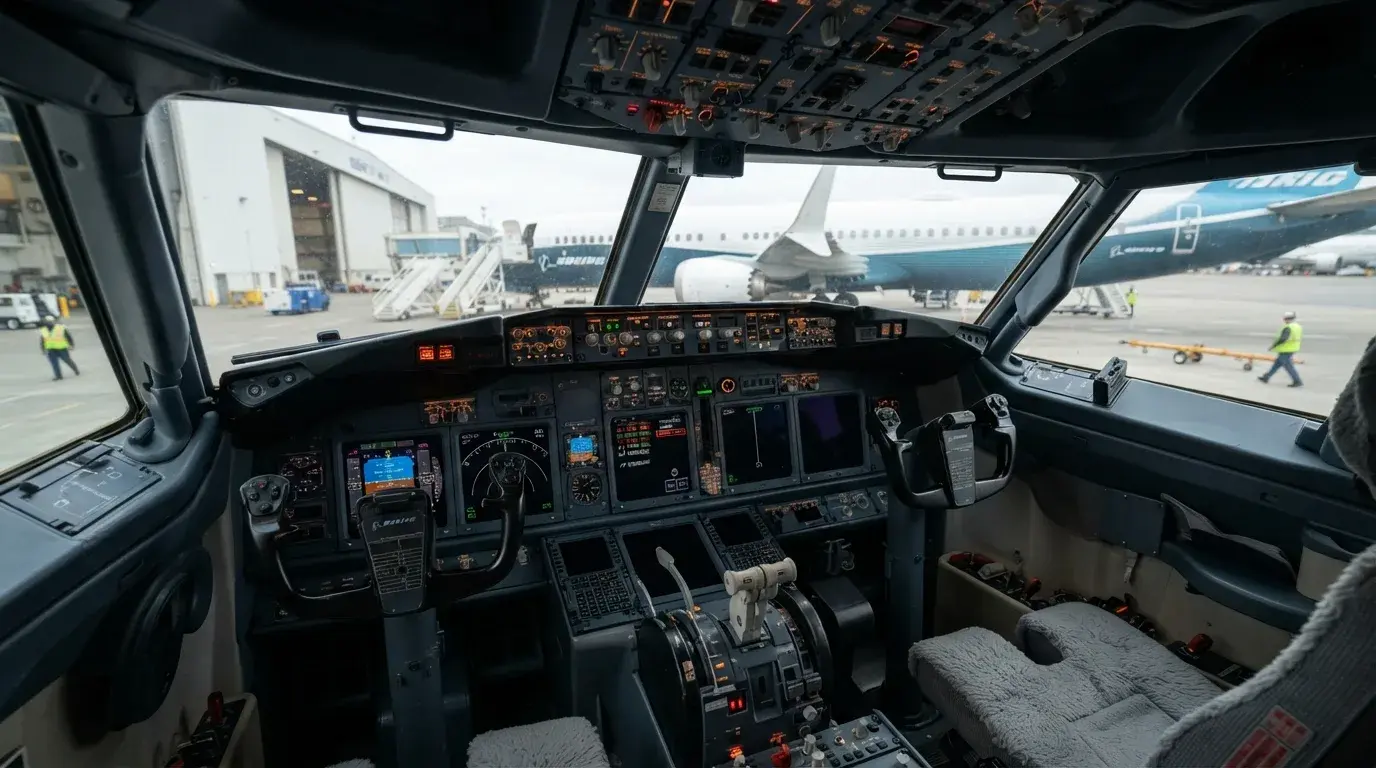
A simple software bug can paralyze an entire industry. That’s the reality facing the Boeing 737 MAX 10, the most ambitious aircraft in Seattle’s single-aisle family. While airlines had pinned their hopes on the MAX 10 to modernize their fleets, the FAA has indefinitely suspended its certification. A navigation system anomaly detected during certain go-arounds has been enough to halt the process. But beyond delays, the entire delivery and order schedule is now disrupted, with direct repercussions for travelers.
Since Monday, September 28, the Federal Aviation Administration (FAA) has officially suspended certification of the 737 MAX 10, despite its status as Boeing’s flagship to compete with Airbus’s A321neo. FAA Administrator Bryan Bedford was unequivocal: “We will delay [MAX 10 certification] until we are satisfied there is no issue.” No timeline has been provided, leaving uncertainty over the scope of corrections required. For passengers, this means possible delays in aircraft deliveries to airlines and, ultimately, adjustments to flight schedules involving these new planes.
The anomaly affects the flight management computer software, specifically versions 14 and 14.1. During a precise sequence—precision approach under autopilot, go-around, then trajectory change—the VNAV (Vertical Navigation) system can disengage. The result: the aircraft switches to a less sophisticated control mode, increasing pilot workload during a critical flight phase. Boeing insists no loss-of-control risk has been identified, but the FAA has not yet validated this assessment. The authority fears this malfunction could occur when the crew is already under pressure, potentially compromising safety.
Consequences extending beyond the MAX 10
The issue is not limited to the future MAX 10. Software versions 14 and 14.1 are also installed in other already-certified 737 MAX models, such as the MAX 7. While WestJet claims no in-service incidents related to this anomaly have been observed, the FAA has launched a thorough review. Airlines are scrutinizing every detail: flight procedures may be revised, and additional pilot training could be required. For travelers, this could translate into delays or cancellations if airlines must urgently adapt operations.
Market reactions are already visible. Ryanair, one of the MAX 10’s largest customers with 210 orders, responded immediately. CEO Michael O’Leary attempted to downplay the impact, stating he hoped for a resolution “within days, not weeks or months.” Yet delivery schedules planned for spring 2027 are now in jeopardy. For European passengers accustomed to tight rotations between Europe and North Africa or Eastern Europe, this could mean reduced capacity or higher fares if airlines must adjust strategies.
The cost — and who pays
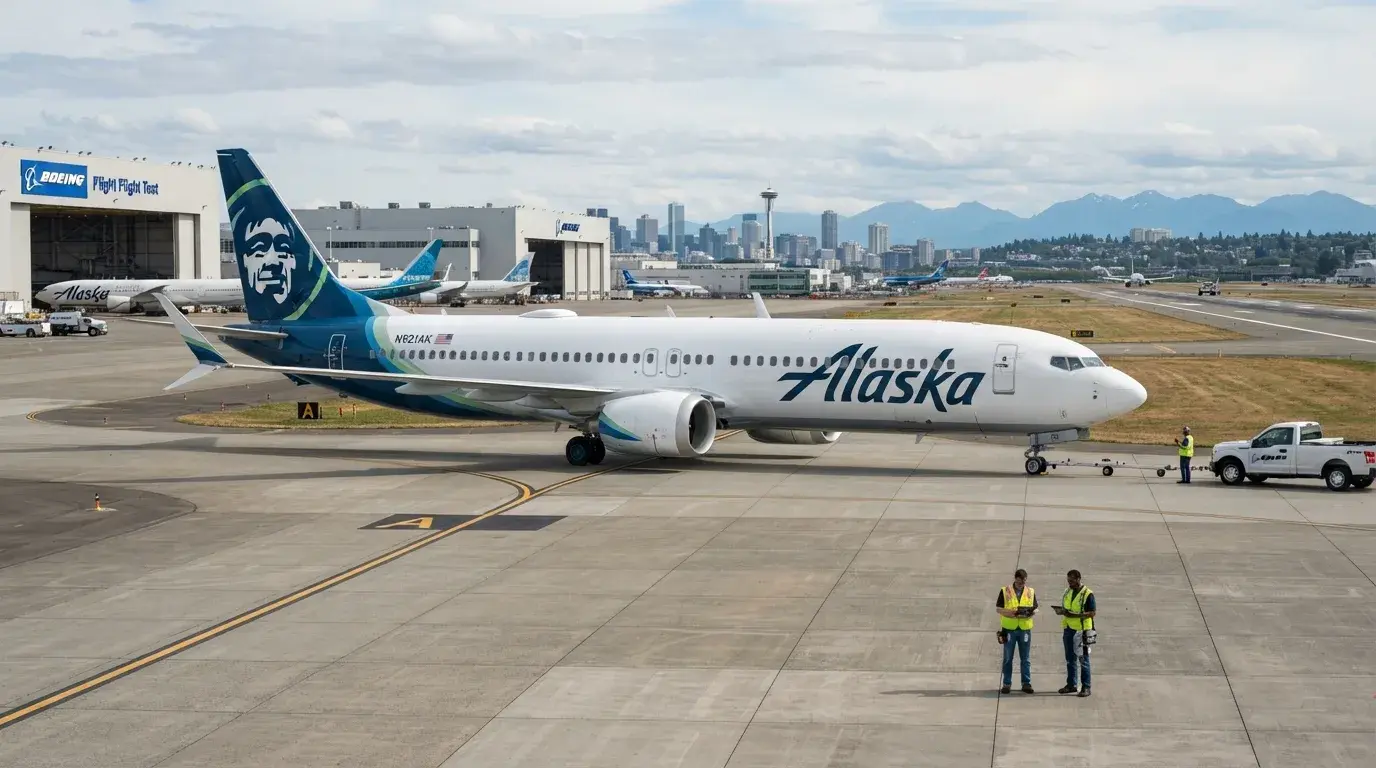
The financial burden is already massive for Boeing, but airlines are not spared. For Alaska Airlines, which planned to use the MAX 10 to replace older aircraft, the delay means additional charter costs or maintenance for aging fleets. The manufacturer has already warned that some deliveries could be pushed back by several months, a scenario that undermines expansion plans for many carriers. Passengers may feel the effects as early as 2027: fewer new aircraft available, higher fares on routes served by current planes, and increased competition for seats.
Analysts are already questioning the long-term impact. With the single-aisle market expanding rapidly, particularly in Asia and Europe, the MAX 10 delay gives Airbus a clear advantage. The A321neo, already favored by airlines, could see demand surge, affecting prices and aircraft availability. For travelers, this means fewer choices and potentially higher fares on short- to medium-haul flights.
How to track progress and protect your bookings
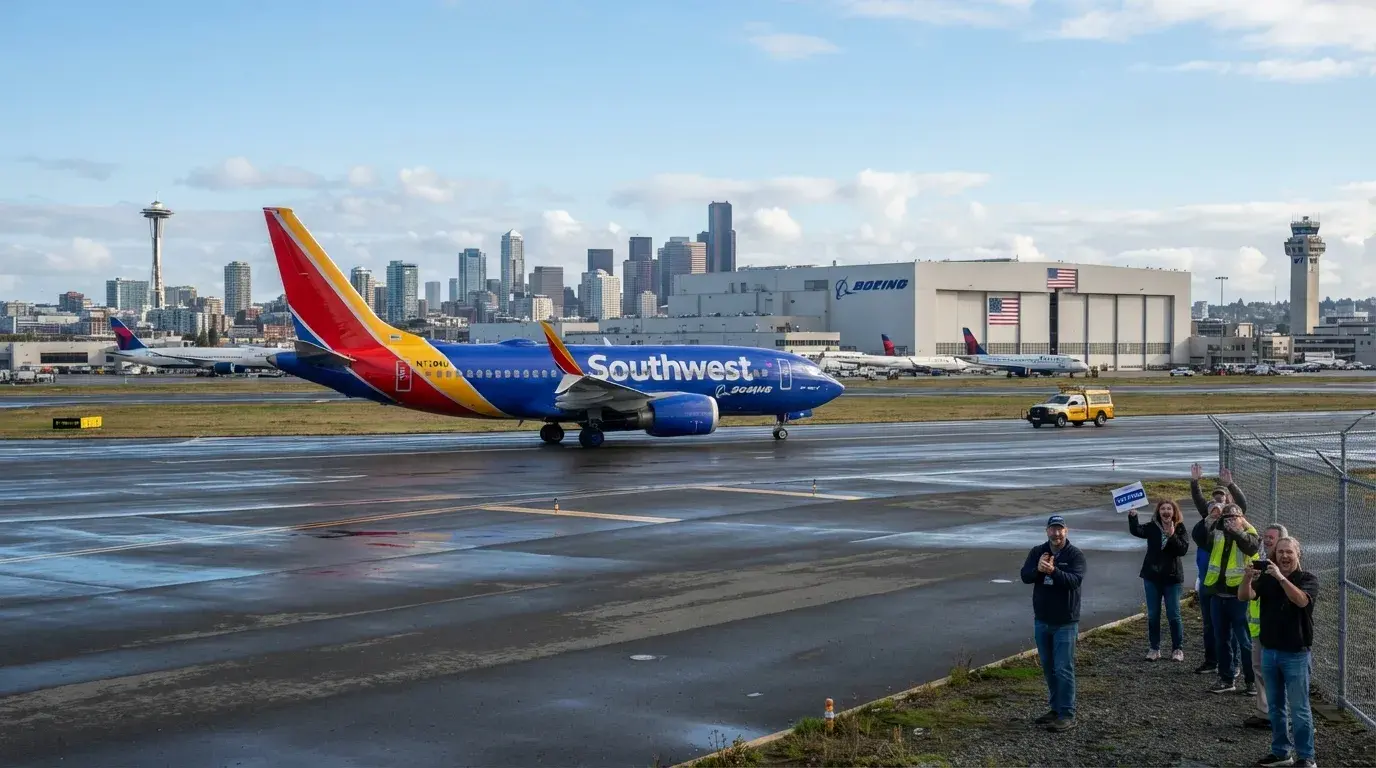
If you have a flight booked with an airline operating the 737 MAX 10 in the coming months, here’s what you should do. First, check official airline announcements. Operators like Alaska Airlines, United, or Southwest regularly update their fleet adjustments. Next, monitor certification updates: the FAA publishes updates on its website, and aviation media like Air Journal or Airbus relay real-time information.
For future bookings, favor airlines with diversified fleets or credible alternatives. Ryanair, for example, relies on a mix of Boeing and Airbus aircraft, reducing its exposure to the MAX 10 delay. Finally, consider travel insurance if you’re booking with tight deadlines. In case of last-minute adjustments, you’ll be covered for incurred expenses.
The 737 MAX 10 remains a cornerstone project for Boeing, but its future now hinges on the company’s ability to reassure the FAA and fix the bug without delay. In the meantime, travelers must adapt: certification delays could translate into flight delays, and airlines will need to be transparent to avoid a crisis of confidence.
Key takeaways
The 737 MAX 10 software bug has blocked certification, disrupting orders, deliveries, and airline schedules. Passengers may face delays, cancellations, or fare hikes, especially on short- to medium-haul routes. Airlines like Ryanair and Alaska Airlines are most exposed, while Airbus and the A321neo stand to gain. To minimize risks, follow official updates and consider travel insurance.
Be the first to comment on this article
On the same topic
- Ryanair doubles Baltic traffic with massive investment plan
- Ryanair and Google Cloud Partner to Revolutionize Flights with AI by 2026
- Charleroi-Brussels South closed for 11 weeks in 2028: how to organize your trips stress-free
- How Ryanair Prepares for Its Biggest 2026/27 Winter with 80 Million Seats and 1,700 Routes
- easyJet soon in Apollo’s hands? What the fund battle means for your European flights
- Dublin Airport: Ireland to Lift Passenger Cap Threatening Growth