737 MAX Sets Delivery Record with 363 Aircraft in Nine Months as FAA Validates Safety Despite New Software Bug
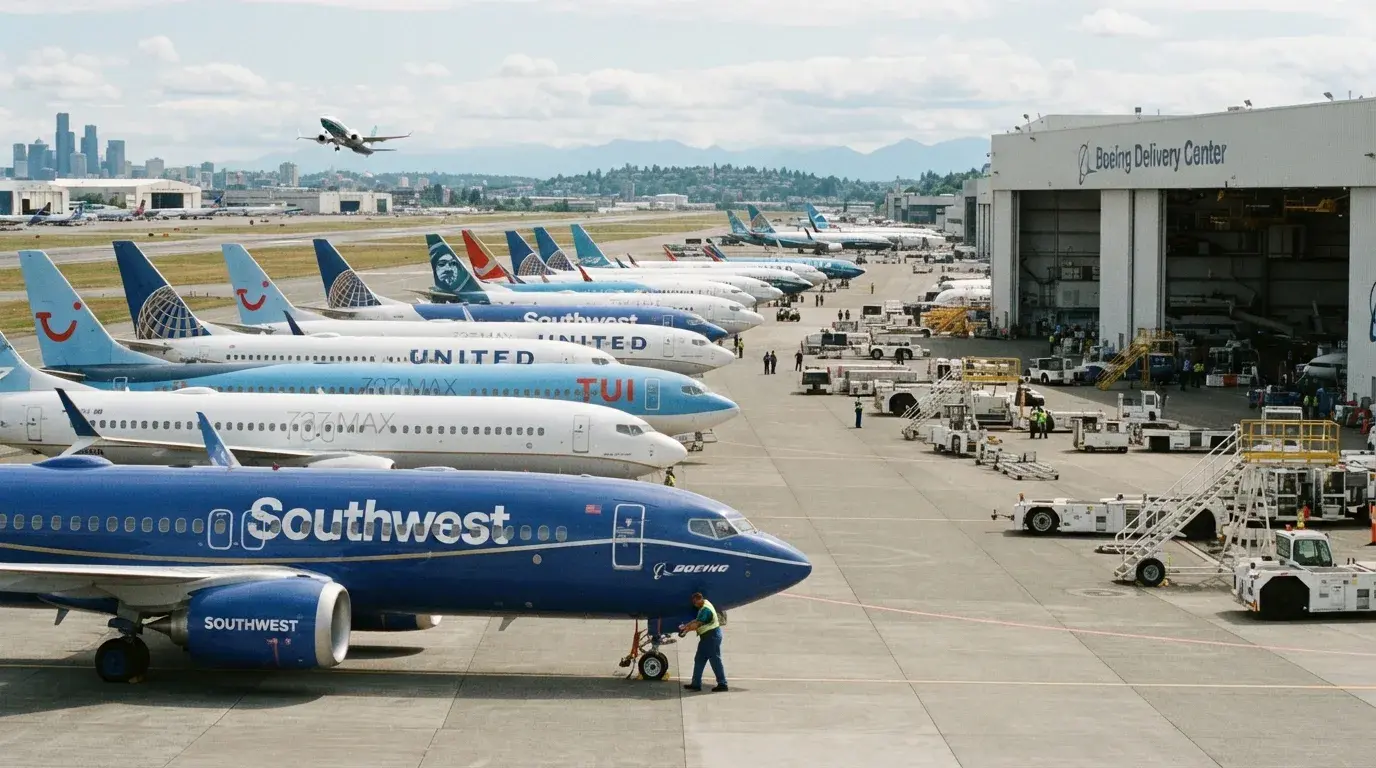
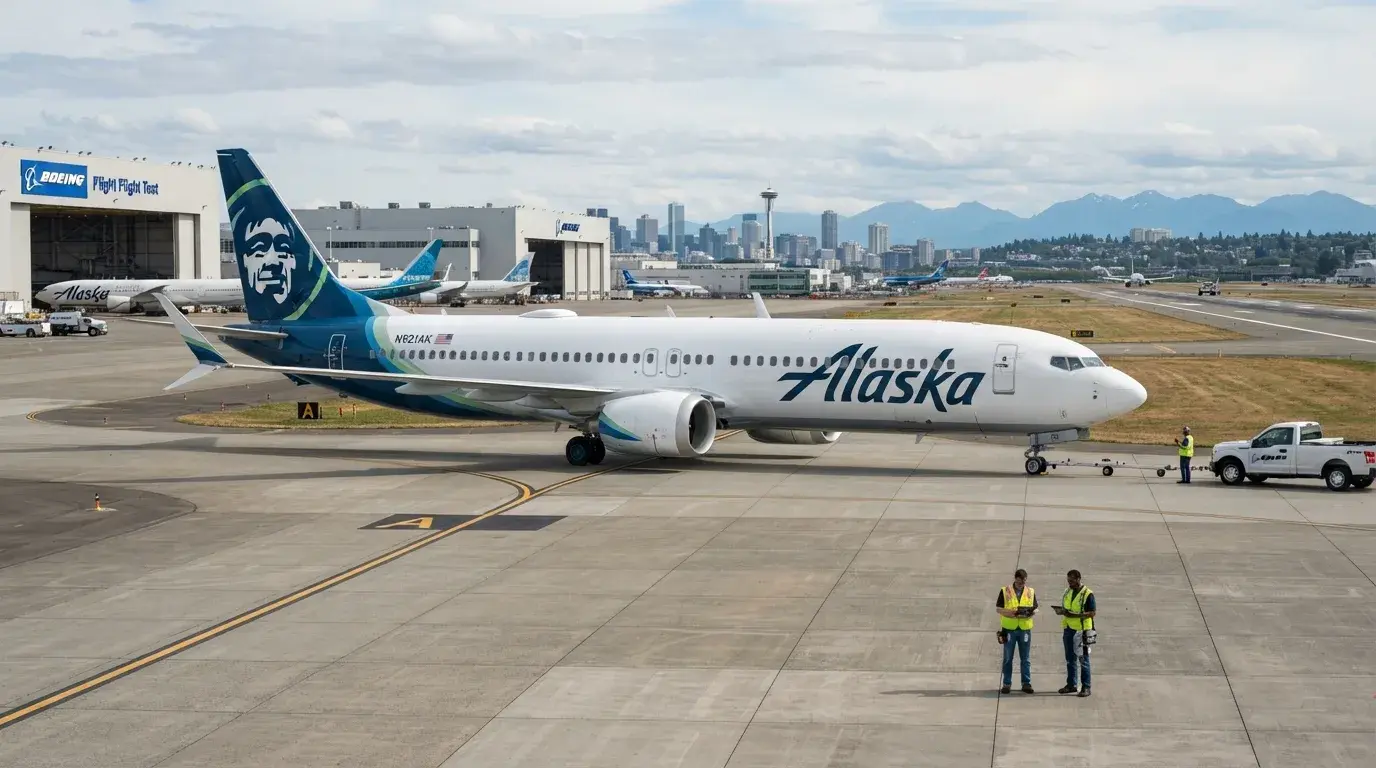
Boeing has delivered a record-breaking 363 737 MAX aircraft between January and September 2026, shattering its previous record of 325 in the same period in 2025. The milestone, announced on October 14, accounts for over three-quarters of the 475 aircraft delivered by the U.S. manufacturer this year, marking an 8% increase from 2025. This performance confirms the MAX program’s recovery after years of industrial turbulence and technical challenges.
The single-aisle 737 MAX has once again cemented its position as Boeing’s flagship product, with the airframer also delivering 62 787 Dreamliners, 26 767s, and 20 777s, bringing the total to 475 aircraft compared to 440 a year earlier. In September alone, 57 aircraft were delivered, including 43 737 MAXs (38 MAX 8s and 5 MAX 9s), distributed among carriers such as Southwest Airlines and lessor AerCap.
This ramp-up coincides with a gradual improvement in production rates. Boeing now aims for a stabilized output of 47 MAX aircraft per month, though CEO Kelly Ortberg has acknowledged that achieving this target may take longer than expected. While the delivery record signals tangible recovery, production levels still fall short of the industrial stability regulators and customers demand.
New Software Bug Identified; FAA Reaffirms Flight Safety
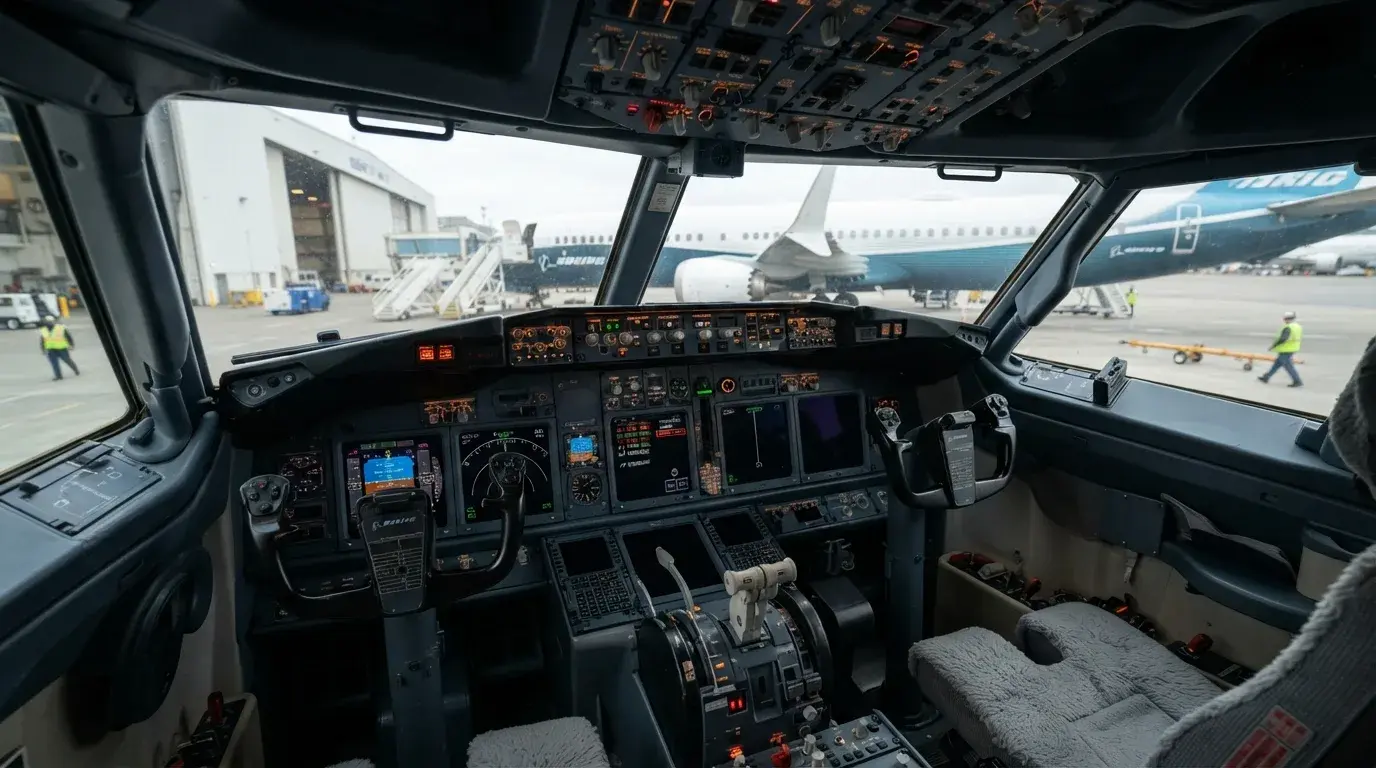
The delivery milestone comes as Boeing and the FAA concluded an investigation into a software anomaly detected in late September on the 737 MAX. The issue, introduced by a navigation system update, could have temporarily disabled autopilot guidance in a specific scenario: after a go-around and a flight plan modification. Despite the flaw, the FAA concluded on October 2 that the incident posed no safety risk, stating that "pilots retain full control of the aircraft, and crew indications remain clear and unambiguous."
Boeing swiftly announced plans to develop a software update to permanently resolve the issue. This transparency aligns with the manufacturer’s ongoing efforts to rebuild trust with regulators and operators following years of technical incidents and certification delays. For travelers, the FAA’s validation provides additional reassurance about the aircraft’s reliability, already favored by airlines for its operational efficiency and reduced fuel consumption.
Order Book Grows as 737 MAX Dominates Single-Aisle Market
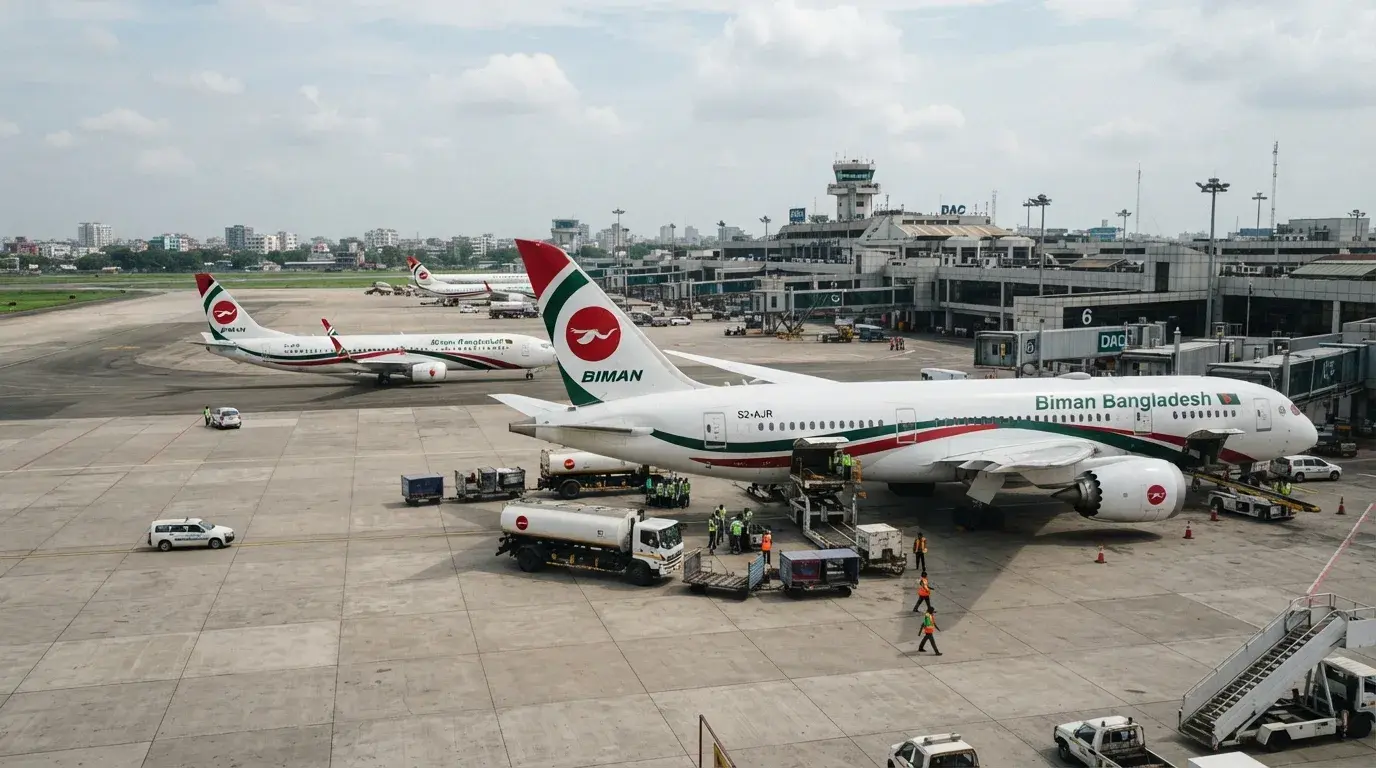
The success of the 737 MAX extends beyond deliveries. In September, Boeing secured 165 gross orders, including 132 for the 737 MAX, reinforcing its lead in the single-aisle segment. New customers include Turkish Airlines (100 MAX), Lufthansa (20 MAX), Biman Bangladesh Airlines, and Ethiopian Airlines, which placed orders for both passenger and cargo variants. Over the first nine months of 2026, Boeing has amassed 663 gross orders and 618 net orders after cancellations and conversions, before accounting adjustments.
This momentum contrasts with Airbus, which remains ahead in total deliveries with 547 aircraft handed over in the same period. The European manufacturer holds a 72-aircraft lead, but the 737 MAX is emerging as a formidable competitor in the sub-200-seat segment, offering airlines a cost-effective alternative for fleet modernization.
Production Stabilization Underway, But Challenges Remain
Despite the record deliveries, Boeing acknowledges that ramping up 737 MAX production is taking longer than anticipated. The company targets a monthly output of 47 aircraft, a pace intended to meet surging airline demand. However, years of quality control issues and supply chain disruptions continue to impact delivery reliability. Airlines, in turn, are adjusting fleet plans, with some prioritizing available aircraft over future deliveries.
For Southwest Airlines, which took delivery of nine 737 MAX aircraft in September, the improved rate is a relief after years of fleet shortages. As one of the largest MAX operators, the carrier is relying on the type to replace its aging 737 NG fleet and enhance operational efficiency. Past delays led to flight cancellations and higher maintenance costs—a situation Boeing is now working to correct.
What This Means for Travelers
For passengers, the growing presence of 737 MAX aircraft in airline fleets offers several tangible benefits. First, improved punctuality thanks to more modern, less failure-prone aircraft compared to older models. Second, lower operational costs for airlines, enabling competitive pricing or reinvestment in service enhancements. Finally, an enhanced flying experience with redesigned cabins and advanced in-flight entertainment systems.
However, the 737 MAX’s reliability remains a concern for some travelers, despite the FAA’s validation. Airlines and airports are ramping up reassuring communications, emphasizing that technical issues have been identified and addressed before impacting flight safety. For cautious passengers, checking a carrier’s fleet age or reviewing regulator safety reports may provide additional peace of mind.
Outlook: Can the 737 MAX Dethrone the A320neo?
With over 4,000 orders on its books for the 737 MAX, Boeing is clearly aiming to dominate the single-aisle market. Yet Airbus and its A320neo maintain a significant lead in deliveries and market share. The rivalry between the two manufacturers shows no signs of easing, particularly as airlines weigh acquisition costs, fuel efficiency, and aircraft availability.
For travelers, this competition is a positive development, driving both manufacturers to innovate in comfort, connectivity, and energy efficiency. As environmental concerns weigh heavily on the aviation sector, the 737 MAX and A320neo represent more sustainable alternatives to older aircraft, thanks to reduced fuel consumption and lower CO₂ emissions.
In conclusion, the 2026 delivery record for the 737 MAX marks a pivotal moment for Boeing, but the path to full industrial recovery and passenger confidence remains ongoing. For airlines, the aircraft offers a modernization opportunity, while for travelers, it signals the future of air travel.
Be the first to comment on this article
On the same topic
- Flydubai in Crisis After Cockpit Attack: How Dubai-Tel Aviv Flight Narrowly Avoided Disaster
- Somon Air ushers in the Boeing 737 MAX era in Tajikistan: what impact on Central Asian travel?
- Akasa Air: How India’s Newcomer Challenges Aviation Giants with Boeing 737 MAX 8 and MAX 8-200
- American Airlines pledges 32 aircraft to raise over $1 billion