Lufthansa Bets on Airbus A350-1000 Over Boeing 777X: What This Means for Your Long-Haul Flights
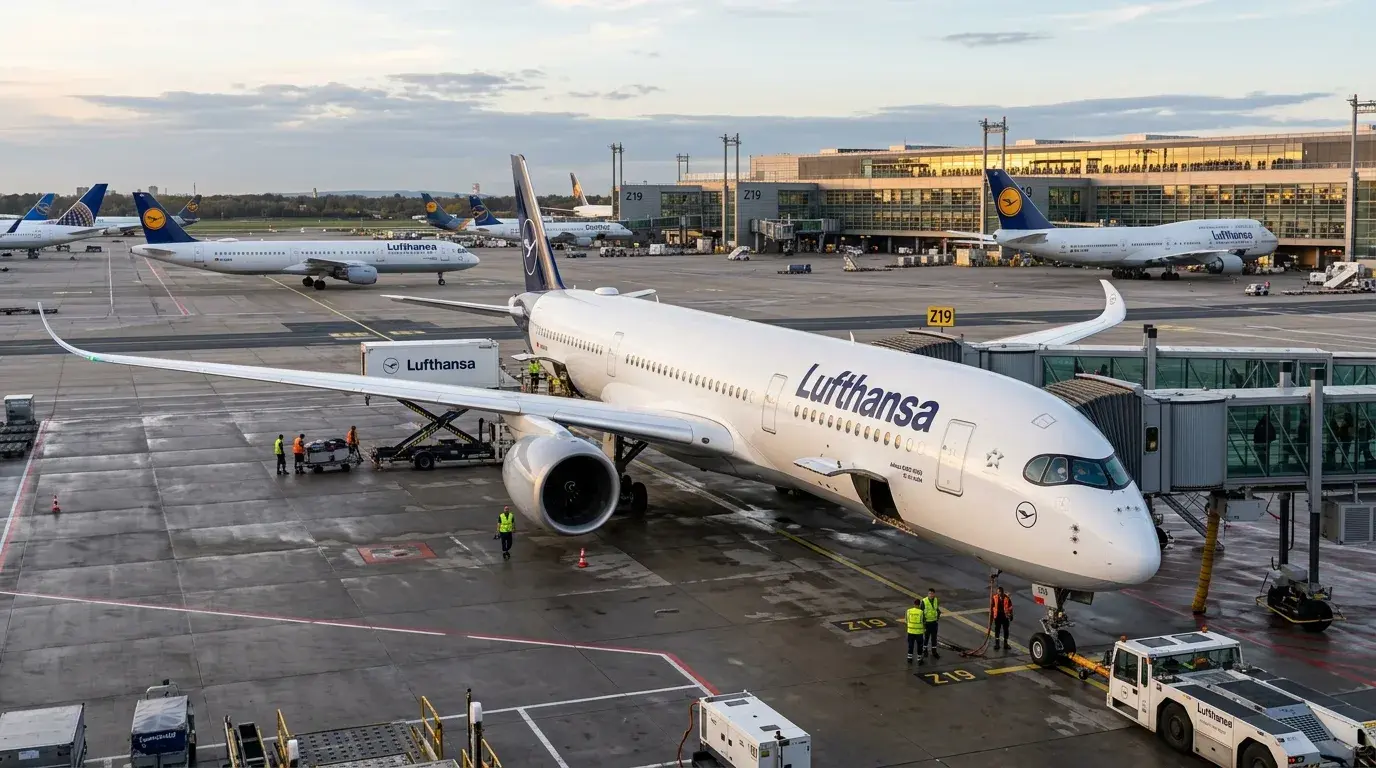
German airline Lufthansa has made a strategic decision that will directly impact the travel experience on its long-haul flights. While the Star Alliance fleet is already one of the most modern in Europe, the German group has opted to prioritize the Airbus A350-1000 in its next order of wide-body aircraft, rather than the Boeing 777-9, which was initially planned to structure its intercontinental operations. This shift is driven by repeated delays in the 777X program and could accelerate the arrival of new seats for passengers.
This announcement comes at a time when demand for intercontinental flights remains strong, particularly on Europe’s busiest routes to North America and Asia. The choice of the A350-1000 reflects a desire to accelerate fleet modernization, as some current aircraft, such as the Airbus A340-300, are nearing the end of their service life. For travelers, this could mean more spacious and better-equipped cabins, as well as adjustments to flight schedules and frequencies.
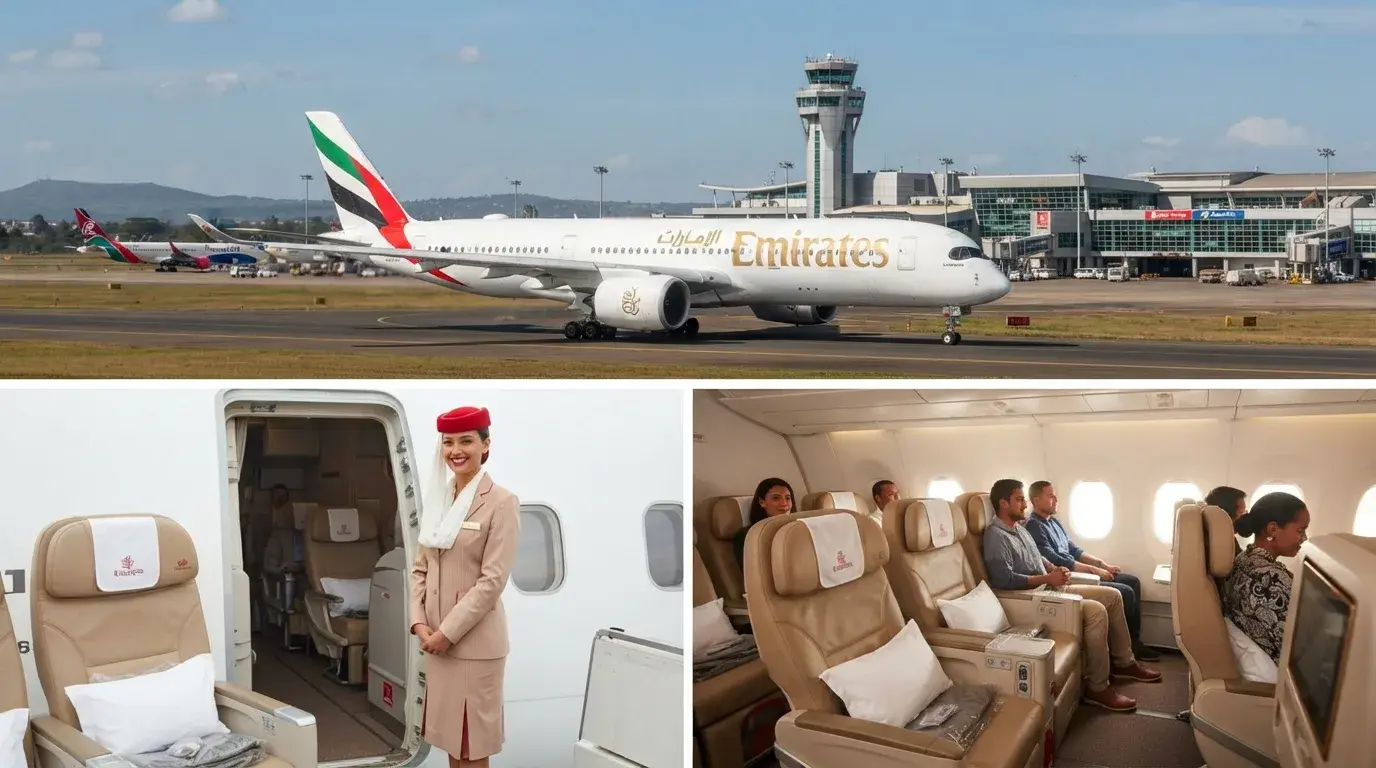
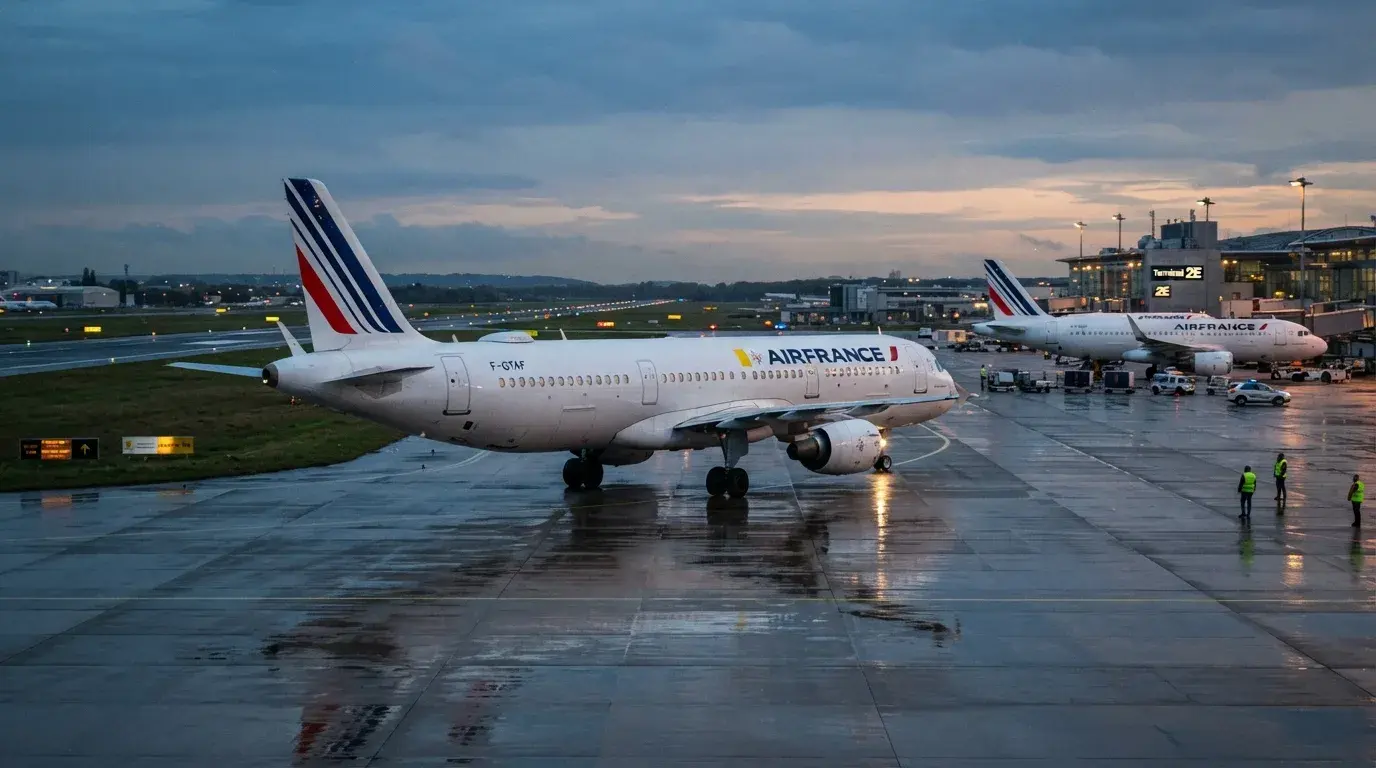
Lufthansa has already ordered ten Airbus A350-1000 aircraft in 2023, increasing this volume to fifteen in 2024. The first aircraft in this series is expected to be delivered as early as October 2026—several months ahead of initial forecasts. This timeline could allow the airline to replace its oldest quadjets more quickly while maintaining a competitive offering against rivals like Air France, British Airways, and Emirates.
To understand the stakes of this decision, it’s worth examining the delays surrounding the Boeing 777-9, which forced Lufthansa to rethink its strategy. The 777X program has faced repeated setbacks since its launch, with certification originally planned much earlier. The first aircraft destined for Lufthansa is now expected to enter service in the first quarter of 2027—a timeline that prompted the airline to explore alternatives. Facing these industrial uncertainties, Airbus has positioned itself as a reliable partner capable of delivering aircraft that meet Lufthansa’s operational needs.
Why the A350-1000 is becoming the flagship of Lufthansa’s long-haul fleet
The Airbus A350-1000 is an extended and modernized version of the A350-900, already in service with Lufthansa on several routes. With increased capacity, it optimizes seat numbers while maintaining fuel consumption nearly 25% lower than older models like the Boeing 747-8 or Airbus A380. For passengers, this means more comfortable cabins, particularly in business class and first class, where lie-flat seats and extra space are often decisive factors.
Homogenizing the fleet with next-generation aircraft also allows Lufthansa to simplify crew training and maintenance, reducing operational costs. This strategy aligns with a rationalization of the network, including the gradual retirement of unprofitable routes and a focus on key hubs like Frankfurt and Munich.
Commercially, the A350-1000 offers greater flexibility to adapt capacity to fluctuating demand. For example, on high-traffic routes like Frankfurt–New York or Munich–Tokyo, the increased capacity allows the airline to meet growing demand without necessarily increasing flight frequencies. This could also translate into better ticket availability during peak periods, such as summer vacations or year-end holidays.
A tangible impact for travelers: what can you expect?
For passengers, the arrival of the A350-1000 could bring several tangible improvements. In economy class, seats are typically wider with larger in-flight entertainment screens and easier access to storage space. In business class, the new lie-flat seats offer optimal comfort for overnight flights, while first-class amenities may include more varied dining options and a redesigned in-flight service.
In terms of connections, a more modern fleet allows Lufthansa to optimize schedules and reduce layover times, particularly at European hubs. For example, a passenger traveling from Paris Charles de Gaulle to Singapore via Frankfurt could benefit from shorter connection times thanks to better coordination between flights operated by next-generation aircraft.
Finally, this modernization could also influence Lufthansa’s pricing strategy. With reduced operational costs thanks to more fuel-efficient aircraft, the airline may maintain competitive prices on its long-haul routes while investing in value-added services to retain customers. This includes enhanced loyalty programs like Miles & More, where miles could become easier to accumulate and redeem.
Boeing 777X: an uncertain future for Lufthansa
Despite Airbus’s advantage, Boeing isn’t giving up. The Boeing 777-9 remains an ambitious aircraft, with a capacity even greater than the A350-1000 and a range allowing it to serve ultra-long-haul routes like Frankfurt–Sydney nonstop. However, repeated delays in the program, combined with persistent industrial challenges, cast doubt on Boeing’s ability to deliver the ordered aircraft on time.
For Lufthansa, this uncertainty poses an operational risk. If delays continue, the airline may be forced to extend the service life of older aircraft, which could negatively impact passenger experience and the profitability of certain routes. In this context, the choice of the A350-1000 appears as a pragmatic solution, allowing Lufthansa to combine modernity with reliability.
Meanwhile, Lufthansa has already secured future deliveries with additional orders for Airbus A350-900 and Boeing 787-9 aircraft, confirmed for 2026. These planes, expected between 2032 and 2034, will further strengthen the fleet in the medium term. For now, the priority remains the A350-1000, which is set to play a central role in the German group’s long-haul strategy for the next two decades.
What does the future hold for Lufthansa passengers?
In the short term, travelers will begin to see the benefits of this modernization on their upcoming flights. The first deliveries of the A350-1000 are expected as early as October 2026, with a gradual rollout on long-haul routes. For bookings from 2027 onward, the airline is likely to highlight the improvements on board, particularly in business class and first class.
Strategically, this decision could also influence airline alliances. By strengthening its fleet with European aircraft, Lufthansa reinforces its position within Star Alliance while reducing its dependence on American manufacturers. This could have repercussions on partnerships with other airlines, particularly in Asia or the Middle East, where Boeing traditionally dominates the wide-body market.
For frequent flyers, this transition to a more modern fleet could mean a more consistent experience, with higher standards of comfort and service. In the long term, Lufthansa may even extend this modernization to its medium-haul aircraft, such as the Boeing 737 MAX or Airbus A320neo, to offer a cohesive experience across its entire network.
In summary, Lufthansa’s choice of the A350-1000 marks a turning point in the modernization of its long-haul fleet. For travelers, this means more spacious, fuel-efficient, and comfortable aircraft, while for the airline, it’s an opportunity to boost competitiveness against an increasingly fierce rival landscape. A decision that could well redefine Europe’s air transport standards for years to come.
Be the first to comment on this article
On the same topic
- Air France-KLM vs Lufthansa: The Battle to Rescue TAP Air Portugal
- Lufthansa Challenges Boeing with Shark Skin on A330: A Green Revolution Reshaping Air Travel
- easyJet soon in Apollo’s hands? What the fund battle means for your European flights
- Lufthansa Revives All Airbus A380s: Why the German Giant Bets on the Superjumbo for Munich Hub
- Lufthansa faces lawsuit after severe fall at Frankfurt Airport: escalator accident reignites mobile stairs safety debate
- Eurowings strengthens Berlin operations aiming for top spot at BER