TUI Threatens to Leave Belgium: How the Passenger Tax Hike Could Reshape Your Next Flights
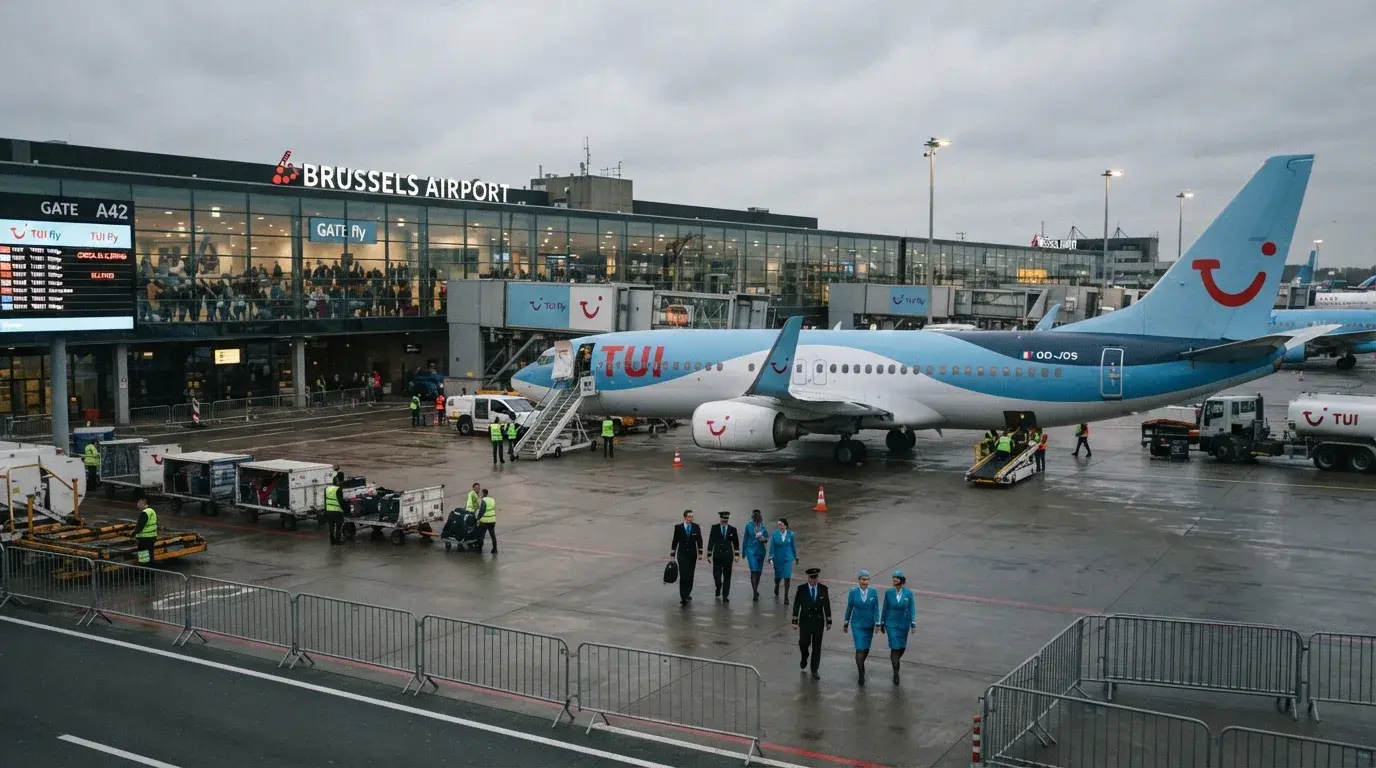
Belgium is set to increase its passenger tax from €5 to €7 starting January 1, 2027. While this represents a 40% rise in absolute terms, the repercussions could be far more severe for your upcoming trips. The travel giant TUI, which operates its subsidiary TUI fly Belgium, is now threatening to downsize its fleet based in Belgium—or even abandon certain airports in the country. If implemented, this decision could disrupt flight offerings to popular destinations such as Spain, Greece, and Turkey. But TUI is not alone; the entire travel industry could be impacted by this fiscal measure, especially as airlines struggle to absorb rising fuel costs and declining financial performance.
This isn’t the first time Belgium has found itself at the center of a debate over air travel taxation. Back in 2024, Ryanair had threatened to reduce its presence in the country following a previous increase in the passenger tax. Now, it’s TUI’s turn to issue a warning. According to the company’s CEO, Sebastian Ebel, Belgian authorities must consider whether they want to preserve affordable vacations for low- and middle-income households. Behind this tax lie significant economic trade-offs: for a single rotation operated with a 170-seat Boeing 737, the additional cost amounts to nearly €340 per flight. At the scale of a year and millions of passengers, this could translate to several million euros for a single airline.
Belgium is not an isolated case. Several European countries have already implemented significantly higher passenger taxes: the Netherlands charges €30.25 per passenger, while Germany imposes €13.03 on most European and Mediterranean routes. However, in Belgium, the planned €2 increase could be enough to tip the economic balance for certain routes. The issue? This tax applies to all passengers departing from Belgium, regardless of the aircraft’s base. In other words, even if TUI relocates an aircraft to Germany or the Netherlands to avoid the tax, the additional cost remains unavoidable if the company maintains flights departing from Belgium.
This situation highlights a broader dilemma for the travel industry: how to balance additional tax revenue with the need to maintain affordable flights and an attractive destination offering. Airlines are not the only ones affected. Tour operators, which sell packages including flights and accommodations, see their margins shrink even further. Ultimately, it is the consumer who may end up footing the bill, whether through higher prices or a reduced flight selection.
TUI’s Threat Comes at a Critical Time
TUI’s warning is not made lightly. The group is currently navigating a particularly challenging period, marked by declining financial results. In the third quarter of 2026, TUI reported an operating profit of €234.6 million, a nearly 27% drop compared to the previous year. Within its “Markets + Airline” division, which encompasses airlines, tour operators, and commercial activities, the underlying operating loss reached €17.4 million, compared to a profit of €49.7 million a year earlier. These figures are partly explained by a decline in bookings and persistently high jet fuel prices amid a geopolitical climate marked by tensions between the U.S. and Iran.
Faced with this situation, TUI has already revised its annual profit forecasts downward and suspended its revenue projections. The company has also reduced its air capacity for its own package travel operations. Bookings are being made later, demand is weakening in certain markets, and price competition remains fierce. In this context, the increase in Belgium’s passenger tax could be the final blow for some routes. The additional costs can no longer be absorbed by margins already under severe strain.
TUI has not yet specified how many aircraft could be affected or which Belgian airports might be impacted. However, the company may draw inspiration from Ryanair’s strategy: shifting capacity to markets deemed more competitive by leveraging airport competition and national tax policies. If this approach becomes widespread, it could lead to a reshuffling of the cards in Europe, to the detriment of countries with the highest air travel taxes.
Belgium: A Hub in Transition
Belgium is not just a country debating air travel taxation—it’s also a strategic aviation hub for several airlines, thanks to airports like Brussels and Ostend. Yet TUI fly Belgium has already begun reducing its presence in the country. Since January 2026, the airline has ceased operations in Liège. And starting March 25, 2027, it will also exit Antwerp to focus on Brussels and Ostend. This reorganization aims to improve profitability but could be accelerated by the passenger tax hike.
This decision aligns with a broader cost rationalization strategy. TUI fly Belgium is not the only airline facing economic pressures. Staffing costs, airport fees, air navigation charges, and aircraft productivity also play a key role in airlines’ decision-making. However, the passenger tax adds another layer of complexity. Unlike internal company choices, it is imposed by public authorities, which must strike a balance between tax revenue and economic attractiveness.
For Belgian travelers, the consequences could be far-reaching. If TUI reduces its fleet based in Belgium, it could lead to fewer flights to certain destinations—or even the elimination of some routes. Prices could also rise, if only to offset the tax surcharge. Finally, connections could become more complicated, forcing passengers to transit through other European airports to reach their final destination.
Is the Tax Inevitable? The Debate Over Air Travel Taxation
The question of passenger tax is divisive. Supporters argue it funds high-quality airport infrastructure and offsets the environmental impact of air travel. Critics, however, highlight its counterproductive effects: by increasing costs for airlines, it could reduce flight offerings and drive up prices, ultimately penalizing travelers. In Belgium, where the tax remains relatively modest compared to other European countries, the debate centers on its level and sectoral impact.
But this isn’t just a fiscal issue—it’s also one of economic sovereignty. Countries that raise their passenger tax too aggressively risk seeing airlines reduce their presence or even leave entirely. This could result in lost connectivity, fewer jobs in the aviation sector, and a decline in tourism appeal. Conversely, countries that maintain reasonable tax levels could attract new airlines and strengthen their hub status.
For now, Belgium has not yielded to pressure. But TUI’s threat shows that the stakes are high. If the passenger tax rises to €7, close monitoring of airlines’ reactions and the impact on travelers will be essential. In an industry already strained by rising costs and falling demand, every euro counts.
In the meantime, Belgian and European travelers should prepare for an evolving air travel landscape. Whether through reduced offerings, higher prices, or a redistribution of routes, Belgium’s passenger tax hike could well change the game for your next trips.
To stay updated on this developing story and learn how to plan your travels stress-free, regularly check the updates from Flywest.
Be the first to comment on this article