Emirates Revolutionizes Nairobi-Dubai Route with A350 and Premium Economy
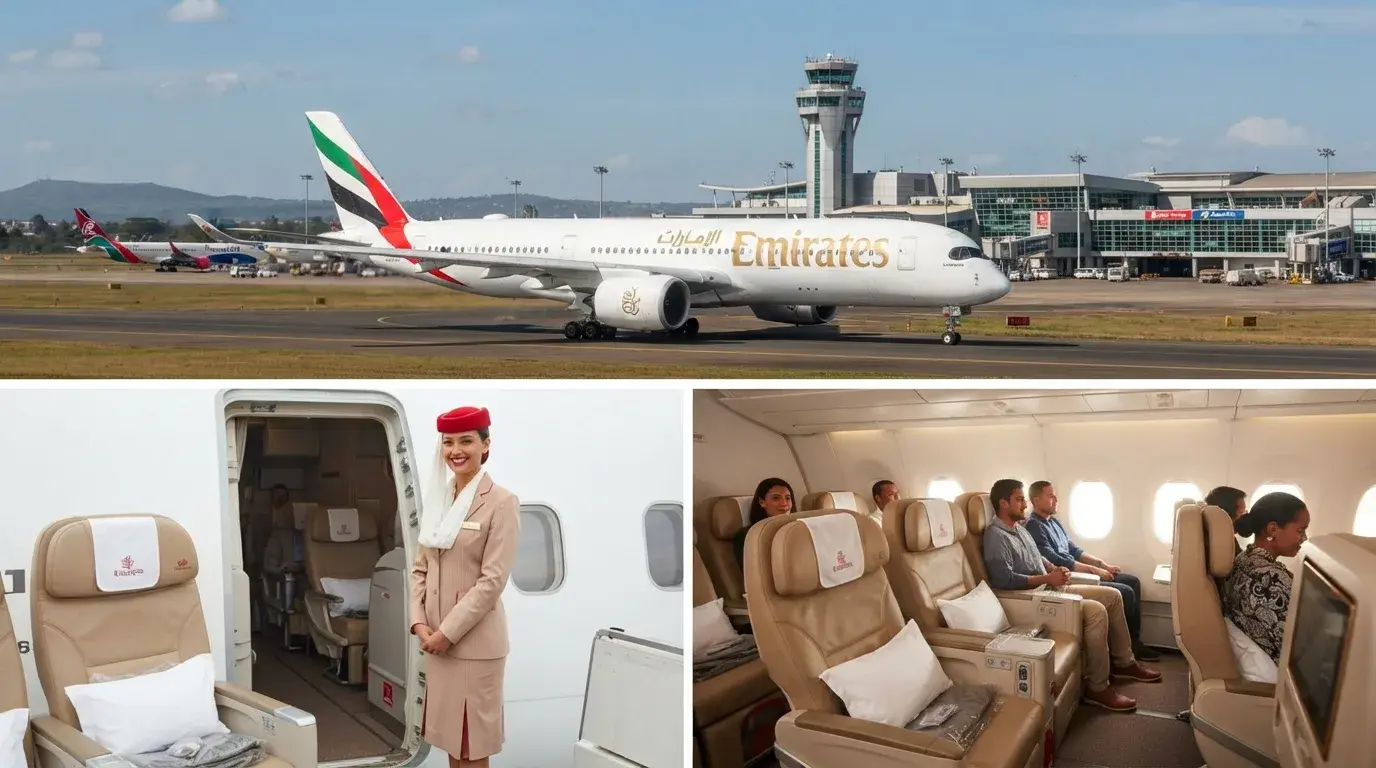
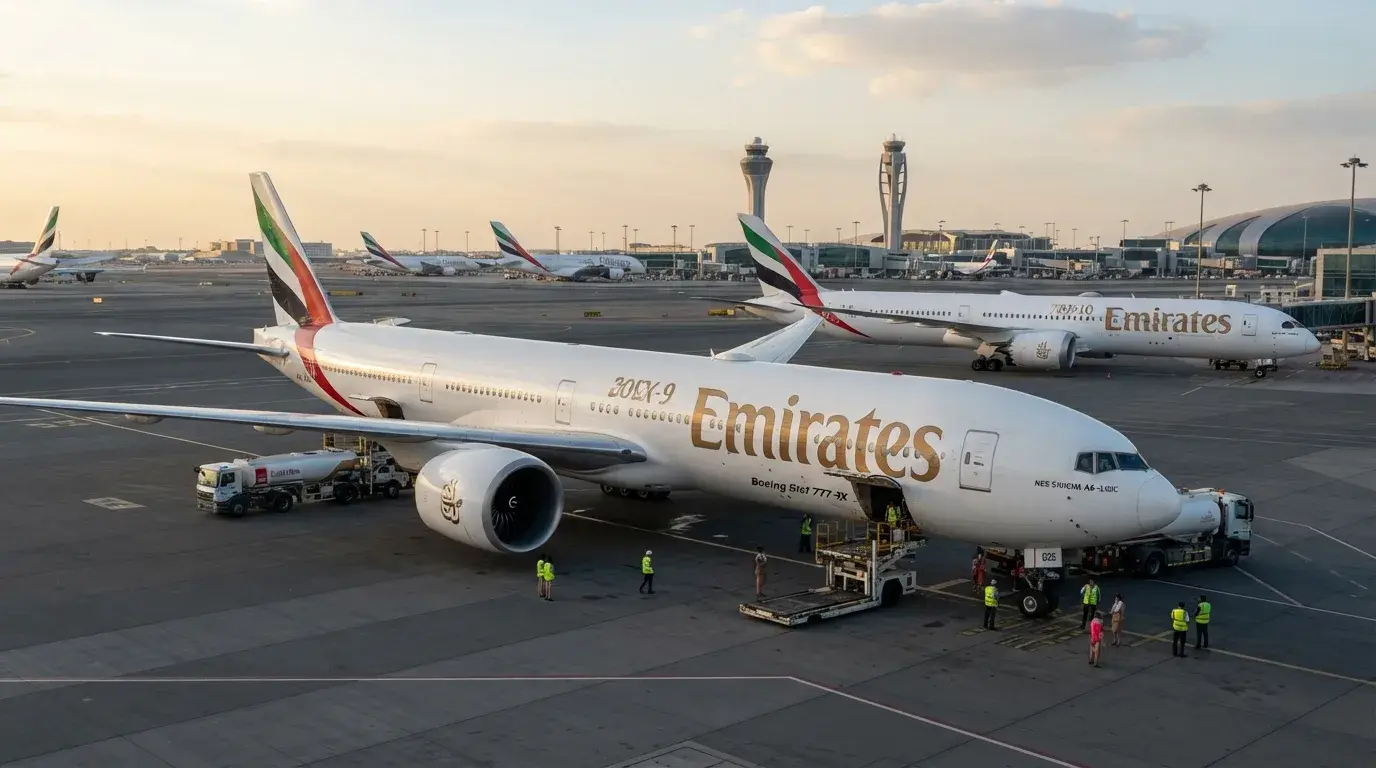
The skies between Dubai and Nairobi are entering a new era. Starting October 25, 2026, Emirates will replace its current aircraft with an Airbus A350 on its third daily rotation between the two cities. This strategic move isn’t just about fleet modernization—it introduces Premium Economy to Kenya for the first time, a groundbreaking offering that could redefine passenger expectations on this route. As East Africa attracts growing numbers of tourists and business travelers, this initiative positions Nairobi at the heart of a rapidly expanding global network.
The choice of the A350 is no coincidence. With 298 seats across three classes, the aircraft allows Emirates to balance traffic growth with enhanced passenger experience. Business Class, configured in 1-2-1, ensures aisle access for every traveler, while Premium Economy, arranged in 2-3-2, offers extra space and comfort for those seeking quality without the premium price tag. Economy Class maintains a competitive 3-3-3 layout, aligned with international airline standards.
The introduction of Premium Economy in Nairobi marks a turning point for the region. Travelers departing for Dubai or connecting to other destinations can now enjoy an intermediate service level, featuring 19.5-inch leather-reclining seats, adjustable footrests, and individual 13.3-inch screens. The onboard experience includes premium offerings like Chandon Vintage Brut 2017 sparkling wine, comfort kits, and dedicated bedding. Business Class passengers will benefit from lie-flat seats with individual minibars and wireless charging.
The strategic timing of the new rotation enhances its appeal. Flight EK717 departs Dubai at 1:20 AM, arriving in Nairobi at 5:25 AM, while EK718 leaves Nairobi at 7:10 AM, reaching Dubai at 1:15 PM local time. These early-morning slots are ideal for connections to Europe and North America, further solidifying Nairobi’s role as a key African aviation hub. Emirates highlights that this additional frequency adds 280 tons of weekly cargo capacity—a major advantage for Kenyan exports, particularly flowers and fresh produce, which the airline already transports at over 1,100 tons per week.
This evolution reflects a broader strategy for Emirates in Africa. Operating in Nairobi since 1995, the airline has carried over six million passengers on this route over three decades. The shift to the A350 underscores its commitment to modernizing its fleet while meeting the rising demand from African and international travelers. For passengers, this means quieter aircraft, reduced fuel consumption, and—most importantly—an improved cabin experience. Airbus, for its part, views this decision as further validation of the A350’s versatility, an aircraft already celebrated for its performance and comfort.
East Africa: A Rapidly Evolving Market
East Africa has become a major battleground for global airlines. With sustained economic growth and booming tourism, air transport demand is surging. Nairobi, in particular, has emerged as a strategic gateway for travelers from Europe, Asia, and the Middle East. Emirates’ introduction of Premium Economy directly addresses this demand, offering a credible alternative between Economy and Business Class—often perceived as prohibitively expensive for many travelers.
This initiative could inspire other airlines operating in Africa. Premium Economy is gaining traction on the continent, allowing carriers to attract a broader clientele while maintaining competitive fares. Emirates, with its global network and reputation for quality, is ideally positioned to capitalize on this trend. The airline has indicated that the A350 will be deployed on additional African routes in the coming months, reinforcing its commitment to the market.
Kenya stands to gain a double advantage: improved international connectivity and a strengthened role in air cargo. With rising agricultural exports and a strategic geographic position, the country has become a key player in African trade. Emirates’ added cargo capacity is a boon for local businesses, enabling faster delivery of goods to European and Asian markets. This synergy between passenger and cargo services is a model others may follow.
Optimized Connections for International Travelers
One of the standout benefits of Emirates’ new Nairobi-Dubai offering is the seamless connections it enables. Thanks to the early-morning schedules of flights EK717 and EK718, transit passengers in Dubai can easily reach Europe, North America, or Asia without delays. Cities like Paris, London, Brussels, Madrid, Rome, and Lisbon are now accessible within hours from Nairobi via Dubai. This optimized connectivity is a compelling argument for both business and leisure travelers.
For tourists exploring East Africa, the new route provides a practical gateway. Nairobi serves as an ideal starting point for destinations like Masai Mara National Reserve, Samburu Reserve, or the beaches of Diani. Travelers can combine a safari experience with a stopover in Dubai—a growing trend among tourists seeking diverse itineraries. By strengthening its Nairobi connections, Emirates aligns with this demand for integrated travel experiences.
The airline also emphasizes the A350’s enhanced connectivity features, including next-generation ice entertainment systems, 4K screens, USB-C ports, and improved connectivity. These technological innovations, combined with superior comfort, make the A350 a top choice for long-haul flights—even on shorter routes like Dubai-Nairobi, which clocks in at under six hours.
A Winning Bet for Emirates and African Industry
The arrival of the A350 and Premium Economy in Nairobi is more than just an upgrade for Emirates’ fleet—it’s a strategic wager on the future of air transport in Africa, a continent where travel demand continues to rise. By investing in modern aircraft and tailored services, the airline demonstrates its commitment to playing a pivotal role in global connectivity. For passengers, this translates into an improved cabin experience, optimized schedules, and easier access to a worldwide network.
This initiative could also have a ripple effect on Africa’s aviation industry. By attracting international carriers like Emirates, Nairobi strengthens its position as a hub airport, potentially encouraging other airlines to expand their African routes. Over the long term, this could foster new routes and local job creation in both aviation and tourism sectors. For travelers, this is good news: increased competition could lead to more competitive fares and continuous service improvements.
Emirates, meanwhile, solidifies its status as a leader in air transport. With an ever-expanding network and a modernized fleet, the airline is well-positioned to dominate African skies in the years ahead. The choice of the A350 and Premium Economy for Nairobi is more than a step forward—it’s symbolic. It signals that Africa is no longer a secondary market but a critical destination for global airlines.
For travelers, the opportunity is twofold: to experience an unprecedented cabin class in East Africa and to benefit from optimized connectivity to the rest of the world. With this new offering, Emirates is redefining travel standards in Africa—and it could change the game for millions of passengers.
Be the first to comment on this article
On the same topic
- Etihad Launches Calgary: First Direct Middle East to Western Canada Route, a Travel Revolution
- Aeromexico Launches Milan Route: A Game-Changer for Transatlantic Travel
- Air China Launches Groundbreaking Route to Iceland from Beijing via Copenhagen in 2026
- Starlux Leverages Art and Airbus to Revolutionize A350-1000s and Woo Europe
- Lufthansa Revives All Airbus A380s: Why the German Giant Bets on the Superjumbo for Munich Hub
- Thai Airways Ditches First Class for Futuristic Business Class and Revamped Network