Qatar Airways in Crisis: How the Middle East War Threatens Your Long-Haul Flights
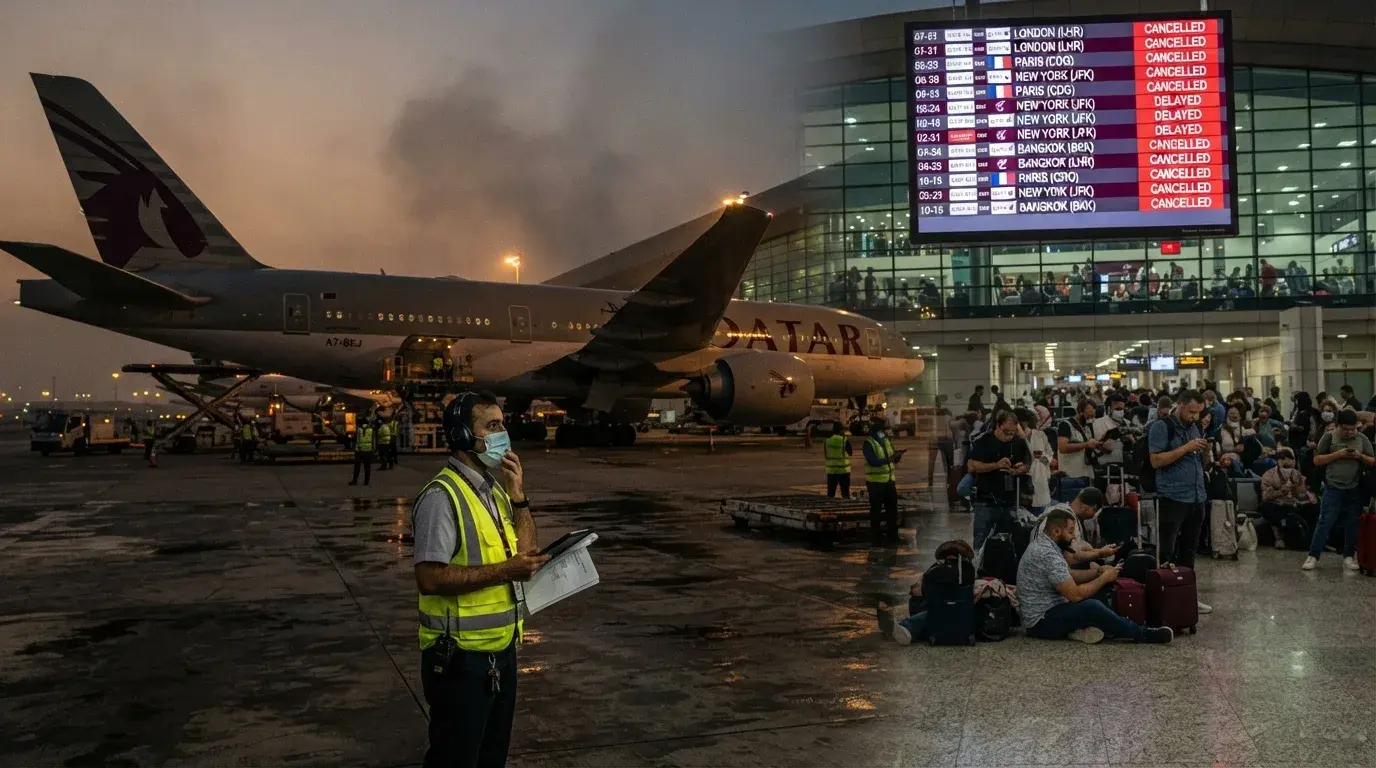
The Middle East war is taking a heavy toll on airlines. Qatar Airways, a major gateway to Asia and Africa, is feeling the full brunt of a conflict that has dragged on for months. Its CEO, Hamad Al-Khater, has gone so far as to call the situation “the worst crisis in its history.” Between airspace closures, skyrocketing fuel prices, and emergency network reorganizations, the Doha-based carrier is scrambling to limit damage. For travelers, that means canceled flights, potential fare increases, and altered itineraries.
To grasp the scale of the storm battering Qatar Airways, we must look at the root cause: the conflict with Iran. From the moment U.S. and Israeli strikes hit Tehran, Qatari airspace was shut down, forcing the airline to suspend operations temporarily. While Doha has since rebuilt part of its schedule, the situation remains highly volatile. Punctual airport closures in the region—such as those in Bahrain or the United Arab Emirates—regularly disrupt connections. As a result, Qatar Airways is constantly adjusting its offering, sometimes at the last minute, to avoid even heavier financial losses.
The surge in jet fuel prices is compounding an already tense situation. Recent estimates show fuel costs have climbed nearly 70% in a year, jumping from $90 per barrel in 2025 to over $150 in 2026. Hamad Al-Khater confirmed the spike hasn’t yet been passed on to ticket prices, but the airline is closely monitoring its margins. Since the start of 2026, Qatar Airways has already seen a drop of 1.3 million passengers, falling from 43.1 million in 2025 to 41.8 million this year—a trend that could continue if the geopolitical crisis persists.
A long-haul network in full reorganization
Facing these challenges, Qatar Airways has had to overhaul its flight program in depth. The airline has suspended or paused certain routes deemed “less profitable,” a move aimed at concentrating resources on the most lucrative markets. Despite this, it claims to have recovered 85% of its pre-crisis capacity by June 2026, with over 140 daily departures from Doha to more than 160 destinations. A seemingly normal return, but one that masks more complex realities.
Travelers planning long-haul trips to Asia, Africa, or the Americas may notice route changes or longer layovers. For example, a Paris-Doha-Tokyo flight could now route through Bangkok due to temporary closures on certain corridors. While necessary for the airline, these adjustments complicate life for passengers—especially those with tight schedules.
Another notable trend: last-minute bookings are surging. According to Hamad Al-Khater, 75% of Qatar Airways customers now book tickets less than 60 days before departure, up from 60% before the crisis. A shift reflecting the prevailing uncertainty—and a strategy for travelers to dodge last-minute cancellations. The airline, for its part, is leaning into this flexibility to fill planes, even if it means more volatile revenue.
What this means for travelers: what to expect
If you’re planning a trip with Qatar Airways in the coming months, here’s what you need to know to avoid unpleasant surprises. First, always check your flight status before heading to the airport. The airline updates its schedule in line with the evolving situation, and cancellations or delays can crop up overnight. Official channels (website, mobile app) are the most reliable sources for real-time updates.
Next, be prepared for altered itineraries. A direct Paris-Doha flight could, for instance, be replaced by a connection via Istanbul or Cairo. These changes are often announced weeks in advance, but sometimes only days before departure. If you have strict time constraints or tight connections, build in significant buffers.
Finally, brace for possible fare hikes in the medium term. While Qatar Airways hasn’t yet passed on fuel cost increases to ticket prices, the situation could change if the crisis worsens. Booking early remains your best defense against unexpected surcharges. The airline frequently runs promotions on its most in-demand routes, so keep an eye out for special offers.
Qatar Airways holds strong—but for how long?
Despite the turbulence, Qatar Airways is showing remarkable resilience. The group posted a net profit of $1.94 billion for the 2025-2026 fiscal year, though this represents a 7% drop year-over-year. A performance partly explained by diversified revenue streams (cargo, maintenance, hospitality) and rigorous cost management. The airline is also modernizing its fleet, with deliveries slated through late 2027 to gradually phase out its oldest aircraft.
For travelers, the takeaway is clear: this isn’t a temporary blip. The Middle East remains a geopolitical hotspot, and airlines operating there must adapt continuously. Qatar Airways, despite its size and influence, isn’t immune to further crises. For now, it’s banking on its Doha hub—one of the world’s most efficient—to maintain its appeal.
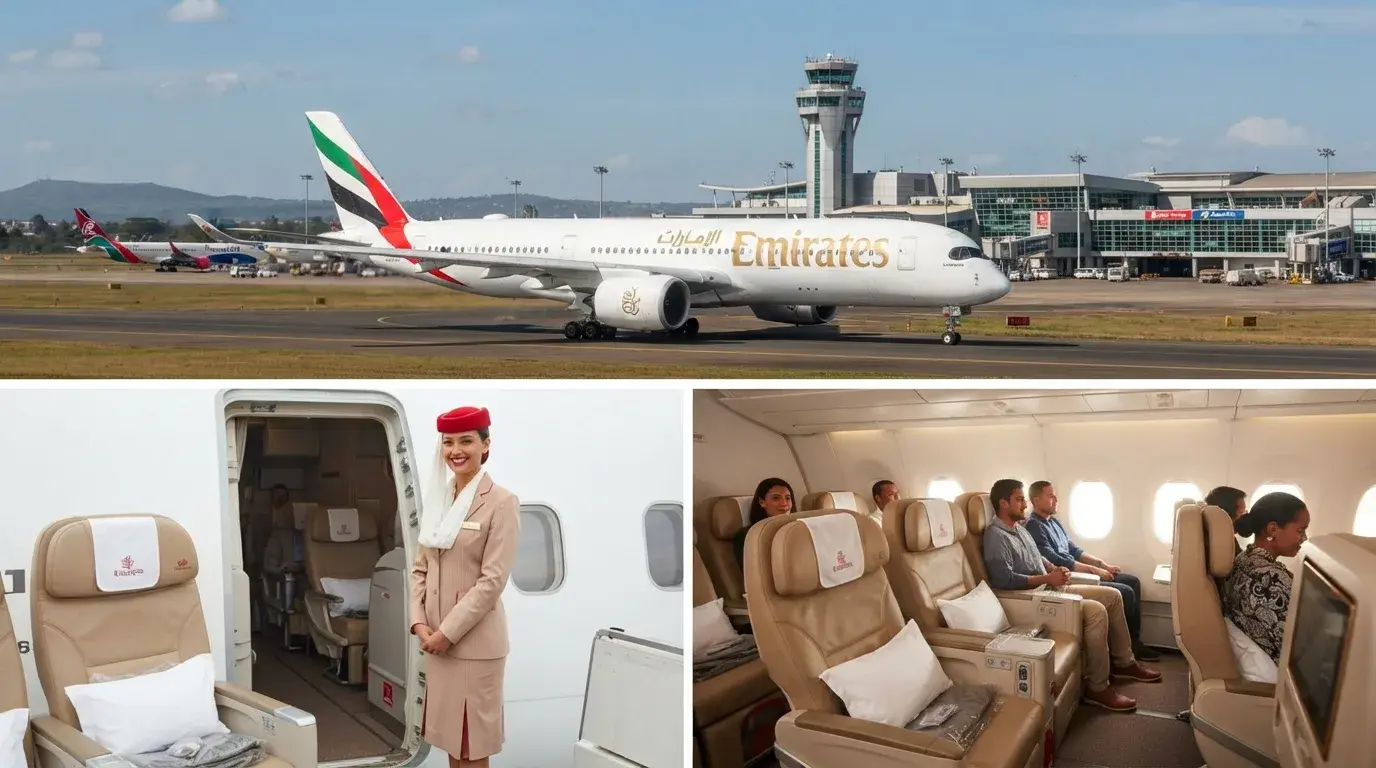
If you’re traveling to the region, caution is key. Consider alternative carriers (Emirates, Turkish Airlines) if your dates are flexible, or book tickets with comprehensive cancellation insurance. And above all, stay informed: last-minute announcements could well become the new normal in the months ahead.
Key takeaways
Qatar Airways is navigating its worst crisis yet amid the Middle East war. The airline has lost millions of passengers, faces exploding costs, and must constantly reorganize its network. For travelers, that means canceled or altered flights, a surge in last-minute bookings, and greater uncertainty over fares. If you’re flying with the airline, check your booking status regularly and prepare for itinerary changes. The situation could evolve further in the coming months—so it pays to stay ahead of the curve.
Be the first to comment on this article