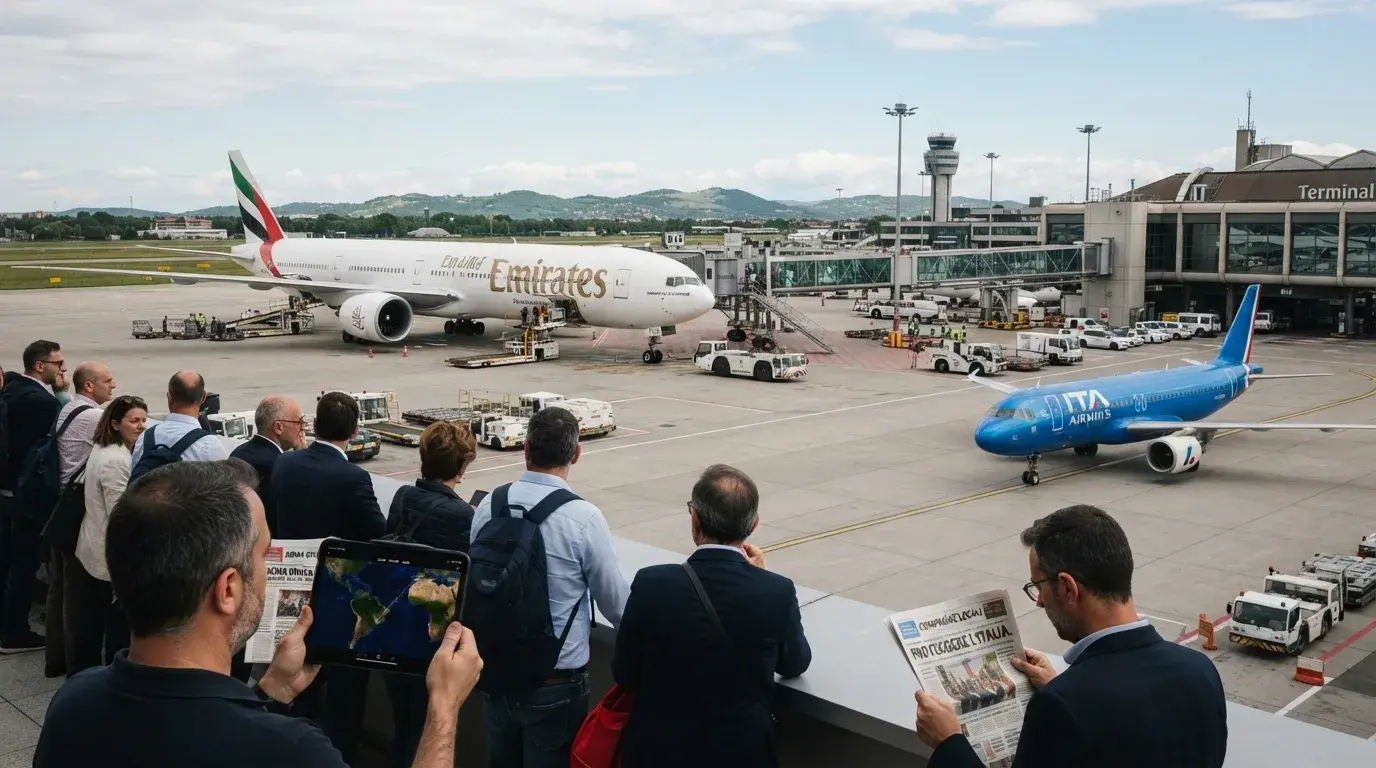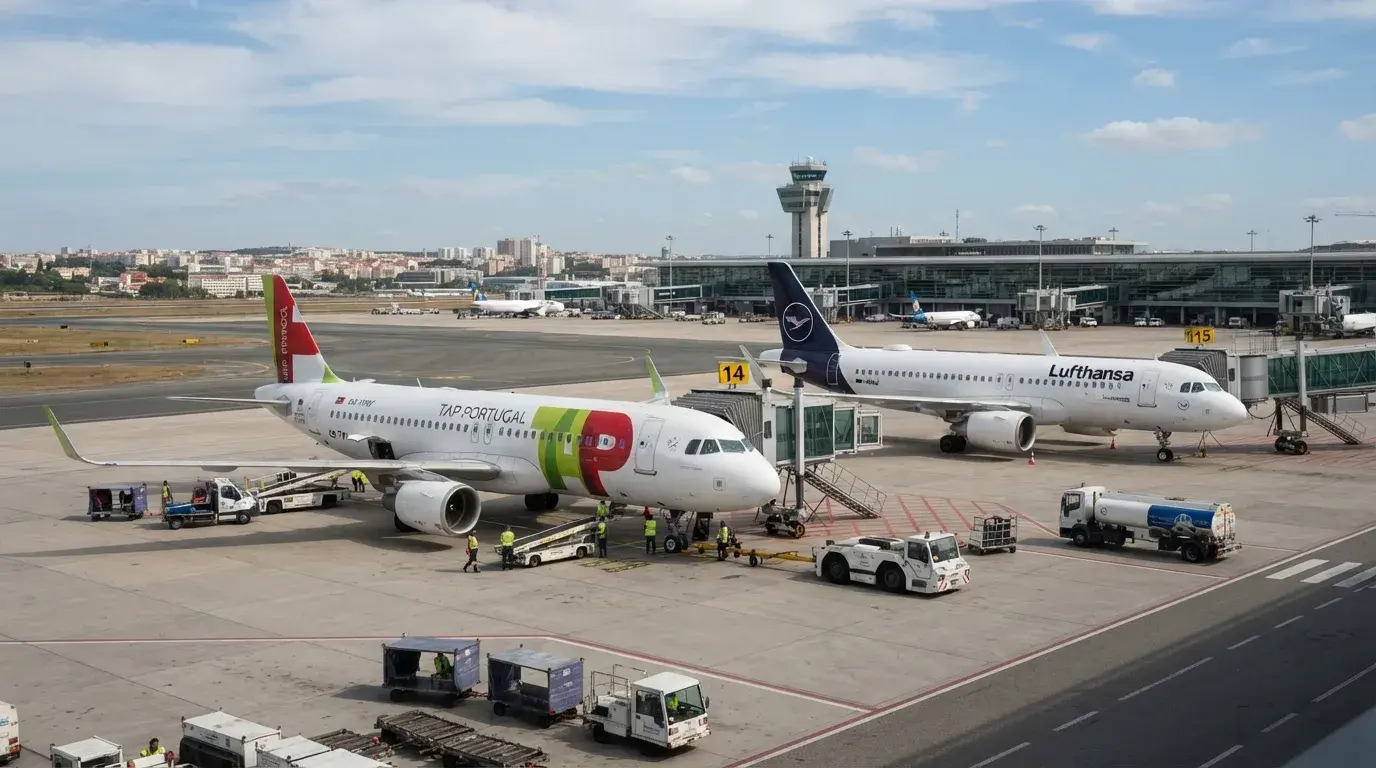
Summer 2026 Jet Fuel Shortage Risk: Airlines on High Alert Amid Middle East Oil Crisis
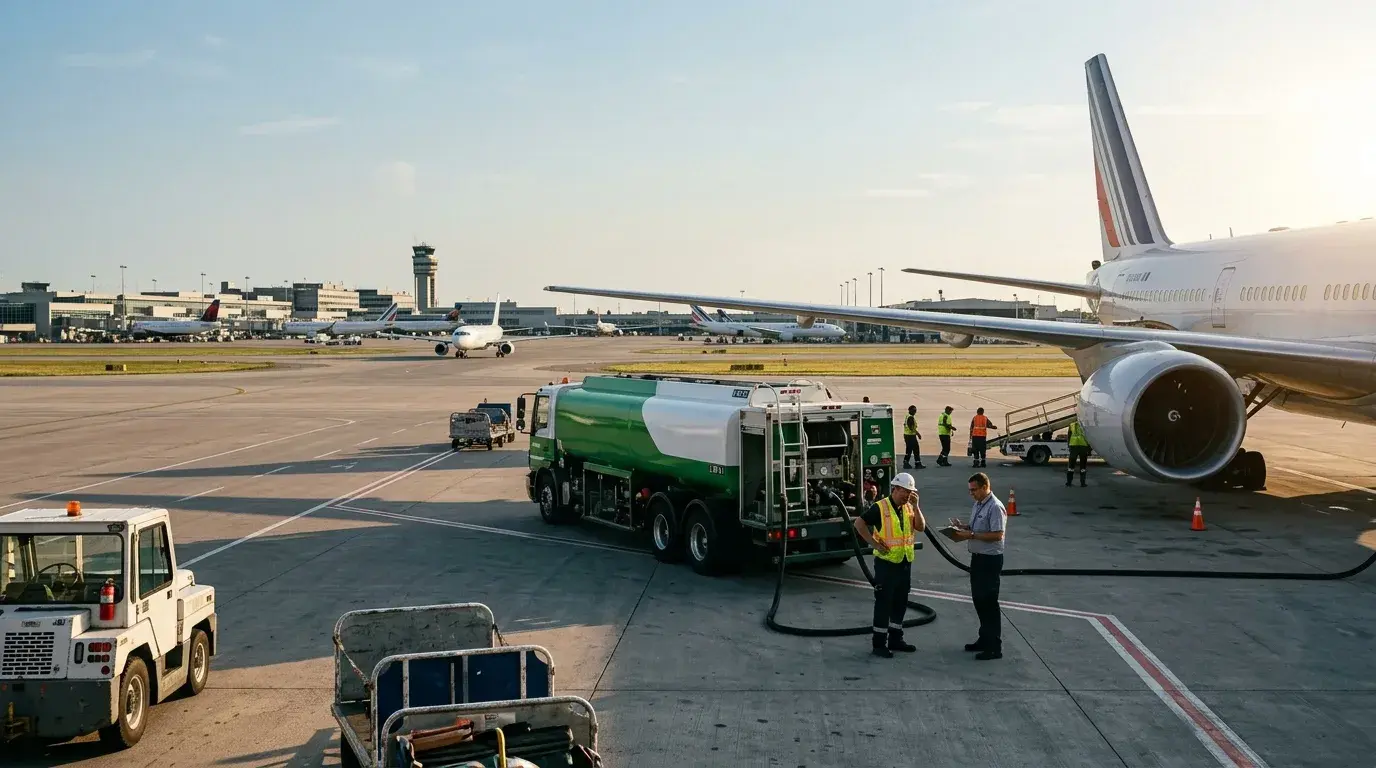
The specter of a oil shortage looms over summer 2026. A major geopolitical crisis in the Middle East threatens to paralyze hydrocarbon supplies, with direct repercussions on the cost of jet fuel, the lifeblood of civil aviation. At the heart of the issue: the partial closure of the Strait of Hormuz, a vital artery through which nearly 20% of the world’s oil transits, following escalating tensions between the United States, Israel, and Iran.
Top international institutions, including the International Monetary Fund (IMF) and the World Bank, are sounding the alarm. According to their latest analyses, global oil reserves are depleting at an unprecedented rate in decades. Without rapid normalization of maritime traffic in the Gulf, stocks may prove insufficient to meet surging summer demand in the Northern Hemisphere. Jet fuel, already accounting for 25% to 35% of an airline’s operating costs, could see prices skyrocket, jeopardizing the profitability of many carriers.
Airlines, already weakened by years of successive crises, now face a stark dilemma: how to absorb a sudden spike in costs without fully passing the increase on to ticket prices? The volatility of the oil market, exacerbated by the war in the Middle East, demands difficult trade-offs. Some airlines, particularly Asian operators, are especially exposed due to their historical reliance on Gulf oil supplies.
The Strait of Hormuz: Epicenter of a Global Energy Crisis
The Strait of Hormuz is more than just a critical chokepoint for oil tankers—it is a zone of perpetual geopolitical tension that could erupt into open conflict at any moment. Since the outbreak of hostilities between Israel and Iran, maritime traffic has been under heightened surveillance, with route closures and stricter controls. The result: oil shipments that normally pass through this route are either blocked or rerouted along longer, costlier paths.
International organizations, including the International Energy Agency (IEA), warn that the current situation is “more critical in April than in March.” Strategic reserves and partial demand adjustments have so far averted the worst, but these buffers are limited. Without a swift reopening of the strait, the risk of shortages becomes a plausible scenario as early as this summer. For civil aviation, this means mounting pressure on fuel costs, already rising for several months.
Airlines can no longer rely on buffer stocks or stable prices. Jet fuel, whose price has already more than doubled at certain points in 2026, could see another surge. Airlines, which operate on notoriously thin margins, would then be forced to reduce capacity, adjust flight schedules, or pass costs on to passengers. A difficult equation to solve in a context of volatile demand and fierce competition.
Civil Aviation in the Crosshairs: Airlines Under Extreme Pressure
For civil aviation, the shock would be twofold. First, a direct increase in fuel costs. Second, a reduction in flight supply, particularly on long-haul routes that consume the most jet fuel. Asian airlines, heavily dependent on Gulf oil supplies, would be the hardest hit. But European and American carriers would not be spared, especially on intercontinental routes.
Several airlines have already begun adjusting their plans. Some are reducing frequencies on less profitable routes, while others are opting for more fuel-efficient aircraft or using financial hedging to mitigate price volatility. But these measures have their limits. International organizations warn that a prolonged decline in oil stocks before the summer demand peak could force some operators to significantly scale back operations. The most exposed routes? Intercontinental flights to Asia, North America, and the Middle East.
Airlines have no choice but to prepare for a crisis scenario. The question is no longer whether a shortage will occur, but when and how it will materialize. The most vulnerable carriers may be forced to temporarily suspend certain routes, reorganize their hubs, or renegotiate supply contracts with refiners. A period of turbulence looms for an industry still in post-pandemic restructuring.
Airlines Face a Dilemma: Raise Prices or Cut Capacity?
Facing the crisis, airlines are caught in a classic bind. If they pass on the rising cost of jet fuel to ticket prices, they risk deterring price-sensitive passengers. If they absorb the increase, their already fragile margins could collapse. The equation is even more complex given that post-pandemic demand remains volatile and travelers are increasingly cost-conscious.
Some airlines are adopting a mixed strategy: raising fares on high-demand routes while reducing frequencies on less profitable ones. Others are forging partnerships with fuel suppliers to secure long-term supplies. But these solutions may not be enough to avert a widespread crisis. The most exposed carriers could be forced to temporarily suspend routes or reorganize hubs to limit the impact of rising costs.
In this context, passengers should expect adjustments. Airlines may reduce seat availability on long-haul flights, hike fares, or offer targeted promotions to stimulate demand. A transitional period lies ahead—not just for the industry, but for travelers, who must adapt to a new aviation landscape.
How Airlines Are Fighting Back Against the Crisis
To mitigate the crisis, airlines have several levers at their disposal. The first is optimizing flight plans. By adjusting routes and altitudes, they can reduce fuel consumption. The second is deploying more fuel-efficient aircraft, such as new long-haul models with advanced engines. The third is financial hedging, which helps cushion the impact of price volatility on operating costs.
But these measures have their limits. Airlines cannot indefinitely cut frequencies or suspend routes without risking market share losses. They must also contend with operational constraints, such as aircraft and crew availability. In this environment, the most vulnerable carriers may be forced to significantly scale back operations, with direct consequences for passengers.
Airlines with modern fleets and diversified supply strategies will be better equipped to weather the storm. Even they, however, cannot fully escape the fallout of an oil shortage. A period of turbulence lies ahead—for the industry and for travelers, who must adapt to a reshaped aviation landscape.
What Travelers Can Do: Plan Ahead and Adapt
In light of this situation, travelers can take steps to mitigate the impact of the crisis. First, book early—avoiding peak demand periods or opting for flexible, refundable tickets. Second, prioritize airlines less exposed to fuel cost hikes, particularly those with modern fleets and diversified supply strategies.
Travelers should also stay alert to airline announcements. Some may adjust flight schedules or raise fares based on the evolving crisis. Vigilance is key to avoiding surprises. Finally, consider alternatives such as rail links or flights with stopovers, which could become more attractive if jet fuel shortages worsen.
A transitional period is unfolding for civil aviation. Both travelers and airlines must adapt to a new landscape marked by volatile costs and the need to rethink strategies. One certainty: the current crisis could reshape the contours of the aeronautics industry for years to come.
Be the first to comment on this article
On the same topic
- Ryanair Slashes Winter Frequencies to Counter Soaring Fuel Costs—Here’s How It Affects Your Travels
- Pegasus Airlines Acquires Smartwings: Turkish Low-Cost Giant Expands into Central Europe
- Emirates Weighs Swapping Boeing 787s for 777Xs: A Strategic Shift That Could Transform Long-Haul Travel
- Air Transat Makes Year-Round Montreal-Dakar Route Permanent: How to Book Before Prices Soar
- EU Plans to Block easyJet Takeover by US Funds: What It Means for Your European Flights
- Air Astana Launches Two New Routes from Kazakhstan: Larnaca and Guangzhou at Low Prices