Lufthansa Unveils A350-1000: How the 700th Airbus Will Revolutionize Long-Haul Flights in 2026
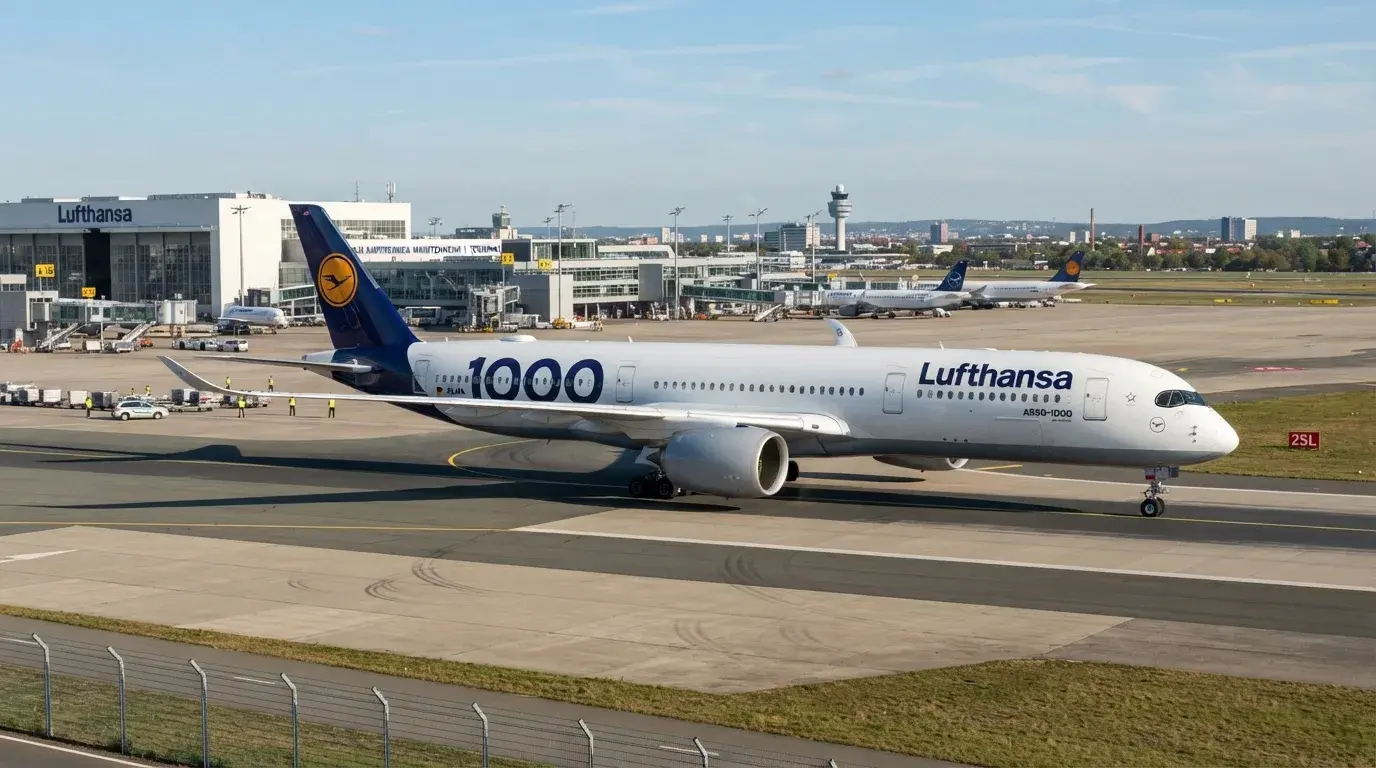
The Lufthansa Group has reached a historic milestone with the delivery of its first Airbus A350-1000, an aircraft that is not only the 700th Airbus delivered to the airline over more than five decades of partnership but also the flagship of an entirely reimagined fleet prioritizing efficiency and comfort. Painted in Lufthansa’s centennial livery (1926–2026), this aircraft represents a key step in the modernization of Germany’s long-haul network, with direct implications for European travelers seeking far-flung destinations.
Registered as D-AIFA and set to be based in Munich by autumn 2026, this A350-1000 will gradually replace aging A340-600 quadrimotors, known for their high fuel consumption and significantly higher emissions. Stretching nearly 74 meters long and accommodating around 300 passengers across four classes—including a First Class maintained for the most discerning travelers—this aircraft embodies Lufthansa’s strategy: delivering sustainable long-haul travel without compromising luxury. Early estimates suggest the A350-1000 could reduce fuel consumption by 25% compared to the A340-600, a compelling advantage amid rising energy prices and tightening CO₂ emission regulations.
For passengers, the benefits are manifold. First, a more spacious cabin thanks to the extended fuselage, offering increased seat pitch in Business Class and dedicated spaces in First Class. Second, cutting-edge technologies such as improved air purification systems, 4K OLED screens across all classes, and high-speed Wi-Fi connectivity (with Starlink already deployed on other group aircraft). Third, a reduced cabin noise level, a detail that makes a significant difference on flights exceeding 12 hours, where acoustic comfort becomes a decisive factor for frequent flyers.
Yet beyond its technical performance, it is Lufthansa’s commitment to a centennial fleet that captures attention. The D-AIFA will be the seventh aircraft to sport the special “100 Years” livery, alongside an A350-900, an A380, a Boeing 787-9, and a Boeing 747-8. This commemorative fleet, visible across the entire network, does more than celebrate history—it foreshadows the future, with aircraft designed to remain in service for at least 25 to 30 years. For aviation enthusiasts and travelers alike, it offers a unique opportunity to fly aboard a piece of flying history while benefiting from the latest innovations in comfort.
Priority destinations for the A350-1000 will logically be those with the strongest demand for Business and First Class: routes between Munich and New York (JFK), Los Angeles, or Bangkok, for example. Lufthansa has not yet released a precise schedule for these routes, but these destinations are expected to be the first to benefit from the aircraft’s increased capacity (around 35% more seats than the A350-900). One thing is certain: the arrival of this aircraft coincides with a period when European travelers are seeking alternatives to congested hubs like London, Paris, or Amsterdam, where connections are becoming longer and more expensive.
Why Lufthansa’s A350-1000 is a game-changer for your long-haul flights
While Lufthansa’s choice of the A350-1000 may seem technical, its impact on passengers is both concrete and immediate. First, the reduction in operational costs for the airline translates into greater fare stability on long-haul routes, especially during peak demand. Unlike other carriers that raise prices in high season, Lufthansa could limit cost volatility—a major advantage for travelers planning trips well in advance.
Second, the aircraft is engineered for optimized maintenance, with extended intervals between overhauls and a composite structure that minimizes corrosion risks. For passengers, this means fewer delays due to technical issues on long-haul flights—a persistent problem that affected thousands of travelers in 2025 and 2026 amid strikes and recurring breakdowns across Europe. Lufthansa is also targeting improved on-time performance, with a current departure punctuality rate (OTP) of over 85% on its A350-900 fleet and a goal of 90% by 2027.
In terms of cabin experience, the A350-1000 introduces several subtle yet impactful innovations. In Business Class, reverse herringbone seats offer direct aisle access, a feature already deployed on the A350-900. In First Class, fully privatized suites with sliding doors will be available on the most in-demand routes, providing nearly 2 square meters of floor space per passenger. Even in Economy, passengers will benefit from new ergonomic seats and improved legroom, with a seat pitch of 31 to 32 inches depending on configuration.
Finally, the aircraft is equipped with Starlink connectivity, already tested on other group aircraft. Passengers will enjoy high-speed Wi-Fi (up to 150 Mbps) at no extra cost in most cases—a feature increasingly expected, especially on transatlantic flights where online work or entertainment is essential. For business travelers, this means seamless participation in video conferences, while tourists can share their experiences in real time.
Which destinations will benefit first from the A350-1000?
Lufthansa has not yet unveiled the full rotation schedule for the A350-1000, but several indicators suggest which destinations will benefit first. Munich, the group’s secondary European hub, will serve as the aircraft’s primary base, opening the door to routes to less-served cities from Frankfurt or Berlin. Here are the most likely destinations:
North America: New York (JFK), Los Angeles, San Francisco, and Toronto. These already high-demand routes could see increased flight frequencies or new evening schedules, ideal for travelers originating in Europe. The A350-1000 will also help absorb growing demand for business travel to tech (Silicon Valley) and financial (New York) markets.
Asia: Bangkok (Suvarnabhumi), Singapore, and Tokyo (Haneda). These destinations, already served by Lufthansa, could benefit from additional direct flights from Munich, avoiding tedious connections in Frankfurt. Bangkok, in particular, is a top European destination for sun-seekers and culture enthusiasts, with traffic up 7% in 2026 according to IATA.
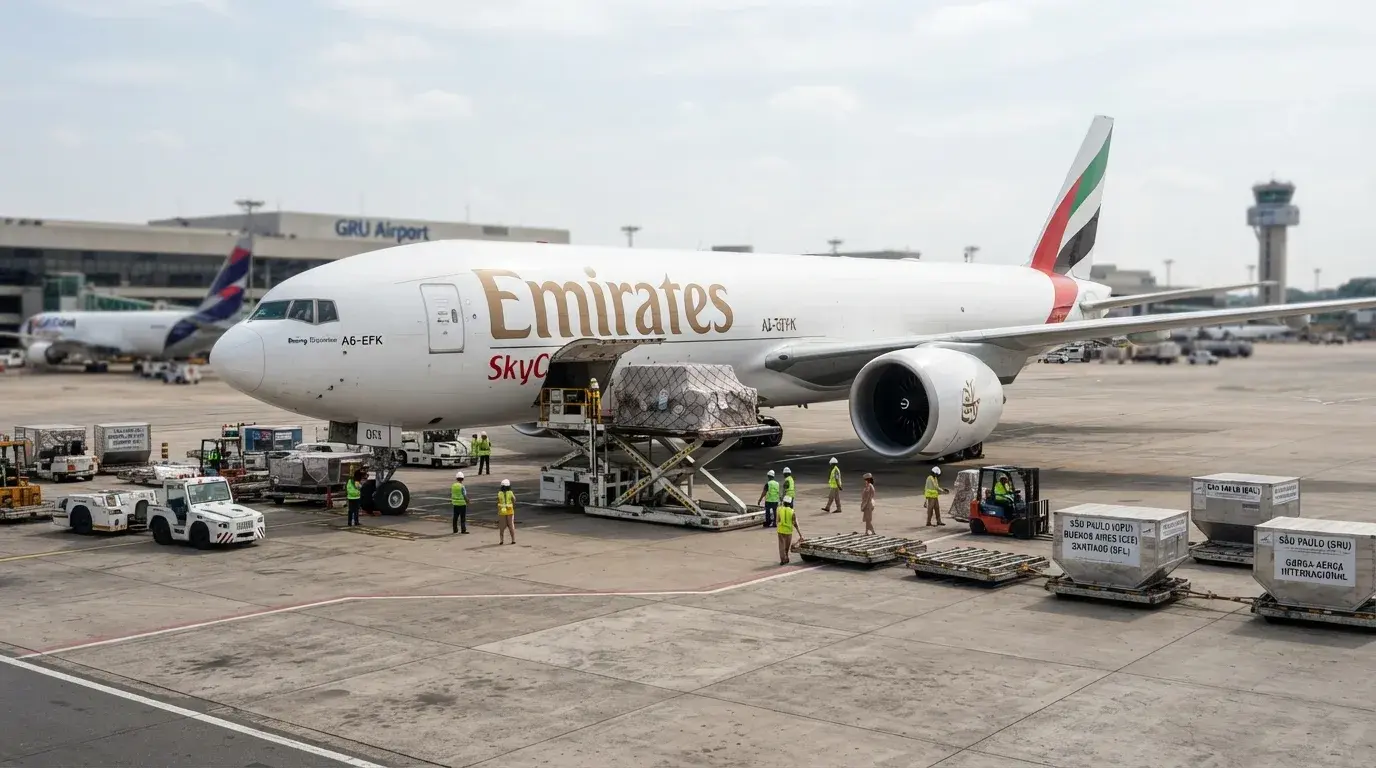
South America: São Paulo (GRU) and Rio de Janeiro. South America remains a growing market for Lufthansa, with sustained demand for business travel to Brazilian economic hubs. The A350-1000 will enable direct flights from Munich, reducing travel time for German passengers.
Africa: Johannesburg and Cape Town. South Africa is an increasingly popular destination for both tourism and business, with annual air traffic growth of 6% in 2026. The arrival of the A350-1000 could allow for seasonal flights to Cape Town, a rising star for European travelers seeking adventure.
For travelers, these new routes represent a time-saving opportunity: for example, a direct Munich-Johannesburg flight avoids a connection in Frankfurt, cutting total travel time by nearly two hours. Similarly, a direct Munich-Bangkok flight is faster than a route via Frankfurt and Singapore, offering significant time savings for connecting passengers.
How to book your ticket on Lufthansa’s A350-1000
Availability for tickets on the A350-1000 will depend on Lufthansa’s rotation planning, but the airline has already opened bookings for flights scheduled from autumn 2026. Here are the key steps to reserve your seat:
First, check the flight schedule on Lufthansa’s website or via its mobile app. The D-AIFA aircraft will be identifiable by its registration and the special “100 Years” livery, visible on booking screens. For frequent flyers, the group offers discounted fares through its Miles & More program, with bonus miles for bookings on new aircraft.
Next, compare class options. The A350-1000 will feature four classes: First, Business, Premium Economy, and Economy. First Class seats are limited (between 8 and 12) and book up quickly, especially on North American routes. For business travelers, Business Class offers excellent value, with leather seats and retractable tables. In Economy, the new ergonomic seats and increased legroom—with a pitch of 31 to 32 inches—make it a competitive option compared to low-cost carriers on long-haul routes.
Finally, watch for promotions. Lufthansa frequently launches special offers for first flights on new aircraft, with discounts of up to 30% on base fares. For example, round-trip Munich-New York tickets could be available from €600 in Business Class (excluding taxes) for bookings made before December 31, 2026. To stay informed, enable notifications on Lufthansa’s website or subscribe to its newsletter.
Lufthansa’s A350-1000: A winning bet for the future of travel
The arrival of the A350-1000 at Lufthansa is more than just a fleet update—it signals that European air travel is entering a new era where operational efficiency, sustainability, and comfort are no longer optional but essential. With this aircraft, Lufthansa isn’t just modernizing its fleet; it’s redefining the standards of long-haul travel, offering passengers a credible alternative to congested hubs and low-cost carriers that overlook comfort.
For European travelers, this means more choices, more stable fares, and more direct routes to distant destinations. For competing airlines, it’s a clear signal: the era of fuel-guzzling quadrimotors is over, and next-generation twinjets like the A350-1000 are set to dominate the skies in the years ahead. If you’re planning a long-haul trip in 2026 or 2027, keep a close eye on Lufthansa’s announcements—the A350-1000 could well become your best ally for hassle-free, nonstop escapes.
Be the first to comment on this article