Charleroi-Brussels South closed for 11 weeks in 2028: how to organize your trips stress-free
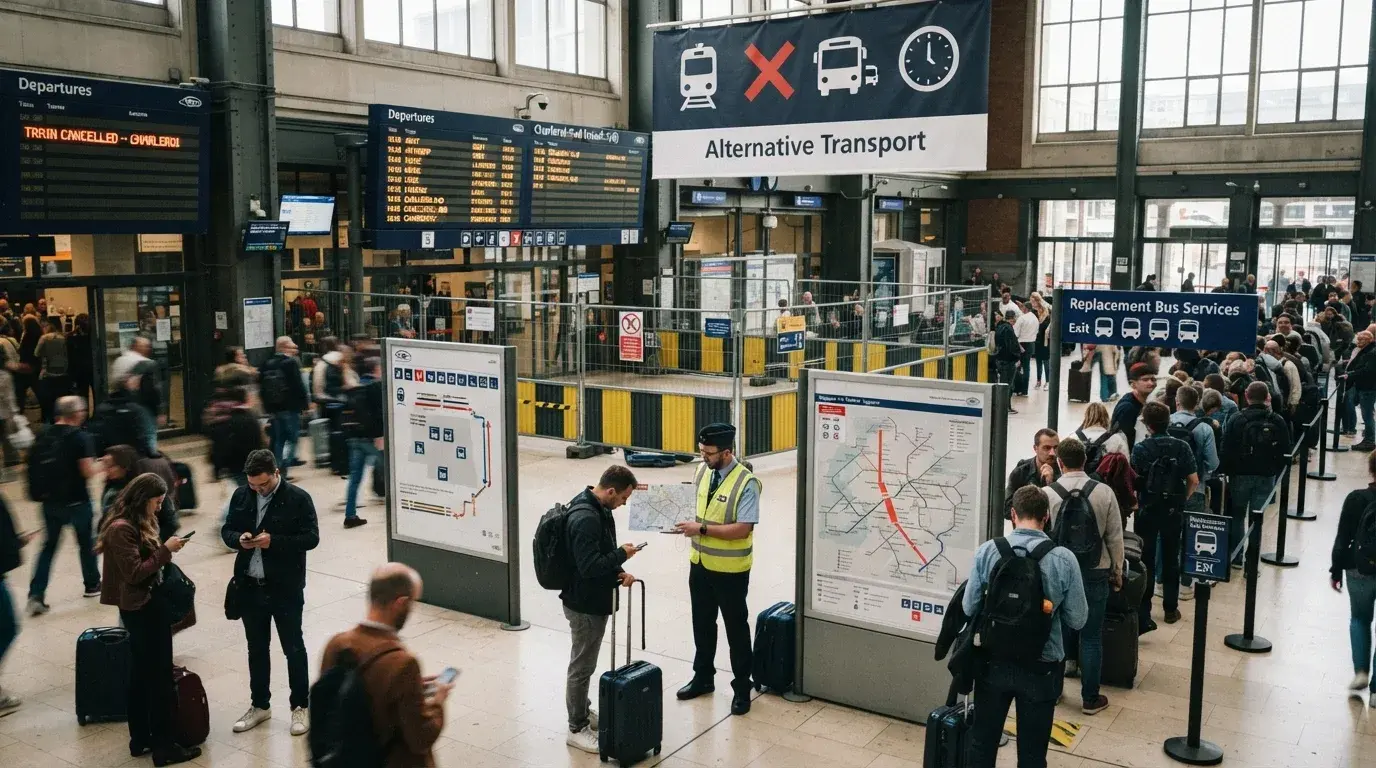
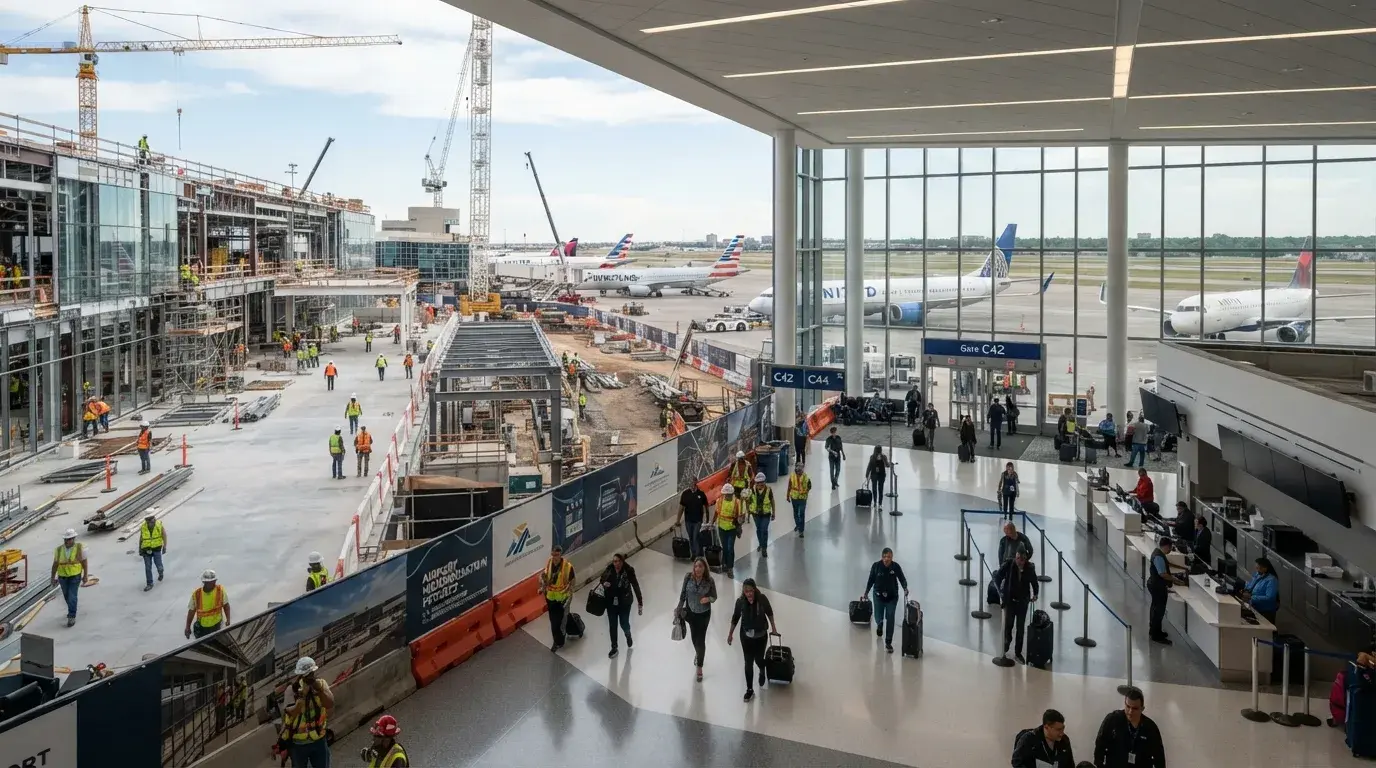
Charleroi-Brussels South Airport, a major gateway for many Belgian and European travelers heading to low-cost and African destinations, will close completely for 11 weeks in 2028. A full renovation of its single runway is behind this total shutdown, scheduled between mid-August and late October 2028. A historic project that will reshape air travel in Belgium and beyond.
This planned closure, announced by Brussels South Charleroi Airport (BSCA) and confirmed by the Walloon Airport Authority (SOWAER), comes as no surprise. It aligns with a modernization drive after decades of intensive use. The current pavement, at the end of its life, requires a complete rebuild to ensure safety, performance, and the attractiveness of the platform. But for passengers and airlines, this forced pause will require major reorganizations.
The work schedule has been carefully prepared. It was finalized in November 2024 after years of studies, with the goal of concentrating efforts into a single period rather than spreading disruptions over several years. Teams will work around the clock to minimize the overall duration of the shutdown. A strategy that, while risky, should allow the infrastructure to be operational again by the end of October 2028.
For travelers, the immediate question is: how to organize your trips during these 11 weeks? Airlines based in Charleroi, primarily Ryanair, will either redeploy flights to other Belgian airports like Liège or Brussels-Zaventem, or suspend certain routes for the duration of the works. A complex logistical challenge that could impact bookings and passenger budgets.
A closure that disrupts traveler habits
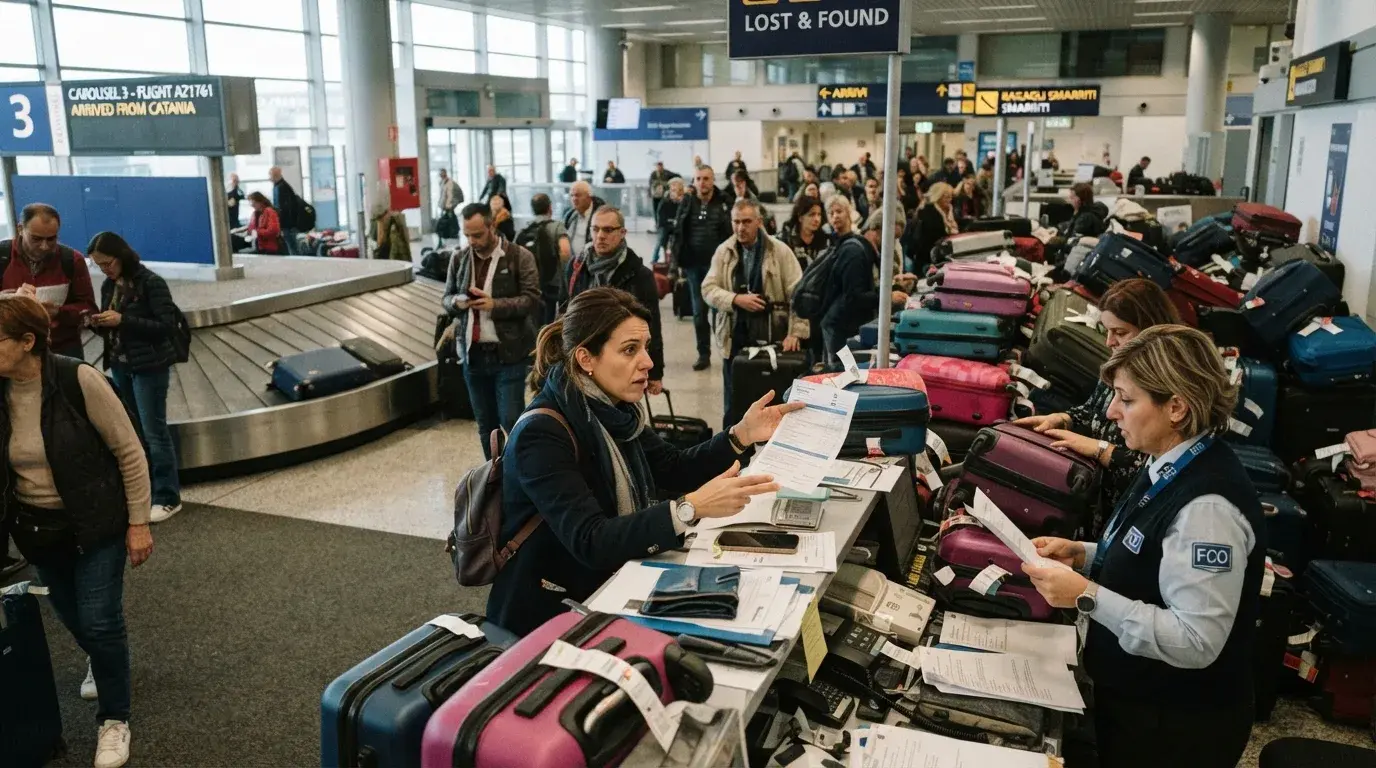
The closure of Charleroi-Brussels South will cause upheaval for thousands of travelers every week. Popular destinations like Marrakech, Agadir, or African cities may see reduced frequencies or suspended flights. For passengers accustomed to these direct and often affordable routes, the alternative will be to transit through other hubs, sometimes with long and costly connections.
Liège Airport, already in the frontline to absorb some of the redirected operations, is preparing to handle a significant influx of flights and passengers. The Liège hub, specializing in cargo and low-cost flights, has already indicated it is "ready" to absorb part of the traffic. However, not all routes can be transferred, and some destinations will have to be suspended during the closure.
Passengers are advised to check the status of their bookings now and anticipate possible route changes. Airlines are expected to announce reorganization plans soon, but one thing is certain: flexibility will be key.
An economic and social impact not to be underestimated
The consequences of this closure extend beyond travelers. Trade unions are concerned about the repercussions on employment and the long-term viability of certain routes. Alain Goelens, representing SETCa, questions the guarantees for restoring all services after reopening. He also highlights the lack of an offensive strategy by the Walloon government to diversify airlines at Charleroi-Brussels South, which is currently almost entirely dependent on Ryanair.
This dependency poses a risk: if some routes are not reinstated after the works, cities could lose their direct connection to Charleroi, depriving travelers of an often affordable and convenient option. Unions are demanding clarity on compensation conditions and potential recourse to economic unemployment for employees during the operational shutdown.
The social climate is already tense, marked by Ryanair’s announced fleet reduction and debates around airport taxation. The 2028 closure could exacerbate these tensions, especially if the compensation promised by Walloon authorities falls short of expectations.
Should we fear strikes before the closure?
In the short term, the social climate at Charleroi-Brussels South appears calm. The strike notice filed by Belgian air traffic controllers for August 12 has been suspended following an initial conciliation meeting deemed "constructive" by Skeyes, Belgium’s air traffic control provider. A new meeting is scheduled for August 17, but for now, air traffic operations can proceed normally at Charleroi during the summer period.
This social truce is good news, but it does not guarantee a complete absence of disruptions by 2028. Unions could return to the table if negotiations on working conditions and job guarantees do not progress. For passengers, it will be crucial to follow the airport’s operational and social news in the coming months and years.
How to prepare for the closure of Charleroi-Brussels South
For regular travelers through Charleroi-Brussels South, the 2028 closure must be planned now. Here are some steps to organize your trips stress-free:
First, check the duration of your bookings. If you plan to travel between August and October 2028, your flight will likely be canceled or redirected. Contact your airline to learn about the options available: refund, rescheduling, or alternative via another airport.
Next, explore alternatives. Liège, Brussels-Zaventem, or even French airports like Lille or Paris-Beauvais could become your new departure points. Compare prices, travel times, and frequencies to choose the most suitable solution for your needs. Keep in mind that redirected flights may be more expensive or less convenient, especially during peak season.
Finally, prioritize flexibility. If possible, postpone your trips outside the closure period or opt for destinations accessible from other airports. Airlines are expected to announce reorganization plans soon, but one thing is certain: planning will be essential.
For the most organized travelers, this closure could even present an opportunity. Alternative airports like Liège may offer temporary promotions to attract Charleroi passengers. Good news for those who know how to take advantage of it.
A project that could change the face of Belgian aviation
Beyond immediate disruptions, the 2028 closure of Charleroi-Brussels South could have lasting repercussions on Belgium’s air travel landscape. If the project is completed successfully, the renovated runway and modernized infrastructure should offer better long-term performance and capacity. A boon for the platform’s attractiveness.
However, there is also a risk that some routes may never return due to insufficient profitability or demand. Walloon authorities and airlines will need to work closely to ensure a balanced resumption of services. A complex but essential task to prevent Charleroi-Brussels South from being marginalized in favor of other hubs like Brussels-Zaventem or Liège.
For travelers, this closure is yet another challenge in an aviation sector already marked by strikes, price hikes, and geopolitical uncertainties. But with good preparation, it is possible to minimize the impact and continue traveling smoothly. Charleroi-Brussels South will close its doors, but the air travel adventure will go on.
Stay informed: airlines and airport authorities will soon announce reorganization plans. In the meantime, it’s best to plan ahead to avoid unpleasant surprises.
Be the first to comment on this article
On the same topic
- Ryanair and Google Cloud Partner to Revolutionize Flights with AI by 2026
- How Ryanair Prepares for Its Biggest 2026/27 Winter with 80 Million Seats and 1,700 Routes
- easyJet soon in Apollo’s hands? What the fund battle means for your European flights
- Dublin Airport: Ireland to Lift Passenger Cap Threatening Growth
- EES checks in French airports: Why Ryanair is calling for a summer pause
- Ryanair tightens check-in deadlines from November 2026