China Finally Validates Its Order for 200 Boeing Aircraft: What This Means for Your Next International Flights
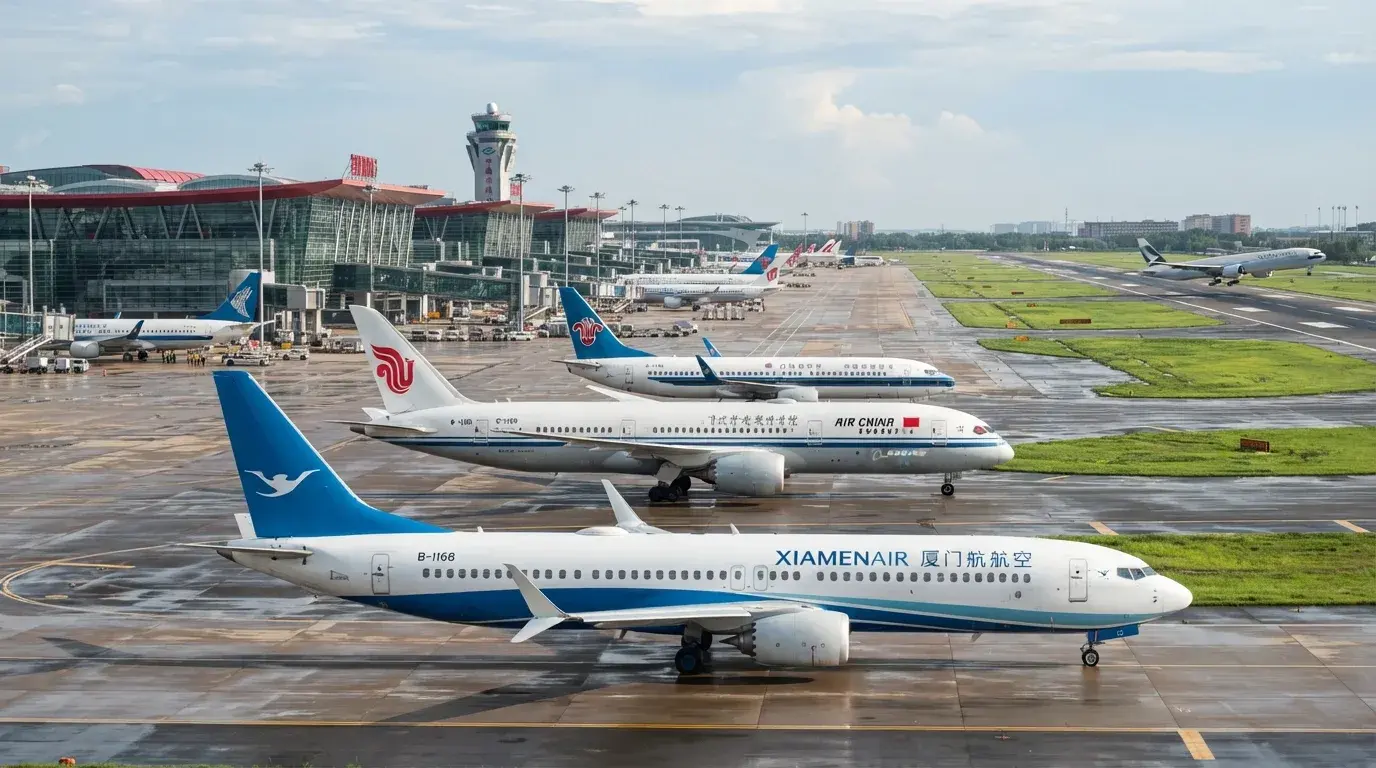
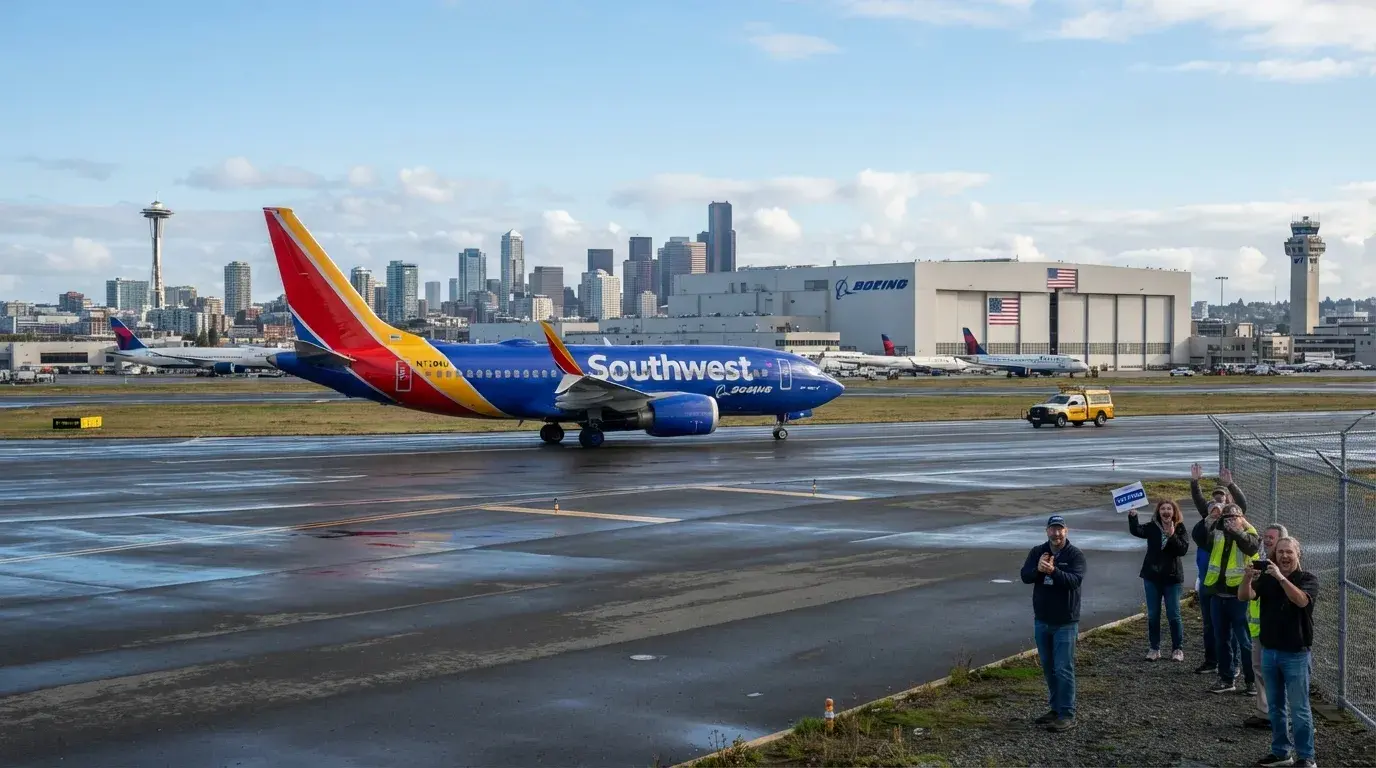
Five months after the political agreement between Donald Trump and Xi Jinping, China has taken a decisive step toward fulfilling its commitment to purchase 200 Boeing aircraft. Approximately 150 planes are now in the finalization phase, according to recent statements by U.S. Trade Representative Jamieson Greer. This marks a major milestone for the American manufacturer, which hopes to revive its business in the Chinese market after years of commercial drought.
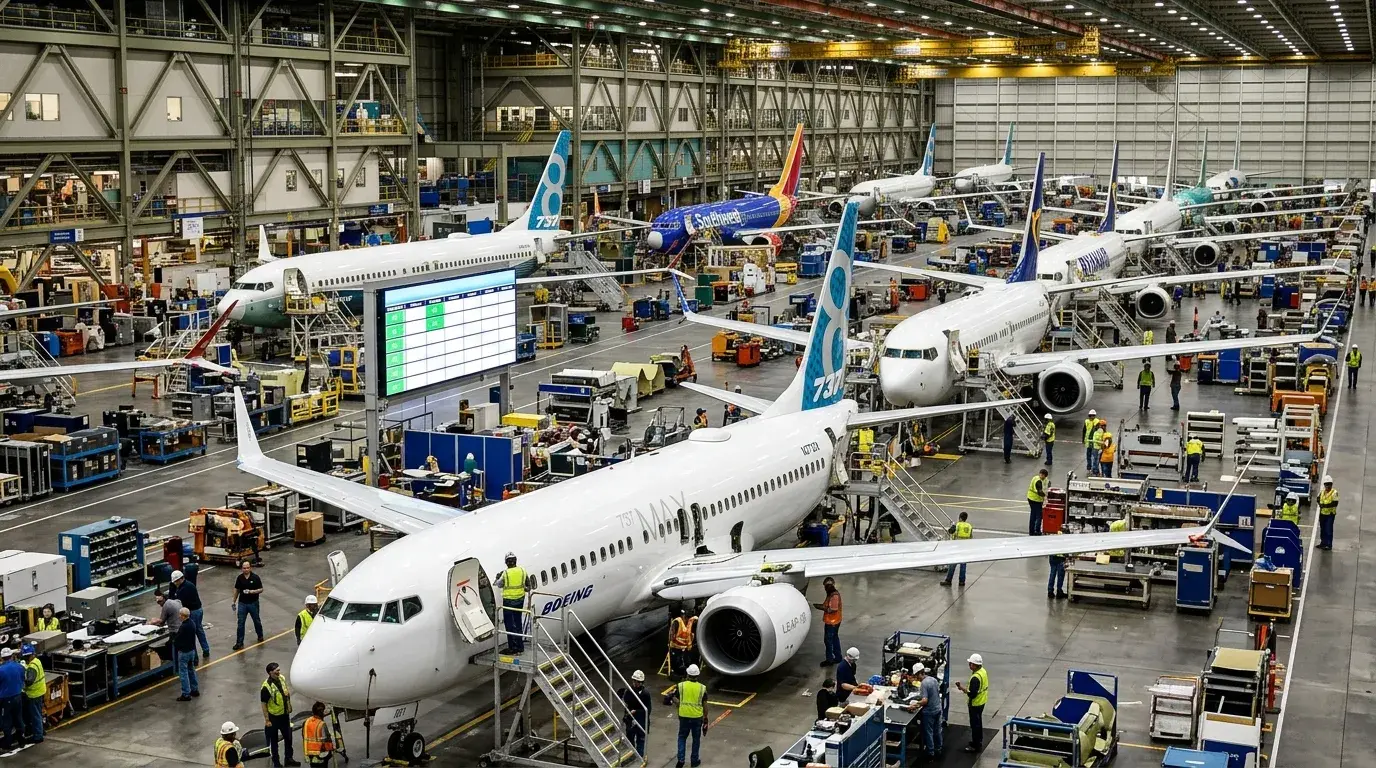
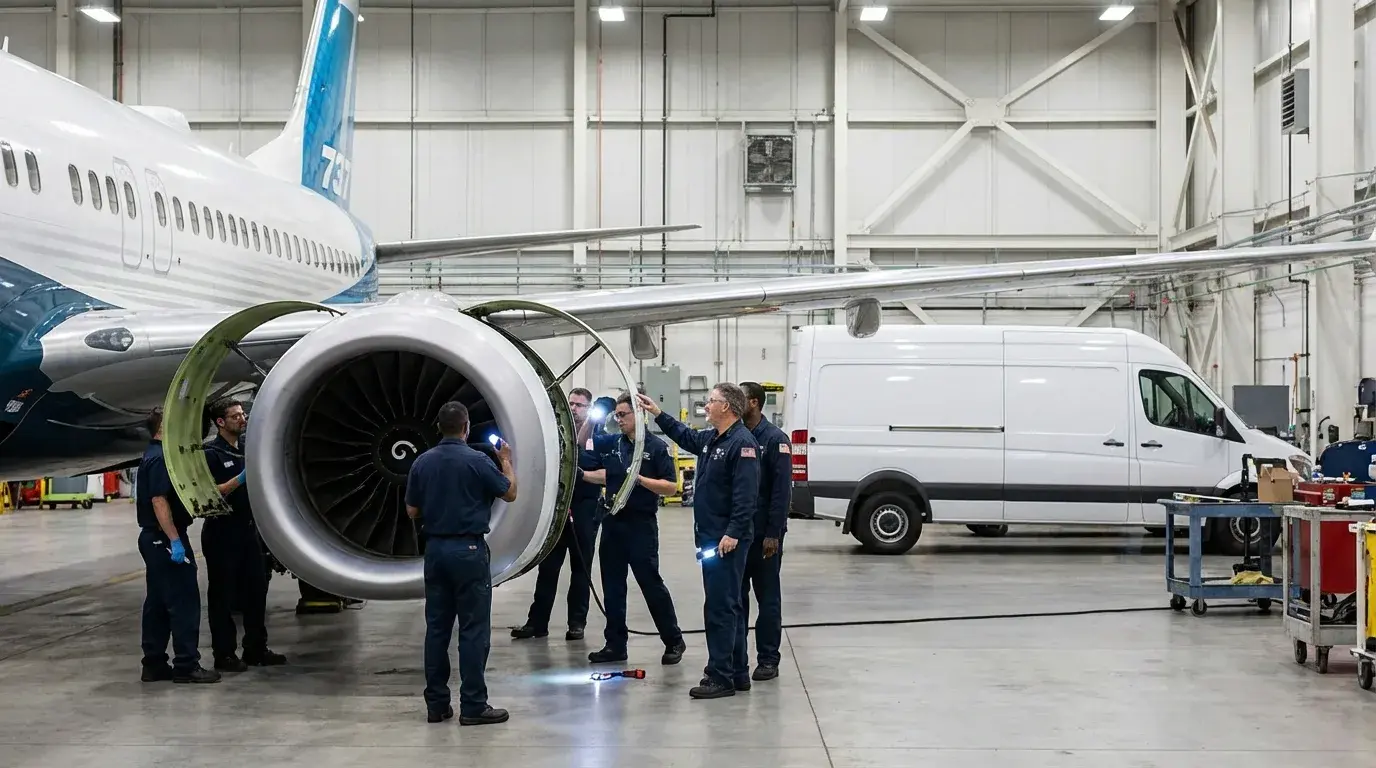
This rapprochement occurs amid a tense economic context, where trade tensions between the two superpowers and Beijing’s historical preference for Airbus reduced Boeing’s annual orders from China to just six aircraft on average since 2017. The period was also marked by internal crises at the manufacturer, including the 737 MAX debacle, which paralyzed part of its production. China could thus become the stage for a strategic renaissance for Boeing, provided that negotiations between local airlines and the manufacturer proceed as planned.
The process remains gradual: the 200 aircraft will not be covered by a single bulk order but will be distributed among China’s three major state-owned carriers — Air China, China Eastern Airlines, and China Southern Airlines. Specific models, engine configurations, and delivery schedules have yet to be announced, but the stakes extend far beyond mere industry news. For travelers, this development could translate into improved availability of long-haul flights and a diversification of options offered by Chinese airlines.
Boeing Launches Commercial Offensive in China, a Strategic Market Underexploited Since 2017
For Boeing, the return to China represents far more than a simple commercial contract: it is an opportunity to reclaim a market that was once the cornerstone of its sales. Between 2005 and 2017, China ordered an average of 127 Boeing aircraft annually, a figure that has since plummeted to just six per year. This decline stems from multiple factors, including U.S.-China trade tensions, the 737 MAX crisis, and the rise of the Comac C919, China’s regional competitor.
The new Chinese commitment also arrives at a time when airlines are diversifying their supply chains. State-owned carriers, which dominate the domestic market, could finally benefit from a broader and better-suited offering, particularly for long-haul routes. This resurgence could also allow Boeing to better compete with Airbus, which has maintained a strong presence in China despite political uncertainties.
Ongoing negotiations between Boeing and Chinese airlines follow a long-term strategy. Kelly Ortberg, Boeing’s CEO, hinted in May that the process would unfold in stages, with a final bulk order not expected until 2026. The goal is not necessarily to return to the annual volume of 127 aircraft but to stabilize commercial relations with China while securing access to a rapidly expanding market.
Which Aircraft Models Are Included in This Deal?
As of now, no official breakdown of the 200 aircraft has been disclosed. However, industry observers widely agree that the majority of orders will likely focus on single-aisle aircraft, a category in high demand on China’s domestic market. Airlines may prioritize models like the Boeing 737 MAX or optimized versions of the 737 family, which offer superior fuel efficiency and capacity tailored for domestic and regional flights.
Long-haul aircraft, while less likely to feature in this initial batch, could appear in subsequent orders. Boeing is banking on a diversified portfolio to meet the varied needs of Chinese carriers, which must modernize their fleets while addressing growing demand for both domestic and international mobility.
For travelers, this diversification could mean enhanced in-flight services, improved flight punctuality, and increased frequency on routes to Europe and North America. Chinese airlines, by modernizing their fleets, may also introduce more competitive fares on long-haul routes, offering a boon for passengers seeking Asian destinations.
A Traveler’s Opportunity: More Choices and Potentially Lower Fares
The materialization of this deal could have a direct impact on the international travel market. With modernized and diversified fleets, Chinese airlines may boost their transport capacity, particularly on long-haul routes between China and Europe. This would translate into a wider range of options for travelers, with increased frequencies and potentially more competitive fares.
Chinese carriers, especially Air China, China Eastern Airlines, and China Southern Airlines, could also strengthen their international hub strategies by improving connections to other Asian, European, or American destinations. For passengers, this means more flexible travel options and better-optimized itineraries.
Furthermore, the introduction of new, more fuel-efficient aircraft could enable airlines to reduce operational costs, savings that may be partially passed on to ticket prices. While the specifics of the commercial agreements remain undisclosed, this momentum could drive fare reductions on certain routes, particularly those to Europe.
A Geopolitical Stakes Beyond Industrial Frameworks
The deal between China and Boeing transcends a mere commercial transaction: it is embedded in a complex geopolitical context. U.S.-China trade tensions and the years of trade wars have significantly strained relations between the two countries. The materialization of this commitment is therefore a sign of détente, though future negotiations may still prove challenging.
Donald Trump, during the initial announcement in May, suggested the possibility of up to 750 Boeing aircraft being ordered by China. However, no additional agreements have been announced to date, and observers remain cautious about the true scale of future orders. Boeing’s ability to guarantee the availability of spare parts and critical components for Chinese fleets will be a decisive factor in the negotiations ahead.
For travelers, this breakthrough could herald a gradual improvement in air links between China and Europe, with more travel options and potentially more attractive fares. Another reason to closely monitor the evolution of this historic deal.
To stay updated on the latest international flight news and travel opportunities, stay connected with Flywest.
Be the first to comment on this article
On the same topic
- Air France-KLM struggles amid fuel shock: How the airline withstands a 71% profit plunge
- Flybondi: March Salaries Unpaid as Argentine Low-Cost Airline Faces Pressure
- Rising Fuel Costs: Delta Air Lines Posts Loss, Cuts Capacity, and Raises Fares
- Copa Airlines unveils its 2026 ambitions: 420 daily flights and 88 destinations
- The double life of the King of the Netherlands: co-pilot with KLM for almost 30 years
- Alaska Airlines revolutionizes its business class for long-haul flights