Boeing 737 MAX 7 finally certified: How this green light reshapes travel
The Federal Aviation Administration (FAA) has finally granted certification to the Boeing 737 MAX 7, a long-awaited milestone nearly a decade in the making. This historic breakthrough, achieved after years of setbacks and regulatory scrutiny, ushers in a new era for airlines and travelers alike. The single-aisle aircraft, originally slated for service in 2019, faced repeated delays due to the MAX family’s crises—from global accidents to unprecedented regulatory challenges. Now, carriers can rely on a more efficient and safer plane to revitalize fleet strategies and redefine the passenger experience.
A more fuel-efficient and passenger-friendly aircraft The Boeing 737 MAX 7 stands out with its extended range and adaptable capacity, ideal for medium-haul routes. With a maximum range of 3,850 nautical miles (approximately 7,130 kilometers), it can connect cities like New York to Oslo nonstop or Los Angeles to Toronto, offering airlines unprecedented flexibility. For passengers, the cabin layout is reimagined: an optimized configuration can accommodate up to 178 passengers in a 2-3 seating arrangement while enhancing shoulder space and overhead bin capacity. Wider windows, adjustable LED lighting, and advanced in-flight entertainment systems promise a more comfortable journey, even on the longest flights in this category.
Lower operating costs for airlines The MAX 7 shares the same LEAP-1B engines as other MAX family members, delivering a 12-14% reduction in fuel consumption compared to previous-generation aircraft. For airlines, this translates into substantial savings on fuel—the heaviest operational expense. Boeing also emphasizes simplified maintenance through enhanced onboard diagnostic systems, reducing aircraft downtime. These productivity gains are critical in an era of high operational costs, exacerbated by soaring energy prices and intense competitive pressures.
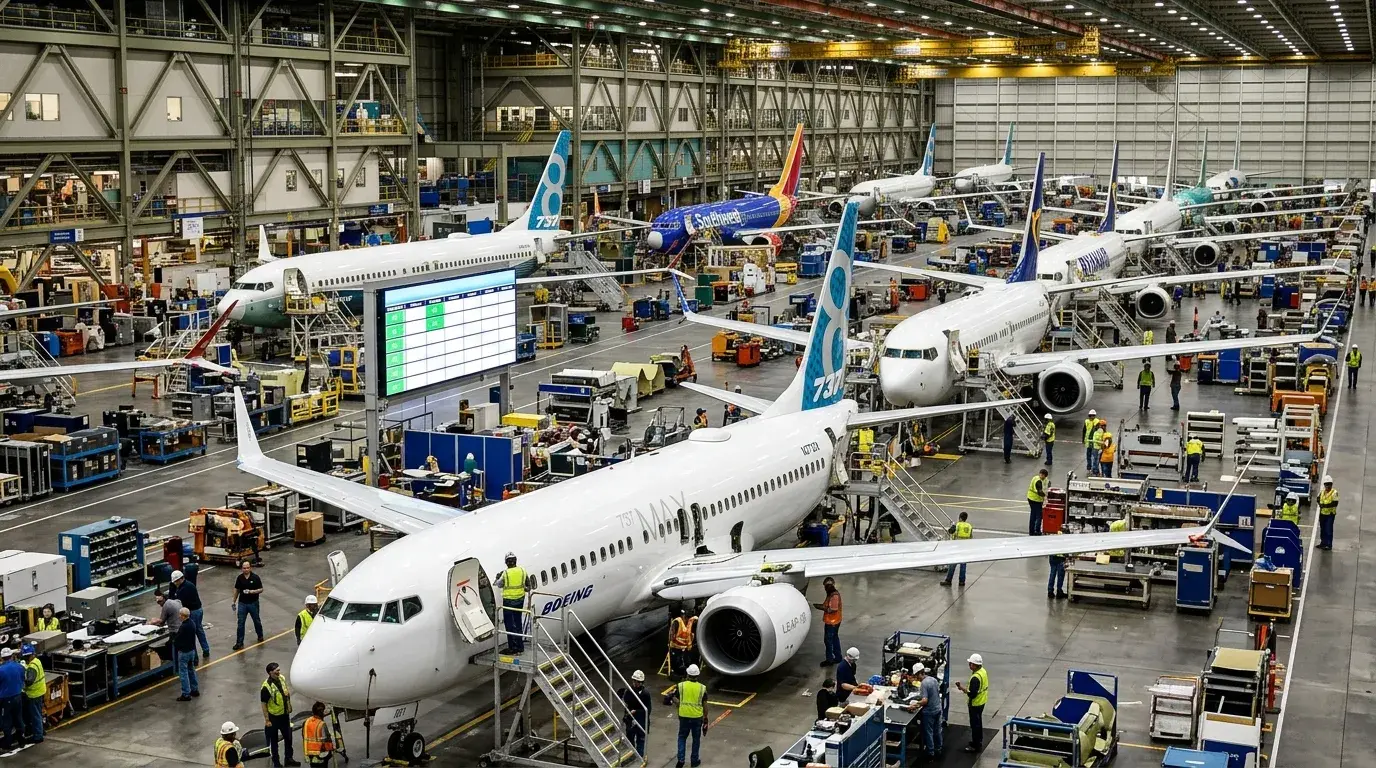
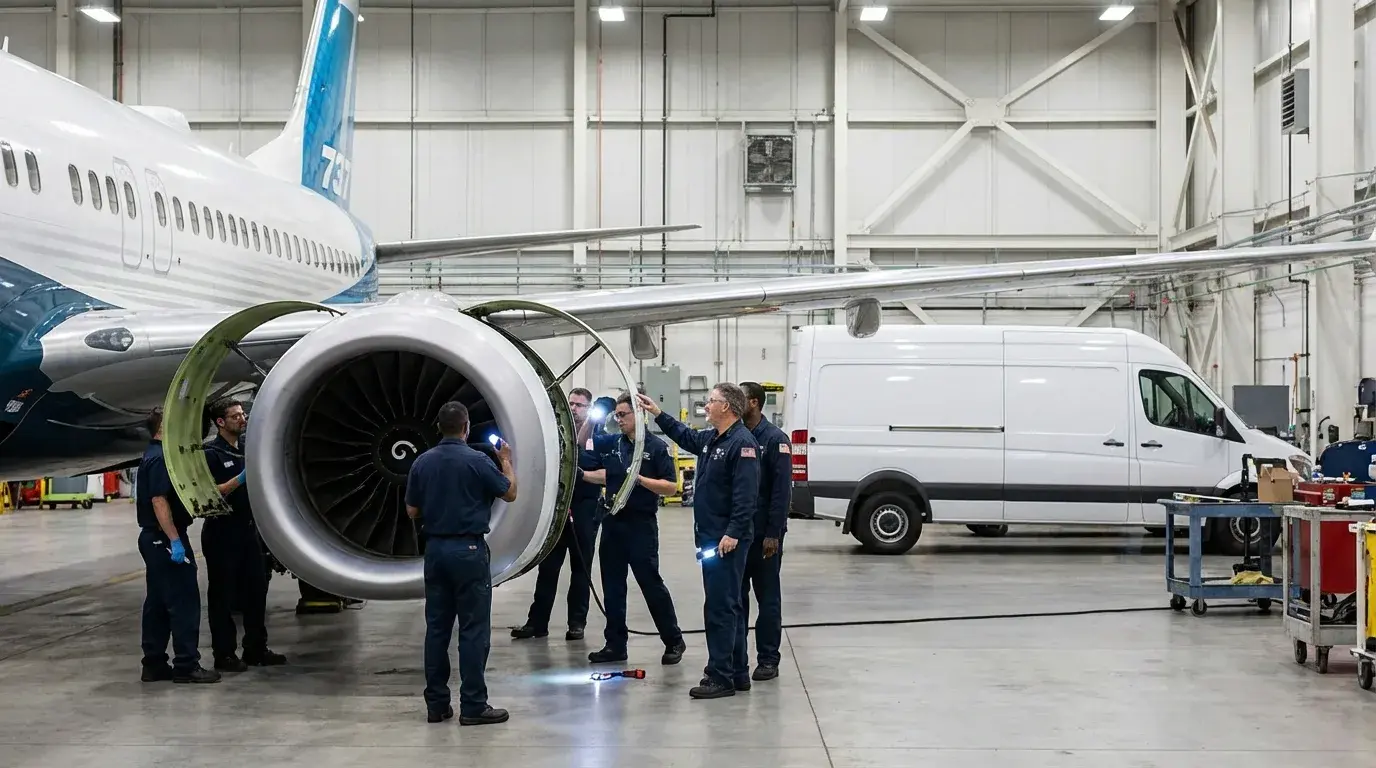
A symbol of resilience for Boeing The MAX 7’s certification marks a turning point for the U.S. manufacturer, which had to overcome an unprecedented crisis of confidence. Following the MAX 8 accidents in 2018 and 2019 and the COVID-19 pandemic, Boeing underwent a thorough overhaul of its certification processes and safety standards. The MAX 7 underwent rigorous additional testing, including human factors reviews and enhanced flight control system analyses. Today, the FAA has validated these improvements, confirming the aircraft meets the strictest safety requirements. For Boeing, this certification is a key step in restoring its industrial credibility as it seeks to regain the trust of airlines and passengers.
Deliveries expected in 2027, but orders already piling up
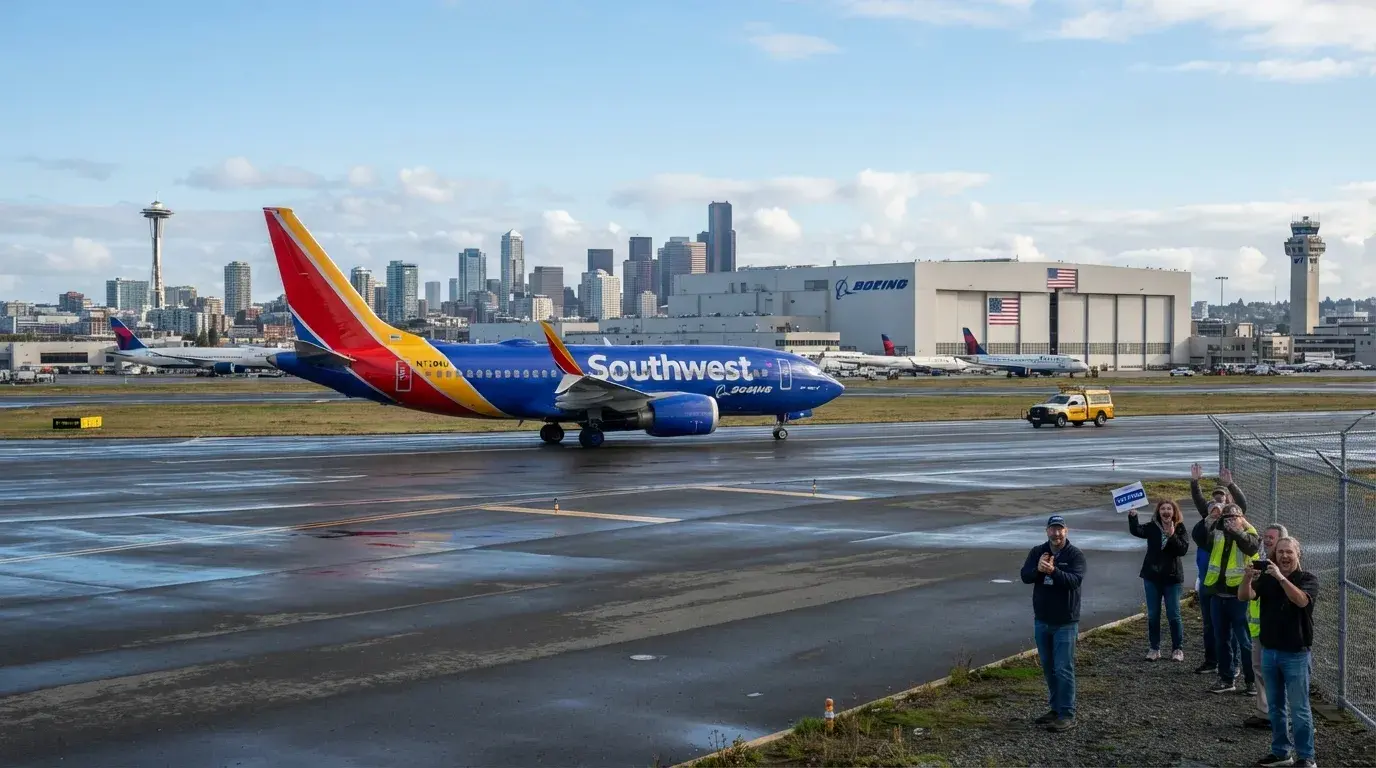
Initial deliveries of the Boeing 737 MAX 7 are now scheduled for 2027, with production rates ramping up gradually. Several airlines have already expressed strong interest in the aircraft, drawn by its performance and versatility. Early customers include carriers like Alaska Airlines, United Airlines, and Southwest Airlines, which view the MAX 7 as an ideal tool to modernize their fleets and replace aging aircraft. United Airlines, for example, has placed a firm order for 50 aircraft with options for 50 more, aiming to strengthen capacity on routes like Los Angeles-Honolulu or San Francisco-Anchorage. These orders reflect renewed confidence in the MAX program after years of uncertainty.
Immediate impact on fleet strategies For airlines, the arrival of the MAX 7 presents an opportunity to streamline operations. With a slightly higher capacity than the MAX 8 while sharing the same maintenance and crew training base, the MAX 7 offers greater flexibility to adjust capacity based on demand. Some carriers are even considering deploying it on routes traditionally served by smaller aircraft like the Boeing 737-700 to improve profitability. This versatility is particularly valuable in a rapidly evolving market, where economic cycles and travel trends shift quickly—especially with the post-pandemic traffic rebound and passengers’ rising expectations for comfort and onboard services.
Enhanced safety, born from past lessons The MAX 7’s certification process was marked by heightened regulatory scrutiny, particularly from the FAA. Lessons learned from the MAX 8 accidents led to major modifications, including the introduction of redundant flight control systems and improved cockpit alerts. The engine anti-icing system, initially criticized for overheating risks, was also redesigned for optimal reliability. These improvements, combined with stricter oversight of Boeing’s manufacturing processes, aim to prevent a repeat of the failures that led to the 2018 and 2019 accidents. For passengers, this means enhanced safety and a more reassuring flight experience.
Which countries and airlines will benefit first?
Several regions around the world are poised to be among the first to benefit from the MAX 7’s arrival. In North America, low-cost carriers like Southwest Airlines and Alaska Airlines could be among the first to operate the aircraft, particularly on domestic and cross-border routes. In Europe, carriers like Ryanair or easyJet may integrate the MAX 7 into their fleets to replace aging aircraft such as the Boeing 737-700 or Airbus A319. In Asia, where air travel demand remains robust, airlines like Lion Air or VietJet could see the MAX 7 as a solution tailored to their growth, particularly for serving secondary markets experiencing rapid expansion.
A boon for regional hubs Regional airports, often constrained by infrastructure limitations, could leverage the MAX 7 to develop new routes. Thanks to its range and adaptable capacity, the aircraft can serve mid-sized cities without technical stops while offering a premium experience to passengers. For example, routes like Minneapolis-Salt Lake City or Denver-Portland could see significant improvements in service, with more frequent and comfortable flights. For passengers, this means fewer connections and more direct routes—a compelling argument in a market where convenience has become a decisive factor.
Will ticket prices be affected? The introduction of the MAX 7 into airline fleets could, over time, influence ticket prices, particularly on highly competitive routes. Savings from reduced fuel and maintenance costs may be partially passed on to fares, though the overall trend remains toward higher prices due to surging energy costs. Passengers could also benefit from improved flight availability thanks to a more modern and reliable fleet, reducing the risk of cancellations or delays caused by technical issues. In the long run, the MAX 7’s arrival could contribute to a more competitive market, benefiting travelers.
The MAX 7: An aircraft arriving at the right time
In a context defined by the ecological transition and pressure to reduce aviation’s carbon footprint, the MAX 7 positions itself as a credible intermediate solution. While Boeing touts a 20% reduction in CO₂ emissions compared to previous-generation aircraft, environmental advocacy groups remain critical. Some argue that the MAX 7, like the rest of the MAX family, remains reliant on fossil fuels and does not meet the demands of decarbonized aviation. However, for many airlines, the aircraft represents a necessary step in transitioning to more modern and efficient fleets, pending the arrival of more radical solutions like hydrogen or electric aircraft.
For passengers, the MAX 7’s arrival is welcome news, provided airlines use it responsibly. By optimizing cabin configurations and limiting overbooking, carriers could offer a far more pleasant experience than what older aircraft provide. In an industry undergoing rapid transformation—where customer satisfaction has become a strategic priority—the MAX 7 could well become a key link in the aviation sector’s recovery.
With deliveries slated for 2027, the first passengers to board the Boeing 737 MAX 7 should do so in the months following. By then, airlines will finalize their orders and train crews to operate the new aircraft. One thing is certain: after a decade of turbulence, the MAX 7 could well give the aviation industry a much-needed lift.
Be the first to comment on this article
On the same topic
- Tel Aviv: Direct North American Flights Return in 2026 – What It Means for Travel
- Air Express Algeria Blacklisted by EU: Impact on Flights to Africa
- easyJet soon in Apollo’s hands? What the fund battle means for your European flights
- Emirates revolutionizes solo travel for children with ultra-secure, personalized service for summer 2026
- Boeing Finally Produces 47 Aircraft per Month: FAA Gives Green Light After Years of Crisis
- Severe clear-air turbulence strikes Cathay Pacific A350, injuring 10 passengers