Boeing 737 cargo missing: what we know about the disappearance of K2 Airways flight over the Arabian Sea
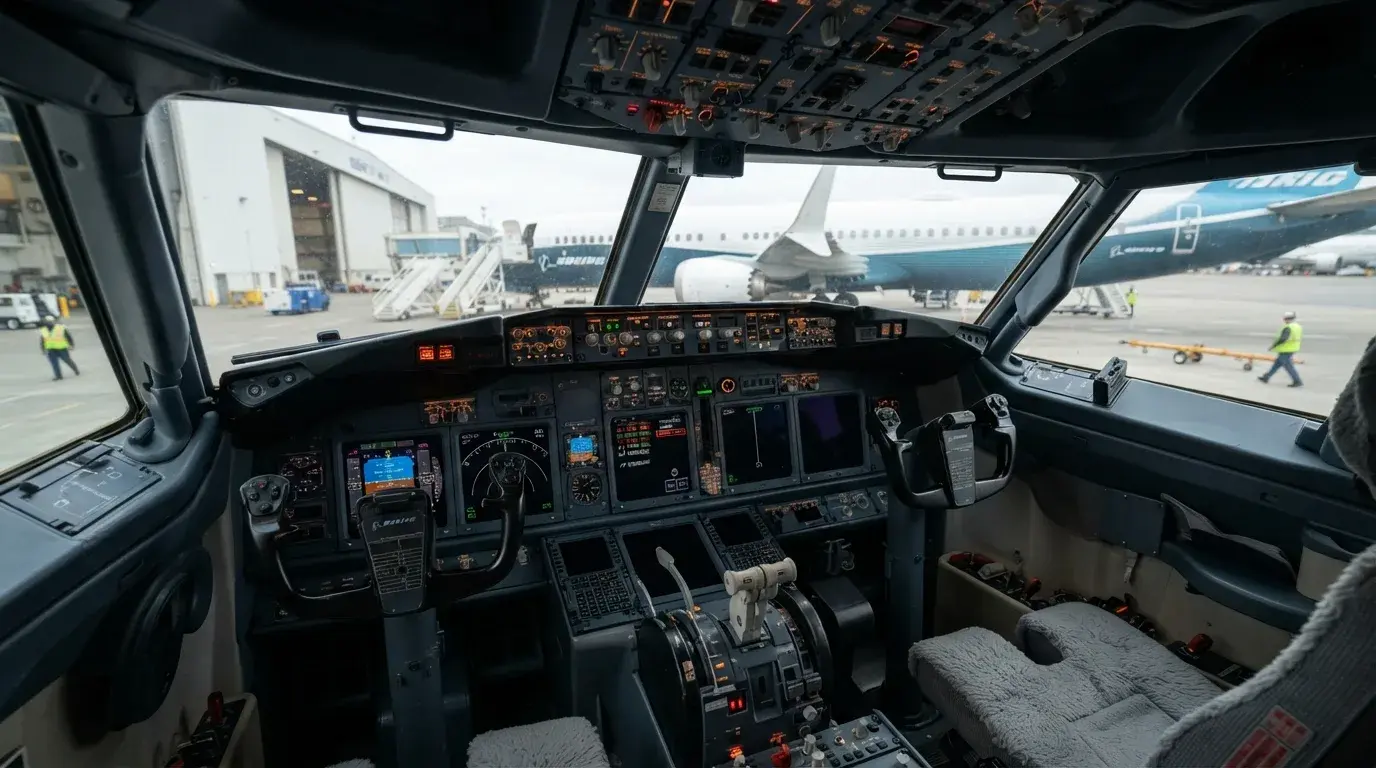
A Boeing 737-400 cargo operated by K2 Airways, a Pakistani carrier based in Karachi, disappeared from radar Tuesday evening while operating a flight from Sharjah, United Arab Emirates, to Karachi, Pakistan. All five crew members on board are missing, prompting an urgent large-scale search operation in the Arabian Sea.
The aircraft lost radio and radar contact while flying over the Arabian Sea, approximately 287 kilometers west of Karachi. According to the latest available data, the crew had reported a technical issue with its navigation system moments before the disappearance. The flight, carrying only cargo, had five people on board: a captain, a first officer, and three technical crew members.
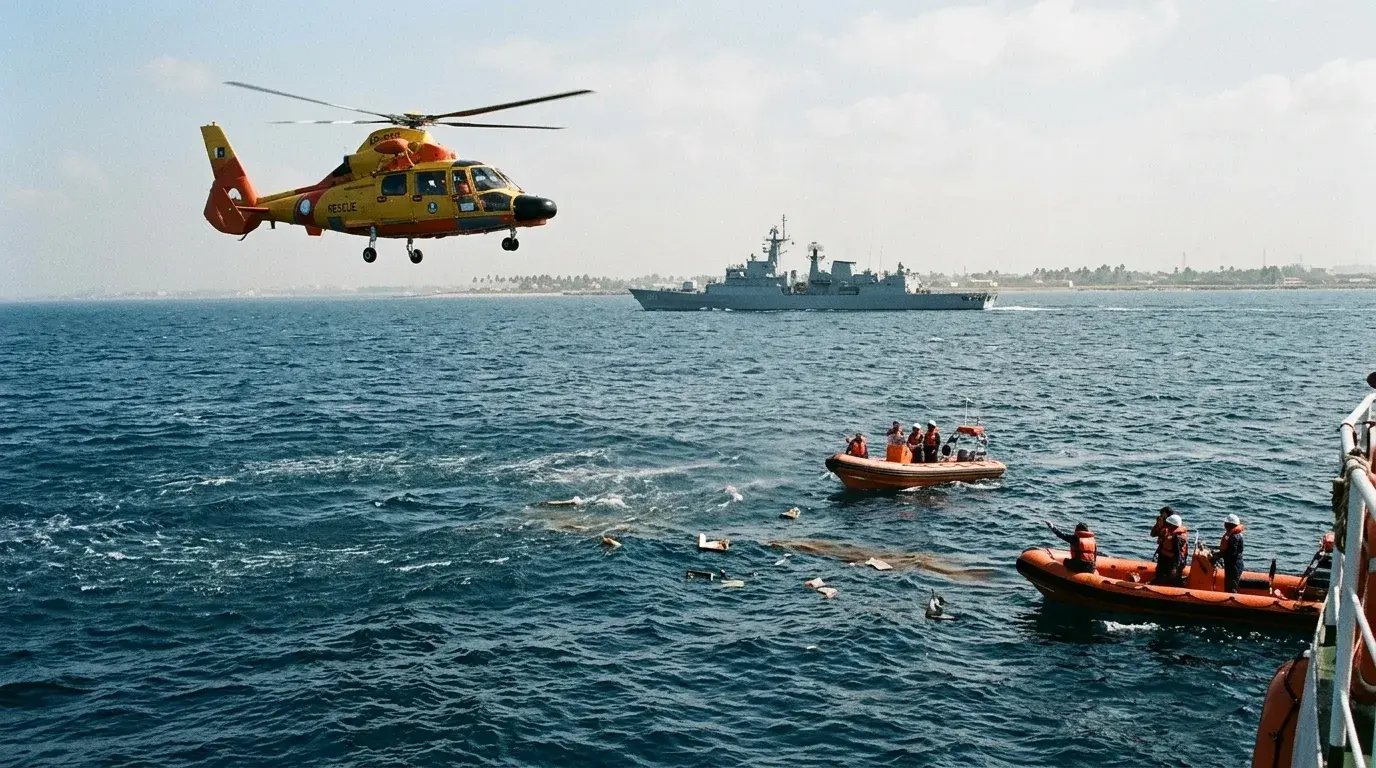
Pakistani authorities immediately activated a search and rescue (SAR) operation involving the country’s navy and air force. A Pakistani Navy frigate, the PNS Zulfiqar, along with a maritime patrol ATR aircraft, was deployed to the area to locate any debris or wreckage. A commercial vessel from the Pakistan National Shipping Corporation is also participating in the search.
Real-time tracking data analyzed by specialized platforms like FlightRadar shows the aircraft experienced a sudden loss of altitude after reporting a technical failure. The last ADS-B points indicate a rapid descent followed by a brief climb, then a second plunge, with the final recording placing the aircraft at approximately 335 meters above sea level with a descent rate of nearly 11,000 feet per minute.
An unexplained descent without visible debris
Experts interviewed by the Pakistani press highlight the difficulty in explaining such a flight profile without visible debris. « Even in the event of an engine failure or total loss of pressurization, an aircraft of this type should not dive so abruptly, » explains an air traffic control specialist. « This suggests a structural failure, an in-flight explosion, or a total loss of crew control. »
Investigators from Pakistan’s Civil Aviation Authority (PCAA) will need to determine whether the reported technical issue with the navigation system could have impacted other critical systems on the aircraft. The possibility of a malfunction in the GNSS (Global Navigation Satellite System), mentioned by authorities, could explain trajectory errors but not necessarily such a brutal descent.
Context of Pakistan’s aviation sector under scrutiny
This tragedy occurs in a country already marked by several major accidents in recent years. The most notable remains the crash of an Airbus A320 operated by Pakistan International Airlines in May 2020 in Karachi, killing 97 people due to an improperly executed go-around and communication errors between the crew and air traffic control.
The official report highlighted safety culture and procedural compliance gaps within Pakistan’s aviation sector. Although the K2 Airways incident differs in many ways—cargo aircraft, cruise flight over the sea, nighttime disappearance—the country’s track record weighs heavily on its international aviation oversight reputation.
K2 Airways: a rising cargo operator
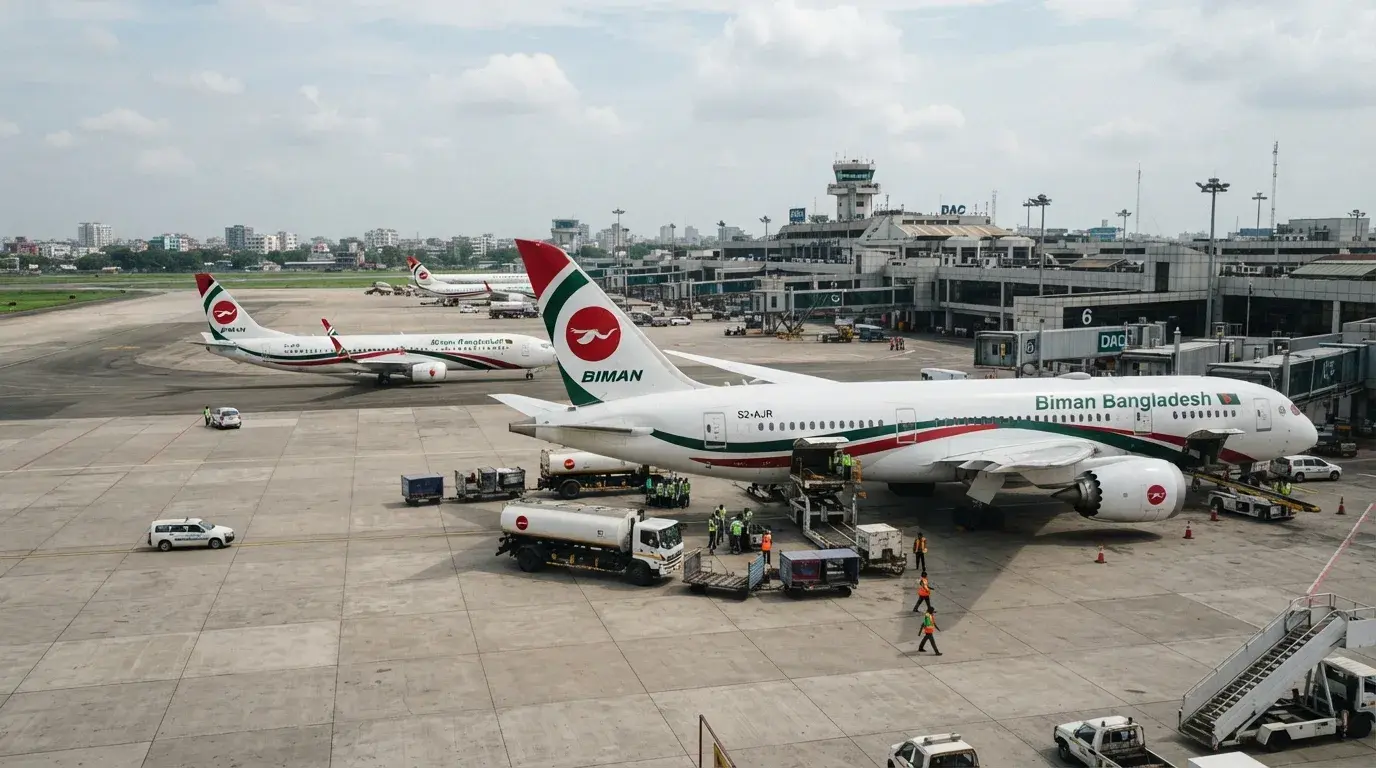
Founded in 2018 but only obtaining its cargo carrier certificate in 2024, K2 Airways is a private Pakistani company specializing in air freight. It operates a single Boeing 737-400 converted to a cargo version (737-400SF), primarily used for regional cargo routes departing from Karachi.
The airline, still young in the cargo landscape, has not yet been the subject of any major public reports regarding its operational safety. However, the disappearance of this aircraft underscores the vulnerability of cargo carriers, often less scrutinized than passenger airlines but equally exposed to technical and human risks.
Ongoing search: between hope and realism
For now, Pakistani authorities have not confirmed the location of the wreckage or the recovery of any debris. Weather conditions in the Arabian Sea, marked by strong winds and waves reaching several meters, are severely complicating search operations.
Investigators will need to locate the wreckage and recover the flight recorders (black boxes) to determine the exact causes of the disappearance. An investigation commission will be formed under the auspices of the PCAA, with expected participation from U.S. authorities (FAA) and aircraft manufacturer Boeing, given the aircraft’s American origin.
Meanwhile, the international air transport community is closely observing this new tragedy, which could reignite debates on cargo flight safety and the need to strengthen oversight of emerging carriers.
For now, the families of the five missing crew members await answers as Pakistani authorities deploy all available resources to unravel the mystery of this disappearance.
What this tragedy means for cargo aviation
The incident raises several questions about the resilience of in-flight navigation and communication systems, particularly in remote offshore areas. Cargo carriers, often perceived as less of a priority than passenger flights, may see their safety procedures strengthened in the future.
Airlines worldwide will need to draw lessons from this tragedy to improve the safety of cargo flights, whose traffic continues to grow with the rise of e-commerce and international trade. Special attention must be paid to the maintenance of older aircraft, such as the Boeing 737-400, still widely used in cargo operations despite its age.
As the search continues, this tragedy once again reminds us that aviation, despite technological advancements, remains a high-risk activity where even the smallest failure can have devastating consequences.
Be the first to comment on this article