Boeing 737 MAX 7 Finally Certified by FAA After Decade-Long Delay: What It Means for Your Flights
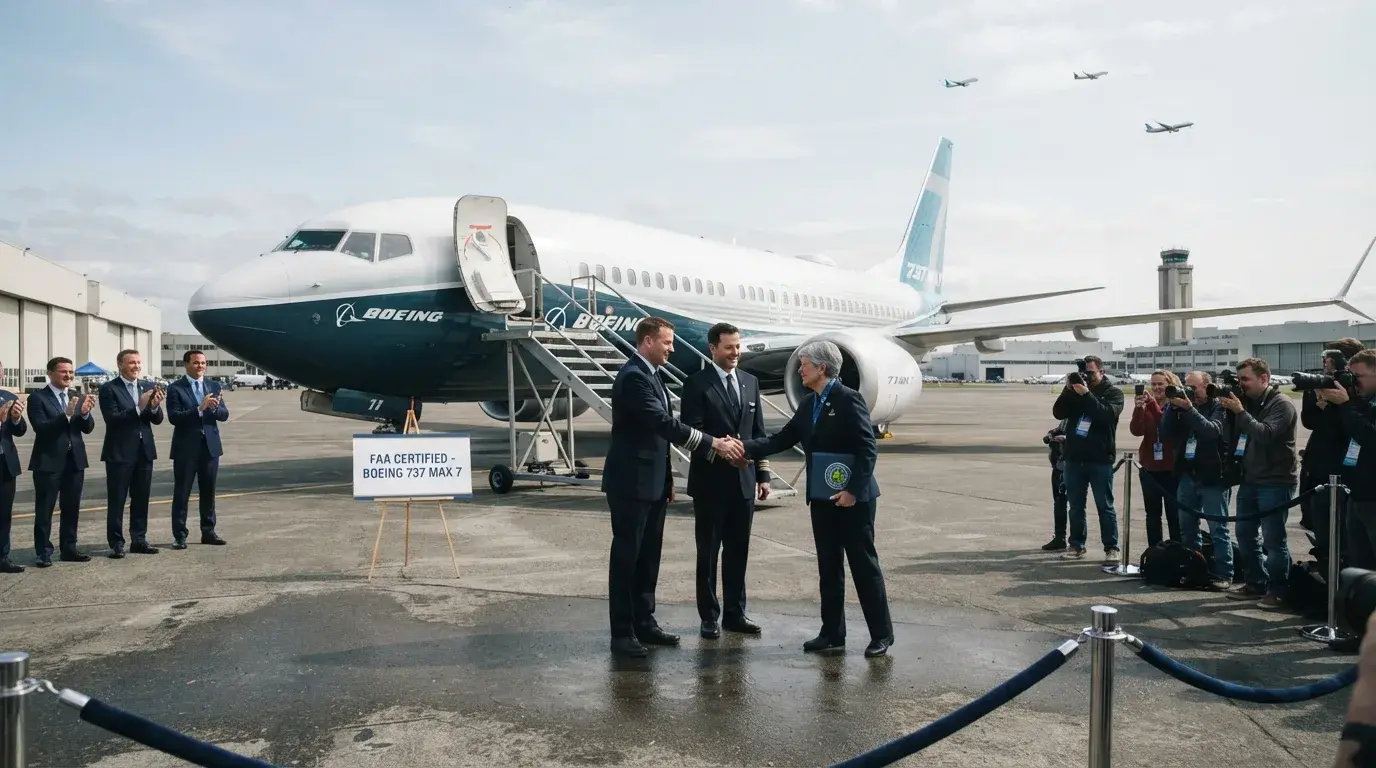
The Federal Aviation Administration (FAA) has reached a historic milestone by granting type certification to the Boeing 737 MAX 7, nearly a decade after its first flight and more than eight years after years of accumulated delays. This long-awaited green light marks a turning point for the U.S. manufacturer and its customers, as well as the entire aeronautical industry. As airlines seek to modernize their fleets and reduce their carbon footprint, the arrival of this next-generation single-aisle aircraft could well change the game on short and medium-haul routes.
For travelers, this certification means that airlines will finally be able to operate this aircraft, designed to offer better energy efficiency and increased capacity compared to previous generations of Boeing 737. With extended range and reduced fuel consumption, the MAX 7 could become the preferred choice for operators looking to optimize operational costs while meeting growing mobility demands. But what are the concrete implications of this certification for passengers and airlines?
A bumpy road to certification
The certification process for the 737 MAX 7 has been one of the longest and most complex in the recent history of commercial aviation. Initially slated to enter service in 2019, the program was abruptly halted by the Boeing 737 MAX 8 crisis following the two tragic accidents involving Lion Air and Ethiopian Airlines in 2018 and 2019. These events led to a global grounding of the MAX fleet and a complete overhaul of certification methods, both in the United States and internationally.
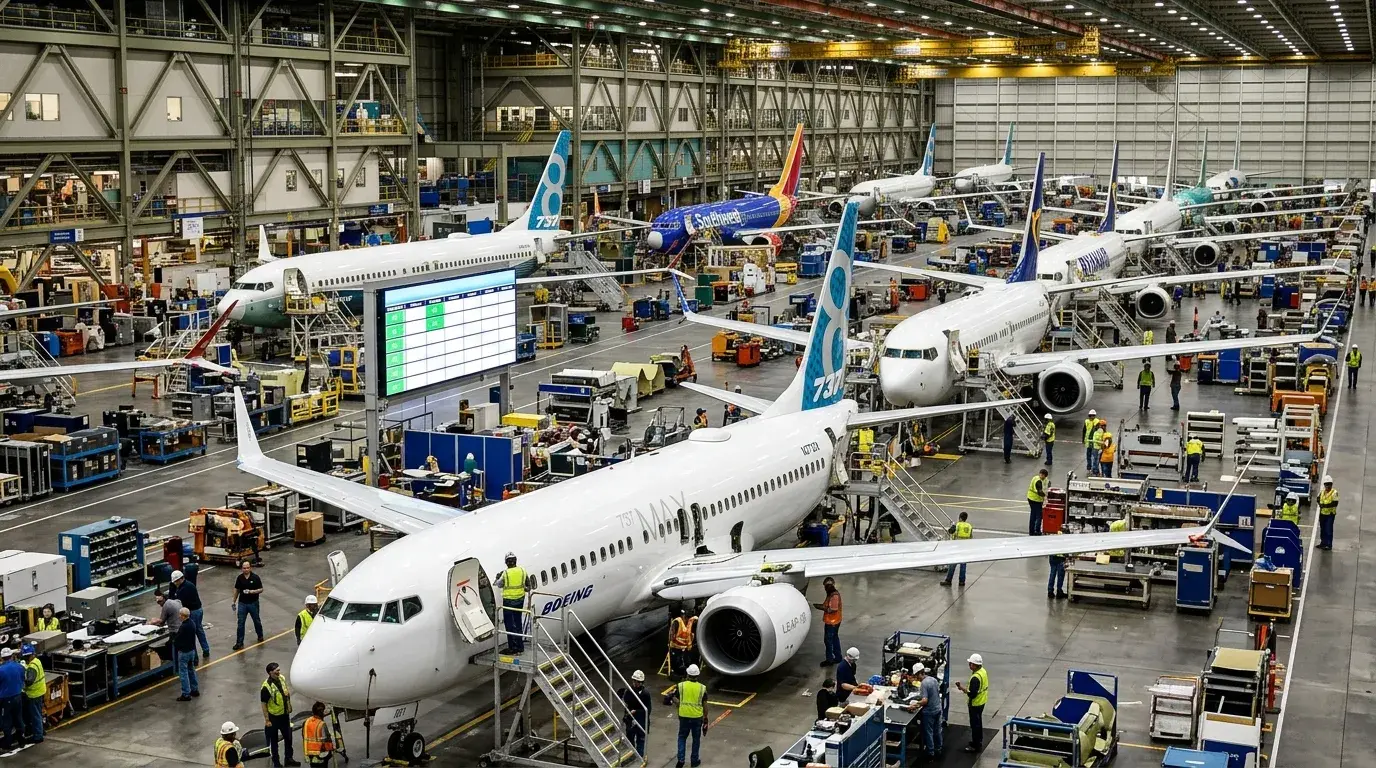
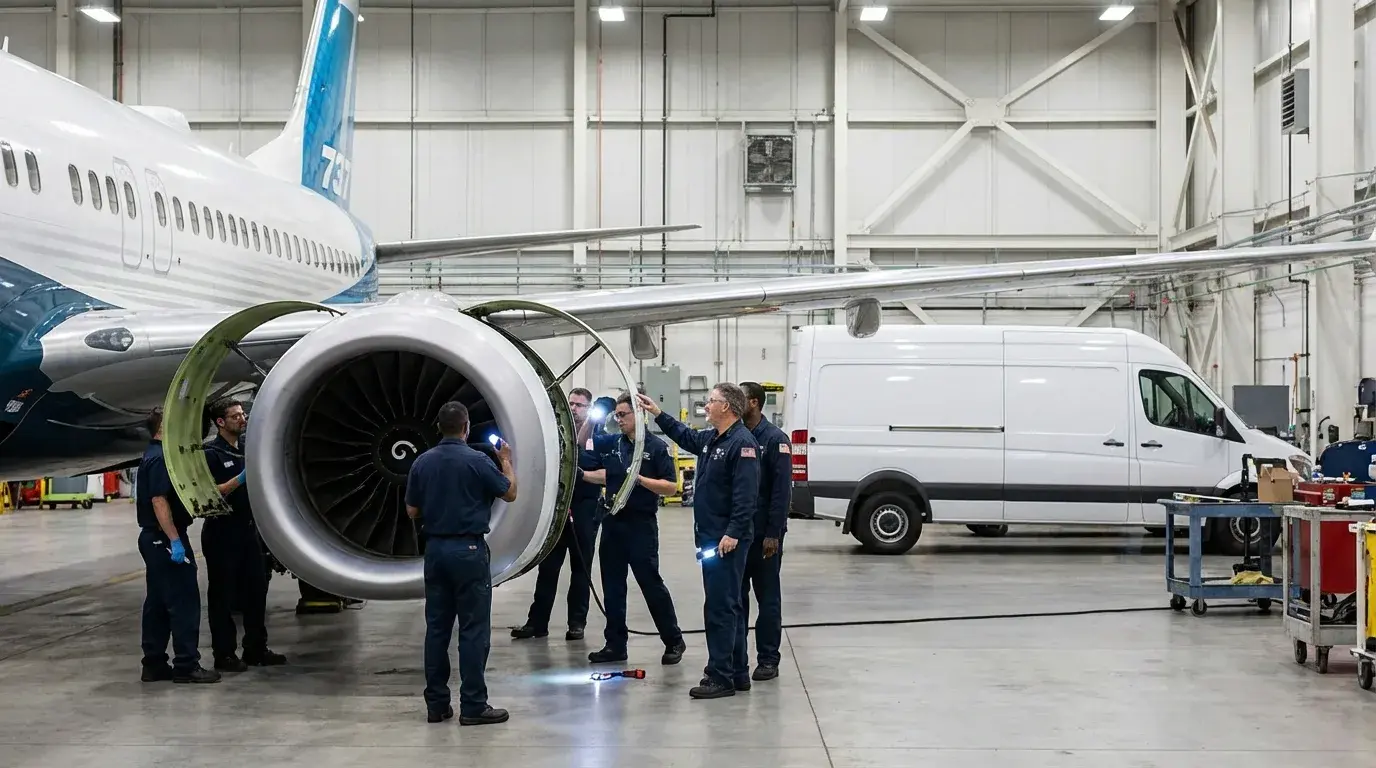
Boeing had to thoroughly revise the design of its systems, particularly the MCAS (Maneuvering Characteristics Augmentation System), at the heart of the controversies. The FAA imposed major modifications, including software updates, improved cockpit alerts, and a redesign of the engine anti-icing system to prevent overheating risks. These changes required hundreds of hours of flight and ground testing, far exceeding the usual standards for a derivative version of an existing aircraft.
Major implications for airlines
For airlines, the arrival of the 737 MAX 7 represents an opportunity to renew their fleets with more efficient and environmentally friendly aircraft. This single-aisle jet, powered by CFM LEAP-1B engines, consumes up to 14% less fuel per seat than previous models while offering increased capacity. A boon for operators facing rising energy costs and growing environmental expectations from passengers and regulators.
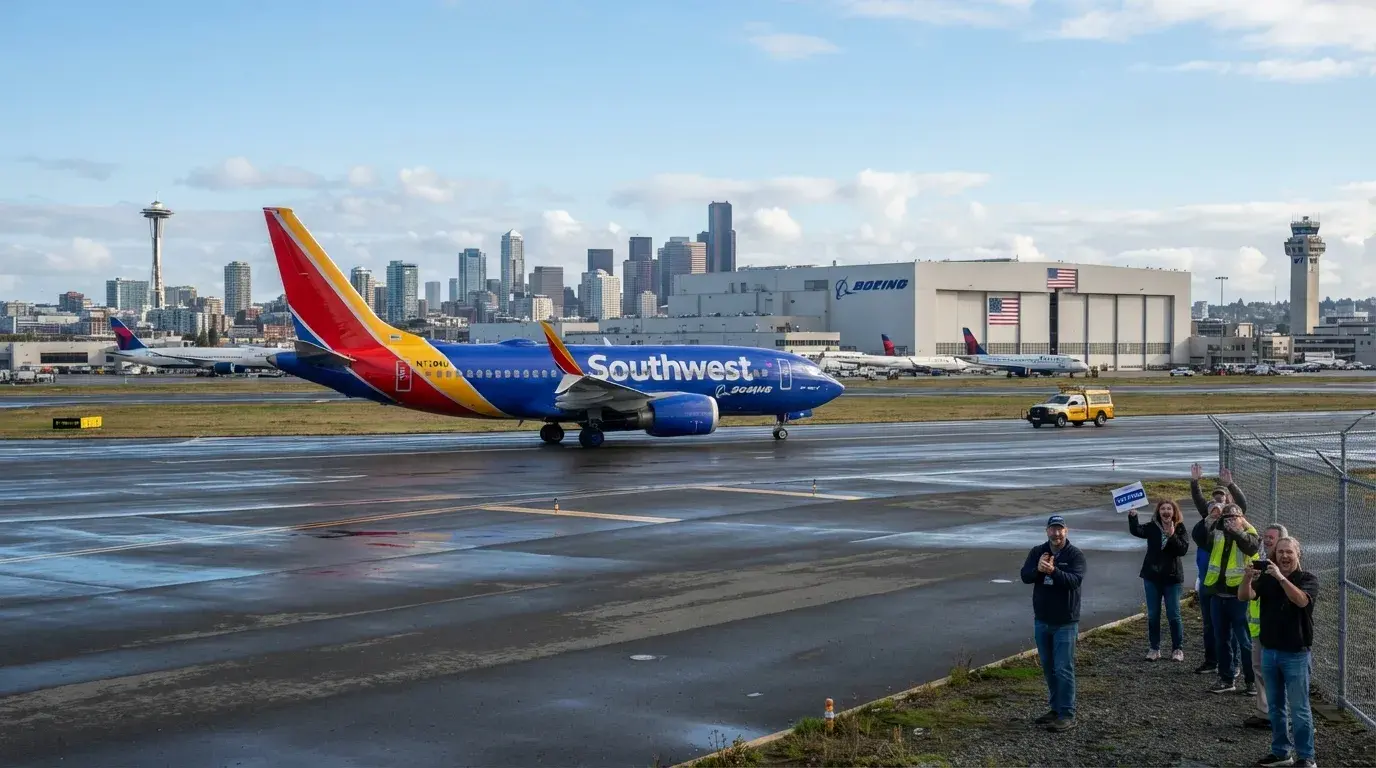
Several carriers have already expressed interest in the MAX 7, particularly U.S. and European airlines looking to replace aging fleets. For example, Boeing indicates that the first deliveries are now scheduled for 2027, with orders already placed by customers such as United Airlines and Southwest Airlines. These airlines will be able to operate the MAX 7 on transcontinental and domestic routes, where demand remains strong despite economic fluctuations.
A strong signal for the 737 MAX 10
Beyond the MAX 7, this certification sends a reassuring message for the development of the Boeing 737 MAX 10, the longest version of the MAX family. Boeing has confirmed that flight test campaigns for the MAX 10 are now complete, with nearly 1,000 flights and over 2,000 flight hours logged. Certification for the MAX 10 could arrive by the end of the year, a key step for the manufacturer as the MAX family faces increased competition from the Airbus A220 and A321neo.
The MAX 10, with a capacity of up to 230 passengers, is particularly suited to low-cost carriers and operators looking to maximize seat numbers on high-traffic routes. Its entry into service would allow Boeing to close part of the gap with Airbus, which currently dominates the single-aisle market with its A220 and A321neo. For passengers, this could translate into a wider range of flight options, particularly on European and transatlantic routes.
A renaissance for Boeing?
For Boeing, this certification is more than just a technical validation: it represents a strategic milestone in the rebuilding of its commercial division, severely affected by the MAX crisis and the COVID-19 pandemic. Stephanie Pope, President and CEO of Boeing Commercial Airplanes, emphasized that “this pivotal certification paves the way for us to deliver the aircraft and begin honoring our commitments to our customers.” A crucial step toward regaining the trust of airlines and regulators after years of turbulence.
Boeing has also used this milestone to reaffirm its commitment to safety and reliability, values tarnished by past crises. The FAA, for its part, has maintained enhanced oversight of the manufacturer while allowing it to resume some certificate issuance at the end of the production chain. A relationship of trust that remains to be consolidated but shows a shared willingness to turn the page.
Benefits for travelers
For travelers, the arrival of the 737 MAX 7 could bring several tangible benefits. First, improved in-flight comfort, with a cabin redesigned to offer more space for passengers. Seats could be wider, rows more spaced, and windows larger—a welcome evolution after years of standardized cabins. Second, reduced operational costs for airlines, which could pass some of these savings on to ticket prices, especially on competitive routes.
Finally, the arrival of this new aircraft could contribute to better flight punctuality. Improved flight management systems and more reliable engines should help reduce delays caused by technical failures or performance issues. A significant advantage for passengers, who are often frustrated by schedule disruptions.
Airlines that choose the MAX 7 will also be able to highlight its reduced carbon footprint in their communications, an increasingly important argument for environmentally conscious travelers. With CO₂ emissions up to 14% lower than older 737 models, this aircraft aligns with the industry’s current trend toward more sustainable aviation.
A transforming market
The aeronautical industry is going through a pivotal period, marked by economic, environmental, and geopolitical challenges. Rising fuel costs, regulatory pressure to reduce CO₂ emissions, and increased competition between Boeing and Airbus are pushing manufacturers to innovate faster than ever. In this context, the 737 MAX 7 could become a key player, particularly on routes where demand remains strong despite uncertainties.
Low-cost carriers, in particular, may be drawn to the MAX 7’s performance. With a capacity of up to 210 passengers and a range of 3,500 nautical miles (6,480 km), this aircraft is ideal for high-traffic European and transatlantic routes. Operators like Ryanair or easyJet, which are focusing on fleet growth, could see an opportunity to replace aging aircraft while improving operational efficiency.
For frequent flyers, the arrival of the MAX 7 could also mean an improved in-flight experience. Boeing’s new single-aisle cabins are renowned for their modern design, featuring larger in-flight entertainment screens, improved Wi-Fi connectivity, and more efficient air purification systems. All details that make a difference on long flights.
Challenges ahead for Boeing
Despite this major milestone, Boeing is not out of the woods yet. The manufacturer must still prove it has learned from past mistakes and can deliver aircraft that meet the expectations of airlines and passengers. The certification of the MAX 7 is a first step, but the real test will be delivering orders on time without compromising quality or safety.
The delays accumulated by the MAX program have already cost Boeing dearly, both in terms of reputation and financial losses. The group has faced contractual penalties, increased regulatory distrust, and fierce competition from Airbus, which has capitalized on Boeing’s struggles to strengthen its position in the single-aisle market. To regain trust, Boeing will need to demonstrate exemplary rigor in the production and delivery of its aircraft.
Airlines, for their part, will need to carefully evaluate the opportunity to integrate the MAX 7 into their fleets. While the benefits are numerous, the investment remains significant, especially in a context of rising costs and shrinking margins. A balance will need to be struck between fleet modernization, profitability, and passenger satisfaction.
As the 737 MAX 7 prepares to enter service, one question remains: Will this aircraft succeed in giving Boeing a second wind and marking the beginning of a new era for commercial aviation? One thing is certain—its success will depend as much on its technical performance as on the manufacturer’s ability to regain the trust of an industry and a market in full transformation.
In the meantime, travelers can look forward to the upcoming arrival of this aircraft, which promises to significantly enhance their flying experience. With the 737 MAX 7, Boeing is not just offering a new plane—it’s providing an opportunity to rethink how we travel, more efficiently, more comfortably, and more sustainably.
Be the first to comment on this article
On the same topic
- Airbus Unveils Revolutionary Wings for Jets: The Future of Long-Haul Flights Will Be Faster and Cheaper
- Boeing and Lufthansa Test New Engine Nose in Flight: A Potential Aviation Revolution by 2026
- Vueling and Shark Skin Film to Boost Fuel Savings in 2026
- France Launches World’s Largest SAF Plant in Dunkirk: How It Will Transform European Flights