Boeing and Lufthansa Test New Engine Nose in Flight: A Potential Aviation Revolution by 2026
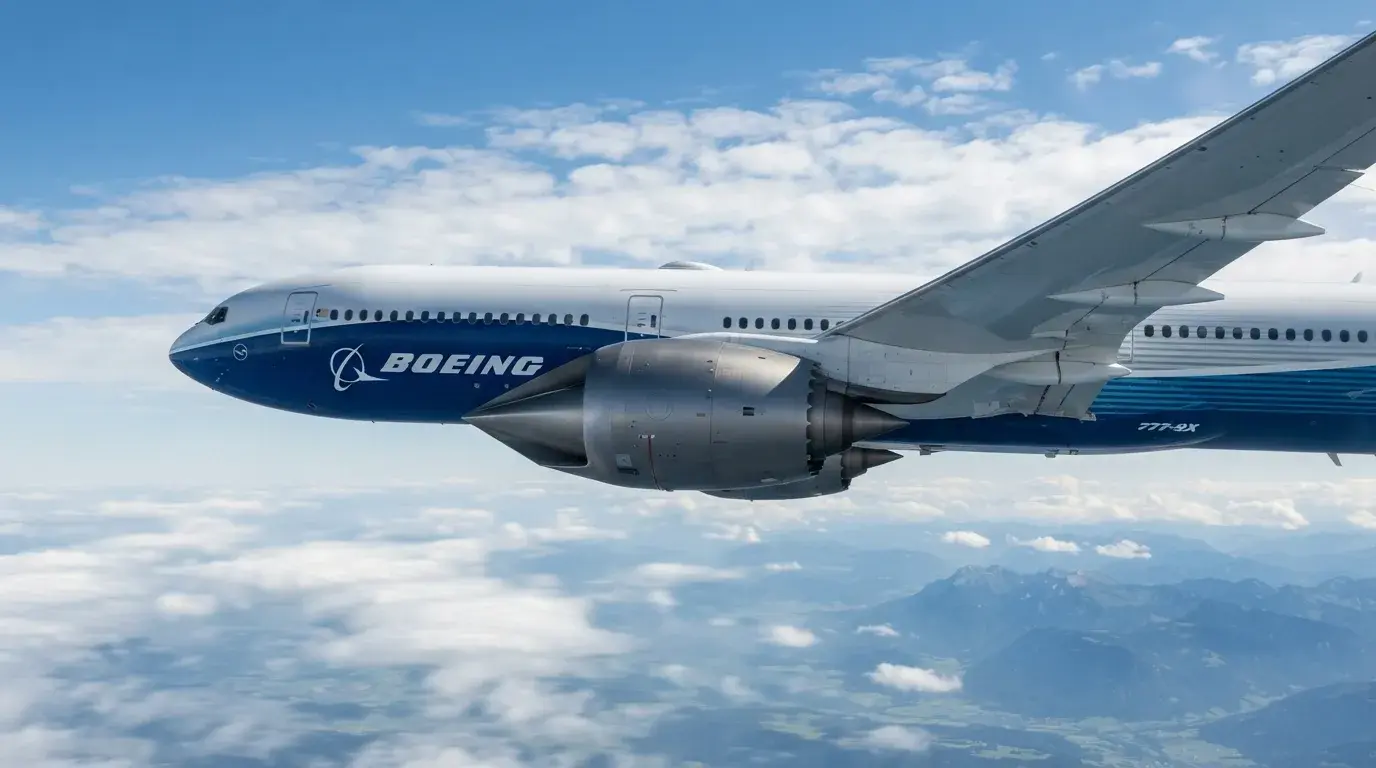
Boeing, Lufthansa, and Rolls-Royce have launched a flight test campaign for a new engine technology on a Boeing 787-9 equipped with Rolls-Royce Trent 1000 engines. The stated goal is to validate real-world gains from a shortened air inlet and AI-optimized flight paths to reduce fuel consumption and noise pollution. These tests, conducted from Glasgow (Montana) until mid-August 2026, are part of Boeing’s ecoDemonstrator Explorer program and the FAA’s CLEEN Phase III initiative.
Behind this announcement lies a major innovation for the aerospace industry. The shortened air inlet, dubbed the Next Generation Inlet, combines lighter materials and advanced acoustic treatments. Early simulations suggest it could reduce aerodynamic drag while improving engine energy efficiency. For airlines, this could translate into significant fuel savings on long-haul routes, a critical advantage amid rising energy prices and tightening CO₂ emissions regulations.
Technology tested on a long-haul commercial aircraft
The 787-9 used for these tests is part of Lufthansa’s long-haul fleet. The aircraft, designated ecoDemonstrator Explorer 2026, was specifically selected for its ability to integrate technological modifications without compromising passenger safety or comfort. The flights are conducted under operational conditions, with crews and onboard systems identical to those of a standard commercial aircraft, ensuring the relevance of the data collected.
The first results, expected by the end of August, will assess the real-world impact of this air inlet on fuel consumption, ground noise levels, and engine maintenance. Rolls-Royce, Boeing’s partner in this project, is banking on these tests to validate the durability and reliability of the Trent 1000 XE, the optimized version of its engine already in production for future 787-9s.
For Lufthansa, these tests align with its strategy to modernize its long-haul fleet. The German group already operates Airbus A350-900s and Boeing 777-9s and is preparing the arrival of 787-9s in the coming years. Adopting this technology could accelerate the transition to more fuel-efficient aircraft and strengthen Lufthansa’s competitiveness on transatlantic and Asian routes.
AI-driven flight paths to cut urban noise
In parallel with the advanced air inlet, the team is also testing algorithm-optimized flight paths, known as Intelligent Operations. These flight profiles dynamically adjust altitude, thrust, and aircraft configurations in real time based on weather, air traffic, and local environmental constraints.
The dual objective is to reduce fuel consumption and minimize noise pollution for nearby communities, a particularly sensitive issue for airports in urban areas. The algorithms continuously analyze data from the aircraft’s sensors and air traffic control systems to propose the most efficient routes without exposing passengers or crew to additional risks.
This approach aligns with Lufthansa’s ongoing initiatives to minimize its environmental footprint. The airline was among the first to commit to carbon offset projects and test sustainable aviation fuels (SAF) on long-haul flights. With the ecoDemonstrator program, it is taking a step further by testing innovations directly integrated into production aircraft.
A showcase project for the FAA and the aerospace industry
These tests are part of the FAA’s CLEEN III program, which funds technologies aimed at reducing aircraft emissions and noise. Boeing and Lufthansa are not the only partners: Rolls-Royce contributes its engine expertise, while the U.S. agency closely monitors test progress to evaluate their potential for large-scale deployment.
For Boeing, this project demonstrates its ability to innovate on existing aircraft without waiting for new generations. The manufacturer is focusing on incremental but cumulative improvements that could be rapidly deployed on in-service Boeing 737 MAX, 767, 777, and 787 aircraft.
“Boeing is working tirelessly to deliver today’s and tomorrow’s aerospace innovations,” says Lane Ballard, Boeing’s Chief Technology Officer. He believes the improvements tested on the 787-9 have the potential to make aircraft even more valuable for partners and customers, particularly in markets like Lufthansa’s, where long-haul demand is growing strongly.
What’s in it for travelers and airlines?
If the tests prove successful, this technology could directly impact airlines’ operational costs—and ultimately ticket prices. A 1-2% reduction in fuel consumption may seem modest, but it represents millions of dollars in annual savings for a carrier like Lufthansa, which operates hundreds of long-haul flights monthly.
For passengers, the benefits could be multifold: potentially stabilized fares due to lower costs, reduced noise pollution during takeoffs and landings, and a lighter carbon footprint for affected flights. In the long term, this technology could also facilitate the adoption of sustainable fuels by improving overall flight efficiency.
Lufthansa has already announced its intention to integrate these innovations into part of its fleet by 2028 if test results are positive. Boeing, for its part, is already considering applications on other models, including the 777X and 737 MAX 10, where aerodynamic optimization of air inlets could yield additional gains.
One thing is certain: this test campaign marks a concrete step toward more sustainable aviation, where every detail counts in reducing environmental impact without sacrificing operational performance. As the aerospace industry faces pressure to accelerate its green transition, innovations like this could well become the standard within the next decade.
All eyes are now on the results from Glasgow. If the promises hold true, travelers may soon enjoy more eco-friendly long-haul flights without higher fares.
Be the first to comment on this article
On the same topic
- Etihad Launches Calgary: First Direct Middle East to Western Canada Route, a Travel Revolution
- Qantas Revolutionizes Business Class: Flat-Bed Suites on A321XLR from 2028 – How Europeans Can Benefit
- Etihad Launches Calgary Route: A Game-Changer for Middle East-Canada Travel
- Aeromexico Launches Milan Route: A Game-Changer for Transatlantic Travel
- Alaska Airlines strikes big: Seattle–Paris and Athens direct from May 2027—here’s what it means for travel
- Riyadh Air Makes European Debut: Málaga and Madrid to Be Connected by the Gulf’s New Star