Airbus A321neo: Why This Corrosion Protection Flaw Could Disrupt Your Next Flights
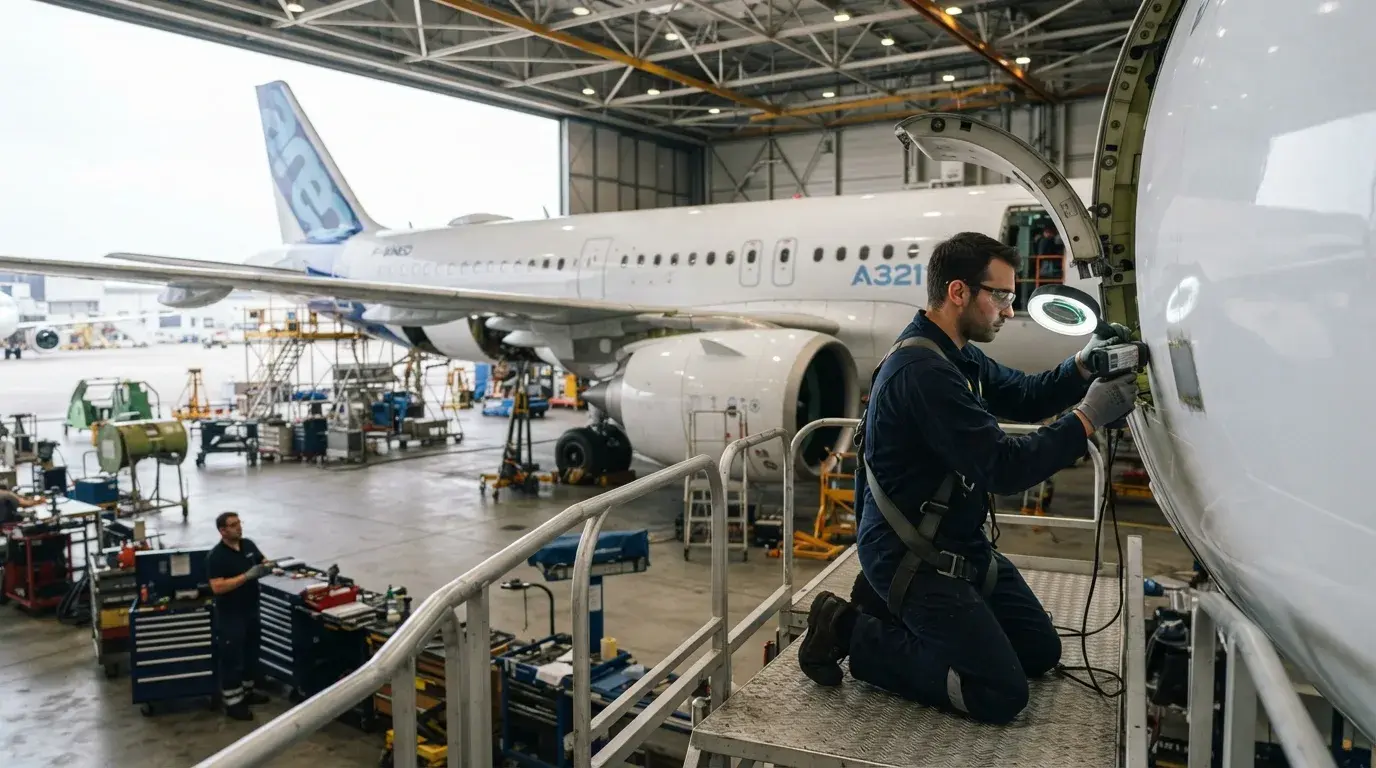
A corrosion protection flaw discovered on hundreds of Airbus A321neo aircraft in production may disrupt deliveries and operations for airlines, including those serving France. Airbus identified an anomaly in the forward fuselage stringers—longitudinal elements that structure the aircraft’s fuselage—during quality checks at its Toulouse assembly line. According to sources close to the matter, around 500 aircraft are affected, half of which are already in service, raising concerns about the reliability of delivered planes and potential delays for ongoing orders.
The manufacturer insists that affected aircraft can continue operations without immediate risk, but the issue presents an industrial and commercial challenge for a single-aisle jet that has become a star of European fleets. Airlines relying on the 737 MAX or A321neo for domestic and European routes may need to adjust their schedules. In France, where carriers like Air France and Transavia operate these aircraft for routes to Southern Europe or the Maghreb, passengers could feel the effects of this setback in future bookings.
The anomaly concerns the anticorrosion coating applied to the forward stringers, components subjected to significant stress from pressure variations and weather conditions. Airbus stated it has identified the root cause and has a corrective solution described as a simple quality rework that does not require disassembly of the affected components. However, questions remain about inspections and delivery delays, especially since neither the FAA nor EASA has issued specific airworthiness directives.
Quality Issue or Safety Flaw?
Airbus downplays the impact, classifying the defect as a quality issue, but airlines may adopt a more cautious approach. Carriers are awaiting clarification on procedures for aircraft already in service. An airworthiness directive mandating additional work could extend ground time and reduce available capacity, particularly as the air transport market remains tight.
For frequent travelers, this could mean reduced or delayed services on certain routes while corrective measures are applied. Airlines most exposed are those with large A321neo orders, such as easyJet, Volotea, and French charter operators. By 2026, the A321neo already accounts for nearly 20% of Airbus deliveries, and any partial unavailability could strain summer 2027 capacity.
What Are the Risks for Passengers and Airlines?
The primary risk for airlines is operational: if Airbus must slow production to implement fixes, planned 2027 deliveries could be impacted. For passengers, direct short-term consequences are limited, but reduced frequencies on certain routes are possible. For example, routes to Spain, Italy, or the Maghreb—often served by A321neo—could see adjustments.
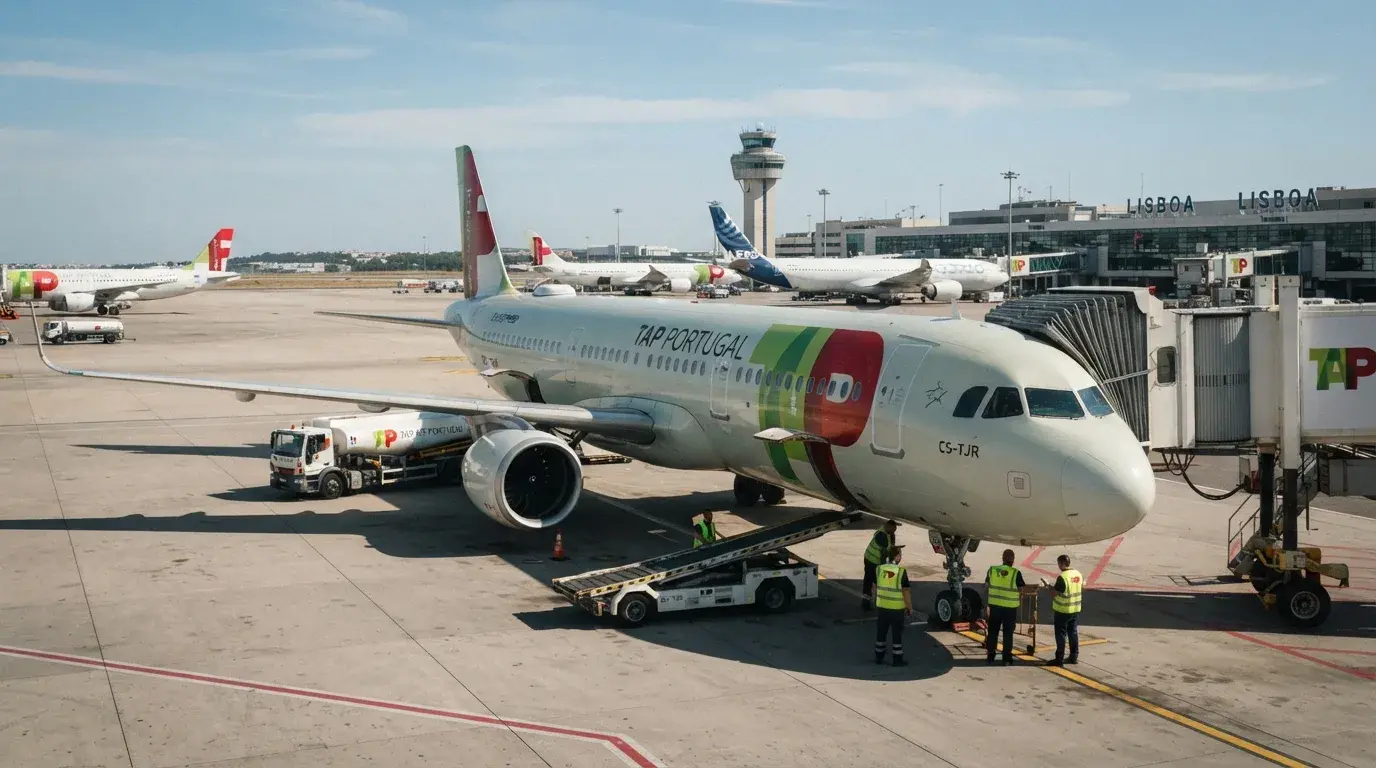
Affected airlines have not yet announced flight cancellations, but delivery delays could lead to fleet reorganizations. easyJet, which already operates around 40 A321neo aircraft, might tap into its 737 MAX 8 reserves or postpone new route openings. Air France, meanwhile, relies on the A321neo for routes to Lisbon or Algiers, and slower deliveries could jeopardize these services.
Airbus Under Pressure After Years of A321neo Delays
This issue arises as Airbus works to catch up on the A321neo program, whose deliveries have been disrupted by delays in LEAP-1A engine certification and post-COVID challenges. The manufacturer is banking on this single-aisle jet to compete with the Boeing 737 MAX, but repeated quality incidents could erode customer confidence. Asian and Middle Eastern airlines, which have placed large orders for the A321neo, may also reassess their purchasing strategies.
In Europe, where demand for flights remains strong, airlines may be forced to reallocate aircraft or resort to short-term leases. For passengers, this could translate into higher fares on certain routes or fewer booking options. Industry experts say the issue, while manageable, highlights the importance of industrial rigor in a post-pandemic recovery context.
The coming weeks will be critical for Airbus. The manufacturer must not only prove the corrective solution is effective but also reassure airlines about the long-term reliability of the A321neo. For travelers, the incident underscores the importance of monitoring airline fleet news, especially as aircraft like the A321neo represent an increasing share of available capacity in the European market.
What Should Passengers Do?
If you’re planning a trip in 2027 and your flight is operated by an airline using the A321neo (such as easyJet, Volotea, or Air France), it’s wise to check your booking regularly. Airlines are legally required to inform passengers of aircraft changes, but frequency adjustments remain possible. For future bookings, consider airlines that diversify their fleets with other aircraft types, such as the A320neo or 737 MAX.
If in doubt, contact the airline directly or monitor Airbus announcements regarding applied fixes. The manufacturer has set up a dedicated team to support customer airlines and minimize the commercial impact of this anomaly. One thing is certain: the A321neo remains a key aircraft for European air transport, and its long-term reliability will determine its future.
To stay updated on this news and get practical travel advice, regularly check the real-time updates published by Flywest, which analyzes the impact of aeronautical announcements on your travels.
Be the first to comment on this article
On the same topic
- Singapore Airlines bets $160 million on AI: How algorithms will revolutionize your flights by 2026
- Emirates Relaunches Strategic Offensive in Africa and the Middle East: Baghdad, Algiers and Basra in Sights
- IATA Aims to Modernize Baggage Tracking with New BCS and BIX Standards
- Jet fuel: Why Europe now depends on the US to keep its planes flying