US air traffic control outage: 15,000 flights canceled in 48 hours as airlines scramble to save Thanksgiving
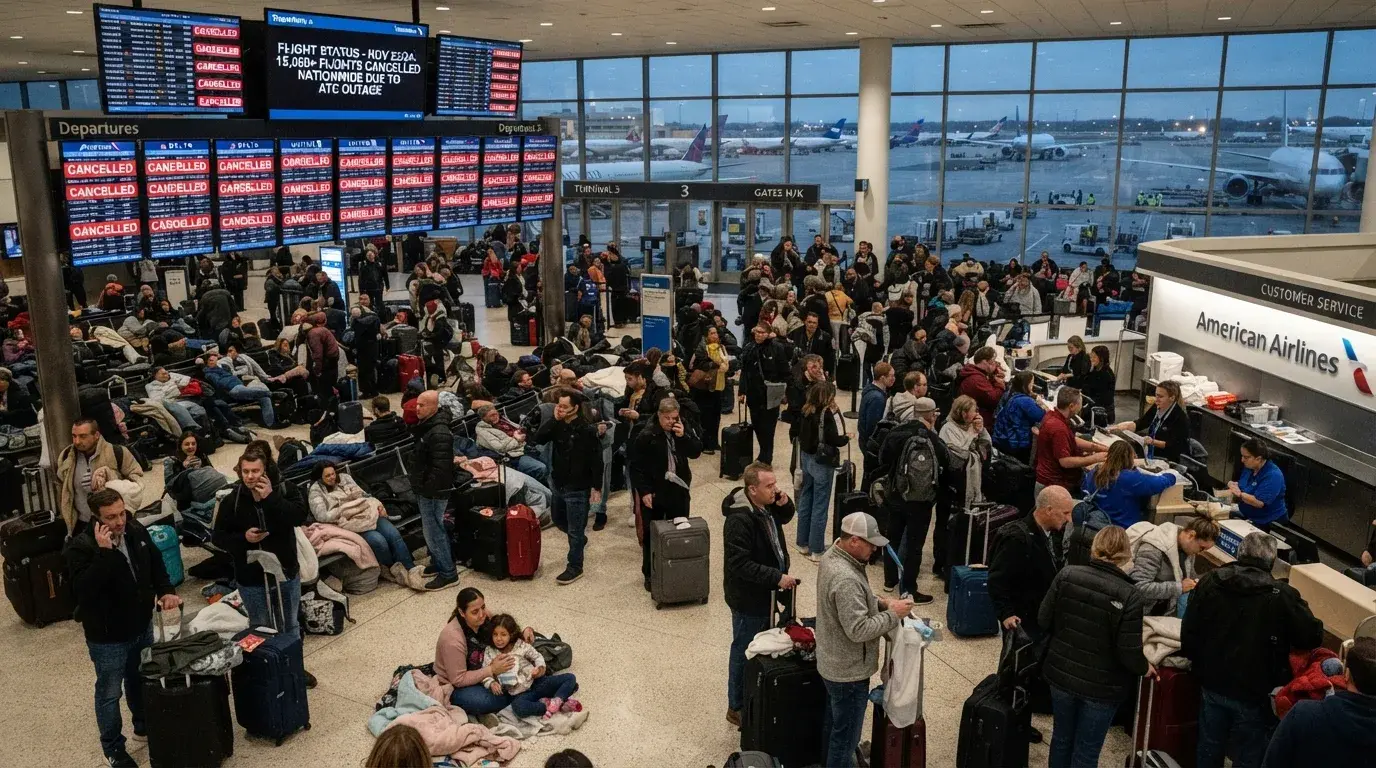
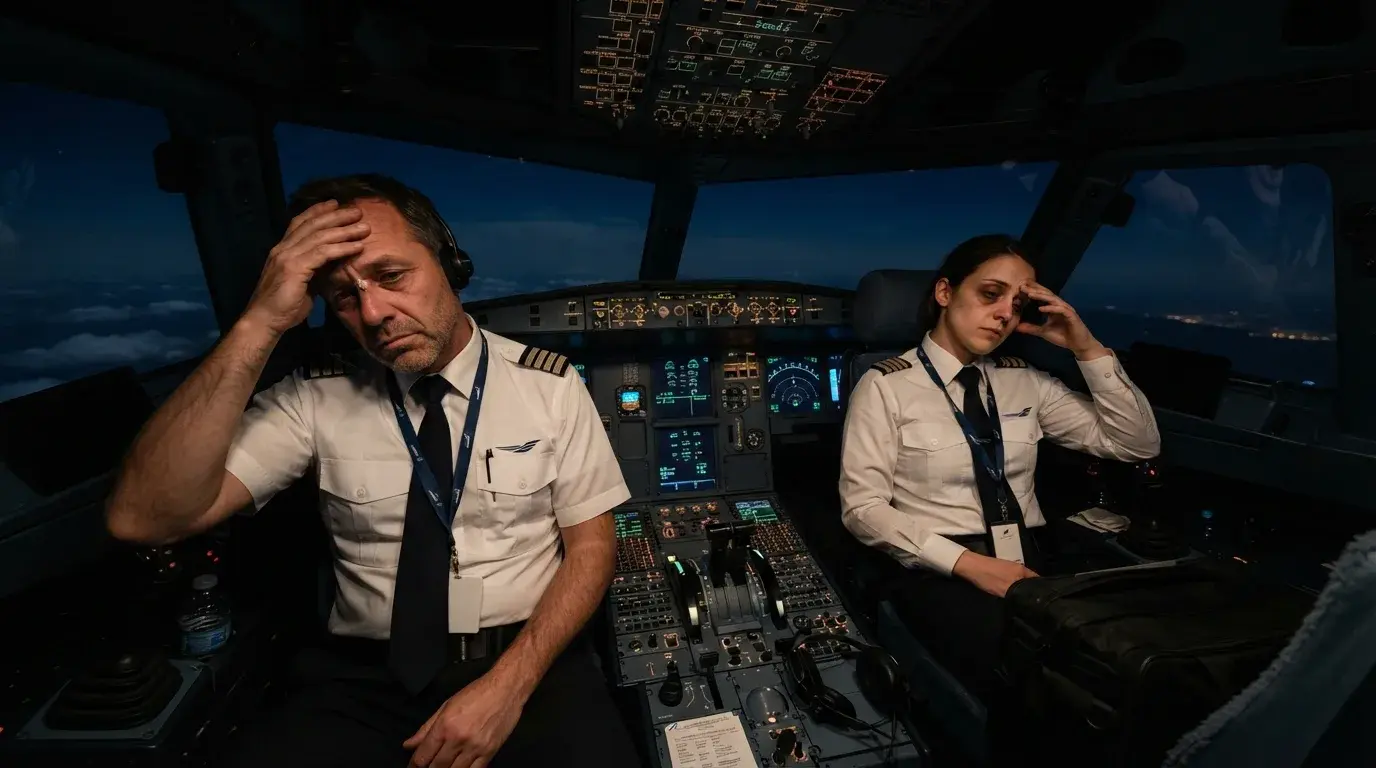
A major US air traffic control outage paralyzed the country over the weekend of November 14–15, 2026, canceling more than 15,000 flights in just two days. The incident, linked to a failed modernization of FAA equipment, exposed the vulnerabilities of an aging system weakened by years of underinvestment. As airlines scramble to recover ahead of Thanksgiving, stranded passengers face a crisis whose ripple effects extend far beyond airport terminals.
The shutdown of operations for over four hours on Friday, November 13, sent shockwaves across the nation. Over 9,200 flights were canceled on the first day alone, followed by an additional 6,150 cancellations on Saturday. Thousands of travelers were stranded in terminals as airlines struggled to manage the surge of passengers seeking alternative solutions. United Airlines and Delta Air Lines even temporarily suspended departures from Chicago and New York to prevent further congestion.
The technical failure at the heart of this crisis stemmed from an upgrade to the Federal Aviation Administration’s telecommunications network. According to initial investigations, the installation of a new router triggered an overload affecting all air traffic control systems. “We saw more than 1,000 connection attempts every four to five seconds,” explained Sean Duffy, US Secretary of Transportation, during a press conference. This instability forced the FAA to halt departures as a precaution, plunging the country into an unprecedented situation since the September 11, 2001, attacks.
An air traffic control system under strain for years
The incident highlights the structural weaknesses of the US air navigation network, long criticized for its lack of resilience. Despite budgets allocated for modernization, the system still relies partly on obsolete infrastructure, and backup measures struggle to absorb failures. FAA Administrator Bryan Bedford acknowledged the absence of a “backup for the backup” during his remarks, emphasizing the urgent need for a comprehensive overhaul.
Airlines are now grappling with the operational fallout of the crisis. Aircraft repositioning, passenger re-routing, and crew management are just a few of the challenges complicating the gradual resumption of flights. American Airlines prioritized international and non-hub routes to expedite recovery, while other operators work to reorganize schedules amid the Thanksgiving travel surge.
A colossal financial and human toll
While the exact number of affected passengers remains difficult to quantify, estimates suggest the disruption impacted over 1.5 million travelers originally scheduled to depart after 4:00 PM on Friday. Airlines now face the costs of refunds, rebookings, and compensations, not to mention losses from canceled business trips and interrupted vacations. Financial losses for the industry could reach tens of millions of dollars, according to early projections.
Beyond the numbers, the crisis has upended traveler experiences. Hundreds spent nights in airports, while others were forced to abandon holiday plans. Under pressure, airlines are offering alternative solutions, but the task is daunting in an already saturated Thanksgiving booking environment.
Between immediate urgency and structural reforms
In response to the crisis, US authorities have requested a $50 billion budget to modernize air traffic control—a figure raising questions about feasibility and timelines. Sean Duffy stressed the need for swift action, describing the situation as urgent. Yet past modernization efforts have often been delayed by bureaucratic hurdles and political debates.
For now, the priority remains restoring normal operations. The FAA lifted its departure suspension Friday evening, but a full return to normalcy could take until Sunday or beyond. Airlines, meanwhile, must catch up on backlogs while ensuring flight safety and passenger comfort—a complex task where every minute counts.
This outage brutally reminds us that, despite its apparent resilience, air travel remains vulnerable to technical failures and systemic flaws. For travelers, the incident underscores the risks of relying on an aging network—and a call to rethink crisis management in an industry already strained by economic and geopolitical challenges.
What to do if disrupted
For affected passengers, the first step is to contact their airline for rebooking options. Major carriers like United, Delta, and American Airlines have set up dedicated crisis teams, while airports offer accommodations or meal vouchers for stranded travelers. Travelers should also check specialized sites like FlightAware for real-time updates on cancellations and delays.
For those planning trips in the coming days, it’s wise to verify flight status before heading to the airport, as disruptions may persist. Airlines are working to recover, but the situation remains fragile, and further cancellations cannot be ruled out. Passengers should retain all booking confirmations and airline contact records to facilitate potential claims or compensation requests.
For now, American and international travelers are once again confronting the unpredictability of an aviation sector under pressure, where the promise of reliability clashes with the reality of a system in flux.
This weekend of crisis has shown that even in a country as advanced as the US, technical failures can have devastating consequences. For airlines, the priority is restoring passenger trust, while authorities must learn from this incident to prevent a repeat. One thing is certain: risk management in aviation must be rethought before the next crisis strikes.
Be the first to comment on this article
On the same topic
- Airbus A330-900: Record 480-Passenger Capacity Set to Disrupt Long-Haul Flights
- Emirates restores 91% of pre-conflict capacity despite Middle East tensions: the secret recipe for resilience
- A380: FAA Mandates Urgent Engine Part Replacements After Uncontained Engine Failure
- 737 MAX Sets Delivery Record with 363 Aircraft in Nine Months as FAA Validates Safety Despite New Software Bug
- Kenya Airways in the spotlight after controversial death aboard Nairobi-Lagos flight
- Flydubai: The in-flight attack investigation exposes critical aviation security flaws