Flydubai: The in-flight attack investigation exposes critical aviation security flaws
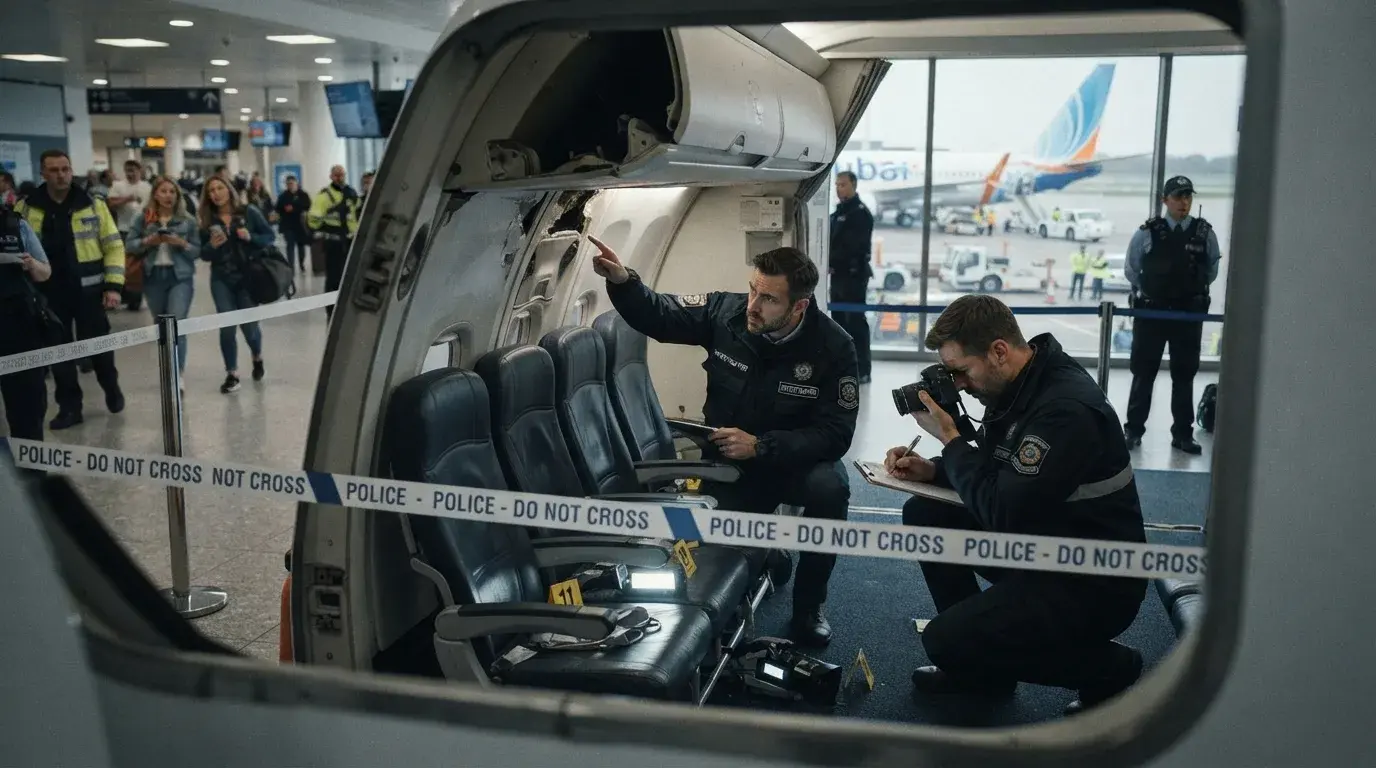
On September 30, 2026, Flydubai flight FZ1073 from Dubai to Tel Aviv became one of the most alarming incidents in recent aviation history. Aboard a Boeing 737 MAX-8 carrying 182 passengers, co-pilot Hamam al-Hammami attempted to seize control of the aircraft using an emergency cockpit axe to attack the captain. The scenario, straight out of a disaster film, was narrowly avoided thanks to the intervention of passengers and off-duty pilots in the cabin. The investigation, led by Emirati authorities, has since revealed major flaws in crew recruitment and verification procedures, raising a critical question: how could an individual suspected of extremism gain access to such a sensitive position?
The incident forced the aircraft to divert to Tabuk, Saudi Arabia, where it made an emergency landing. According to preliminary findings from investigators, the co-pilot had allegedly planned his act since joining Flydubai, after being rejected by Oman Air due to concerns over extremist views. Yet, despite this background, he managed to join the Emirati airline, highlighting a gap in crew screening systems. A deeper investigation is now underway to determine whether accomplices or terrorist networks played a role in this attempted attack.
Israeli authorities, who reacted immediately to the incident, ordered a comprehensive audit of security measures for all foreign flights bound for Israel. Benjamin Netanyahu described the event as a “terrorist attempt”, while Flydubai suspended all flights to and from Tel Aviv until further notice. This decision cast a shadow over the reliability of airlines operating in a region already marked by geopolitical tensions.
For travelers, this incident raises serious questions about flight safety, particularly for routes to Israel. Airlines now face unprecedented pressure to strengthen their crew recruitment and monitoring protocols. But how can we ensure such incidents do not recur?
A career under scrutiny
Investigations by Emirati and Israeli authorities have shed light on the turbulent career of Hamam al-Hammami. Reports indicate he was dismissed from Oman Air in 2024 due to concerns over radicalization. Yet Flydubai hired him in 2025 after standard background checks, primarily focused on the absence of criminal convictions. No in-depth investigation into potential radicalization was conducted.
Investigators also discovered that the co-pilot had made several flights to Tel Aviv before the incident, which may have allowed him to scope out the location and study approach procedures. According to sources cited by the Israeli press, he had reportedly mentioned his intention to carry out an attack as early as 2025, before temporarily abandoning the plan. The question now arises: how could such a profile slip through the cracks?
Emirati authorities have confirmed that the investigation is focusing on flaws in recruitment systems, particularly the lack of thorough checks on pilots’ ideological backgrounds. A gap that could affect other airlines operating in high-risk areas.
Consequences for Flydubai and the aviation sector
Flydubai, owned by the Dubai government, is now in the spotlight. The airline has suspended flights to Israel pending the investigation’s findings, a decision that could have major economic repercussions. The Dubai-Tel Aviv route was one of the most popular for the airline, with thousands of passengers traveling monthly.
For the aviation sector as a whole, this incident starkly reminds us of the urgent need to strengthen security controls, not only for passengers but also for crew members. Low-cost carriers like Flydubai are often criticized for their reduced costs, but this incident shows that security must not be sacrificed for economic efficiency.
Israeli authorities have already begun reassessing security measures for foreign flights bound for Tel Aviv. But will this be enough to prevent further attempts? The ongoing investigation should provide answers, but one thing is certain: air travel will never be the same after this incident.
What should travelers do?
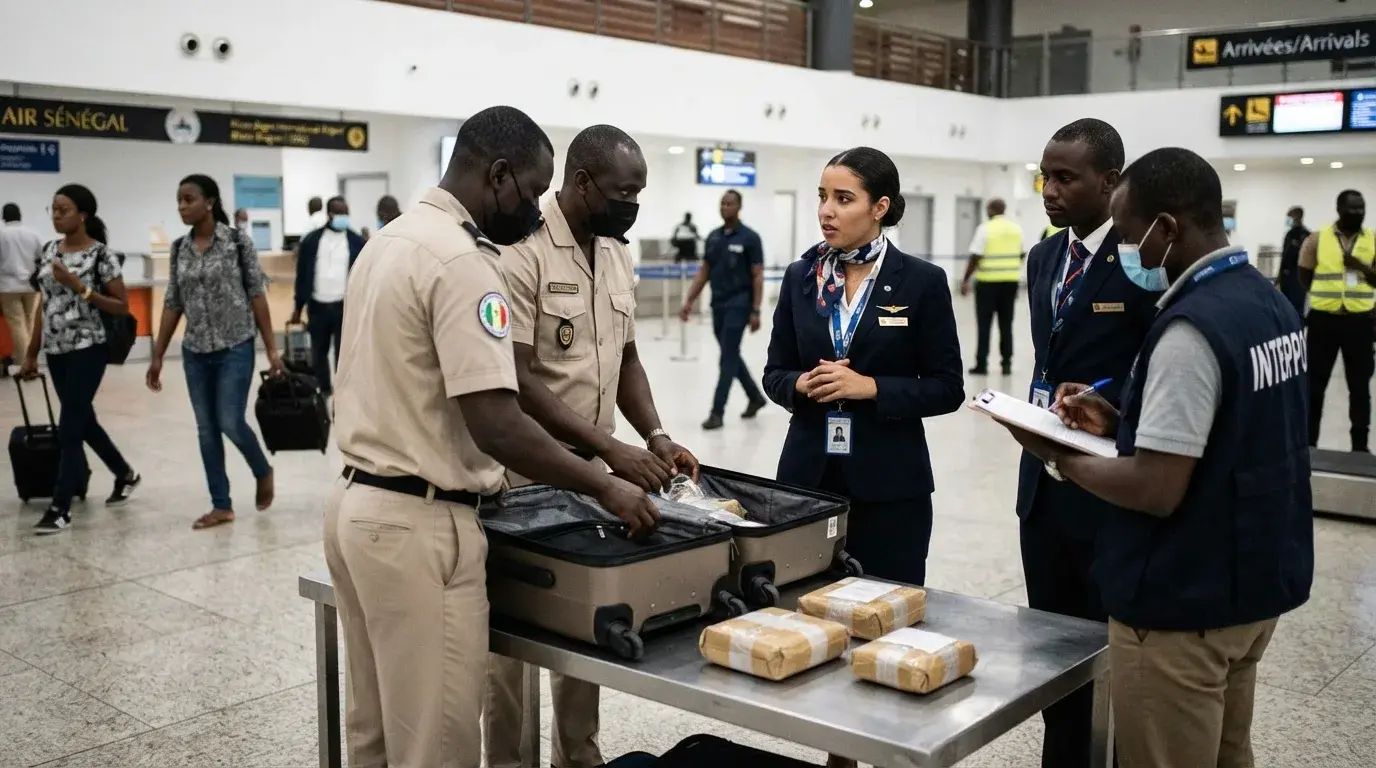
For passengers planning to travel to or from Israel or the Middle East, it is essential to stay informed about the latest security guidelines. Airlines will now need to demonstrate greater transparency regarding their crew recruitment procedures, and airport authorities may enhance pre-boarding checks.
If booking with an airline operating in the region, passengers are advised to check the latest official announcements from local authorities or the airline itself. Travelers should also ensure they have travel insurance covering potential disruptions related to security incidents.
Finally, this incident underscores the importance of choosing airlines committed to enhanced security programs. Passengers can refer to international certifications or IATA reports to assess a carrier’s reliability.
An issue that transcends borders
This attempted attack is not just about Flydubai or the United Arab Emirates. It highlights the vulnerabilities of global air travel in the face of terrorist threats. Airlines, governments, and international organizations must collaborate to strengthen recruitment, monitoring, and verification protocols for crew members.
Passengers, for their part, must remain vigilant and demand total transparency from airlines regarding their security measures. In a world where travel is increasingly accessible, safety must remain the absolute priority.
Be the first to comment on this article