Pilot Fatigue: European Airlines Under Scrutiny for Persistent Gaps, ECA Warns
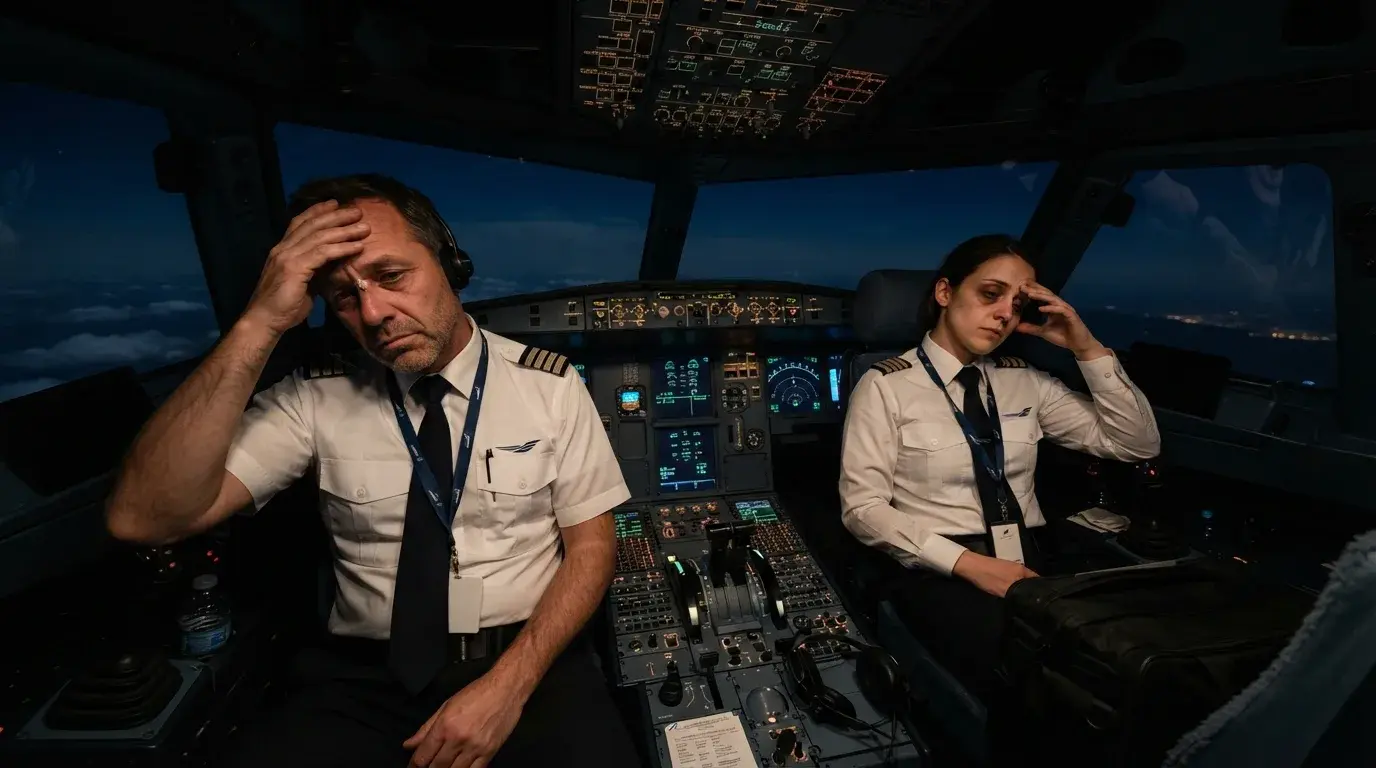
Nearly one in four European pilots admits to flying while unfit due to fatigue, according to a recent survey of 7,200 crews across 32 countries. The findings, published by the European Cockpit Association (ECA), paint a troubling picture of fatigue risk management within airlines. Three years after a similar study, the results show no significant improvement—and in some areas, a deterioration.
The survey, conducted by specialist firm Baines Simmons on behalf of the ECA between August 4 and September 7, 2026, reveals that 76.8% of pilots surveyed experienced at least one episode of microsleep during flight in the four weeks prior to responding. For 7.3% of them, these episodes occurred ten or more times in the same period. While these figures describe individual experiences rather than direct measures of accident risk, they underscore a major safety concern for aviation.
Pilot fatigue is not an isolated issue. It is part of a broader context of operational pressure, where crews struggle with insufficient rest between flights. According to the ECA, 38.8% of respondents say they systematically lack recovery time to prevent fatigue accumulation. This situation is particularly alarming for low-cost carriers and ACMI operators (aircraft, crew, maintenance, and insurance charter), where results are even more concerning.
Another critical aspect highlighted by the study is the fear of sanctions. Nearly a quarter of pilots (24.2%) admit they do not report their unfitness due to professional consequences. Only 37.2% dare to file an official fatigue or inaptitude report. This systematic underreporting prevents airlines from fully grasping the challenges faced by their crews and limits their ability to implement effective corrective measures.
ECA President and Commander Tanja Harter sums up the urgency of the situation: « The figures in this report—and the lack of significant improvement over the past three years—are a clear warning to airlines, authorities, and the European Union Aviation Safety Agency. »
The survey results vary significantly depending on the certification country of the airlines. Operators holding certificates issued in Ireland or Malta are frequently criticized, while Finnish and Dutch carriers show more favorable outcomes. These disparities do not necessarily reflect uniform practices within a single country but reveal differences in organizational culture and human resource management.
The ECA does not merely highlight problems—it proposes precise recommendations. The association calls for strengthened preventive fatigue management, effective reporting systems, real protection for pilots who declare their inaptitude, and stricter oversight of operators. It also insists that survey findings inform the EASA’s work on Flight Time Limitations (FTL), currently under review.
Commander Coen George, ECA board member, warns that prevention cannot rely solely on crews once they are in the cockpit. « It cannot be left to us, the pilots, when we are at the controls and expected to safely fly passengers to their destination, » he stresses. He cautions against pressures from some airlines to extend services, particularly in cases of delays or overly optimistic scheduling.
Low-cost carriers and ACMI operators are particularly criticized in the study. The survey shows that 69.1% of pilots express concern over the consequences of refusing to extend their service, up from 65.8% in 2023. This fear is even more pronounced among these operators, where economic margins are often tighter.
The ECA urges immediate action from airlines and regulators to reverse this trend. Ian Holder, CEO of Baines Simmons, notes that « this survey reflects pilots’ direct testimonies rather than a direct measure of risk or safety outcomes, which must be assessed by other means. » However, he emphasizes that the consistency of results over three years and disparities between countries and operator categories help identify priority areas for improvement.
Striking Figures: Pilot Fatigue in Europe
The ECA survey paints an unflattering portrait of fatigue management in European air transport. Here are some of the most striking data points:
- 76.8% of the 7,200 pilots surveyed experienced at least one microsleep during flight in the four weeks prior to responding. Among them, 7.3% reported ten or more episodes in the same period. While brief, microsleeps can have serious consequences for vigilance and reaction time.
- 38.8% of respondents say they systematically lack sufficient rest between flights, contributing to fatigue accumulation. This is even more critical for 15.2% of pilots who report using Commander’s Discretion—the ability to extend a flight in exceptional circumstances—at least twice in the past four weeks.
- A quarter of pilots (24.2%) admit they do not report their inaptitude due to fear of professional repercussions. Only 37.2% actually declare themselves fatigued or unfit. This systematic underreporting prevents airlines from measuring the true scale of the issue and limits their ability to act.
- 69.1% of pilots express concern over the consequences of refusing to extend their service. This fear is particularly acute among low-cost carriers and ACMI operators, where economic pressures are stronger.
ECA’s Recommendations to Enhance Safety
Faced with these alarming findings, the ECA has issued a series of recommendations for airlines and regulatory authorities. The goal is twofold: strengthen fatigue prevention and improve transparency on operator practices.
The association first calls for strengthened preventive fatigue management. This includes better risk assessment, more realistic flight planning, and more balanced crew rotations. Airlines must also implement effective reporting systems that allow pilots to declare fatigue without fear of retaliation.
A real protection for pilots who declare their inaptitude is also demanded. This involves internal procedures guaranteeing no sanctions for crews reporting their condition, along with appropriate medical follow-up. The ECA insists these measures must be uniformly applied across all airlines, regardless of their business model.
Stricter oversight of operators is another critical lever. The ECA recommends more rigorous inspections of airlines, particularly low-cost carriers and ACMI operators, where risks are highest. Authorities must verify compliance with rest and flight time rules and ensure pilots have the resources needed to maintain safety for passengers and crews alike.
Finally, the ECA urges that survey findings inform the work of the European Union Aviation Safety Agency (EASA) on Flight Time Limitations (FTL). These rules, currently under revision, could be strengthened to better protect crews from fatigue and improve aviation safety.
Pilot Fatigue: An Issue That Goes Beyond the Cockpit
Pilot fatigue is not just a technical or operational problem—it has profound repercussions on aviation safety, crew health, and passenger service quality. Testimonies collected by the ECA show that chronic fatigue can lead to judgment errors, reduced reaction times, and difficulties managing emergency situations.
Microsleeps during flight, for example, are among the most visible symptoms of fatigue. While brief, these episodes of partial loss of consciousness can have dramatic consequences, especially during critical flight phases like takeoff or landing. Moreover, fatigue accumulation makes pilots more vulnerable to stress and human error, increasing accident risks.
Pilot fatigue also impacts long-term health. Crews subjected to irregular schedules, insufficient rest, and constant pressure are more exposed to sleep disorders, cardiovascular issues, and mood disorders. These risks to pilots’ physical and mental health must be factored into overall fatigue management.
Finally, pilot fatigue directly affects the quality of service for passengers. An exhausted crew is less able to meet travelers’ expectations, particularly during disruptions or emergencies. This can result in poor communication, less effective delay management, and a less satisfactory overall experience.
For the ECA, combating pilot fatigue must be an absolute priority for the air transport industry. It cannot be resolved with piecemeal measures or minor adjustments. It requires a comprehensive approach involving airlines, authorities, crews, and even passengers.
Airlines must take responsibility by implementing stricter, more transparent fatigue management policies. Authorities should strengthen oversight and penalties for non-compliance. Crews must be encouraged to report fatigue without fear of retaliation. And passengers should be informed of the industry’s efforts to improve safety and comfort on board.
Pilot fatigue is a complex issue—but it is not insurmountable. With a concerted approach and tailored measures, it is possible to reduce risks and enhance aviation safety for everyone.
What Can Passengers Do?
While pilot fatigue is primarily an internal management issue for airlines, passengers can also play a role by being attentive to signs of fatigue among crews and adopting respectful behavior on board. Here are some tips for traveling with peace of mind:
First, it’s important to understand that pilots and cabin crews are trained professionals capable of managing stress and fatigue. Their top priority is passenger safety. However, their ability to ensure this safety can be compromised by inadequate working conditions or excessive operational pressures.
As a passenger, you can contribute to a more pleasant journey by adopting respectful behavior on board. Avoid loud or disruptive behavior, especially in premium cabins where passengers may be resting. Follow safety instructions and crew requests, which are designed to ensure your safety and comfort.
If you observe inappropriate behavior from another passenger, don’t hesitate to inform a crew member. This could range from a simple reminder of etiquette rules to reporting dangerous or disruptive conduct. Crews are trained to handle these situations and ensure the well-being of all travelers.
Finally, if you have concerns about a flight’s safety, you can consult safety reports published by competent authorities like EASA or the FAA. These documents provide valuable insights into incidents and accidents, as well as measures taken to enhance safety. You may also contact airlines directly for information on their fatigue management policies.
Air travel remains one of the safest modes of transport in the world. By recognizing the challenges of pilot fatigue and adopting respectful behavior, you help maintain this high level of safety for all passengers.
For more on the European Cockpit Association’s (ECA) work, visit their official website.
Be the first to comment on this article