Pegasus Airlines Acquires Smartwings: Turkish Low-Cost Giant Expands into Central Europe
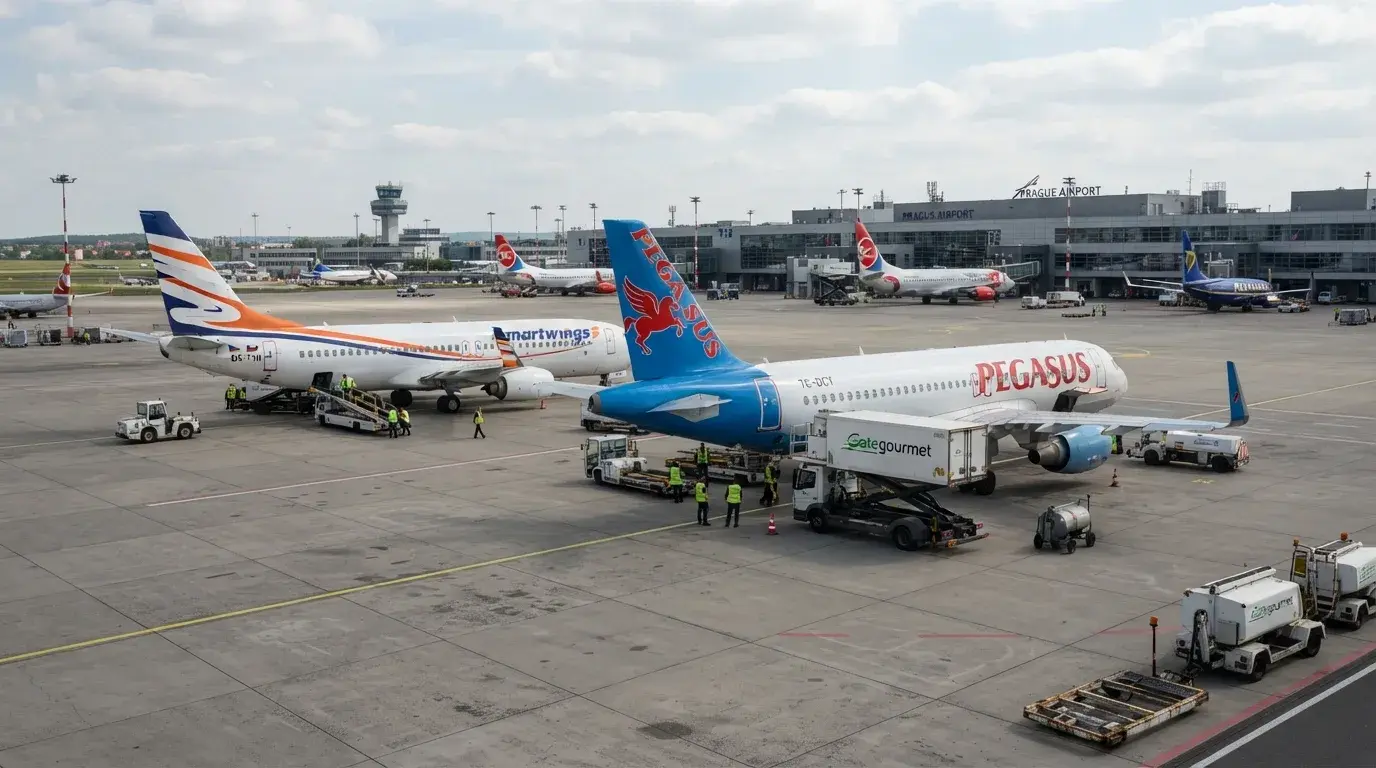
The European aviation sector has just witnessed a major upheaval with the completion, on October 1, 2026, of Pegasus Airlines’ acquisition of Smartwings and Czech Airlines. The €154 million deal propels the Turkish carrier into a leadership position in the Central European low-cost market, reshaping the map of routes between Asia and Europe. With a fleet of over 175 aircraft and an order book for 140 additional planes, the Pegasus-Smartwings group is poised to become a key player for travelers seeking competitive fares to diverse destinations.
The acquisition goes beyond a simple fleet merger. It creates a powerful synergy between Pegasus’s network, centered on Istanbul-Sabiha Gökçen Airport, and Smartwings’ expertise in mass tourism and tour operator partnerships. Smartwings will retain its brand identity, though its ownership structure has shifted dramatically: Pegasus now controls the group, which also includes Czech Airlines, the former Czech national carrier now operating as a functional holding. This strategy allows Pegasus to establish a lasting presence in Central Europe without immediately integrating operations.
For passengers, the immediate impact is minimal: no changes to flight schedules or route networks have been announced. Smartwings’ fleet, which stood at 41 aircraft in July 2026, is primarily composed of Boeing 737s, including a majority of 737-800s and a significant presence of 737 MAX 8s. Two Airbus A320-200s and four A220-300s round out the diversity. Meanwhile, Pegasus already serves 161 destinations across 57 countries, while Smartwings covers 80 destinations in 20 countries, with subsidiaries in the Czech Republic, Poland, Slovakia, and Hungary. A combined reach that could redefine regional air transport balances.
Regulatory Hurdles and Strategic Challenges
The deal was not without obstacles. The Czech regulator ÚOHS raised concerns about the concentration of slots between Prague and Antalya during the peak summer season. To secure approval, Pegasus agreed to relinquish certain time slots to a competitor, ensuring better accessibility for travelers on this high-demand route. This concession highlights authorities’ vigilance against monopolistic risks on strategic routes.
Pegasus faces a dual challenge: bolstering its low-cost model with Smartwings’ regional anchoring while leveraging its expertise in maintenance and fleet management. For Czech Airlines, the arrival of a new majority shareholder marks the beginning of a new era after years of turbulence. The airline, which suspended autonomous operations in 2024, now sees its future tied to the Turkish group. A reinvention that could save jobs and revive routes.
Industry observers are already speculating about next steps. A commercial partnership between Pegasus and Smartwings is not ruled out in the medium term, though nothing has been confirmed. For travelers, the central question remains: when will the first concrete effects of this merger become visible? With final approvals secured in early October, industry insiders suggest announcements could emerge as early as the 2026-2027 winter season, potentially including fare adjustments or new route openings.
What This Acquisition Means for Travelers
For now, passengers will notice no changes to their travel experience. Smartwings continues to operate under its own brand, using its aircraft and crews. Existing bookings remain valid, and travelers are advised to monitor official communications from the airline for updates. However, Pegasus’s entry could eventually lead to more competitive fares on Smartwings’ current routes, particularly to tourist destinations like Antalya, Prague, or Budapest.
Travelers frequenting airports in the Czech Republic, Slovakia, Hungary, or Poland may also benefit from increased frequencies or new connections. Pegasus, with its Istanbul hub, could strengthen connections between Central Europe and Asia, offering more flexible and often cheaper travel options. For example, a Paris-Prague route via Istanbul could become a compelling alternative to direct flights.
Avid travelers on Boeing 737 MAX aircraft will also take note: with 14 MAX 8s in its fleet, Smartwings is helping to democratize this fuel-efficient aircraft. Pegasus, which already operates MAX 8s and MAX 9s, may accelerate the introduction of these planes on European routes, reducing operational costs—and potentially ticket prices.
A New Chapter for European Aviation
This acquisition marks a turning point in the strategy of Europe’s low-cost airlines. Pegasus, already a dominant force in Turkey and the Middle East, is now extending its influence into Central Europe—a region critical for tourism and business. The deal aligns with a broader trend of sector consolidation, where major players expand their geographic footprint to withstand competition.
For travelers, the primary benefit could be a broader and potentially cheaper range of options. Low-cost carriers have historically pressured traditional airlines to adjust pricing; with Pegasus now in the mix, the pressure on fares may intensify. Both leisure and business travelers should keep a close eye on fare trends and new route announcements.
As fuel costs and geopolitical tensions squeeze airline margins, this merger could also signal optimism for the sector. By combining their strengths, Pegasus and Smartwings may not only survive but thrive in an increasingly competitive market.
What Should Travelers Do?
If you’ve booked a flight with Smartwings or Czech Airlines, rest assured: your tickets remain valid. The airlines confirm that daily operations, customer service, and loyalty programs will continue as normal. For any questions, consult Smartwings’ official website or contact their customer service. Online booking platforms are also expected to update their information in real time.
For those planning trips to Central Europe or Turkey, it may be worth comparing fares between direct flights and options with a connection via Istanbul. Pegasus often offers aggressive pricing, and this acquisition could further enhance its deals. Finally, stay tuned for official announcements: if a commercial merger were to proceed, it could lead to route or fleet changes within months.
In summary, this deal is good news for travelers seeking affordable fares and diverse destinations. Central Europe and Turkey could soon offer even more accessible travel options, thanks to the synergy between Pegasus and Smartwings.
Airport and Destination Outlook
European airports affected by the merger are likely to feel the effects—positive or negative, depending on their situation. Hubs like Prague, Budapest, or Warsaw could see increased traffic, with potential for new routes or higher frequencies. Conversely, airports served exclusively by Smartwings may experience adjustments if the airline refocuses its network.
In terms of destinations, travelers could benefit from new links between Central Europe and Asia via Istanbul. For example, a Prague-Istanbul-Tokyo route could become a reality, offering an alternative to traditional European hubs. Tourists and business travelers will have more options for organizing their trips.
This acquisition underscores the importance of strategic partnerships in aviation. By acquiring Smartwings, Pegasus isn’t just buying aircraft—it’s gaining a route network, fleet management expertise, and a recognized brand in Central Europe. A winning strategy for both parties.
For now, Europe’s skies remain calm. But with a major Turkish low-cost giant now firmly entrenched in Central Europe, the coming months could bring surprises for travelers.
Be the first to comment on this article
On the same topic
- Emirates Weighs Swapping Boeing 787s for 777Xs: A Strategic Shift That Could Transform Long-Haul Travel
- Air Transat Makes Year-Round Montreal-Dakar Route Permanent: How to Book Before Prices Soar
- EU Plans to Block easyJet Takeover by US Funds: What It Means for Your European Flights
- Air Astana Launches Two New Routes from Kazakhstan: Larnaca and Guangzhou at Low Prices
- Summer 2026 Jet Fuel Shortage Risk: Airlines on High Alert Amid Middle East Oil Crisis
- Rising Fuel Costs: Delta Air Lines Posts Loss, Cuts Capacity, and Raises Fares