Air Transat Makes Year-Round Montreal-Dakar Route Permanent: How to Book Before Prices Soar
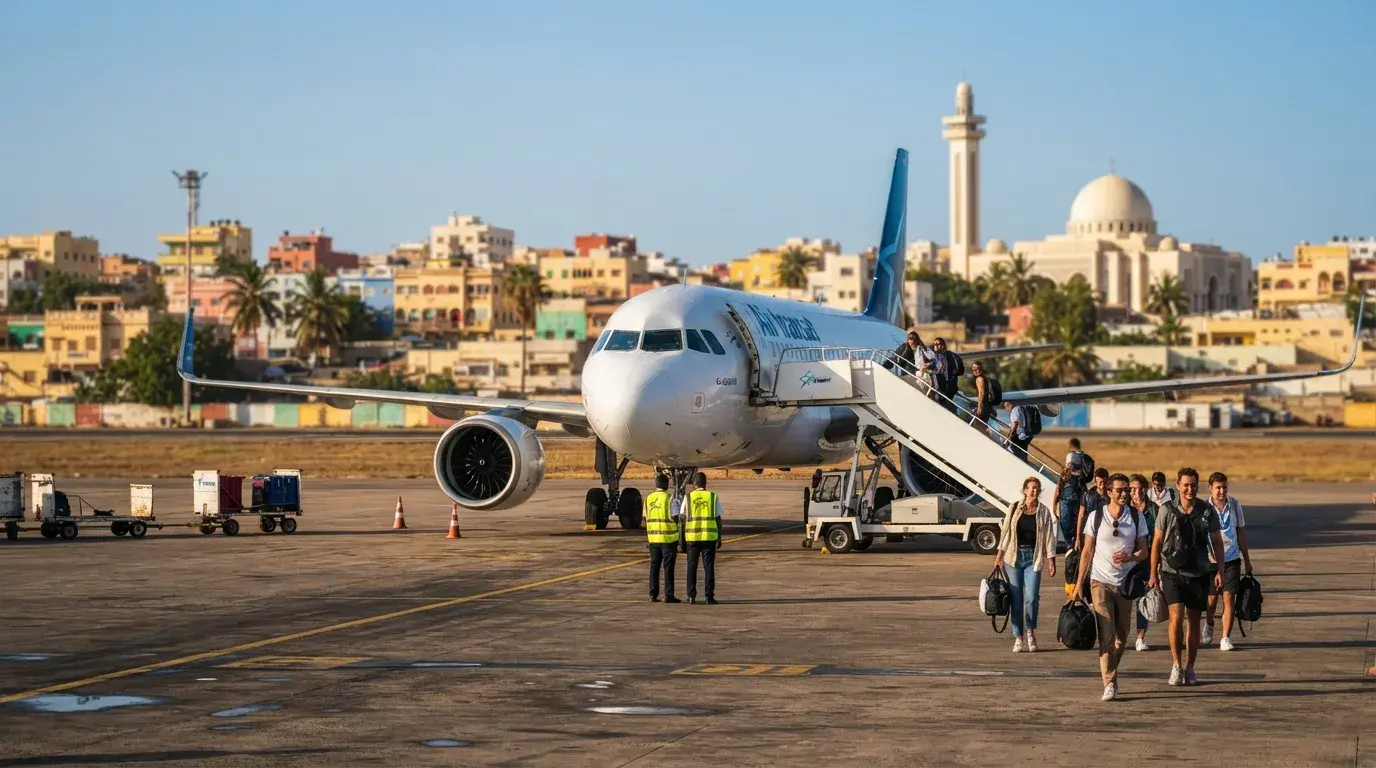
As of Monday, August 2, 2026, travelers between Canada and Sub-Saharan Africa now have a year-round option to fly directly from Montreal to Dakar. Air Transat has announced the permanent operation of its direct service between the two cities, a route previously limited to the summer season. This decision marks a significant shift for thousands of passengers seeking to avoid cumbersome layovers or high-season ticket prices. But how can you take advantage of this opportunity before fares skyrocket? Here’s everything you need to know.
The Montreal-Trudeau (YUL) – Dakar-Blaise Diagne (DSS) route is now the only direct connection between Canada and Sub-Saharan Africa. A boon not only for the Senegalese diaspora in Quebec but also for adventure-seeking travelers. With no seasonal closures, planning trips to West Africa—whether for family visits, business, or exploration—becomes far simpler. Operated by an Airbus A330-200 in a two-class configuration (12 seats in Club Class and 334 in Economy), the aircraft offers optimal comfort for the nearly nine-hour long-haul flight. The service runs year-round, with one weekly flight in winter and two in summer, ensuring reliable options for families and professionals alike.
The first flights, set to begin on October 30, 2026, align with Air Transat’s broader strategy to strengthen its African destinations. A move responding to growing demand from Canadian travelers for African stopovers, particularly for getaways to Cape Verde or other West African destinations. However, this offer remains niche: seats are limited, and fares are expected to rise quickly once the news spreads among savvy travelers.
For passengers looking to book before the anticipated winter price surge, experts recommend monitoring promotions on Air Transat’s website or flight comparison platforms. Flexible departure dates, such as midweek flights, often yield better fares. Travelers are also advised to book directly with the airline to avoid additional fees commonly charged by online agencies.
This initiative reflects a broader trend in transatlantic route diversification, as airlines seek to attract travelers in search of authenticity and affordability. With Sub-Saharan Africa’s tourism sector on the rise, this route could soon become a staple of North American air travel—unless competitors beat Air Transat to the punch before fares become prohibitive.
A Strategic Route for Diaspora and Exotic Travelers
Air Transat’s decision to make this route permanent is far from arbitrary. For the Senegalese diaspora in Quebec, the Montreal-Dakar connection is more than just a flight—it’s a vital link to their homeland. Family visits, business trips, or vacations to destinations like Gorée Island or Niokolo-Koba National Park are now far easier to organize. The summer’s two weekly flights, paired with a winter rotation, offer rare flexibility for an intercontinental route.
Beyond the diaspora, the route appeals to Canadian travelers seeking African adventures. Dakar, a gateway to West Africa, provides easy access to destinations like Cape Verde, Gambia, and Guinea-Bissau. Travelers can enjoy a multi-destination trip: a few days in Dakar before continuing to other locales. A significant advantage in an era where multiple layovers drive up costs and passenger fatigue.
The Canadian carrier is banking on this appeal by offering a well-designed Economy Class service with ample space and attentive service. Club Class passengers enjoy enhanced comfort, with 180-degree reclining seats, gourmet meals, and priority service—ideal for those seeking premium travel without breaking the bank. For families, Air Transat provides child-friendly fares and flexible baggage options, catering to an increasingly important segment of travelers. These details make the route a serious contender for those looking to avoid the hassles of connections or overcrowded flights.
How to Book Without Breaking the Bank: Tips from Seasoned Travelers
With the announcement of this year-round service, fares should remain competitive initially but are expected to rise rapidly as the news spreads. To secure seats before prices surge, here are some expert tips. First, book as soon as possible, prioritizing weekday departures over weekends, when demand is typically higher.
Flight comparison tools like Skyscanner or Kayak can help spot price drops, but monitoring Air Transat’s website directly is often more effective, as the airline frequently offers limited-time promotions. Travelers with flexibility may also consider departures outside school holiday periods, where fares are generally more attractive.
For families, Air Transat offers discounted child fares and competitive checked baggage rates—great news for those looking to travel without worrying about weight or size restrictions. Frequent flyers can also join Air Transat’s loyalty program to accumulate miles and benefit from future discounts.
Another strategy is to watch for last-minute deals, particularly in winter when demand is lower. Unsold seats are often heavily discounted, allowing for substantial savings. Travelers can also contact Air Transat’s customer service for potential discounts or installment payment options, a practice increasingly common among airlines.
In summary, Air Transat’s year-round Montreal-Dakar route is a unique opportunity for Canadian and African travelers alike. To take advantage without overspending, act quickly and follow expert booking advice. One thing is certain: this route has a bright future ahead, and fares won’t stay low once the news goes mainstream.
A Bold Gamble for Air Transat in a Competitive Market
Air Transat’s decision to make this route permanent aligns with its broader strategy to diversify its destinations. While Canadian airlines traditionally focus on the Caribbean and South America, the leisure carrier is venturing into a more distant and less saturated market. A bold move that could pay off in the long run.
West Africa is an emerging tourism hotspot, boasting stunning beaches, rich culture, and renowned cuisine. Dakar, in particular, is a dynamic city where tradition and modernity blend, offering travelers an authentic experience. By providing a direct route, Air Transat positions itself as a key player in facilitating access to this sought-after destination.
However, this strategy is not without risks. Competition on transatlantic routes is fierce, and other carriers could quickly adopt the idea to offer even more attractive fares. Air Transat will need to closely monitor its market share and adjust pricing accordingly to stay competitive. One thing is clear: this route is a major asset for the airline, which is betting on innovation and diversification to stand out.
For travelers, this initiative is excellent news. It offers a credible alternative to costly, exhausting multi-stop routes and allows exploration of a region still relatively unknown to North American tourists. With Africa’s economic and tourism growth, this route could soon become a staple of Canadian air travel in the years ahead.
For now, the only thing left to do is book your tickets before fares take off. Once the news spreads, seats will go fast—and so will prices. Ready to seize the opportunity?
Be the first to comment on this article
On the same topic
- EU Plans to Block easyJet Takeover by US Funds: What It Means for Your European Flights
- Air Astana Launches Two New Routes from Kazakhstan: Larnaca and Guangzhou at Low Prices
- Summer 2026 Jet Fuel Shortage Risk: Airlines on High Alert Amid Middle East Oil Crisis
- Rising Fuel Costs: Delta Air Lines Posts Loss, Cuts Capacity, and Raises Fares