TAP Air Portugal revolutionizes aviation with lightweight paint reducing fuel consumption by 430 tonnes annually
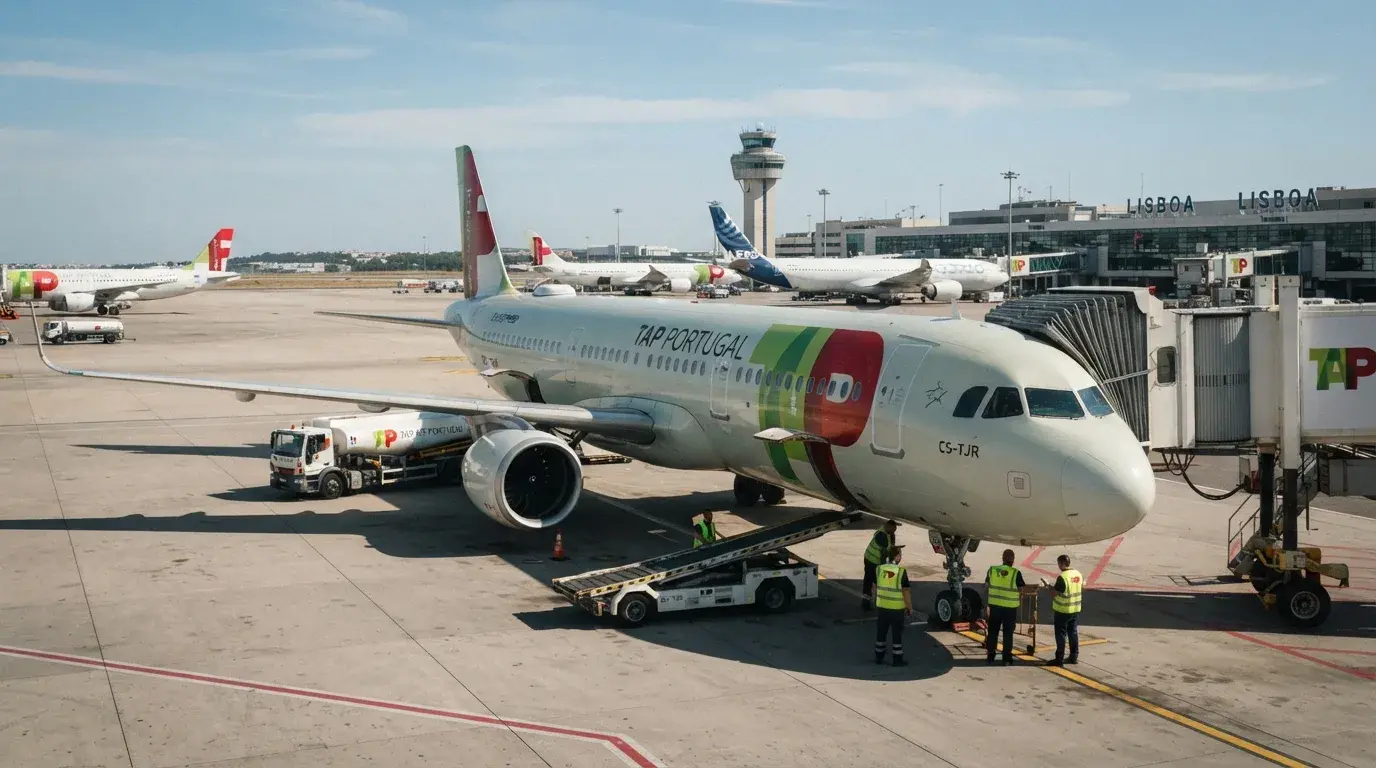
As the aviation sector desperately seeks solutions to reduce emissions and costs, TAP Air Portugal has made a discreet yet spectacular breakthrough. The Portuguese airline has been testing a new lightweight aeronautical paint formulation for several weeks, developed in partnership with AkzoNobel Aerospace Coatings. The results are so promising that they could transform the economics of short and medium-haul flights as early as 2027.
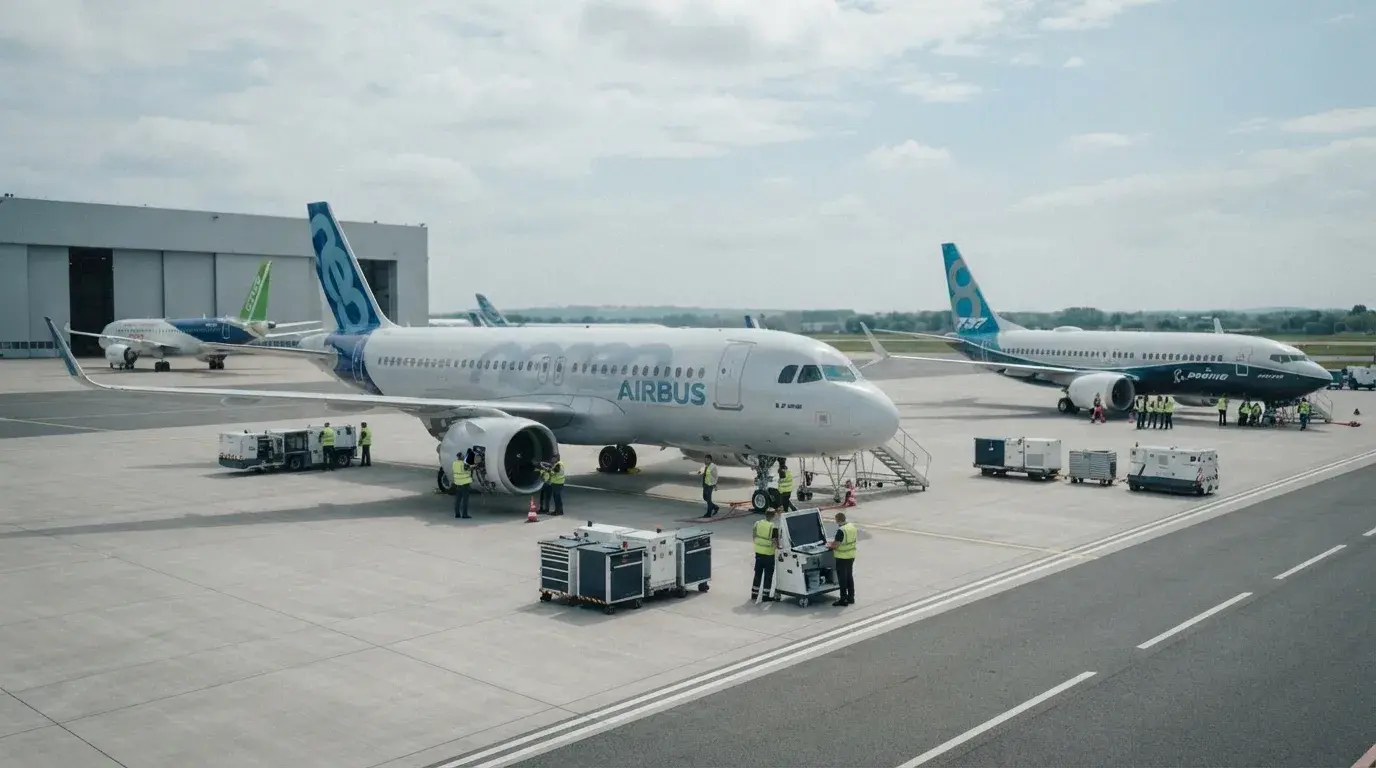
According to initial tests conducted on two of TAP’s Airbus A320 aircraft, this innovation reduces the weight of the planes by an average of 24 kg per aircraft. Applied across the entire fleet, this represents a potential gain of 428.5 tonnes of fuel and 1,353 tonnes of CO₂ per year. These figures immediately spark consideration, especially when one realizes that every kilogram saved has a direct impact on fuel consumption and operational costs.
For João Carvalho, Structural Engineer at TAP Air Portugal, this solution aligns with a broader strategy of operational efficiency and carbon footprint reduction. « At TAP, we are constantly seeking to improve our efficiency while reducing our environmental impact. The results achieved through this collaboration demonstrate that even small weight reductions, when applied fleet-wide, generate significant fuel and CO₂ savings. »
The innovation extends beyond mere weight reduction. The new paint, called Aerobase UPD, offers uniform coverage in a single application, reducing processing time and the thickness of the applied film. A time and efficiency gain that also translates into improved productivity for paint workshops and reduced maintenance costs.
For Aurore Bournazel, Segment Manager OEM, MRO & Airlines at AkzoNobel Aerospace Coatings, this advancement illustrates the potential of incremental innovations in aviation. « This program with TAP shows that gradual improvements in aeronautical coatings can yield measurable benefits. By reducing the thickness and weight of the paint, Aerobase UPD helps decrease aircraft weight, enhance workshop productivity, and maintain the quality standards of commercial aviation. »
Tests are ongoing on two aircraft, but TAP is already considering a gradual rollout across its fleet, which primarily consists of Airbus A320neo and A330neo aircraft. This modernization complements other measures already in place, such as aerodynamic optimization and fuel management, to meet the energy performance and emission reduction targets outlined in the company’s ESG reports.
This innovation comes at a time when the aviation sector is under pressure to reduce both emissions and costs. With fuel accounting for up to 30% of an airline’s operational costs, every kilogram saved makes a difference. Could lightweight paint be the solution?
A mature technology already tested in real-world conditions
Unlike some innovations still in the prototype phase, Aerobase UPD paint has already been tested in real-world conditions. Initial trials were conducted on TAP’s Airbus A320s, with concrete and measurable results. The advantage of this technology lies in its simplicity of application: it requires no structural modifications to the aircraft, only the adoption of a new paint formulation.
The announced weight savings stem from a reduction in paint film thickness while maintaining uniform coverage and durability comparable to traditional paints. For airlines, this means an immediate improvement in their carbon footprint without significant investment in infrastructure or team training.
TAP Air Portugal has already modernized its fleet with the Airbus A320neo and A330neo families, two models renowned for their energy efficiency. Adding this lightweight paint will further strengthen this competitive advantage, allowing the airline to differentiate itself in a market increasingly sensitive to environmental issues.
According to TAP’s estimates, if this technology were deployed across its entire fleet, fuel savings could reach 428.5 tonnes per year, resulting in a reduction of 1,353 tonnes of CO₂ emissions. A figure that gains significance when considering that the airline transports over 10 million passengers annually and operates a dense network across Europe and North America.
A step closer to more sustainable aviation
This innovation comes at a time when commercial aviation is in the spotlight for its CO₂ emissions. With increasingly stringent regulations, such as the extension of carbon taxes to short-haul flights in Europe starting in 2029, airlines have no choice but to find solutions to reduce their environmental impact.
Lightweight paint is just one of many avenues explored by the sector. Other initiatives, such as the use of lighter composite materials or optimized flight trajectories, are also being promoted to improve aircraft energy efficiency. However, unlike some of these solutions, lightweight paint offers a major advantage: its deployment can be achieved quickly and at a lower cost.
For passengers, this innovation could translate into potentially cheaper tickets, as airlines pass on fuel savings to fares. Good news for frequent travelers looking to reduce their carbon footprint without sacrificing comfort.
TAP Air Portugal is not the only airline exploring this path. AkzoNobel Aerospace Coatings, the partner behind this innovation, is already working with other industry players to test and deploy this technology. A broader adoption could accelerate the transition toward more sustainable aviation.
What does the future hold for this technology?
For now, TAP Air Portugal is proceeding cautiously, discussing a gradual rollout of the lightweight paint across its fleet. Tests are ongoing, and the airline is awaiting full results before generalizing the application of this technology. But one thing is certain: this innovation has the potential to become a standard in commercial aviation.
With such significant fuel and CO₂ savings, it’s hard to imagine other airlines not taking interest. Especially since the technology is already mature and tested in real-world conditions. A wider adoption could turn this innovation into a genuine game-changer for the industry.
For travelers, the benefits are twofold: potentially cheaper flights and a reduced carbon footprint. A winning combination for a sector in the midst of transformation.
As aviation desperately searches for solutions to reduce costs and emissions, TAP Air Portugal has proven that a simple innovation can make a major difference. Lightweight paint may not be the ultimate solution, but it represents another step toward a more sustainable and competitive aviation industry.
Keep a close eye on this, as this technology could well become the norm in the years to come.
Be the first to comment on this article