Air Astana's Boeing 787 Dreamliner to revolutionize long-haul flights to Kazakhstan by 2027
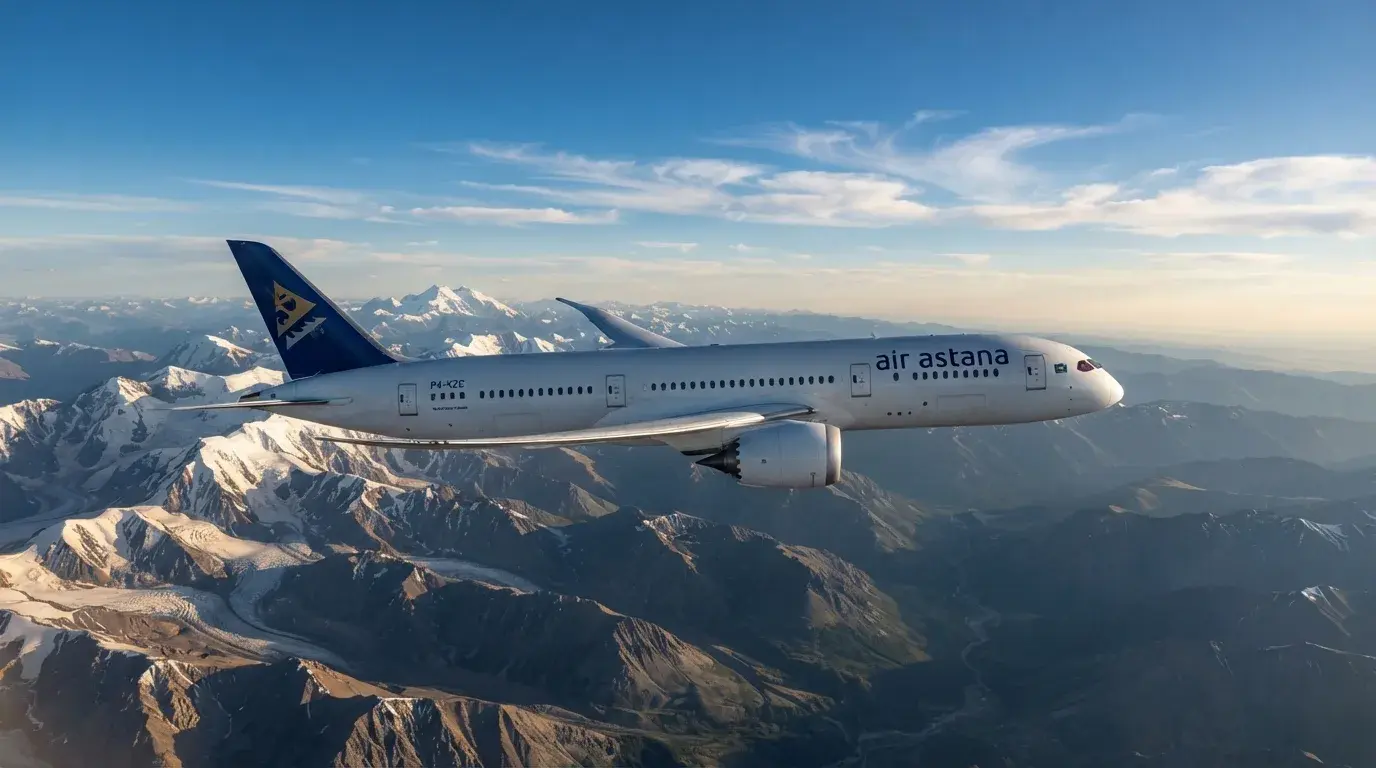
Kazakhstan is poised to enter a new aviation era with the upcoming arrival of its first Boeing 787 Dreamliner in the fleet of Air Astana. Scheduled for delivery by the end of 2026, this milestone marks a turning point for the national carrier, which plans to leverage this cutting-edge aircraft to transform its routes to Europe, Asia, and eventually North America. With exceptional range and a cabin redesigned for comfort, this twinjet promises to redefine the passenger experience on long-haul flights.
The aircraft, currently in the final stages of preparation in the United States, is already under the spotlight. Its arrival in Almaty and Astana in the first quarter of 2027 will allow Air Astana to gradually replace its aging and less efficient Boeing 767-300ER fleet. This shift is part of a broader strategy to modernize the fleet and strengthen Kazakhstan’s position as a logistics hub between Europe and Asia. For travelers, this will mean longer nonstop flights, reduced travel times, and an unprecedented level of comfort in the region.
With 15 Boeing 787-9 Dreamliner aircraft ordered, totaling 303 seats, Air Astana is not just enhancing its offering. The airline also plans to expand its network, including routes to the United States—a first in the country’s history. Currently, Kazakhstan has no direct links to the American continent, but the Dreamliner, with a range of nearly 14,000 kilometers, could make these flights a reality as early as 2027 or 2028.
The introduction of this aircraft coincides with a pivotal period for Air Astana, which celebrates its 25th anniversary in 2027. Since its founding in 2001, the airline has undergone several major transformations, but the arrival of the 787 Dreamliner is arguably one of the most significant. With an aging fleet of Boeing 767 and Airbus A320 aircraft, this twinjet will not only improve operational efficiency but also meet growing demand for more modern and comfortable long-haul flights.
Replacing aging Boeing 767s with the Dreamliner
Air Astana’s current Boeing 767-300ER fleet has an average age of 13 years, making them among the oldest aircraft in the lineup. Their replacement with Boeing 787-9 Dreamliner aircraft is a priority for the airline, which aims to optimize operating costs while delivering a premium experience to passengers. The Dreamliner, with its composite material structure, consumes up to 20% less fuel than the aircraft it replaces, representing substantial savings in a high kerosene price environment.
Beyond its economic performance, the 787 Dreamliner stands out for its comfort. The cabin features advanced air filtration systems, customizable LED lighting, and higher humidity levels, reducing passenger fatigue on long-haul flights. Business class seats also offer a 180-degree recline, turning every journey into a true rest experience. For Air Astana, this technological choice aligns with a goal to position itself as a premium airline in Central Asia.
The first aircraft, currently being completed in the United States, is expected to be delivered before the end of 2026. It will be followed by 14 more Dreamliners by 2035, according to the airline’s projections. This renewed fleet will enable Air Astana to serve more distant destinations and increase flight frequencies to key markets such as Western Europe, Southeast Asia, and potentially North America.
Ambitious long-haul plans to North America
One of Air Astana’s most ambitious projects with its new Dreamliner is to launch direct flights to the United States. To date, Kazakhstan has no nonstop flights to the Americas, forcing travelers to make detours via European or Asian hubs. With the Boeing 787-9, capable of connecting Almaty to cities like New York or Los Angeles without stops, this could change in the coming years.
Company officials have confirmed that the first flights to North America are planned for 2028, once the Dreamliner fleet reaches a critical size. This expansion into new destinations will be accompanied by a targeted marketing strategy to attract business travelers and tourists eager to explore a country still relatively unknown to the general public. Kazakhstan, with its diverse landscapes, rich history, and economic opportunities, could quickly become a sought-after destination for adventure-seeking travelers.
In the meantime, Air Astana continues to strengthen its existing network. By the end of 2026, the airline will add two new routes: a connection between Almaty and Tokyo, and another between Astana and Bangkok. These services, operated with Airbus A321LR aircraft, will link strategic Asian markets while paving the way for the arrival of the Dreamliners.
A modernized fleet for a more sustainable aviation
The introduction of the Boeing 787 Dreamliner also aligns with a commitment to environmental sustainability. The Dreamliner is one of the most fuel-efficient airliners, thanks to its next-generation GEnx engines and composite material structure. These innovations reduce CO2 emissions by nearly 20% compared to the aircraft it replaces, a compelling argument for an airline focused on its environmental impact.
Air Astana has made ecological transition a priority. In addition to fleet renewal, the airline is investing in carbon offset programs and collaborating with local partners to optimize operations. The arrival of the Dreamliners thus marks an important step in this strategy, enabling reduced carbon footprints for long-haul flights while delivering a high-end experience to passengers.
For travelers, the arrival of the Boeing 787 Dreamliner in Air Astana’s fleet is excellent news. It not only means more comfortable and faster flights but also opens the door to destinations previously inaccessible without stops. Whether for business or leisure, passengers will finally enjoy direct connections between Central Asia and other regions of the world without compromising comfort or sustainability.
In conclusion, the arrival of the first Boeing 787 Dreamliner at Air Astana marks a turning point for aviation in Kazakhstan. With unmatched performance, exceptional comfort, and long-haul ambitions toward North America, this twinjet promises to transform the travel experience while positioning the country as an emerging destination on the global air transport map.
For those planning upcoming trips, it is already possible to book tickets on Air Astana’s new routes, including those to Tokyo and Bangkok. As for flights to the United States, they should become available by 2028, once the Dreamliner fleet reaches full capacity.
With this innovation, Air Astana reaffirms its ambition to play a key role in the future of aviation in Central Asia, offering modern, sustainable, and globally connected flights.
Be the first to comment on this article