Qantas Launches Sydney-London Nonstop in 2027: Why This Project Will Transform Australia
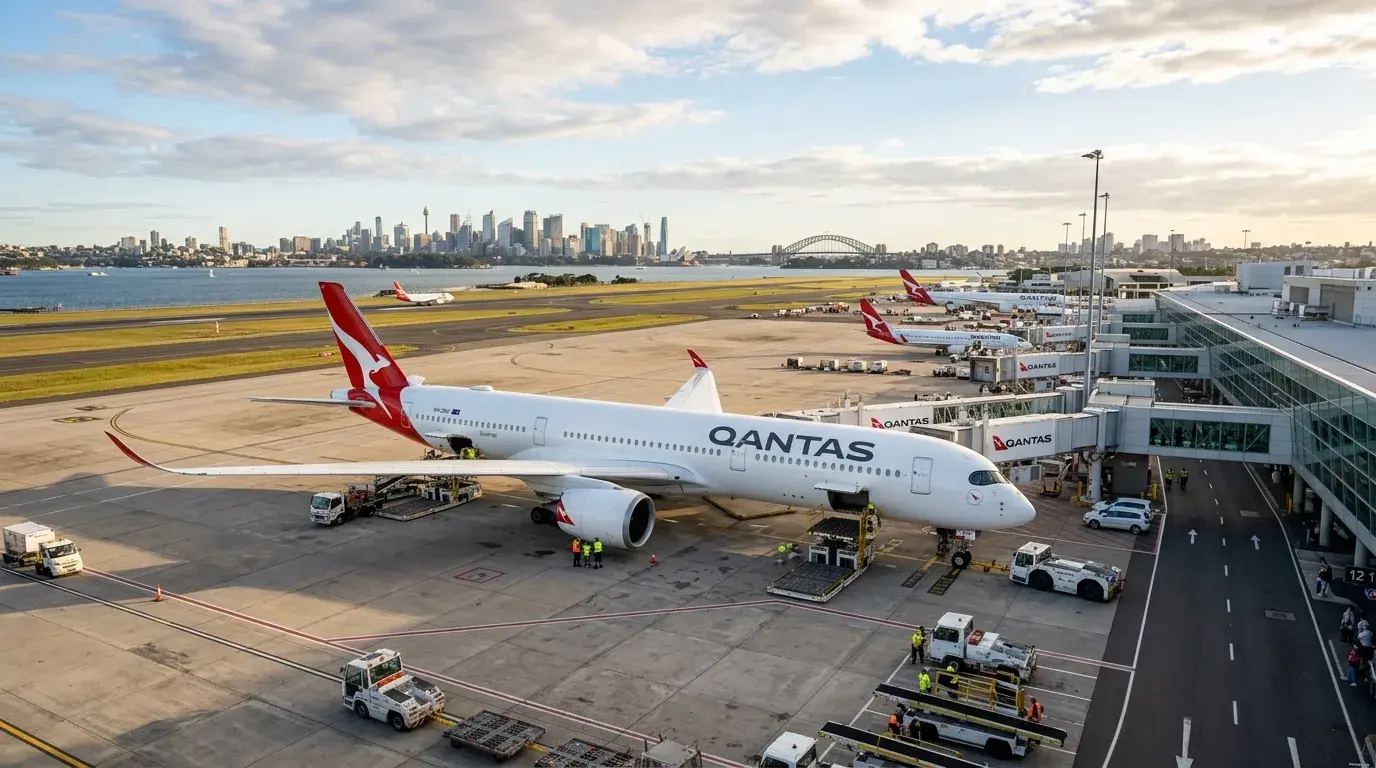
On June 18, 2026, global aviation reached a historic milestone with the official launch of Qantas’ Sydney–London nonstop route, a first for Australia and a landmark achievement for the industry. Operated by an Airbus A350‑1000ULR, this flight will directly connect the country’s East Coast to Europe in under 22 hours, eliminating the need for tedious layovers in Asia or the Middle East. A revolution that redraws the map of long-haul travel and positions Qantas at the heart of a new chapter for air transport.
This project, dubbed Project Sunrise, is more than a commercial announcement: it marks the culmination of nearly a decade of preparation, delays, and technological challenges. After testing experimental flights with Boeing 787‑9 aircraft between 2019 and 2020, Qantas ultimately opted for a bespoke solution with the A350‑1000ULR, a model capable of supporting ultra-long-haul flights without compromising comfort. London, chosen as the first destination, will become the European gateway for Australia, saving an estimated four hours compared to current routes. A compelling argument for premium travelers willing to pay a premium to avoid connections.
Yet this flight is only the first step in a more ambitious plan. By 2027, Qantas also plans to link Sydney to New York‑JFK, further solidifying its leadership in ultra-long-haul routes. Beyond prestige, this project addresses an economic reality: Australia, geographically isolated, suffers from a deficit in direct connectivity with its key outbound markets. By removing the layover, Qantas aims to capture a growing share of business and leisure travelers seeking time savings—a factor now as critical as ticket price.
Innovation extends beyond distance. Qantas’ A350‑1000ULR will feature an ultra-light configuration of 238 seats across four classes, with unprecedented circulation and relaxation spaces for flights lasting 20 hours or more. The airline is prioritizing passenger well-being: dynamic lighting to minimize jet lag, meals tailored to circadian rhythms, and even crew rest zones. A luxury that contrasts with recurring criticism of long-haul travel fatigue.
A technological and operational gamble
The technical challenge is immense. The A350‑1000ULR required major modifications, including an additional 20,000-liter central fuel tank, extending its range to 22 hours. Airbus had to certify the aircraft for very high-altitude flights and takeoff/landing profiles near maximum weight—a first for a commercial airliner. Flight tests, launched in early June 2026, must validate these adaptations before delivery of the 12 aircraft ordered by Qantas, scheduled from late 2026.
Operationally, managing crews and fuel reserves presents unprecedented constraints. Civil aviation authorities must approve adapted rest schedules, with multiple rotating pilots and reinforced onboard rest areas. Qantas is leveraging data collected during its 787‑9 test flights, which provided biometric insights into passenger and crew fatigue. A scientific approach for an industry often criticized for working conditions.
The timeline is tight: the first commercial flight is slated for October 2027, with ticket sales opening in February 2027. For travelers, this means a unique opportunity to reach London from Sydney in a single hop, without the stress of connections. For Qantas, it’s a chance to differentiate itself from competitors like Singapore Airlines or Emirates, which are also betting on ultra-long-haul flights to attract premium clientele.
A strategic imperative for Australia
This project aligns with a broader strategy for Australia, which seeks to strengthen ties with Europe and North America. Historically, Australian travelers relied on Asian hubs like Singapore or Hong Kong, or Middle Eastern transit points, to reach Europe. With direct Sydney–London flights, the country gains strategic autonomy, reducing dependence on foreign infrastructure.
The economic impact is also significant. Tourism and trade between Australia and Europe could benefit from increased visitor numbers, particularly for short stays or business events. Australian carriers hope to attract high-end travelers willing to pay a premium for nonstop flights—a boon for the local aviation sector, already in full expansion.
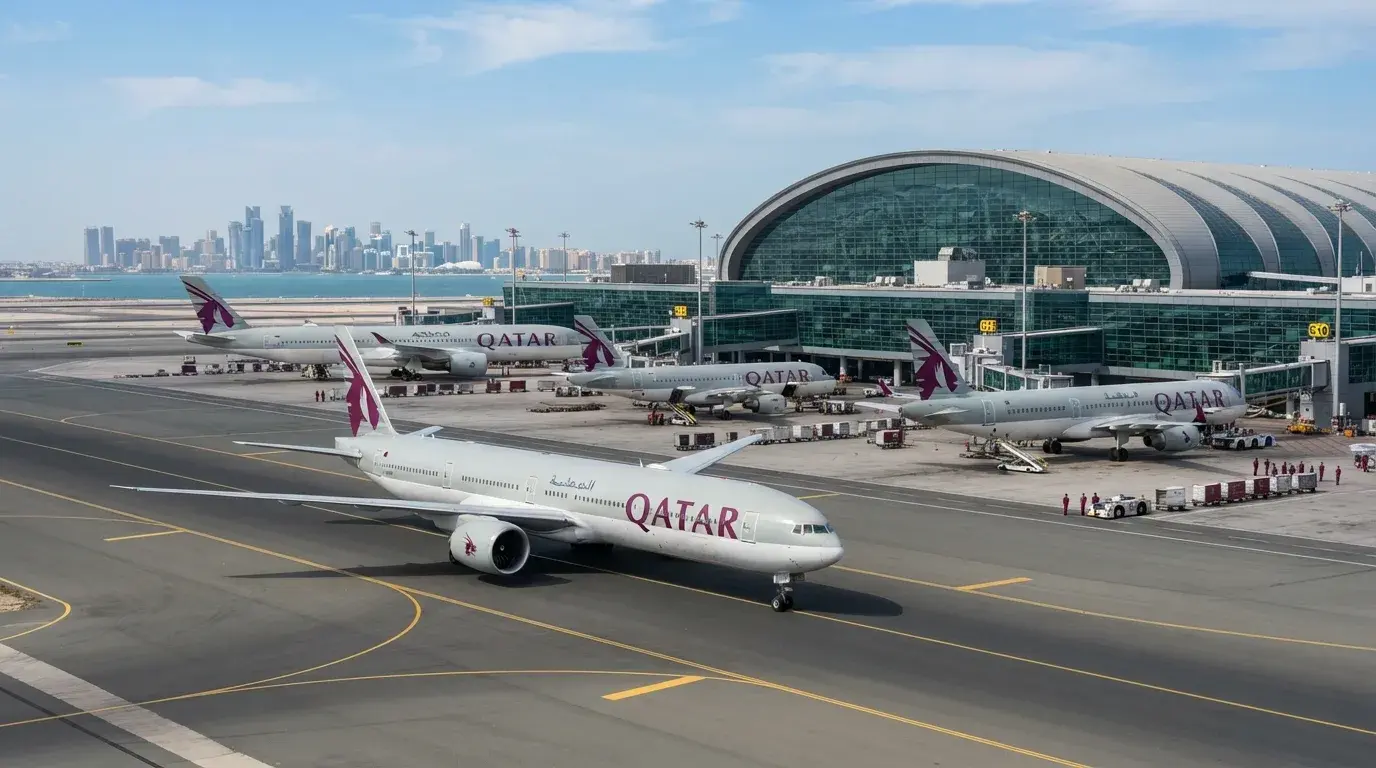
For Qantas, this project is also a technological showcase. The airline is betting on the A350‑1000ULR to embody the future of air transport, with a Project Sunrise fleet capable of reviving direct routes to other long-haul destinations. Ultimately, the group plans to extend this model to cities like Los Angeles or Dubai, further strengthening its network and competitiveness against giants like Emirates or Qatar Airways.
A changing market
The launch of the Sydney–London nonstop arrives at a time when travelers increasingly demand flexibility and transparency. Recent disruptions—geopolitical tensions or airport strikes—have exposed the vulnerabilities of classic layover routes. By offering a direct alternative, Qantas meets a growing demand for reliability and comfort.
Industry analysts note that such projects could inspire other airlines. Ultra-long-haul flights, long considered an expensive luxury, are becoming a necessity for carriers seeking differentiation. With the A350‑1000ULR, Airbus has proven it’s possible to combine performance and fuel efficiency—a key argument amid rising kerosene costs.
For passengers, the stakes are twofold: saving time and traveling in better conditions. For Qantas, it’s an opportunity to make aviation history and consolidate its leadership in the Australian market. A victory that could redefine air transport standards for decades to come.
As Australia prepares to welcome millions of visitors for major events like the 2026 Commonwealth Games or the 2027 Rugby World Cup, the Sydney–London direct route arrives at the perfect moment. Proof that even in a mature industry, innovation remains the engine of sustainable growth.
Key takeaways
Qantas’ Project Sunrise is more than a flight: it’s a revolution. By connecting Sydney to London nonstop by 2027, the Australian carrier is reinventing long-haul travel, saving four hours and optimizing comfort. A technological, strategic, and economic bet that could inspire the entire industry. For travelers, it ensures faster access to Europe. For Qantas, it’s an opportunity to position itself as a global aviation leader.
With this project, Australia takes another step toward global connectivity, proving that even the most remote destinations can become accessible in a single hop. An advancement worth celebrating, as it marks a turning point for millions of passengers.
Be the first to comment on this article
On the same topic
- Athens emerges as the new US gateway to Greece: Why this hub is winning over travelers
- Royal Air Maroc's 737 MAX-8 boosts Casablanca hub ahead of 2030 World Cup
- Wizz Air invests $100 million in Brașov: The A321neo set to revolutionize travel in Eastern Europe
- TAP Miles&Go and Airbnb Partner: Earn Miles on Your Travel Bookings
- Emirates Relaunches Strategic Offensive in Africa and the Middle East: Baghdad, Algiers and Basra in Sights
- Air France-KLM struggles amid fuel shock: How the airline withstands a 71% profit plunge