Icelandair Phases Out Boeing 757: What This Means for Transatlantic Travel
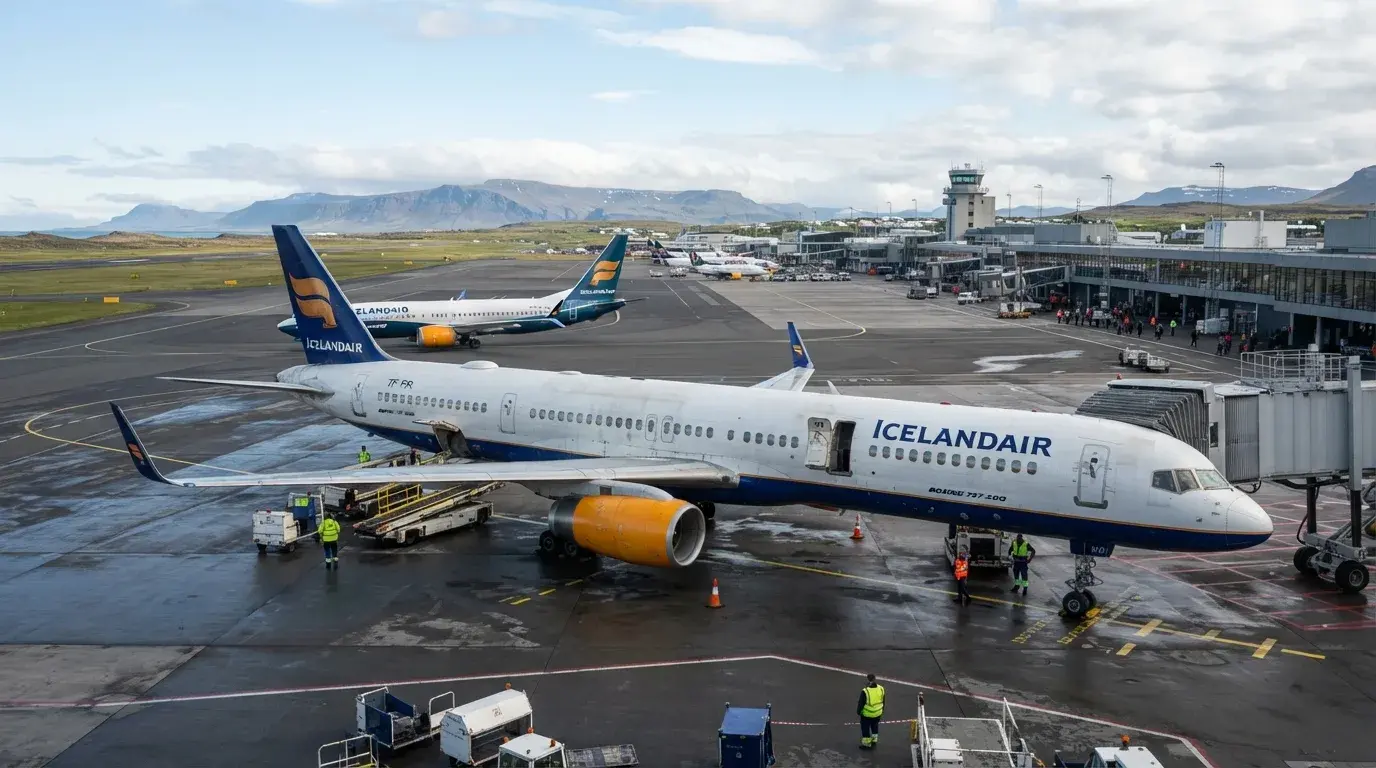
Icelandic carrier Icelandair is accelerating its fleet modernization program, definitively closing the chapter on its iconic Boeing 757 aircraft. By securing lease agreements for ten new Airbus A320neo jets, the airline is cementing its transition to a 100% next-generation single-aisle fleet by 2028. This decision promises fuel savings of up to 30% per seat, reduced maintenance costs, and enhanced operational reliability for travelers crossing the Atlantic. But beyond the numbers, this technical shift raises a key question: how will this evolution transform the onboard experience and pricing on routes between Europe and North America?
For the first time in decades, Icelandair will operate its entire passenger network with next-generation aircraft. The ten newly ordered Airbus A320neo jets, combined with four already secured from AviLease and four A321LR aircraft already in service, will enable the airline to permanently retire its Boeing 757 and 767 fleets. This transition, underway for nearly a decade, culminates in a fleet now entirely composed of modern single-aisle aircraft, with A321LR and A320neo models capable of operating transatlantic routes nonstop.
Bogi Nils Bogason, President and CEO of Icelandair, underscores the environmental and economic stakes of this transformation: « Next year, we will take a major step forward by operating our entire passenger network with next-generation aircraft, which consume up to 30% less fuel per seat ». This reduction in energy consumption is accompanied by a fleet simplification strategy, essential for cost control in a sector facing significant pressure. With 5.1 million passengers transported in 2025, Icelandair is banking on this modernization to bolster its competitiveness against North American giants and European low-cost carriers on the transatlantic market.
The new A320neo aircraft, powered by Pratt & Whitney PW1100G-JM engines, will be delivered between 2018 and 2020, offering the airline increased capacity and optimized range. These aircraft, already proven by other operators, will allow Icelandair to maintain its Keflavík hub model while improving operational efficiency. Industry data indicates that three of Icelandair’s Boeing 767-300ER aircraft will exit the fleet earlier than planned, with long-haul widebody operations concluding by 2026 instead of 2029. This accelerated timeline reflects Icelandair’s commitment to a rapid shift toward a more sustainable model.
A 100% Single-Aisle Fleet for a Reinvented Transatlantic Model
Icelandair’s transition to a 100% next-generation single-aisle fleet represents a strategic turning point. Historically reliant on Boeing 757 aircraft for its Europe-North America routes, the Icelandic carrier is now aligning its fleet architecture with that of its direct competitors. The A321LR and A320neo models, with their extended range, will enable Icelandair to serve transatlantic destinations nonstop while significantly reducing its carbon footprint.
This modernization aligns with a sustainable competitiveness strategy, where cost management and environmental performance become key levers. The A320neo consumes up to 30% less fuel per seat than the Boeing 757, according to Icelandair’s estimates, translating into substantial operational cost savings. This reduction in expenses allows the airline to better absorb fluctuations in jet fuel prices while maintaining attractive fares for passengers.
The four A321LR aircraft already in service, along with the ten new A320neo jets, will enable Icelandair to expand its offerings on routes to destinations such as New York, Boston, Toronto, and Orlando. The carrier is leveraging this model to attract both leisure and business travelers by delivering an optimized travel experience. The A320neo aircraft, with their more spacious cabins and advanced Wi-Fi connectivity, are expected to enhance onboard comfort—a increasingly decisive factor for long-haul travelers.
Strategic Partnerships with Aircraft Lessors
Icelandair’s fleet renewal is largely underpinned by partnerships with specialized aircraft lessors. The ten A320neo jets leased from Aircastle and the four from AviLease highlight the critical role of leasing players in airline strategies. These lease agreements enable Icelandair to modernize its fleet without immobilizing significant capital, while benefiting from aircraft already proven in service.
Aircastle, headquartered in Stamford, Dublin, and Singapore, has established itself as a global leader in commercial aircraft leasing since 2004. AviLease, backed by Gulf capital, specializes in Airbus and Boeing aircraft, with a strong focus on modern single-aisle models. These partnerships allow Icelandair to secure next-generation aircraft while mitigating the financial risks associated with direct purchases.
This outsourced fleet strategy is increasingly adopted by mid-sized airlines like Icelandair. It offers greater flexibility, enabling rapid adaptation to market changes and demand fluctuations. For passengers, this transition translates into improved operational reliability and a reduced risk of disruptions linked to older aircraft.
Direct Impact for Travelers: Fares, Comfort, and Destinations
For travelers, Icelandair’s fleet modernization delivers several tangible benefits. First, enhanced onboard comfort with more spacious cabins and optimized seating across all classes. The A320neo and A321LR aircraft feature advanced Wi-Fi connectivity, a now essential amenity on long-haul flights. Second, more competitive fares, made possible by fuel savings. Finally, improved operational reliability, with modern aircraft less prone to technical failures.
Icelandair’s route network will also evolve. The A321LR aircraft, with their extended range, will enable the airline to explore new transatlantic routes, particularly to secondary cities in the U.S. and Canada. For example, the elimination of the technical stop in Vienna on the Delhi–Toronto route illustrates the new aircraft’s ability to cover longer distances nonstop, reducing travel time for passengers.
Lastly, the transition to a 100% next-generation single-aisle fleet will allow Icelandair to better meet traveler expectations in sustainability. With aircraft consuming up to 30% less fuel, the Icelandic carrier is reducing its carbon footprint—a growing priority for environmentally conscious passengers. This approach aligns with a sustainable competitiveness strategy, where environmental performance becomes a key differentiator in the face of competition.
A Strategy Aligned with European Standards
Icelandair is part of a broader trend of fleet modernization across the European aviation sector. Several carriers have recently opted for fleets composed of modern single-aisle aircraft, such as Lufthansa with its Airbus A320neo or Air France-KLM with its Boeing 737 MAX. This trend reflects a shared commitment to reducing operating costs, improving environmental performance, and delivering a more comfortable travel experience to passengers.
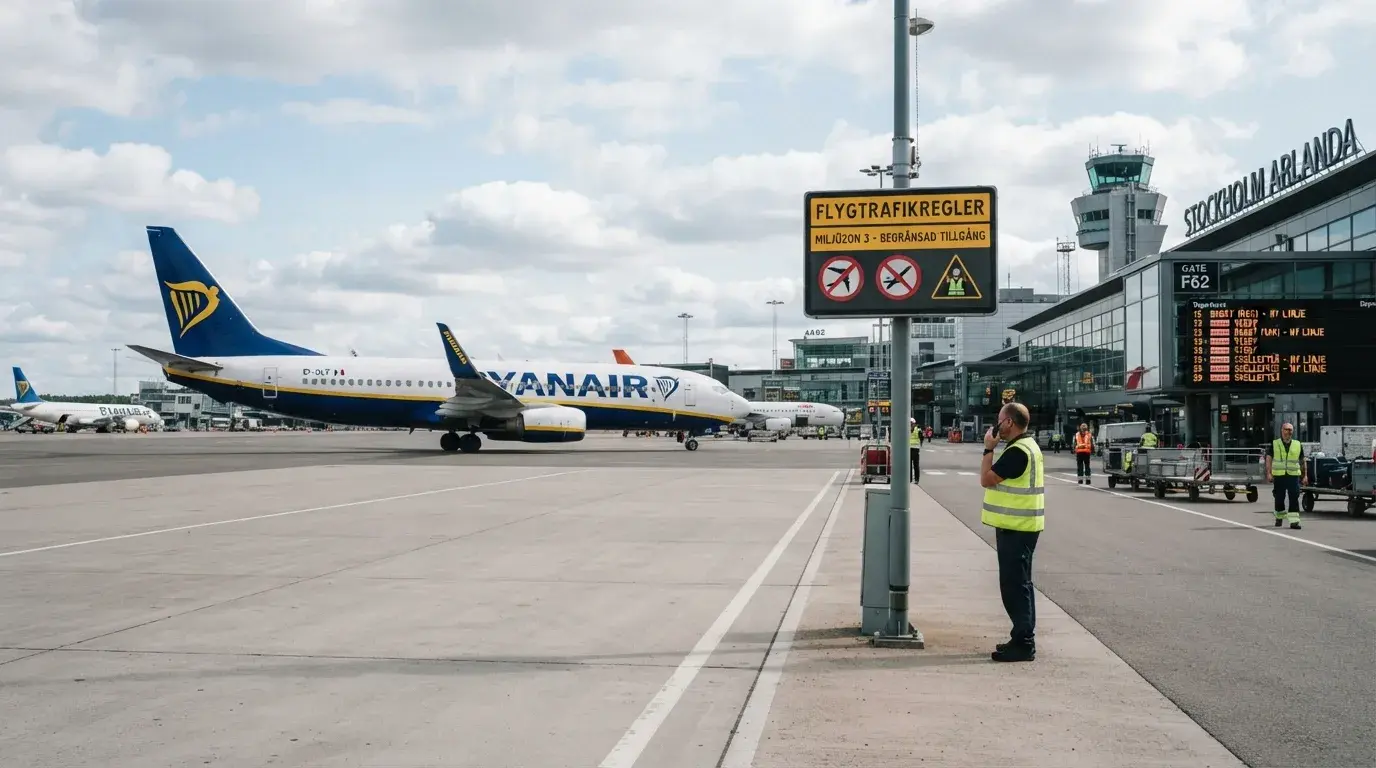
For Icelandair, this transition is particularly strategic given the intense competition on the transatlantic market. North American carriers like Delta or United, and European low-cost operators such as Ryanair or EasyJet, are leveraging modern fleets and aggressive pricing to attract travelers. By adopting a 100% next-generation single-aisle fleet, Icelandair positions itself as a competitive player capable of offering attractive fares while maintaining a high level of service.
This strategy also relies on Icelandair’s Keflavík hub model, which enables efficient connections between Europe and North America. With aircraft like the A321LR, the airline can now serve more distant destinations nonstop, further enhancing its appeal to transit passengers.
Icelandair’s fleet modernization marks a pivotal moment for the Icelandic carrier. By retiring its Boeing 757 in favor of a 100% next-generation single-aisle fleet, Icelandair is fully embracing a sustainable competitiveness strategy, where environmental performance, cost reduction, and enhanced passenger experience are central to its vision. For travelers, this transition translates into more attractive fares, greater comfort, and improved operational reliability—factors that should drive the airline’s growth in the years ahead.
With this transformation, Icelandair reaffirms its ambition to play a key role in the transatlantic market while meeting the growing expectations of passengers in sustainability and comfort. An evolution worth watching closely for anyone traveling between Europe and North America.
Be the first to comment on this article