Norse Atlantic Airways up for sale: Why this Norwegian long-haul low-cost carrier could change hands soon
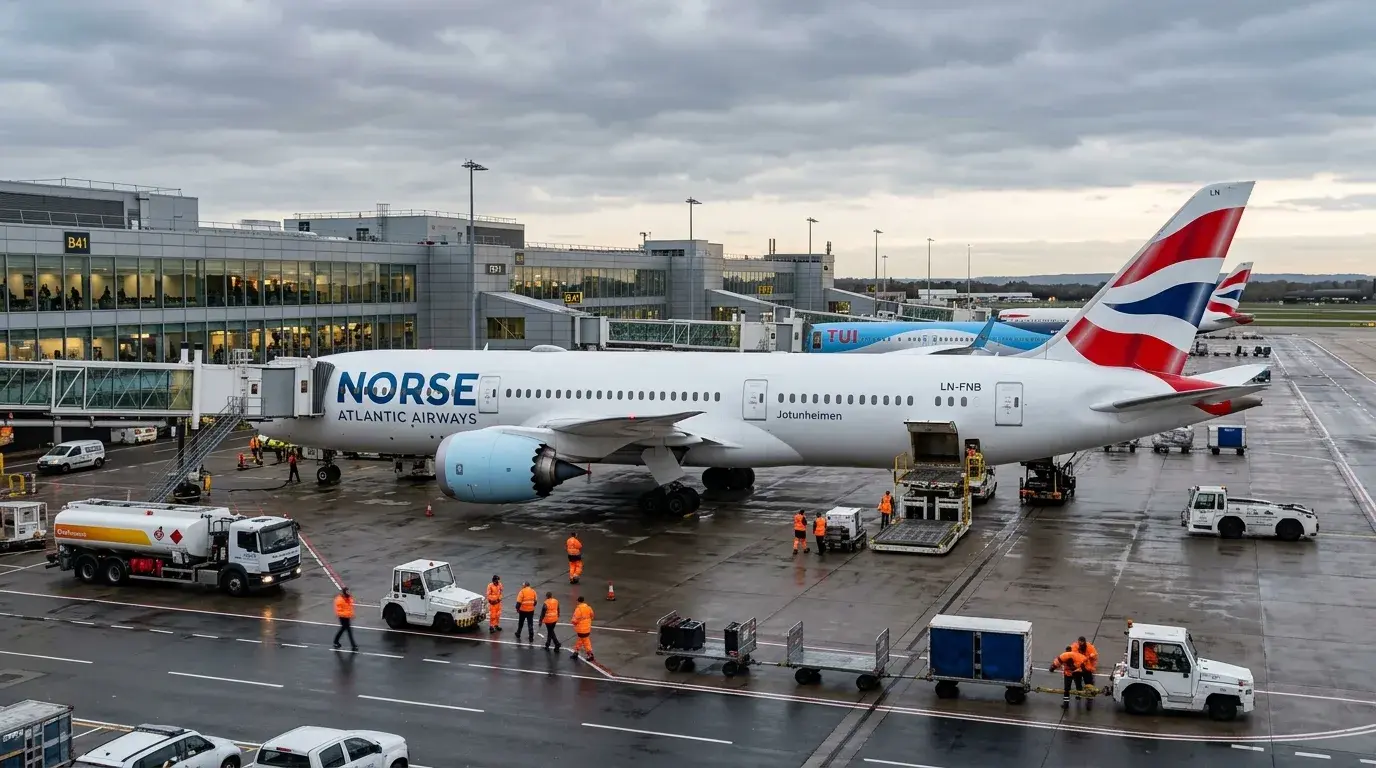
Norwegian long-haul low-cost carrier Norse Atlantic Airways has found itself at the center of a financial and strategic storm. Just a few years after its launch, the airline has officially initiated a sale process to find a major investor or buyer—a decision that could reshape Europe’s long-haul low-cost aviation landscape. This turnaround comes at a time when the economic model of this type of air transport remains more fragile than it appears, despite promising beginnings.
Founded in 2021 to fill the void left by Norwegian in the long-haul segment during the Covid crisis, Norse Atlantic quickly established itself as a key player in transatlantic budget routes. Its Boeing 787 Dreamliners connected Europe to destinations like New York, Miami, Orlando, and Los Angeles, offering an attractive proposition: affordable fares for direct flights to North America. Yet, despite its appeal on paper, this model has struggled to achieve lasting financial stability. Rising fuel costs, ever-increasing airport fees, and weaker-than-expected demand on certain routes have gradually weakened the airline.
The management of Norse Atlantic has taken a bold step: it has appointed U.S. bank JPMorgan to lead a sale process expected to launch in the coming months. Several scenarios are under consideration, ranging from a significant stake acquisition to a merger with a competitor or even a full sale of the company. Concurrently, the airline has launched a broad cost-reduction and fleet optimization program to make the deal more appealing to potential investors. A capital increase of approximately $110 million was announced last spring, alongside a $70 million credit facility to cover short-term cash needs.
To understand the stakes of this sale, it’s essential to examine the challenges Norse Atlantic has faced since its inception. The long-haul low-cost segment is notoriously complex. Unlike short-haul routes, where fixed costs are lower, long-haul budget carriers must contend with more expensive aircraft, longer distances, and intense competition from traditional airlines. Several players have attempted this model before, including Primera and Wow Air, but none succeeded. Even Norwegian, which dominated the market before Covid, ultimately abandoned long-haul operations to focus on other activities.
Norse Atlantic has sought differentiation by emphasizing flexibility. The airline has cut seasonal routes deemed insufficiently profitable and scaled back operations on less in-demand lines. It has also developed a wet lease business, leasing its Boeing 787s to other airlines. This less visible strategy provides more stable revenue streams and helps absorb market fluctuations. For the summer of 2026, the airline has reorganized its offering to focus on the most in-demand routes, particularly between London, Paris, Oslo, and major U.S. airports. A pragmatic approach, but one that also highlights the difficulty of stabilizing a sustainable network.
Why might this sale attract stronger industry players? Norse Atlantic’s relatively new and fuel-efficient Boeing 787s are a major asset. These aircraft, capable of connecting Europe to North America with optimized fuel consumption, are highly sought after by airlines with existing long-haul networks. A buyer could capitalize on available slots at high-demand airports like London-Heathrow or New York-JFK, while benefiting from a modern, high-performance fleet.
However, the sale process is fraught with challenges. The Middle East conflict and volatile fuel prices make economic forecasts uncertain. Additionally, the long-haul low-cost model’s reputation remains fragile, as past failures demonstrate. Yet Norse Atlantic has one undeniable advantage: an operational fleet and a reputation among budget-conscious travelers. For investors, the challenge will be to turn this venture into sustainable profitability—or, failing that, to sell the company at a profit after optimizing its assets.
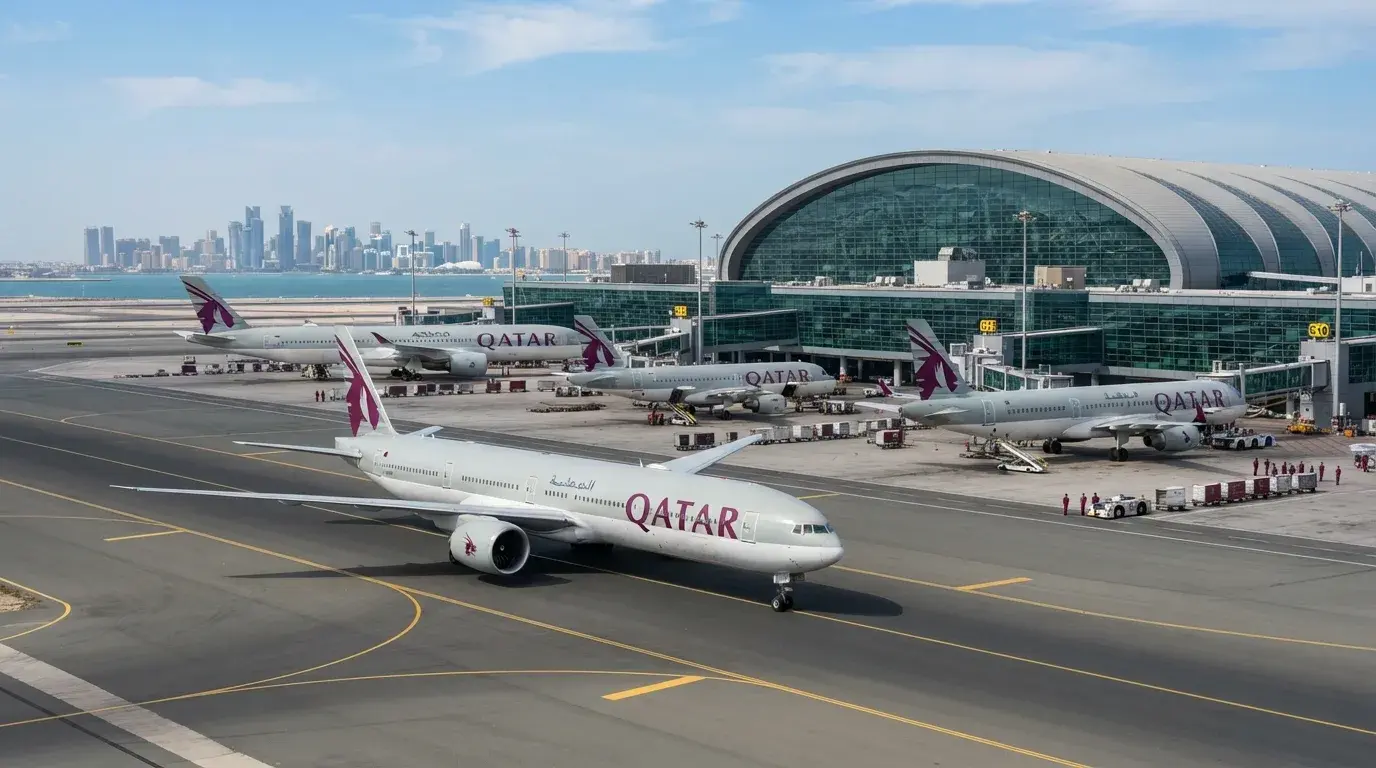
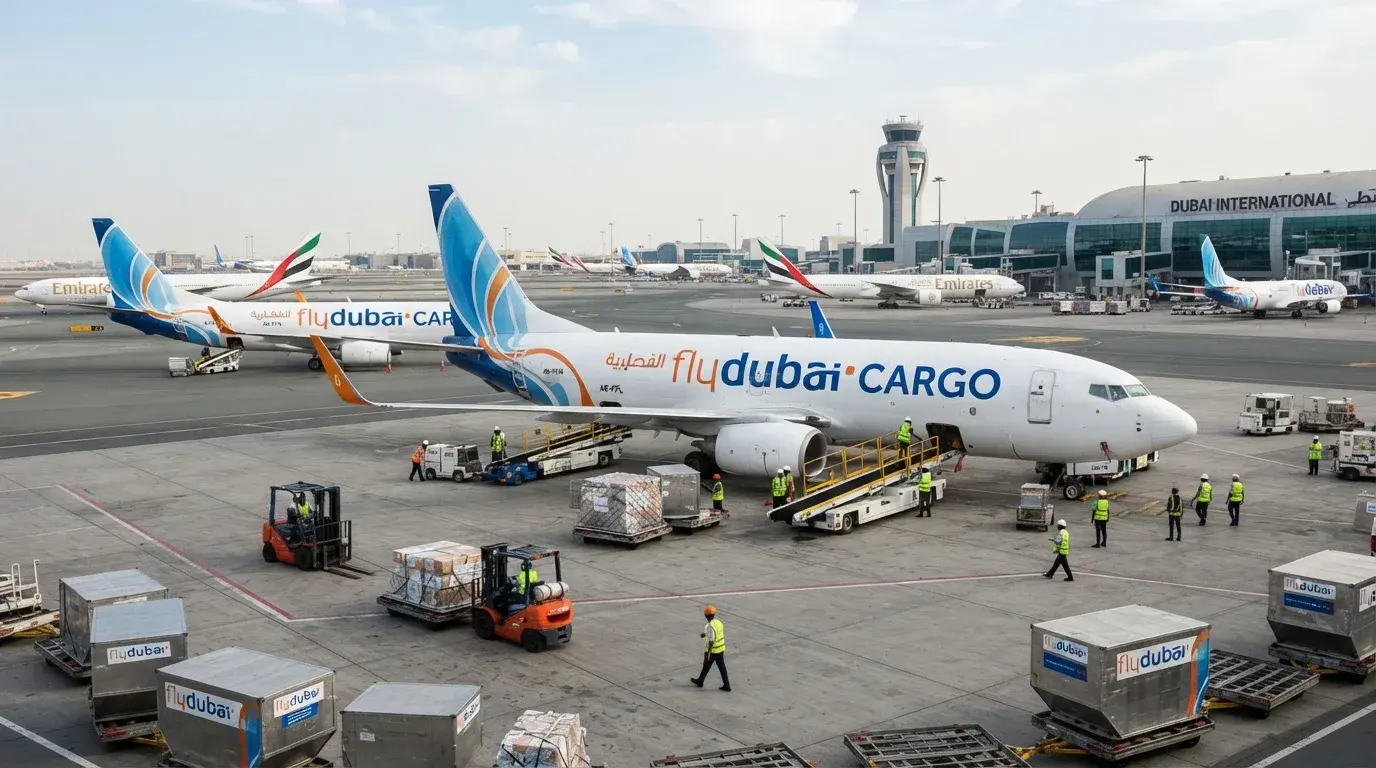
While no potential buyers have been publicly named, interest could come from groups with existing long-haul networks looking to expand their transatlantic presence. Gulf carriers like Emirates or Qatar Airways could be serious contenders, as could European players like Lufthansa or Air France seeking to strengthen this segment. A merger with a traditional airline could also allow Norse Atlantic to leverage logistical and commercial synergies.
For now, management insists that “no offers or agreements are currently under discussion.” A cautious stance, given the sensitivity of the deal and the risks involved. Yet the sale of Norse Atlantic once again underscores the difficulty of sustaining a long-haul low-cost model. In an environment where fuel volatility and geopolitical shocks can quickly derail even the most ambitious business plans, investors will closely scrutinize the guarantees offered by potential buyers.
For travelers, this sale could lead to changes in Europe-North America flight offerings. If a buyer maintains the low-cost model, fares could remain attractive, though operational cost increases may push prices higher. Alternatively, absorption by a traditional airline could upgrade certain routes, offering more comprehensive services but at less accessible prices. Either way, the evolution of Norse Atlantic will be closely watched, as it could redefine the rules of a fiercely competitive market.
The long-haul low-cost model under pressure: Why do so many ventures fail?
The long-haul low-cost segment has long attracted the ambitions of airlines, but results are often disappointing. Norwegian, which once dominated this market before abandoning it, is the most emblematic example. After betting on transatlantic budget flights with Boeing 787s, the airline ultimately succumbed to cost pressures and competition. Other players, like Primera and Wow Air, met similar fates, undone by financial difficulties or operational issues.
Several factors explain this fragility. First, the fixed costs of long-haul operations far exceed those of short-haul routes. A Boeing 787 costs hundreds of millions of dollars, and its operation requires specialized crews, adapted infrastructure, and rigorous maintenance. Second, fuel price volatility plays a critical role. A sharp rise in energy costs can wipe out the margins of a low-cost carrier, especially if it cannot pass these increases onto fares due to competition.
Finally, demand on certain transatlantic routes remains unpredictable. Travelers are increasingly sensitive to both price and service quality, as well as schedule flexibility. A low-cost carrier must strike a delicate balance between affordable fares and profitability—a challenge exacerbated by inflation and economic uncertainty. In this context, Norse Atlantic is not an isolated case; it symbolizes an industry in search of stability.
To survive, long-haul low-cost carriers often diversify. Some, like Norse Atlantic, explore ancillary activities such as aircraft leasing or partnerships with tour operators. Others attempt to move upmarket to attract less price-sensitive customers. But these strategies carry risks: a shift toward premium services may alienate budget-conscious travelers, while a renewed focus on low-cost could limit margins. The challenge is substantial, and Norse Atlantic is now paying the price.
What could the future of Norse Atlantic look like?
If the sale of Norse Atlantic succeeds, several scenarios are possible. The most traveler-friendly outcome would be a takeover by a group capable of stabilizing the low-cost model. An airline like Play Airlines, based in Iceland, could be interested. Play already operates transatlantic budget routes with a fleet of Boeing 737 MAX aircraft—different from Norse Atlantic’s but equally modern. A merger between the two could consolidate costs and expand market coverage.
Another possibility is acquisition by a major traditional airline. Lufthansa, which is expanding its long-haul network with its new Allegris cabin, could see this as an opportunity to strengthen its North American presence. Similarly, Air France-KLM or Iberia might be tempted, especially if Norse Atlantic retains valuable slots at congested airports. In this case, the low-cost carrier could be transformed into a premium subsidiary, offering enhanced services and higher fares.
A final, riskier scenario would be the outright liquidation of Norse Atlantic. If no buyer emerges or economic conditions worsen, the airline could be forced to cease operations. Its Boeing 787s would then be reassigned or sold to other carriers, while routes would be taken over by competitors. Such an outcome would deal another blow to the long-haul low-cost segment, already grappling with structural challenges.
For passengers, the key will be to monitor developments closely. If acquired by a traditional airline, fares may rise but service quality could improve. Conversely, a merger with another low-cost player might keep prices low but reduce route availability. In any case, travelers are advised to book tickets promptly and stay alert to announcements from potential buyers, which could emerge by the end of the year.
Norse Atlantic Airways remains a symbol of the challenges facing modern aviation. Its story highlights the tensions between innovation, profitability, and stability in a rapidly evolving industry. The ongoing sale could mark a turning point—not just for the airline, but for the entire long-haul low-cost market. Stay tuned to see if this model has a future—or if it’s destined to disappear.
To stay updated on Norse Atlantic’s developments and other aviation news, visit Flywest regularly, your go-to source for smart travel and sector insights.
Be the first to comment on this article