Biman Bangladesh Airlines bets on Airbus to conquer Europe and North America with A350 and A321neo
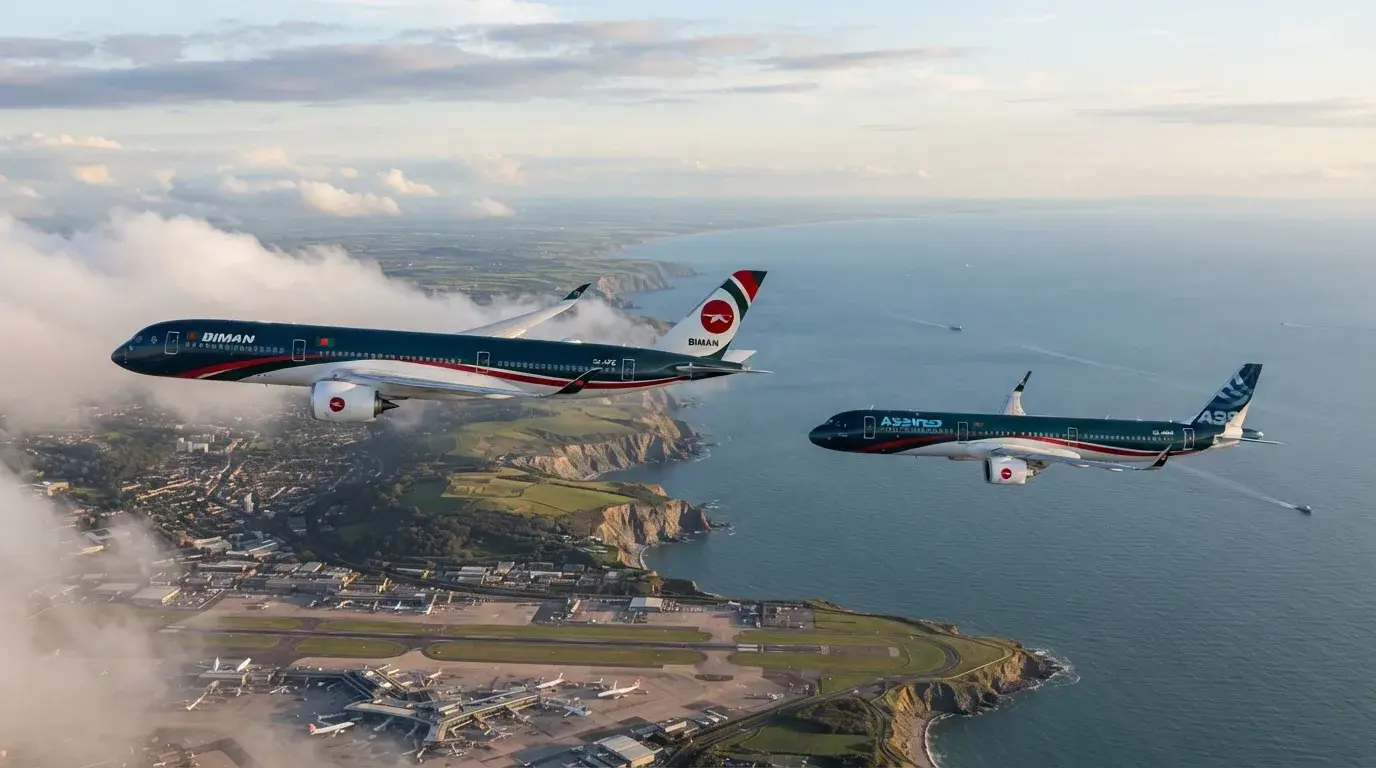
Biman Bangladesh Airlines, Bangladesh’s national carrier, has taken a significant step toward fleet modernization with a firm order for four Airbus A350-900 and six A321neo aircraft. This strategic decision aims to strengthen its international network and prepare for the future, as its current fleet still relies on older-generation Boeing 777 and 787 models.
Announced on October 7, 2026, the order marks a turning point for Biman. The four A350-900s, earmarked for long-haul routes, will enable the airline to target high-demand destinations in North America and Europe. Meanwhile, the six A321neo aircraft will primarily serve regional and medium-haul routes, offering greater flexibility to tap into growing markets. This partnership with Airbus complements an ongoing purchasing program with Boeing, which includes an order for 25 aircraft this year—five 787-10s and six 737-8s.
The A350-900 and A321neo will not be the only modern additions to Biman’s fleet. The airline continues to operate Boeing 777 and 787 aircraft, but the arrival of the new Airbus planes will require adjustments in training and maintenance. Benoit de Saint-Exupéry, Airbus Commercial Director, emphasized that this order represents « a major milestone in our partnership with Biman Bangladesh Airlines » as the carrier embarks on a significant fleet modernization phase.
The delivery schedule has not yet been finalized, but Bangladeshi authorities have indicated that the first aircraft could arrive as early as 2027, with a phased ramp-up through 2033. This ambitious timeline reflects Biman’s ambition to become a key player in regional air transport.
A diversified fleet to meet varied needs
Biman Bangladesh Airlines has long operated a mixed fleet, primarily consisting of Boeing aircraft. The addition of Airbus A350-900 and A321neo models will require the airline to manage a more diverse fleet, complicating logistics. However, this strategy serves a dual purpose: modernizing the fleet while addressing the specific needs of its markets.
The A350-900’s long-range capabilities will allow Biman to serve destinations such as Toronto, where the airline already operates a route using the Boeing 787-9 with a technical stop in Istanbul. The A321neo, on the other hand, will be ideal for regional or medium-haul routes, such as those planned to the Middle East and Southeast Asia, where a large Bangladeshi diaspora resides.
Rumee A. Hossain, Chairman of Biman’s Board of Directors, stated that this expansion represents « a measured and reasonable ambition, » aligned with the government’s goal of positioning Bangladesh as a regional aviation hub. This strategy aims to enhance the country’s connectivity and support economic and family exchanges.
North America and Europe in Biman’s sights
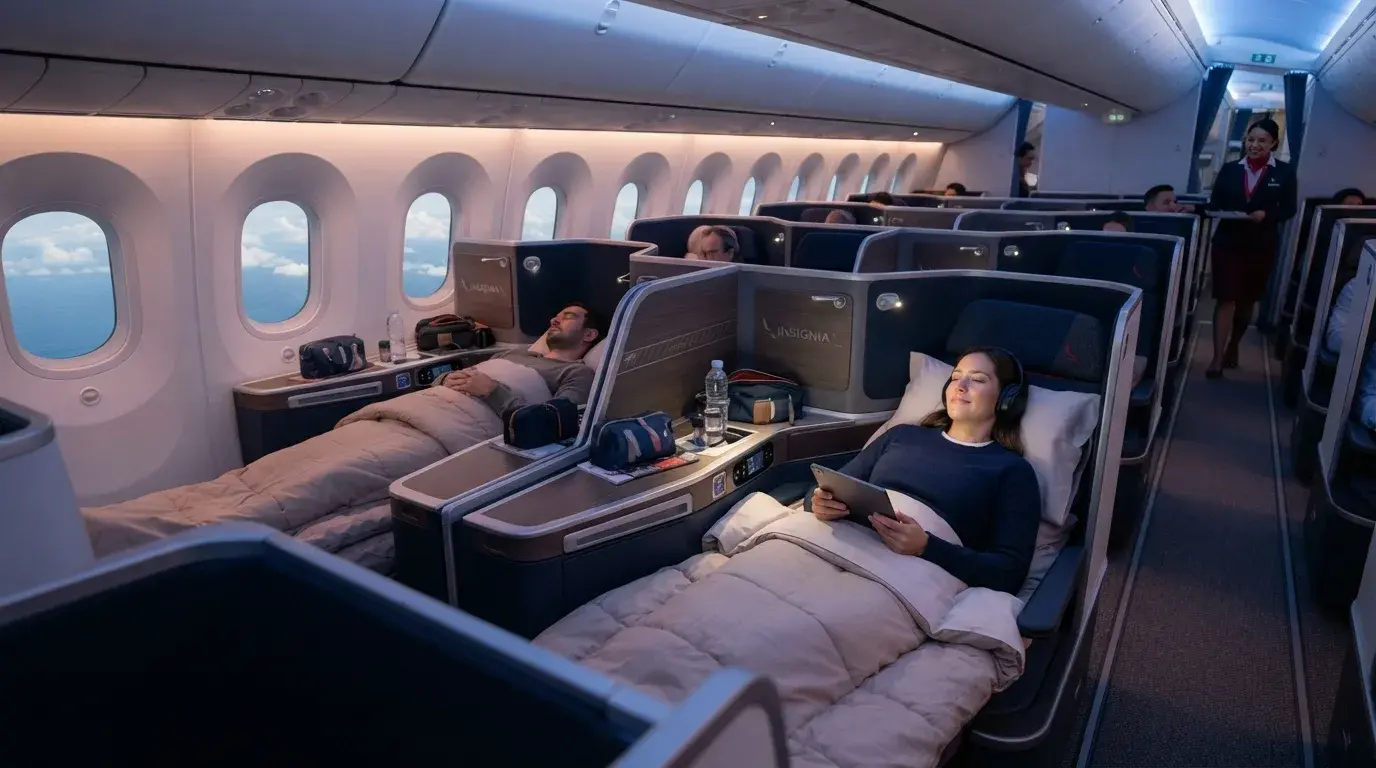
The mention of North America in Airbus’ press release does not imply that Biman will launch new routes with its A350s. The airline already serves Toronto from Dhaka with a technical stop in Istanbul. However, the arrival of the new Airbus aircraft could allow for increased frequency on this route or improved travel conditions for passengers.
For Europe, Biman has not yet announced new destinations, but the presence of A350-900s in its fleet opens the door to direct routes to major European hubs such as London, Paris, or Frankfurt. This presents an opportunity to capture a share of the Asia-Europe traffic, currently dominated by Gulf carriers and alliances like SkyTeam and Star Alliance.
This fleet diversification could also help Biman reduce its reliance on costly technical stops, improving connectivity and potentially attracting more passengers—particularly those traveling between Asia and Europe without transiting through the Middle East.
A logistical and operational challenge for Biman
Integrating new aircraft into an existing fleet is never straightforward. Biman will need to train pilots, maintenance technicians, and cabin crews for both the A350 and A321neo. This complex task requires additional investments and close coordination with Airbus and Bangladeshi authorities.
The Bangladesh Ministry of Civil Aviation and Tourism has already indicated that cooperation with Airbus must extend to engineering, maintenance, and staff training. This is a critical issue to ensure the safety and reliability of the new aircraft, especially as the airline seeks to expand its international network.
The first deliveries could arrive as early as 2027, though the ramp-up will likely be gradual. In the meantime, Biman will continue to rely on its existing Boeing fleet to maintain current routes while preparing for the arrival of the new Airbus aircraft.
A bet on the future for Bangladesh
With this order, Biman Bangladesh Airlines is sending a strong signal: Bangladesh is ready to play a more significant role in international air transport. This ambition aligns with the country’s growing economy, where it seeks to strengthen trade and tourism links with the rest of the world.
The A350-900 and A321neo are more than just modern aircraft; they represent an opportunity for Bangladesh to diversify its revenue sources and reduce dependence on costly technical stops. A strategy that could, in time, position Biman as a more competitive player in the international market.
For travelers, this modernization could translate into better travel options, smoother connections, and more attractive fares—especially on long-haul routes. A development worth watching as Biman prepares to enter a new era of growth.
The first Airbus aircraft are expected to arrive in the coming years, marking the beginning of an ambitious transformation for Biman Bangladesh Airlines. A pivotal step for a carrier that, after years of modernization, finally appears ready to take off.
Be the first to comment on this article
On the same topic
- Air Freight: Why This 4.4% Surge in August 2026 Will Drive Up Delivery Prices
- AnimaWings in Crisis: Six A220s Grounded, Judicial Restructuring Underway
- Etihad Revives Its Last Airbus A380 After Six Years Grounded: Why the Giant of the Skies is Back
- Azores Airlines soon to change hands: five bidders vie for privatization
- Turkish Airlines makes bold move: 150 Boeing 737 MAX ordered, a daring bet to reshape European skies
- Emirates Weighs Swapping Boeing 787s for 777Xs: A Strategic Shift That Could Transform Long-Haul Travel