Air India Bets Big on Wide-Bodies to Revive International Network and Challenge Boeing & Airbus
With the stated ambition of reclaiming the international market and rebalancing its network amid geopolitical constraints, Air India has quietly but determinedly launched a tender for new wide-body aircraft. Behind this strategy lies a dual goal: modernizing an aging fleet while positioning the Indian carrier as a key player on routes between Europe and Asia. In a context where air cargo and long-haul connections are becoming indispensable growth drivers for emerging carriers, the choice of future aircraft could reshape the map of global air connections.
The airline’s new CEO, Tewolde Gebremariam, former CEO of Ethiopian Airlines, confirmed on November 3, 2026, during the Aviation India and South Asia conference that Air India was evaluating additional orders for wide-body aircraft from Airbus and Boeing. “We want more wide-body aircraft,” he stated, without specifying the number of planes or an exact timeline for a potential order. This announcement follows Air India’s existing order for 600 aircraft since 2023, including 80 wide-bodies across the Airbus A350, Boeing 787, and Boeing 777X families. Yet the airline remains heavily loss-making, with net losses totaling 222.4 billion rupees for the fiscal year ending March 2026—more than double the previous year’s figure.
This strategy addresses two critical challenges: reducing operating costs and expanding its long-haul network, particularly to bypass restrictions stemming from Pakistan’s closed airspace. Diversions for Indian flights to Europe and North America extend flight times and inflate fuel costs. Air India is therefore rebalancing its network among its main hubs—Delhi, Mumbai, and Bengaluru—to mitigate these constraints. “Unfortunately, most of our network to Europe and North America has been affected by the airspace closure. Delhi is more impacted than Mumbai,” Tewolde Gebremariam explained.
Fleet modernization to compete with aviation giants
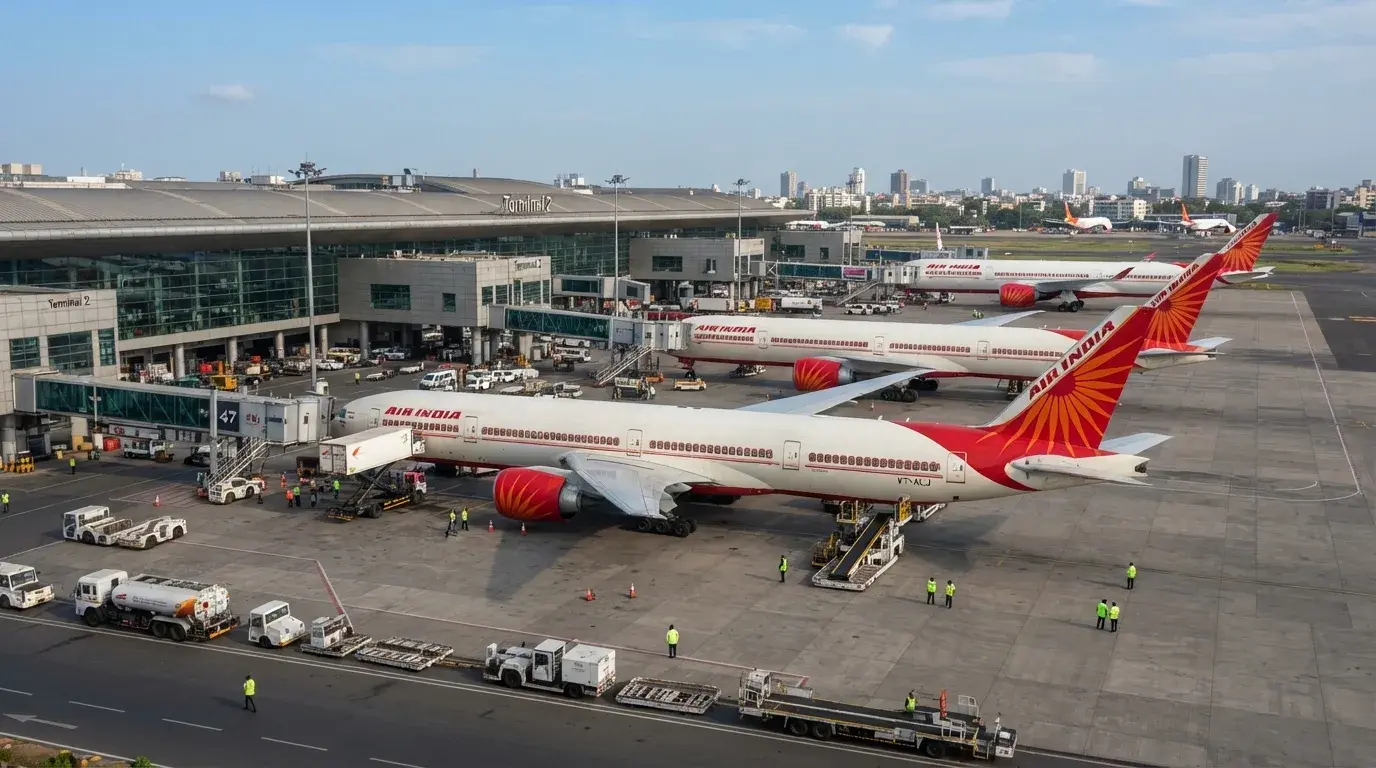
Air India, which currently operates 171 aircraft—61 of them wide-bodies—is accelerating fleet modernization to catch up with direct competitors. The airline has already ordered 50 Airbus A350s, 20 Boeing 787s, and 10 Boeing 777Xs, though deliveries are spread over several years. As one of Airbus and Boeing’s largest customers, Air India’s order book is valued at over $70 billion. Yet delivery delays and logistical constraints are hampering its ability to deploy new aircraft quickly. “Air India has not yet lived up to its potential, and that is going to change,” Tewolde Gebremariam asserted.
The expansion of its wide-body fleet is paired with a commercial overhaul. Air India and its low-cost subsidiary, Air India Express, are leveraging synergies to optimize costs while developing attractive connections. The CEO emphasized that growth will be even stronger in full-service operations and wide-body operations, where opportunities are far greater. This strategy aligns with the transformation initiated since Air India’s return to the Tata Group in 2022, aiming to reposition the carrier as a major player in air transport between Asia, Europe, and North America.
To achieve this, Air India must overcome significant hurdles. The airline remains loss-making, and its financial turnaround is a top priority for Tewolde Gebremariam. “We aim to bring the company back to profitability very soon,” he stated, while acknowledging that the transformation is a long-term endeavor. A multidisciplinary team was established in October 2026 to identify cost savings, while the group seeks to strengthen synergies between its two commercial entities.
Cargo and connections: new growth engines
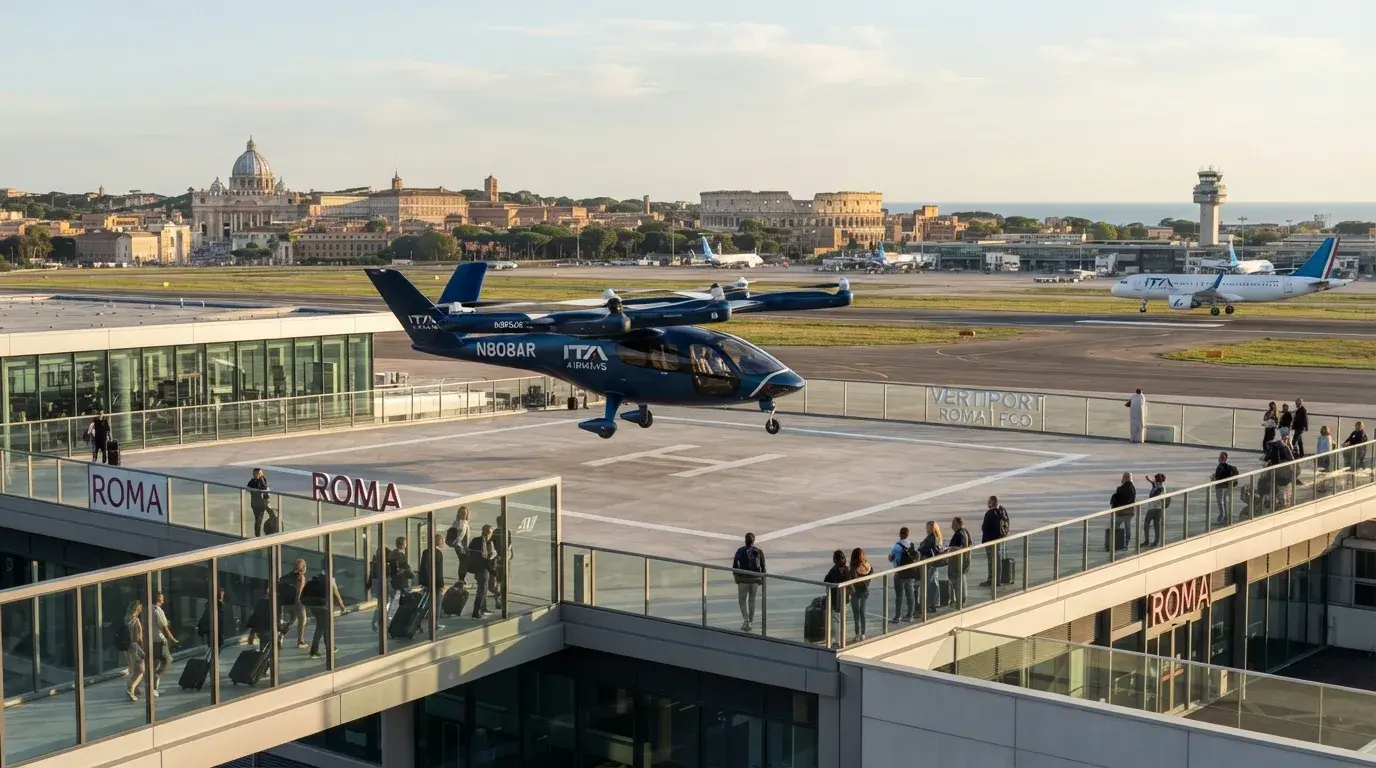
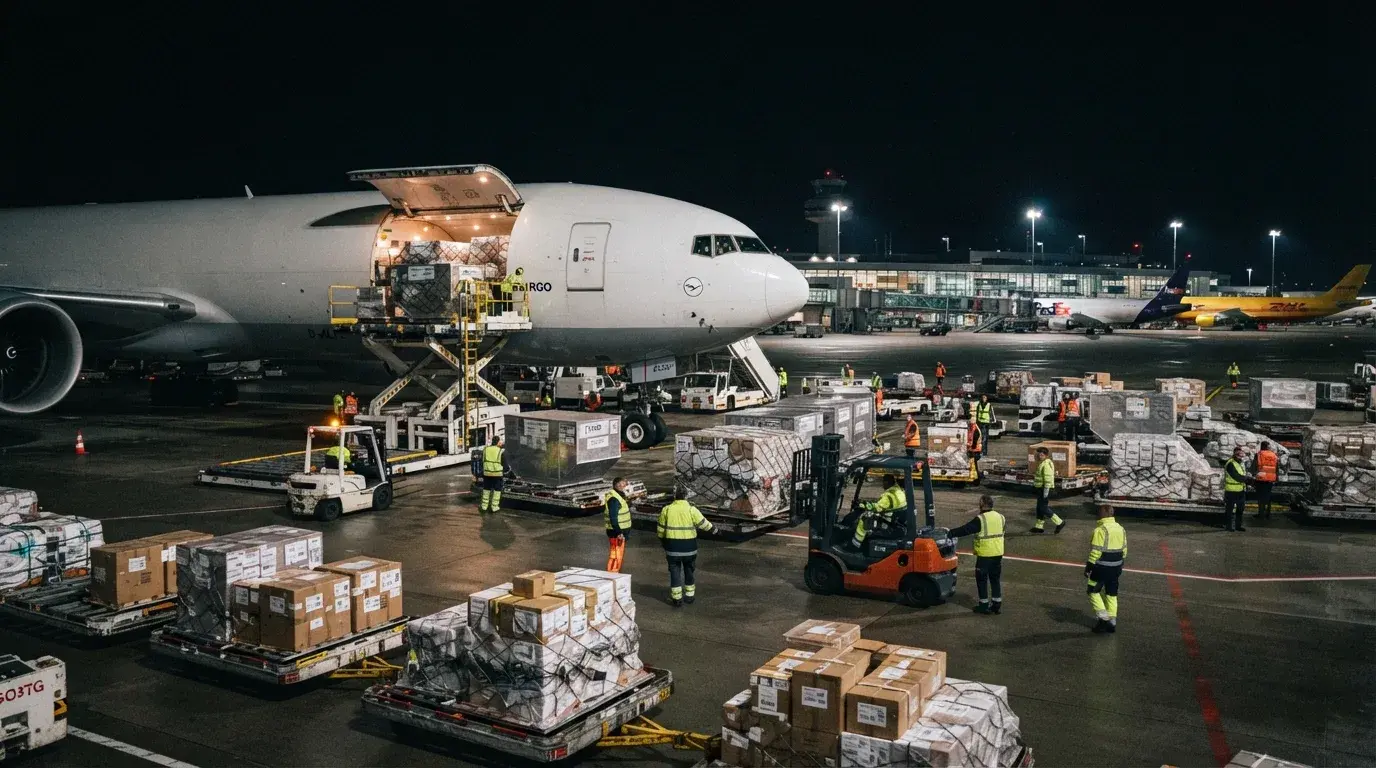
Beyond passenger traffic, Air India is banking on air cargo to diversify revenue streams. The group has already partnered with Archer Aviation to develop electric flying taxis, an initiative that could eventually transform urban mobility in India. However, cargo remains a more immediate lever for improving profitability. The airline aims to leverage its geographic position to become a hub between Europe and Asia, capitalizing on growing demand for goods transport between the two continents. “The goal is to make Indian platforms more attractive as connection points,” the CEO explained.
Air India’s strategy unfolds against a backdrop where Asian carriers like Singapore Airlines and Qatar Airways are strengthening their grip on long-haul routes. By targeting wide-bodies, Air India seeks to differentiate itself by offering increased capacity and better operational efficiency. The choice of future aircraft—whether Airbus A350-1000, Boeing 777-9, or even newer variants—could significantly impact the airline’s competitiveness against its rivals.
As geopolitical tensions in South Asia continue to weigh on its network, Air India must balance modernization, profitability, and international expansion. If the group succeeds in realizing its ambitions, it could emerge as a key player in global air transport by the end of the decade, reshaping routes between Europe, Asia, and North America.
For travelers, this evolution could translate into new connection options at Delhi or Mumbai, more competitive fares thanks to improved operational efficiency, and expanded access to long-haul destinations currently underserved. However, the success of this gamble hinges largely on Air India’s ability to reconcile growth with financial discipline in an increasingly demanding economic environment.
A risky but necessary bet for Air India
The challenges facing the Indian carrier are substantial. Delivery delays for new aircraft, intensified competition in the long-haul sector, and the need to reduce financial losses make the task daunting. Yet Air India’s ambition is clear: to become a major player in international air transport. The choice of new wide-body aircraft will be decisive in achieving this goal. If Air India succeeds in modernizing its fleet and optimizing costs, it could rise to the challenge and establish itself as a credible alternative to Europe’s and America’s aviation giants.
For now, discussions with Airbus and Boeing are ongoing, and no additional orders have been officially announced. But one thing is certain: Air India is not staying on the sidelines of the wide-body race—a booming market where Asian carriers are seeking to challenge the traditional leaders of the sector.
How this strategy could change the game for travelers
If Air India succeeds in realizing its ambitions, travelers could benefit in several ways. First, the addition of new wide-body aircraft would increase capacity on long-haul routes, potentially leading to better ticket availability and heightened competition on fares. Second, the strengthening of connections at Delhi, Mumbai, or Bengaluru would offer more flexible routing options for trips between Europe, Asia, and North America. Finally, a modernized and more efficient fleet could reduce operating costs, enabling Air India to offer more attractive fares on certain routes.
However, the success of this strategy depends on multiple factors, including Air India’s ability to manage delivery delays, reduce financial losses, and attract sufficient passengers to fill its new aircraft. If the airline overcomes these obstacles, it could become a key player in global air transport, offering travelers new options for international travel.
In the meantime, discussions with Airbus and Boeing continue, and travelers should keep a close eye on upcoming announcements. One thing is certain: Air India is determined to play a major role in international aviation, and its choices regarding wide-body aircraft could well reshape the map of global air connections.
For those considering travel to Asia or North America, this evolution could open up new possibilities, particularly in terms of connections and fares. The question remains whether Air India can turn its ambitions into reality and establish itself as an indispensable player in global air transport.
The future of Air India: between challenges and opportunities
The future of Air India will largely depend on its ability to turn ambition into reality. The airline boasts major assets, including a fleet under modernization, a strategic geographic position, and financial backing from the Tata Group. Yet it faces considerable challenges, particularly in achieving profitability and managing delivery delays. If it succeeds, Air India could become a key player in international air transport, offering travelers new options for travel between Europe, Asia, and North America.
For now, the suspense continues. Travelers should closely monitor the evolution of wide-body orders and the airline’s announcements. One thing is certain: Air India is determined to play a major role in global aviation, and its choices could well reshape air routes for years to come.
Be the first to comment on this article
On the same topic
- French bee targets 14 weekly flights to La Réunion: Why the island captivates travelers
- Singapore Airlines bets $160 million on AI: How algorithms will revolutionize your flights by 2026
- TAP Miles&Go and Airbnb Partner: Earn Miles on Your Travel Bookings
- Frontier Airlines Revolutionizes Airbus Fleet with Starlink Wi-Fi by 2027: What It Means for Budget Travel
- Wizz Air links Paris-Beauvais to Varna, new gateway to the Black Sea
- Porter Airlines: Canada's West Coast flies to Phoenix