AirAsia Group Transforms into a Global Low-Cost Giant: The Revolution Set to Disrupt Your Travel in Asia and Beyond
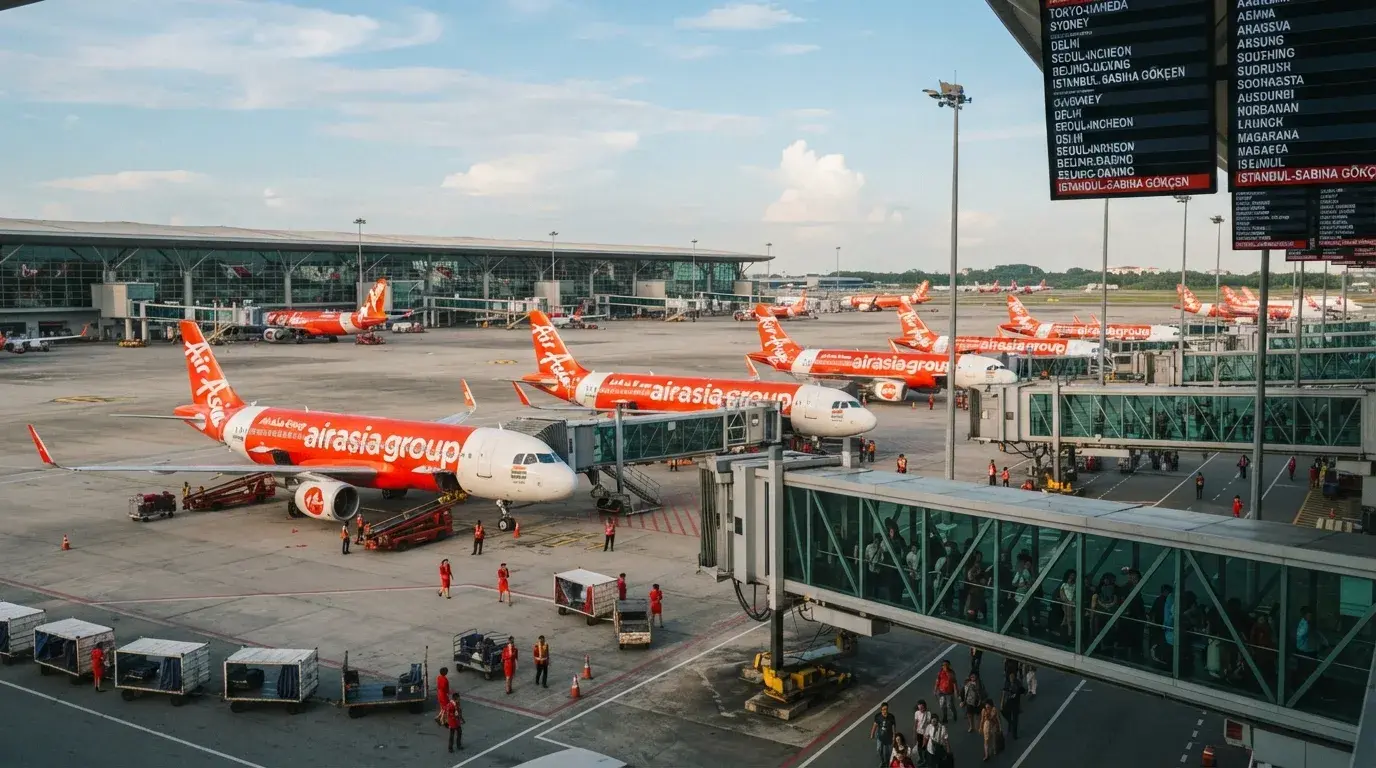
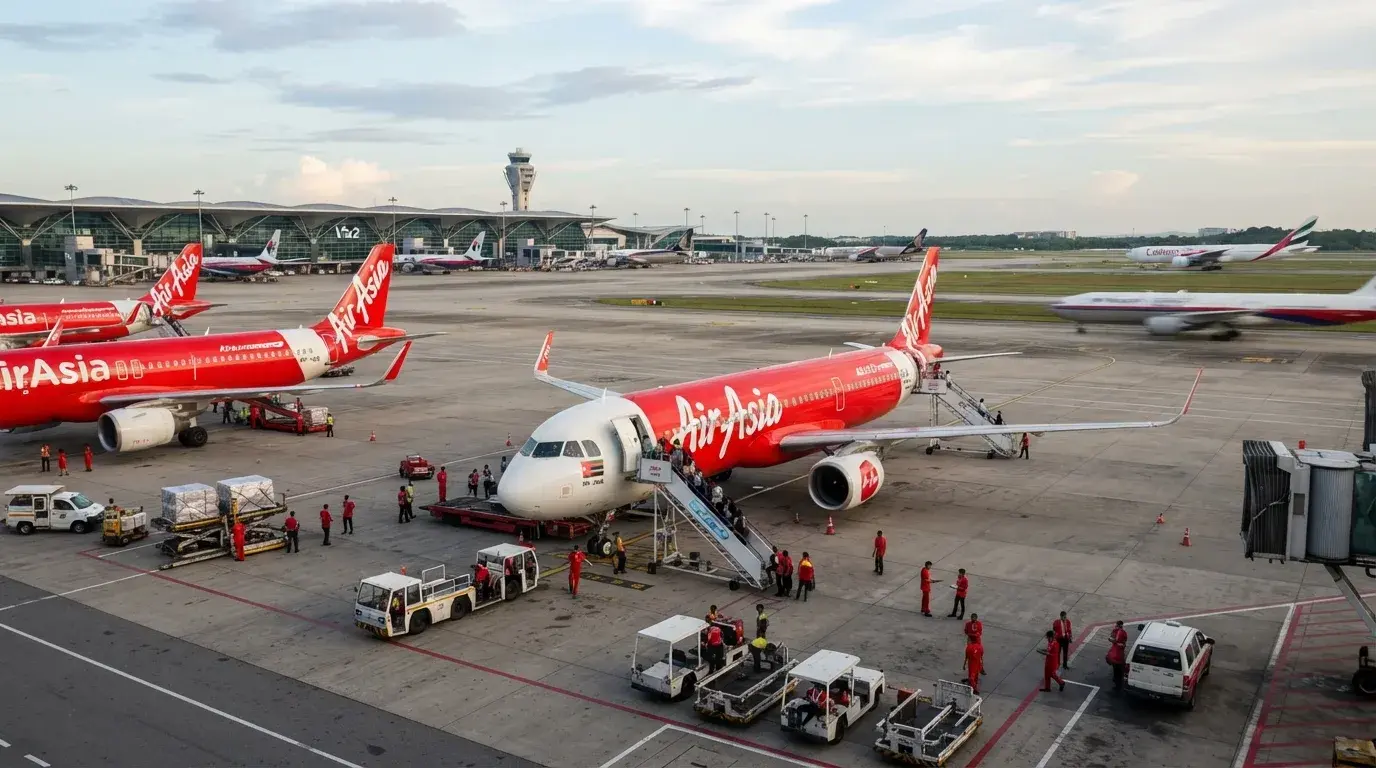
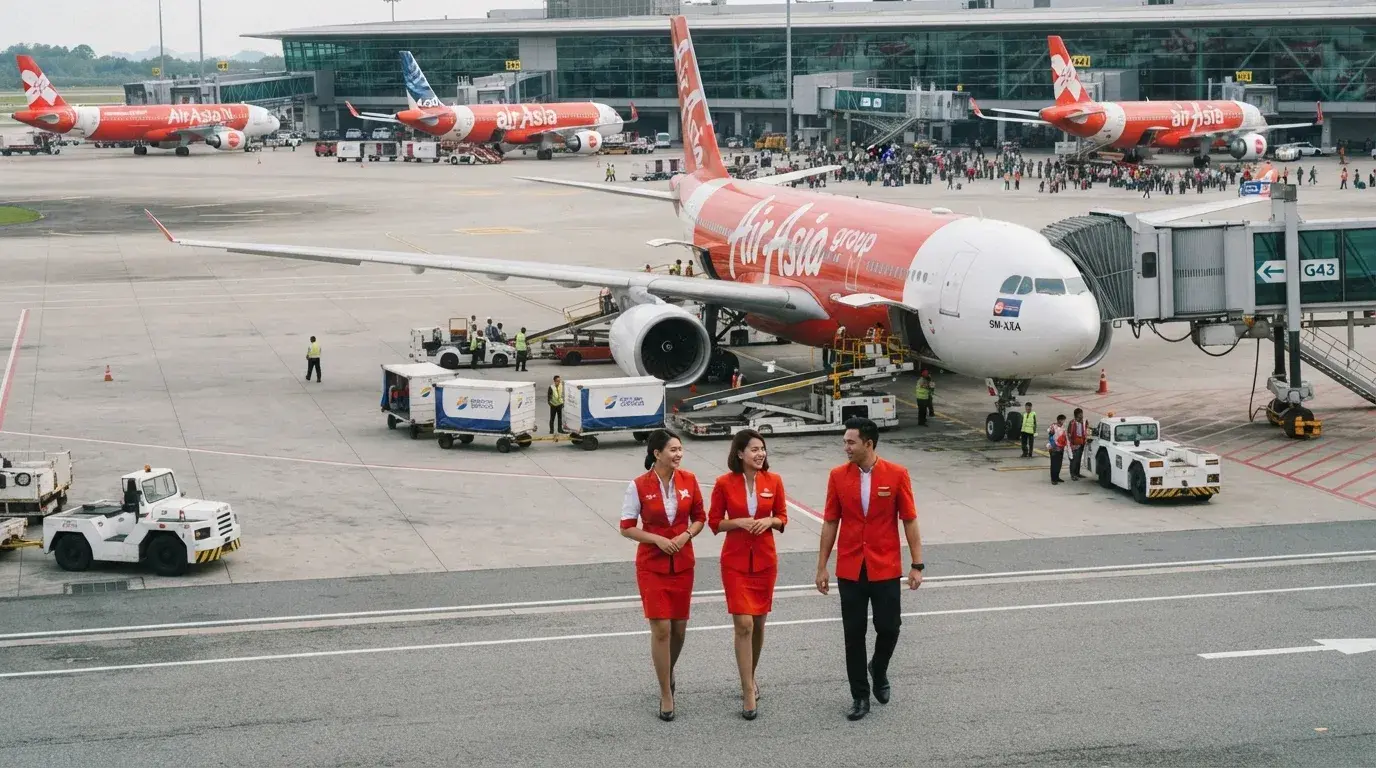
With the rebranding of AirAsia X to AirAsia Group, the Malaysian low-cost giant has taken a decisive step in its global conquest strategy. This name change, effective since July 2, 2026, marks the culmination of a deep restructuring aimed at unifying its short- and long-haul operations under one banner, while separating non-airline activities into a dedicated holding. For travelers, this means unprecedented connectivity in Asia, ever-lower prices, and an onboard experience on the rise.
AirAsia Group has now become the world’s first low-cost network carrier, according to its own leadership. This ambition is backed by a modernized fleet, a redesigned hub-and-spoke strategy, and a clear goal to capture an ever-growing share of air traffic in Southeast Asia, Northeast Asia, the Middle East, and Europe. With this transformation, the Malaysian group positions itself as an essential player for anyone looking to travel affordably between Asia and the rest of the world.
To understand the scale of this shift, it’s worth revisiting the group’s roots. Founded in 1993 by Tony Fernandes, AirAsia became a symbol of low-cost travel in Asia, with rapid growth that expanded its network to over 165 destinations in 25 countries. The long-haul subsidiary, AirAsia X, operated independently for years, but the current restructuring aims to eliminate silos between entities. Now, all flights—whether short- or long-haul—are coordinated within a single network, with optimized connections for a seamless passenger experience.
A Unified Fleet and Ever-More Modern Aircraft
The heart of this strategy lies in a fleet undergoing rapid modernization. AirAsia Group is now betting on next-generation aircraft, such as the Airbus A220-300, for which it placed a firm order of 150 units in May 2026—the largest single order ever recorded for this twinjet. Designed for routes carrying 100 to 160 seats, these planes will open new connections between mid-sized cities while reducing seat-kilometer costs. Simultaneously, the group is gradually retiring its older Airbus A330neo long-haul aircraft, replacing them with newer, more fuel-efficient models.
This transition will allow AirAsia Group to lower its operating costs while enhancing the onboard experience. The new aircraft feature quieter cabins, improved in-flight entertainment systems, and more ergonomic seats. The airline is also prioritizing a reduced carbon footprint—a growing concern for environmentally conscious travelers. In Asia, where demand for low-cost flights continues to rise, this strategy should solidify the group’s leadership position.
FlyThru Connectivity and Hub-and-Spoke: The New Travel Paradigm in Asia
One of the major changes introduced by AirAsia Group is the widespread adoption of the FlyThru feature, which allows passengers to make easy connections between flights without having to retrieve their baggage. Combined with a hub-and-spoke operational model, this innovation is transforming how travelers move across Asia. Gone are the days of complicated itineraries with endless layovers: with AirAsia Group, it’s now possible to connect two distant cities via a hub—often at unbeatable prices.
For example, a passenger traveling from Kuala Lumpur to London can now opt for a flight with a stopover in Bahrain, a destination the group has designated as a virtual hub to link Asia with the Middle East and Europe. This new model not only reduces travel times but also offers attractive fares on routes previously served by traditional airlines at much higher prices. AirAsia Group’s strategy embraces a decentralization of hubs, moving away from traditional mega-hubs like Dubai or Singapore to favor less congested, more accessible stopovers.
This approach is already paying off: since June 2026, the group has reinstated routes like Kuala Lumpur–Busan, marking a notable return to South Korea. Additional routes to Europe and the Middle East are in development, with Bahrain poised to become a key transit point between Asia and the West. For travelers, this means more varied—and often cheaper—travel options than those offered by traditional carriers.
A Redesigned Business Model for Sustainable Growth
AirAsia Group’s restructuring extends beyond a simple unification of its airline operations. The group has also created a dedicated holding for non-airline activities, called Capital A, which consolidates ancillary services such as airport management, maintenance operations, and online booking platforms. This separation clarifies governance and improves the growth trajectory of each segment while offering greater transparency to investors.
Financially, this restructuring aims to make the group more attractive to markets. After years of turbulence linked to the pandemic, AirAsia Group has stabilized its situation through rigorous management and an optimized fleet. The group is now focused on sustainable growth, with an accelerated plan to replace its oldest aircraft with newer, more fuel-efficient models. This strategy should reduce operating costs, improve profitability, and meet growing traveler expectations for comfort and onboard services.
India and Northeast Asia in the Crosshairs
Among the markets AirAsia Group is targeting, India and Northeast Asia hold a central place. The group has already begun expanding its network in these regions, with the goal of becoming a major player in air transport. In Malaysia and Thailand, where AirAsia has a strong historical presence, the restructuring should strengthen connectivity and open new routes. For example, the reinstated Kuala Lumpur–Busan route, launched in June 2026, illustrates this geographic diversification strategy.
In Northeast Asia, the group is leveraging local partnerships to develop its network. The objective is to create secondary hubs—less congested than major metropolises—to capture an increasing share of traffic. This strategy relies on aircraft like the Airbus A321neo LR/XLR, which enable long-haul connections between mid-sized cities—a trend increasingly popular among travelers seeking authenticity and flexibility.
What Are the Benefits for Travelers?
For passengers, AirAsia Group’s transformation delivers several tangible advantages. The first is, of course, price. By unifying its operations, the group can offer even more competitive fares, particularly on long-haul routes where competition is often less intense than in short-haul markets. Passengers also benefit from better connectivity, with streamlined connections and reduced wait times between flights.
In terms of comfort, the new aircraft deliver an improved onboard experience. Cabins are quieter, seats more ergonomic, and in-flight services—such as dining—have been redesigned to meet traveler expectations. The group has also rolled out Premium Economy across its long-haul flights, offering an intermediate option between Economy and Business class at a fraction of the traditional premium fare.
Finally, AirAsia Group is prioritizing a seamless digital experience. Through its mobile app and website, the airline provides intuitive booking tools, real-time flight notifications, and optimized baggage services. This approach allows travelers to plan their trips effortlessly while enjoying personalized support.
Accelerating Growth
With this restructuring, AirAsia Group is positioning itself to achieve its ambitions. The group plans rapid network expansion, with new routes opening across Asia, the Middle East, and Europe. In the medium term, AirAsia Group aims to become the world’s first low-cost network carrier, operating a fleet of over 200 aircraft and serving more than 200 destinations.
This ambition is backed by an impressive order book, including Airbus A220-300s, A321neos, and A321XLRs, which will enable the group to modernize its fleet and open new routes. For travelers, this means an ever-growing array of travel options and increasingly attractive fares. In an era where air transport is undergoing rapid transformation, AirAsia Group is emerging as a key player in making travel accessible to all—without compromising on quality.
With this transformation, the Malaysian group is sending a clear message: low-cost travel is no longer confined to short-haul routes. Through bold strategy and a modernized fleet, AirAsia Group is poised to reshape travel habits across Asia and beyond, offering affordable, fast, and comfortable journeys between Asia and the rest of the world.
How to Take Advantage of This Revolution
For travelers looking to benefit from this new landscape, a few tips can be helpful. First, it’s advisable to book flights early, as the best fares are typically available months in advance. Next, keep an eye on promotional offers on AirAsia Group’s official website and mobile apps, where discounts are regularly posted.
For those interested in Premium Economy, seats can often be reserved in advance at significantly lower prices than traditional carriers charge. Finally, to optimize connections, travelers should use the FlyThru feature, which allows booking a single ticket for a multi-leg journey while ensuring baggage is automatically transferred.
With these tools and this new organizational structure, AirAsia Group is positioning itself as a credible alternative to traditional airlines for affordable travel across Asia and beyond.
Be the first to comment on this article