Air Canada Introduces A321XLR: How This Narrowbody Transforms Long-Haul European Travel
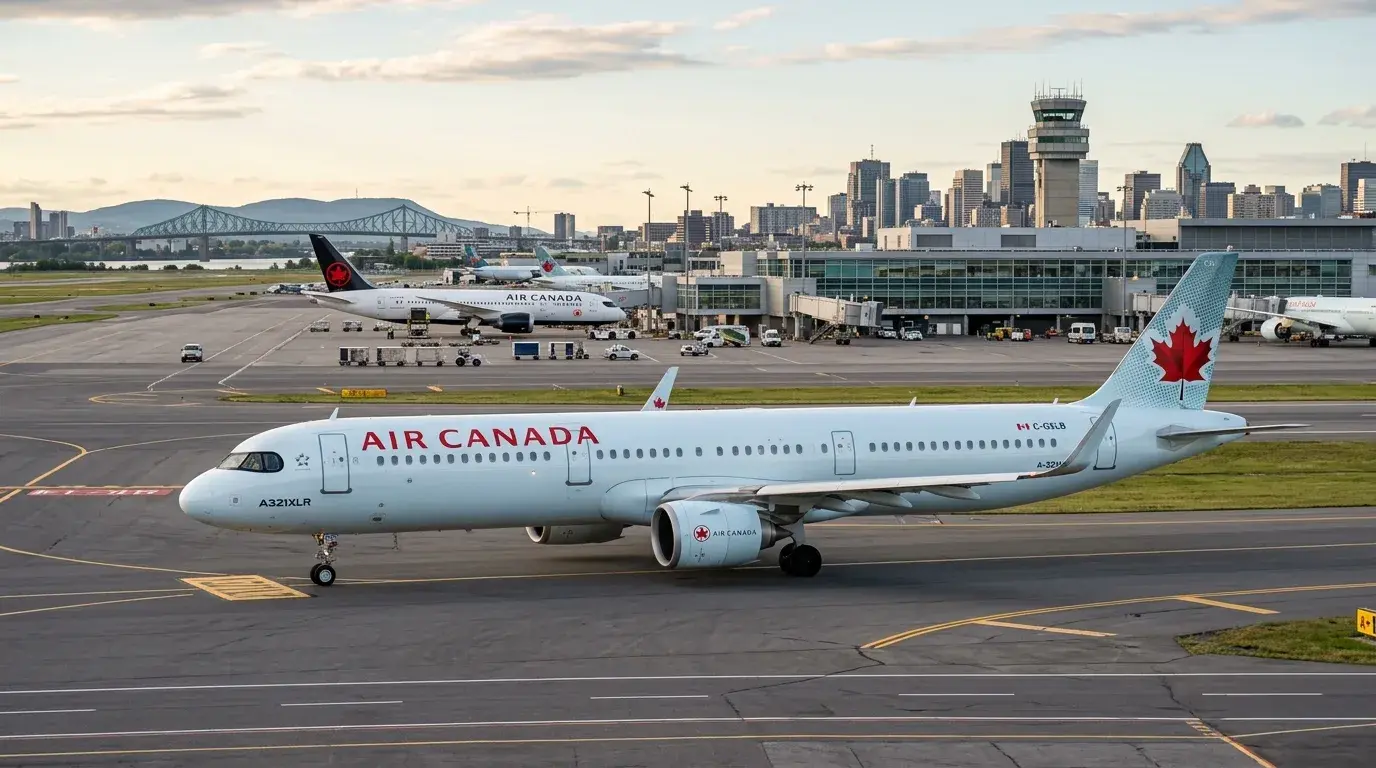
Since June 9, Air Canada has officially integrated its first Airbus A321XLR into its commercial fleet, marking a turning point for air transport on the European continent. With an initial flight between Montreal and Toronto, followed by a launch to Toulouse on June 15, the Canadian carrier is laying the groundwork for a new way to travel between Europe and North America. But why is this aircraft generating so much anticipation, and how will it transform your future trips?
The A321XLR is no ordinary aircraft. Designed by Airbus to combine the flexibility of a narrowbody with long-haul capabilities, it enables direct connections between secondary cities without passing through congested hubs, while offering comfort comparable to that of widebody jets. With a range of up to 8,700 kilometers, it opens the door to direct links between European and Canadian metropolises, reducing travel times and layovers. A game-changer for travelers seeking efficiency and simplicity.
Beyond its technical performance, it is the passenger experience that stands out. Air Canada has reimagined the aircraft’s interior with a design inspired by Canadian landscapes, featuring next-generation entertainment screens and Bluetooth connectivity. The cabin, dubbed “Glowing Hearted,” also boasts a fully flat-lying Business Class—a first for a narrowbody in Canada—and free Wi-Fi for Aeroplan members. A clear focus on travel quality, even aboard a 182-seat aircraft.
Why the A321XLR is a game-changer for European travelers
Until now, transatlantic flights between Europe and North America have almost exclusively passed through major hubs like London, Paris, Frankfurt, or New York. While these hubs are well-connected, they often impose long and costly layovers. The A321XLR allows Air Canada to consider direct routes from secondary cities, reducing costs and travel times for passengers. Imagine a direct flight between Montreal and Toulouse in just over seven hours, with no stops or plane changes—now possible.
This flexibility is made possible by the aircraft’s ability to carry up to 182 passengers over distances exceeding 8,000 kilometers. A performance backed by CFM International LEAP-1A engines optimized for fuel efficiency, reducing fuel consumption by 30% compared to previous-generation aircraft. For travelers, this translates into potentially more affordable fares while minimizing the environmental impact of journeys.
Air Canada has also announced that the A321XLR will be used to develop eleven new destinations by the end of the year, with a gradual ramp-up strategy. Among the targeted cities, some could directly interest French travelers, particularly in metropolitan France and overseas territories. An opportunity to reduce delays and costs on both business and leisure trips.
A boon for business travelers and tourists
The business travel sector, in particular, stands to gain significantly from this innovation. Companies are increasingly seeking to optimize their trips by reducing travel time and layover costs. With the A321XLR, an executive based in Lyon or Bordeaux could fly directly to Montreal in a single leg, without wasted time or added stress. A simplification that directly meets the expectations of frequent flyers.
For tourists, the A321XLR opens the door to more direct and cost-effective getaways to Canada. The reduction in layovers makes trips more appealing while allowing access to regions previously underserved. Whether you want to explore the Rocky Mountains, Ontario’s vineyards, or the vibrant cities of Quebec, direct flight options are expanding considerably.
In terms of comfort, Business Class aboard the A321XLR is a major selling point. With fully flat-lying seats and ample space, it offers an experience comparable to traditional long-haul jets. Premium Economy and Economy passengers also benefit from increased space compared to standard configurations, with ergonomic seats and improved connectivity. A level of attention that is evident from the first miles of flight.
The A321XLR: a complementary aircraft, not a replacement
It’s important to note that the A321XLR does not replace widebody jets like the Boeing 787 or Airbus A350. Air Canada has indeed ordered 18 Boeing 787-10 Dreamliners to strengthen its main long-haul network and replace its aging Boeing 767-300ERs. The A321XLR complements this fleet by enabling the opening of less dense or seasonal routes while optimizing operating costs.
This complementary strategy is already being adopted by other airlines. Carriers like Iberia, Aer Lingus, and United Airlines are also leveraging the A321XLR to develop transatlantic “point-to-point” routes. This model allows airlines to bypass congested hubs, serve secondary cities, and test new markets with limited financial risk. For Air Canada, the goal is clear: strengthen its presence in Europe while diversifying its network from Montreal and Toronto.
The challenges of widespread adoption
Despite its undeniable advantages, the A321XLR is not without challenges. The first concerns certification and production ramp-up. Airbus had to adjust its schedule to meet regulatory requirements, particularly after delays in the A321neo program. Air Canada, which initially ordered 26 aircraft and later increased this to 30, will need to manage the gradual delivery of its A321XLRs, with two already in service and the rest expected in the coming months.
Another challenge lies in adapting airport infrastructure. European airports will need to accommodate these long-range narrowbodies, particularly for maintenance and refueling operations. While major hubs like Paris-Charles de Gaulle or London Heathrow are already equipped to handle such aircraft, cities like Toulouse or Bordeaux will need to adapt to fully capitalize on this new offering.
Finally, competition will be fierce. Other airlines, particularly European ones, could quickly follow Air Canada’s lead. EasyJet, Transavia, and Volotea may integrate the A321XLR into their fleets to develop transatlantic routes, creating a new market dynamic. For Air Canada, the key to success will lie in its ability to retain travelers with a premium experience and competitive fares.
The arrival of the A321XLR at Air Canada marks the beginning of a new era for transatlantic air travel. By combining flexibility, performance, and comfort, this aircraft is redefining the standards of long-haul travel between Europe and North America. For travelers, this means simpler routes, fewer layovers, and an improved in-flight experience. For airlines, it’s an opportunity to conquer new markets and offer alternatives to congested hubs. An innovation that could well change the way we travel in the years to come.
How to take advantage of this new offering
If you’re planning a trip between Europe and Canada, it’s already possible to book a flight operated by the A321XLR. Air Canada offers competitive fares on routes from Montreal and Toronto, with options in Economy, Premium Economy, and Business Class. For Aeroplan members, free Wi-Fi and exclusive services are an added bonus.
For business travelers, it’s advisable to check your company’s travel policies, as some businesses are beginning to favor direct flights to reduce travel time and costs. Travel agencies specializing in business trips should also incorporate this new option into their offerings, depending on the targeted destinations.
Finally, for those eager to follow the evolution of this innovation, you can consult Air Canada’s and Airbus’s official websites. The A321XLR could soon become a staple of air travel, and its adoption by other airlines is likely to accelerate in the near future.
Be the first to comment on this article
On the same topic
- Why European Airfares Will Skyrocket Until 2029: Expensive Fuel to Reshape the Industry
- Air Canada Launches A321XLR on Lyon Route: The Long-Haul Revolution Transforming Travel
- Tel Aviv: Direct North American Flights Return in 2026 – What It Means for Travel
- Canada: A Star Destination for French Travelers Despite Rising Fuel Prices
- Air Canada Takes Delivery of First Airbus A321XLR, Launching New Long-Haul Growth Phase