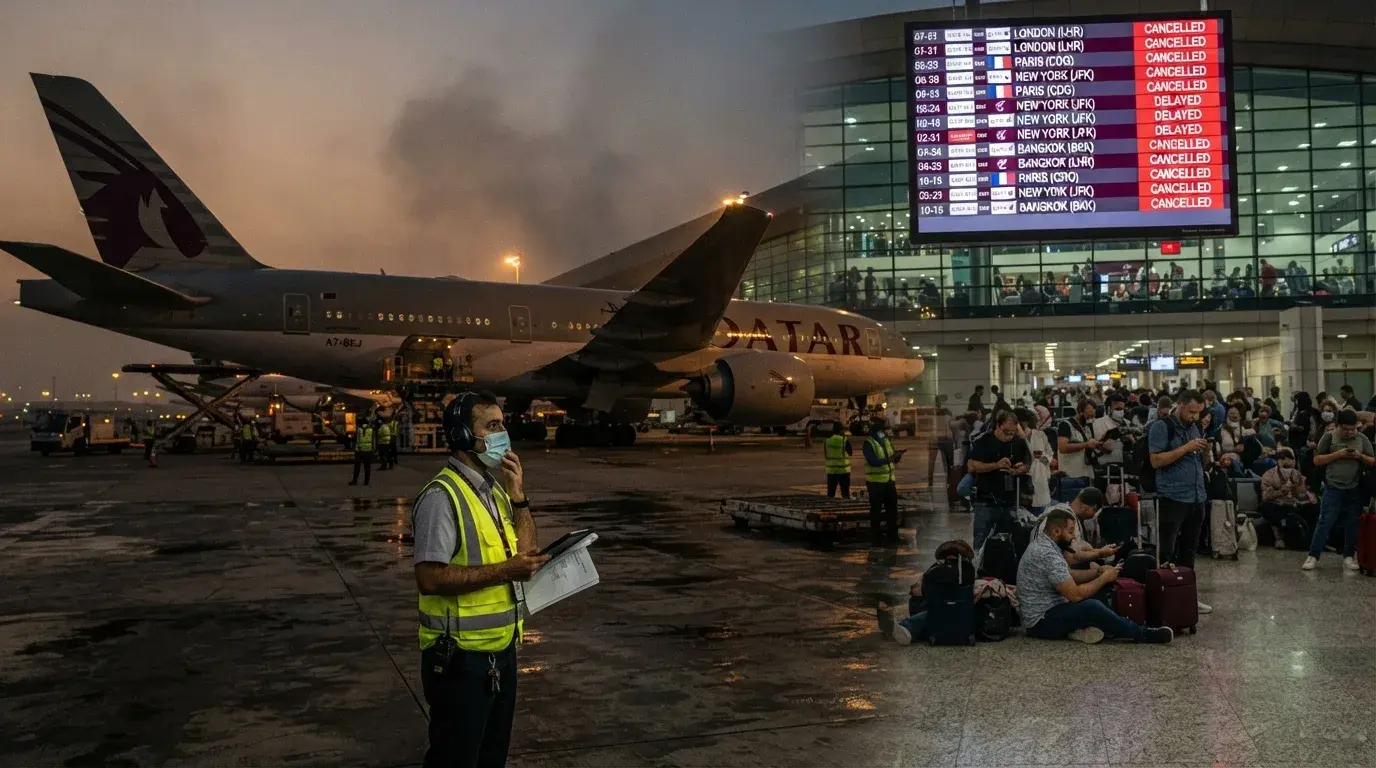
How Germany is Protecting Flight Attendants from In-Flight Assaults and Sharia Justifications
The June 1st incident aboard a flight from Turkey to Germany has spotlighted a growing issue in the aviation sector: assaults on flight crew. A passenger invoked Sharia law to refuse sitting next to a woman before striking a flight attendant—a case illustrating rising tensions between individual religious rules and the strict legal framework of civil aviation. While freedom of belief remains protected in Germany, authorities stress it cannot justify physical harm or refusal to comply with safety instructions.
According to police findings reported by Bild, the 29-year-old German-Turkish man explicitly cited Sharia to justify his refusal to sit next to his seatmate. When the flight attendant attempted to enforce seat assignment rules, the situation escalated into a physical altercation, with the aggressor striking her in the face. Upon landing, police boarded the aircraft to arrest the suspect, who admitted the facts during questioning. He now faces charges of bodily harm and insulting public officials, offenses punishable under criminal law.
The case raises questions about how airlines and authorities handle such incidents. The Düsseldorf public prosecutor’s office clarified that invoking religious rules cannot justify violating safety protocols or harming others. This stance is shared across the industry, which emphasizes that in-flight safety and procedural compliance are absolute imperatives, irrespective of individual or cultural considerations.
However, confusion persists over the airline involved. Initially reported as Turkish Airlines, the carrier strongly denied any involvement in the incident. This ambiguity highlights the need for German authorities to clarify reporting and coordination procedures with foreign airlines to avoid confusion in managing sensitive situations.
Commercial flight crew associations in France and Europe are sounding the alarm. They report a rise in in-flight assaults, often linked to refusals to sit next to someone of the opposite sex for religious reasons. Though rare, these incidents significantly impact crew morale and service quality. Unions demand a firm response from authorities and airlines, including enhanced training for flight attendants and stewards to handle such delicate situations without compromising their safety.
In Germany, the debate extends beyond aviation. Authorities reiterate that Sharia, as a legal system, holds no legal weight in the country. German law takes precedence over any religious interpretation, and air safety rules apply to all without exception. This stance is reinforced by concerning statistics: according to the German Airlines Association, assaults on flight crew have increased by 30% since 2023, a trend worrying both carriers and passengers alike.
European airlines operating in Germany are adapting their protocols. Some are considering stricter security measures, such as the systematic presence of security personnel in sensitive areas or the option to disembark disruptive passengers at the next stop. Others are exploring specialized training for crews to better manage conflicts arising from religious or cultural seating refusals.
For passengers, these incidents underscore the importance of respecting safety instructions and shared onboard rules. Airlines, meanwhile, must balance employee protection with individual rights while ensuring a safe environment for all. The German situation could serve as a case study for other European countries facing similar challenges.
A Complex Legal and Operational Context
The German case fits into a broader context of tensions between religious freedom and legal frameworks. Across Europe, several countries have faced refusals to sit next to someone of the opposite sex for religious reasons, particularly in aviation. Though infrequent, these incidents have major repercussions on flight safety and smooth operations. European authorities emphasize that airlines must guarantee the safety of all passengers and crew without exception.
In France, for example, the Direction générale de l’aviation civile (DGAC) has issued strict directives for crews, instructing them never to comply with seat reassignment requests based on religious grounds. Flight attendants and stewards are trained to handle such situations firmly and professionally while avoiding violence escalation. French carriers like Air France and Transavia have implemented emergency protocols to report incidents and protect their employees.
In Germany, judicial and police authorities stress the need to systematically prosecute those who assault flight crew. German criminal law imposes heavy penalties for violence aboard aircraft, considered breaches of public safety. Airlines, in turn, must report such incidents to competent authorities to enable appropriate legal responses.
European PNC unions are calling for harmonized practices across countries. They urge European authorities to strengthen judicial and police cooperation to combat these phenomena while upholding fundamental rights. The German situation could act as a catalyst for a coordinated European response to protect crews and ensure passenger safety.
Concrete Measures for Airlines
Facing a surge in incidents, several European airlines have already taken steps to enhance onboard security. Some are considering additional security personnel, particularly on long-haul flights or routes to sensitive destinations. Others are exploring cabin surveillance systems, subject to data protection regulations.
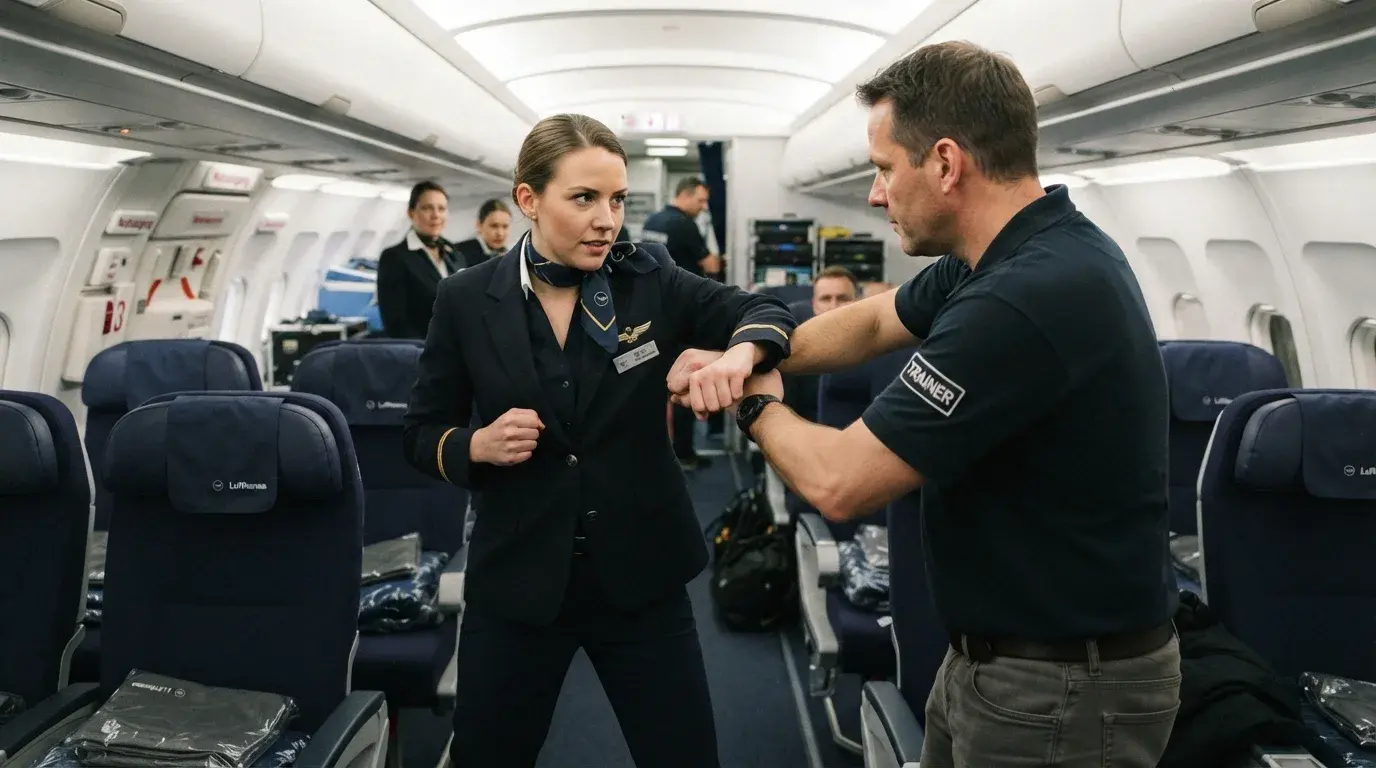
Crew training programs are also being revised to include modules on managing conflicts rooted in religious or cultural motivations. These sessions, often developed with mediation and crisis management experts, aim to equip flight attendants and stewards to de-escalate tensions without resorting to force. Emphasis is placed on non-violent communication and firm adherence to rules.Some carriers, such as Lufthansa and KLM, have established protocols to quickly report incidents to local authorities and headquarters. These procedures enable rapid responses, whether to disembark disruptive passengers or pursue legal action. Airlines stress the importance of coordination with law enforcement to ensure safety for all onboard.
In Germany, the June 1st incident has served as a wake-up call to accelerate these measures. Federal authorities and airlines are collaborating closely to strengthen security protocols and protect flight crews. Meanwhile, unions remain vigilant and continue advocating for a firm, coordinated European response.
A Societal Challenge for Europe
The incident in Germany transcends aviation. It reflects broader tensions within European society, where the coexistence of diverse cultures and religions remains a sensitive issue. German authorities emphasize that civil aviation, as a public service, must ensure safety and equal treatment for all passengers, regardless of origin, religion, or belief.
For airlines, these incidents pose both operational and ethical challenges. They must balance cultural diversity with strict adherence to safety rules. European carriers, often on the front lines of such situations, are called upon to play a key role in fostering a calm and respectful environment aboard their aircraft.
European authorities, for their part, advocate for a collective response. They highlight that combating assaults on flight crew cannot rely on ad hoc measures. A comprehensive approach—combining stricter penalties, passenger awareness, and crew training—is essential to ensure safety and service quality in European aviation.
The German case could mark a turning point in managing such incidents. Airlines, authorities, and passengers are urged to work together to prevent these situations and ensure safe, respectful air travel for all.
In the meantime, flight attendants and stewards in Germany and Europe remain on the front lines, protected by enhanced protocols and a collective awareness of their safety. Their already demanding work has become even more complex amid these new challenges, but they remain committed to delivering quality service for all passengers.
Germany’s Federal Ministry of the Interior reiterates that while freedom of belief is protected, compliance with safety rules and the law takes precedence over any religious interpretation.
Be the first to comment on this article