How AirAsia is Reshaping the Future of the A220 with High-Density and Potential A220-500
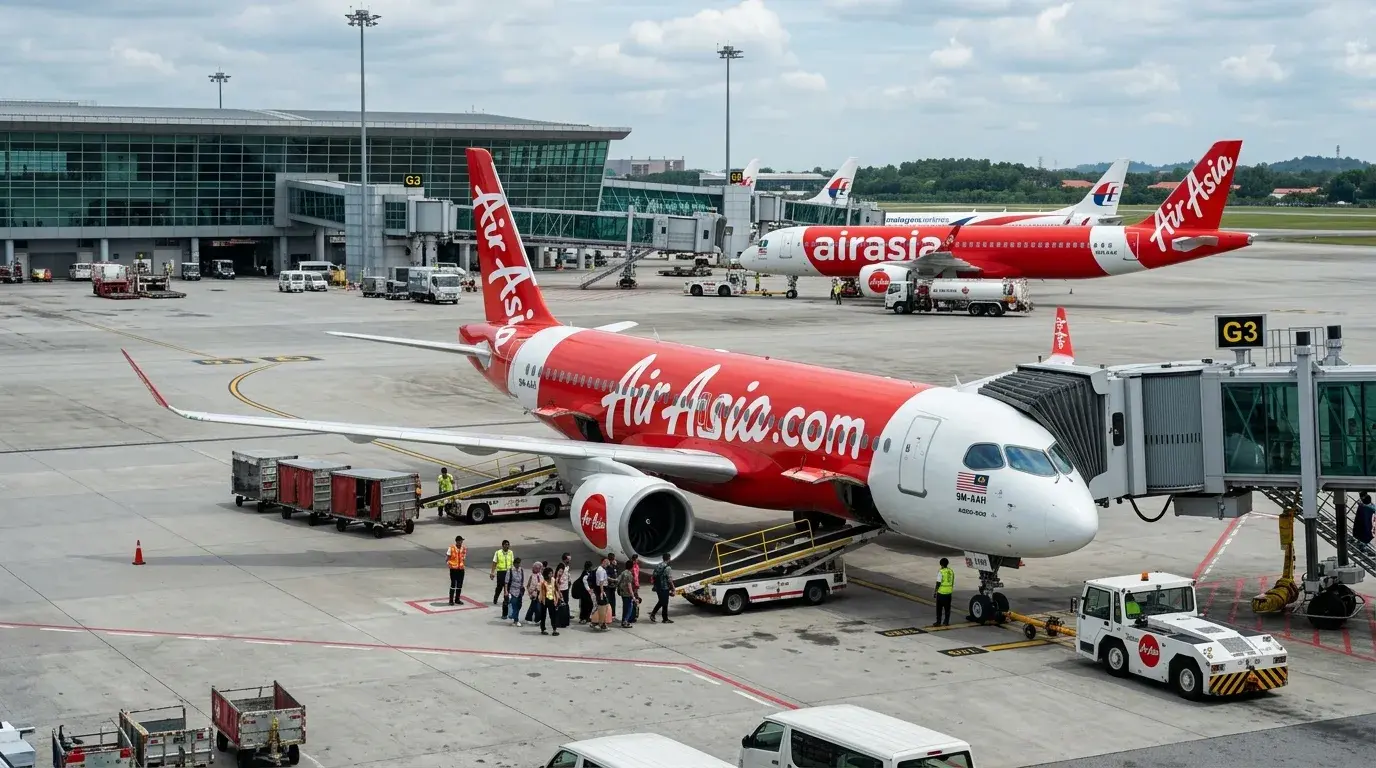
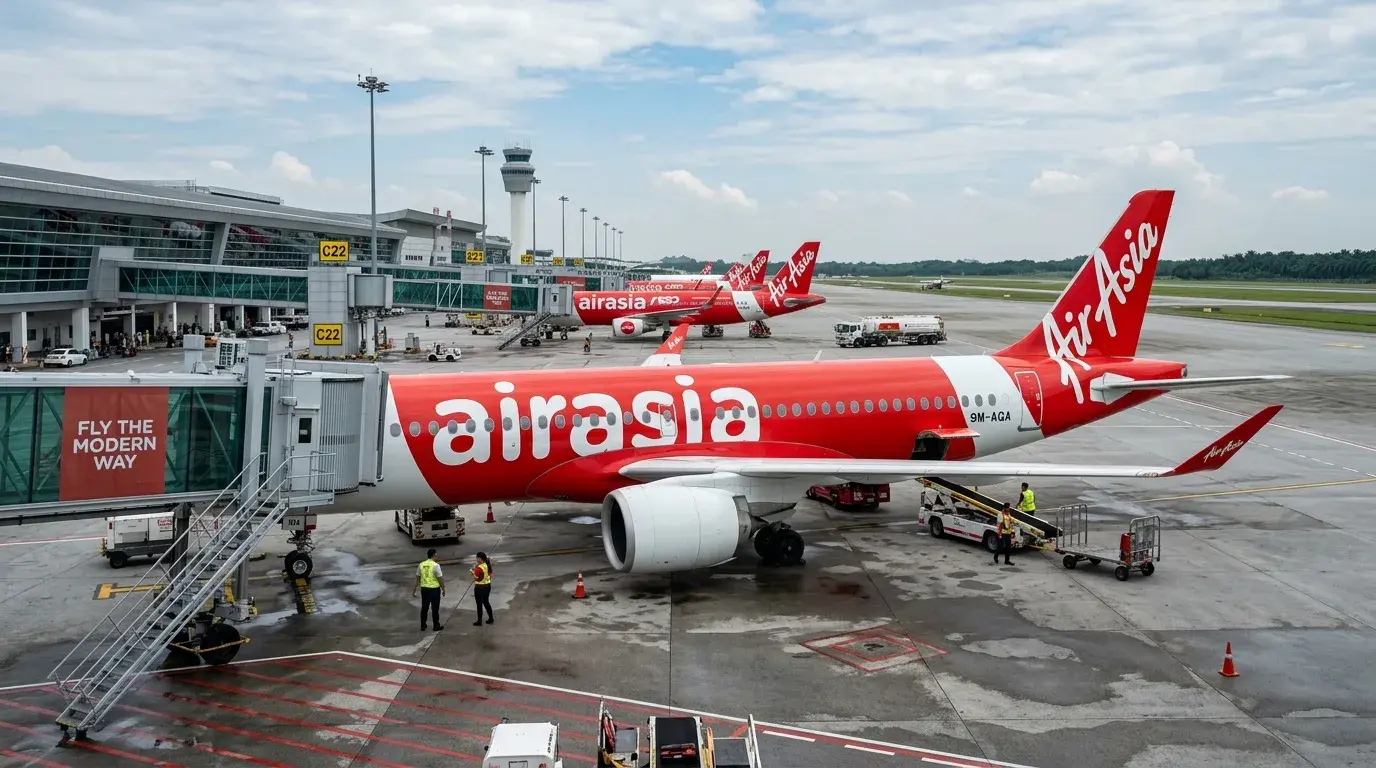
AirAsia has triggered one of the most closely watched commercial moves in aviation today: 150 firm Airbus A220-300 orders, 150 options in reserve, and an explicit push for Airbus to develop a potential A220-500 variant. Behind the announcement lies a concrete fleet strategy, profitability focus, and cabin configuration—with immediate implications for Asia’s air transport market and beyond.
The SEO value is clear, as the news intersects high-volume search terms: A220-300, AirAsia, Airbus, A220-500, and aircraft orders. The deal also touches on low-cost strategies, rising single-aisle density, and the development of an aircraft designed to compete in the 100–160-seat segment.
This order arrives as Airbus seeks to stabilize the A220 program, once a financially burdensome initiative, now better positioned in the market. For AirAsia, the stakes are high: securing an aircraft that reduces cost per seat while maintaining operational flexibility for regional and short-to-medium-haul routes across Asia.
A Deal That Reshapes the A220 Program
AirAsia’s agreement goes beyond fleet renewal. With 150 firm A220-300 orders, the Malaysian group becomes the largest customer for the aircraft in its current configuration. The additional 150 options provide significant flexibility, should market conditions remain favorable and operational ramp-up proceed smoothly.
For Airbus, this order carries strategic weight. The A220, long seen as a challenging program to profitability after its integration into the European manufacturer’s portfolio, now gains a major commercial anchor. Deliveries are slated to begin in Q1 2028, giving Airbus time to adjust production rates and AirAsia to prepare for integrating a larger, more homogeneous fleet.
The choice of the A220-300 is far from trivial. Positioned between regional jets and larger single-aisles, it targets markets with moderate demand, offering efficient fuel consumption and a cabin layout aligned with the needs of a fast-growing low-cost carrier. AirAsia is eyeing intra-ASEAN routes and secondary markets where an A320neo might be overly capacious for certain frequencies.
A 160-Seat Cabin Tailored for Low-Cost Operations
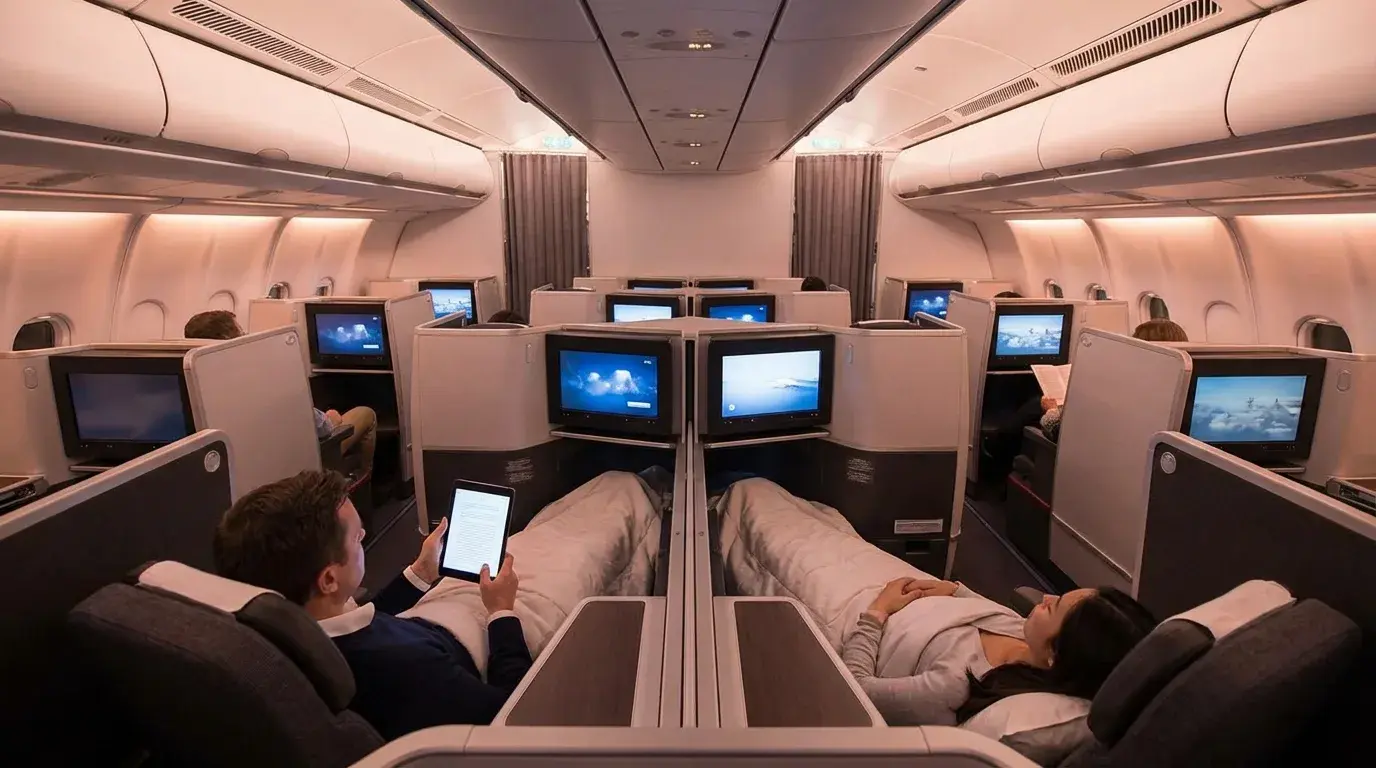
AirAsia will be the launch customer for a high-density A220-300 configuration seating 160 passengers. This version relies on a straightforward yet impactful modification: the addition of an extra over-wing exit on each side, enabling compliance with safety regulations while increasing seat count.
This configuration directly supports AirAsia’s business model. In an industry where cost per available seat-mile remains a critical metric, every extra row matters. More seats can improve fixed-cost absorption—provided the aircraft is filled and ground turnaround times remain efficient.
Airbus positions the A220-300 as ideal for the 120–160-seat market, with the potential to accommodate up to 160 passengers depending on cabin layout. In AirAsia’s case, the high-density version aligns with a clearly defined market strategy: short-to-medium-haul flights, high volume, and operations optimized for fleet rotation. The manufacturer also highlights a range of approximately 6,100 kilometers, sufficient for much of Asia’s regional network.
AirAsia Presses Airbus for the A220-500
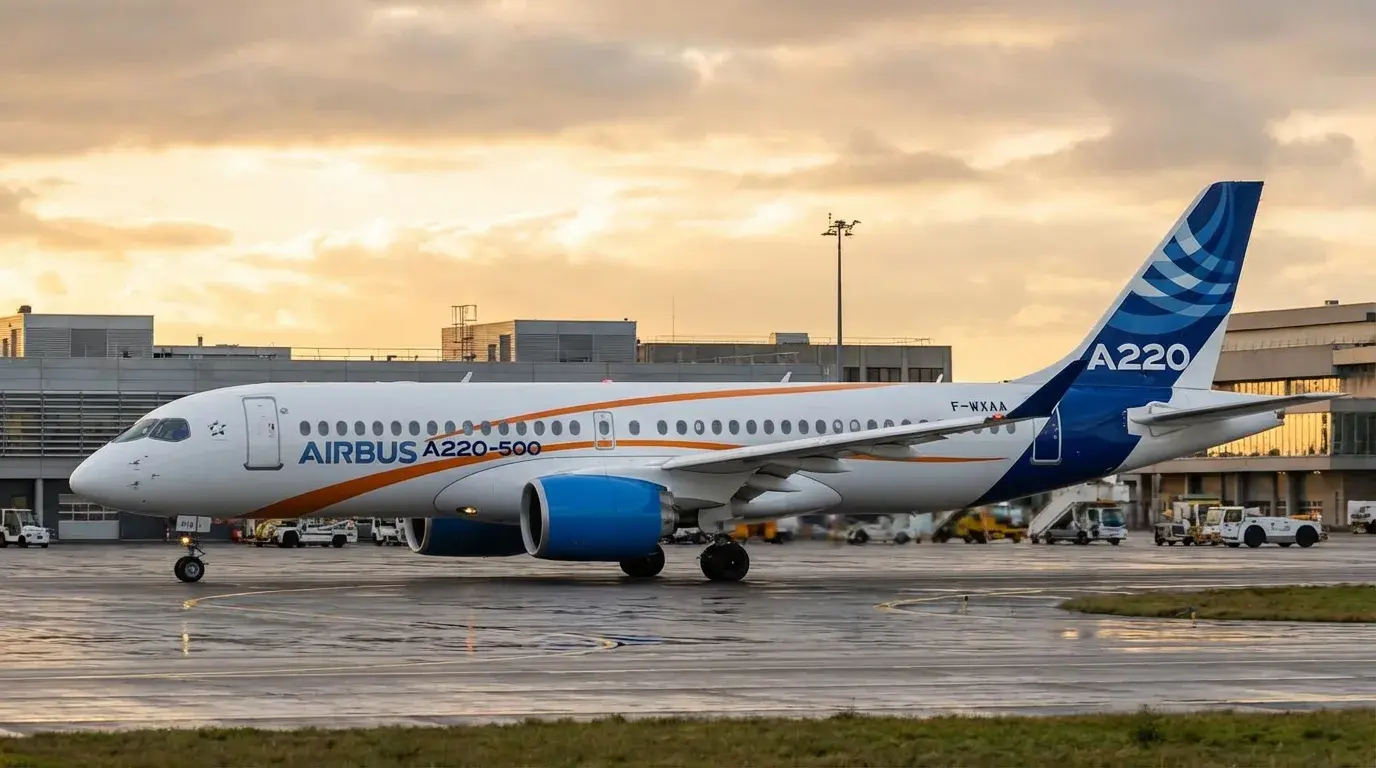
The story doesn’t end with the A220-300. AirAsia is using this deal as leverage to advance the case for an A220-500, a stretched variant that could seat up to 185 passengers. Tony Fernandes, AirAsia’s co-founder, has been vocal about his interest in this evolution. His message is unambiguous: if Airbus delivers a larger aircraft, AirAsia is ready to commit.
The concept isn’t purely theoretical. A stretched fuselage would allow the A220 to compete more directly with certain A320neo-family models. Early discussions around an A220-500 suggest a fuselage extension without altering the wing or engines, though this could reduce range by about 13% compared to the A220-300.
Airbus remains cautious. The manufacturer knows that expanding the A220 program must avoid cannibalizing the A320neo family, a commercial cornerstone. Development of an A220-500 would only proceed if demand is robust and current A220 production reaches a stable, profitable level. Guillaume Faury has indicated that work is underway, but without haste.
A Program That Gained Credibility After a Rocky Start
The A220’s journey underscores that an aircraft’s industrial value isn’t measured solely by its technical specs. Originally launched as the CSeries by Bombardier, the program faced years of cost overruns, delays, and commercial uncertainty. Its transfer to Airbus altered the project’s trajectory, but not immediately its economic balance.
The Government of Quebec played a long-term role in supporting the program, both before and after its acquisition by Airbus. Budget documents from Quebec’s Ministry of Finance reveal over CAD 2 billion invested since 2016. This underscores that the A220 isn’t just an aircraft—it’s a long-term industrial and political dossier, closely monitored on both sides of the Atlantic.
The symbolic milestone of 1,000 orders further elevated the program’s profile. In this context, AirAsia’s order marks another turning point: the aircraft is no longer a niche solution but a product capable of supporting aggressive fleet strategies. For a low-cost carrier as price-sensitive as AirAsia, such an aircraft must deliver competitive operating costs above all.
What This Order Reveals About Asia’s Market
AirAsia’s strategy sheds light on Southeast Asia’s market dynamics. The airline’s network relies on dense, point-to-point flows with intense price competition. In this environment, the ideal aircraft is one that allows capacity adjustments without multiplying the risk of underutilization. The A220-300, in its densified form, fits this logic better than a larger aircraft on certain routes.
The order also signals AirAsia’s ambition to continue growing while optimizing its industrial tool. Its target of 150 million passengers by 2030 illustrates the scale of its goals. Achieving this will require more efficient aircraft and a fleet adaptable to diverse markets, from short-haul regional routes to longer medium-haul segments.
For Airbus, the AirAsia deal serves as a powerful commercial signal. It reinforces the A220’s place in the manufacturer’s catalog at a time when competition in the single-aisle segment remains fierce. It also reignites a question already on the minds of several airlines: Can the A220 grow further without compromising its original advantages?
The coming months will be critical, with technical discussions on cabin configurations, potential announcements on Mirabel production rates, and AirAsia’s updates on its final fleet plans. While deliveries won’t begin until 2028, the commercial direction is already set. AirAsia has chosen the A220—and is now pushing Airbus to decide just how far this program can go.
In the short term, this agreement places AirAsia at the center of a fleet strategy that extends well beyond Malaysia. Between cabin density, range, cost per seat, and the A220-500 hypothesis, the airline has opened a new chapter where Airbus’s industrial choices will matter as much as the low-cost carrier’s commercial needs.
Be the first to comment on this article