AirAsia Prepares Massive A220 Order, a Strong Signal for the 100-150 Seat Single-Aisle Segment
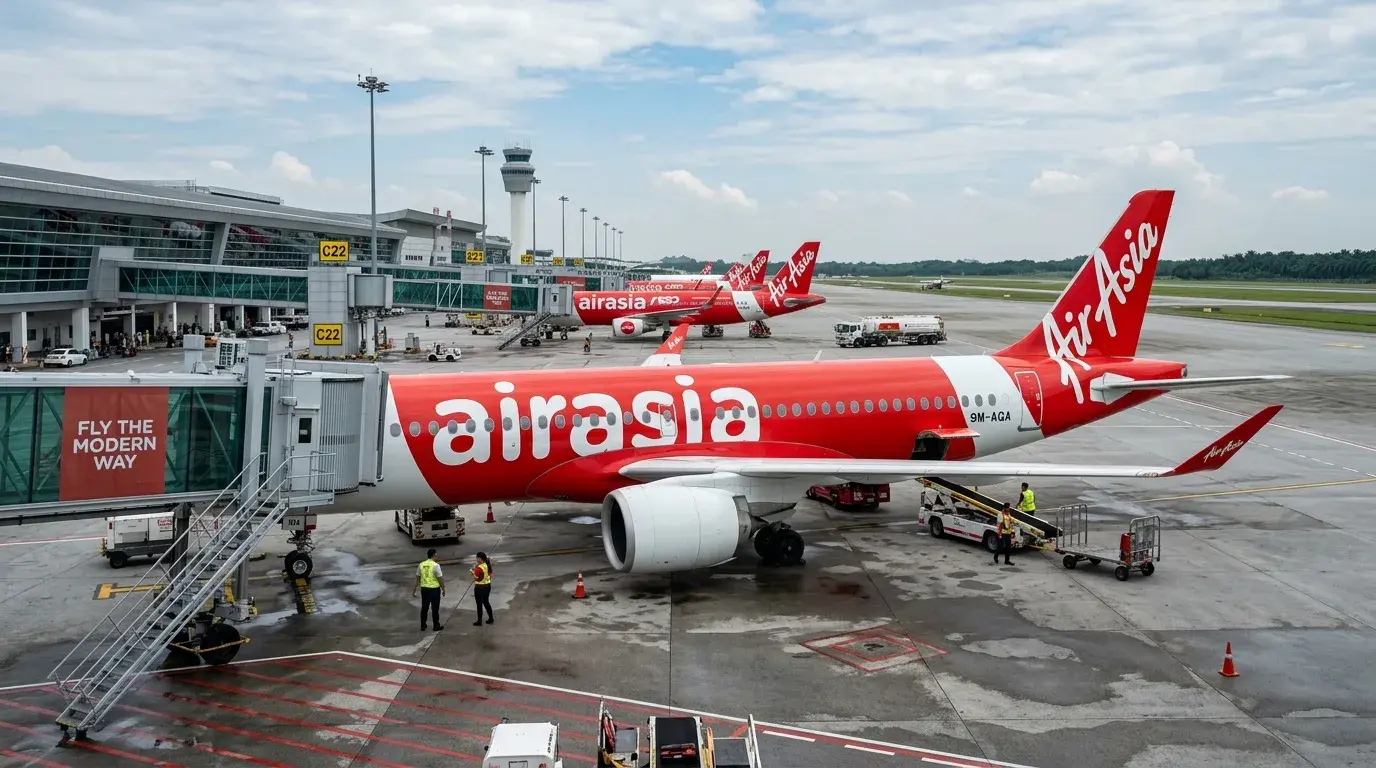
Airbus could announce as early as this Wednesday a deal for around 150 A220s with AirAsia. If confirmed, the deal would significantly scale up the Canadian program and secure a major low-cost operator in Asia—a profile Airbus has long sought.
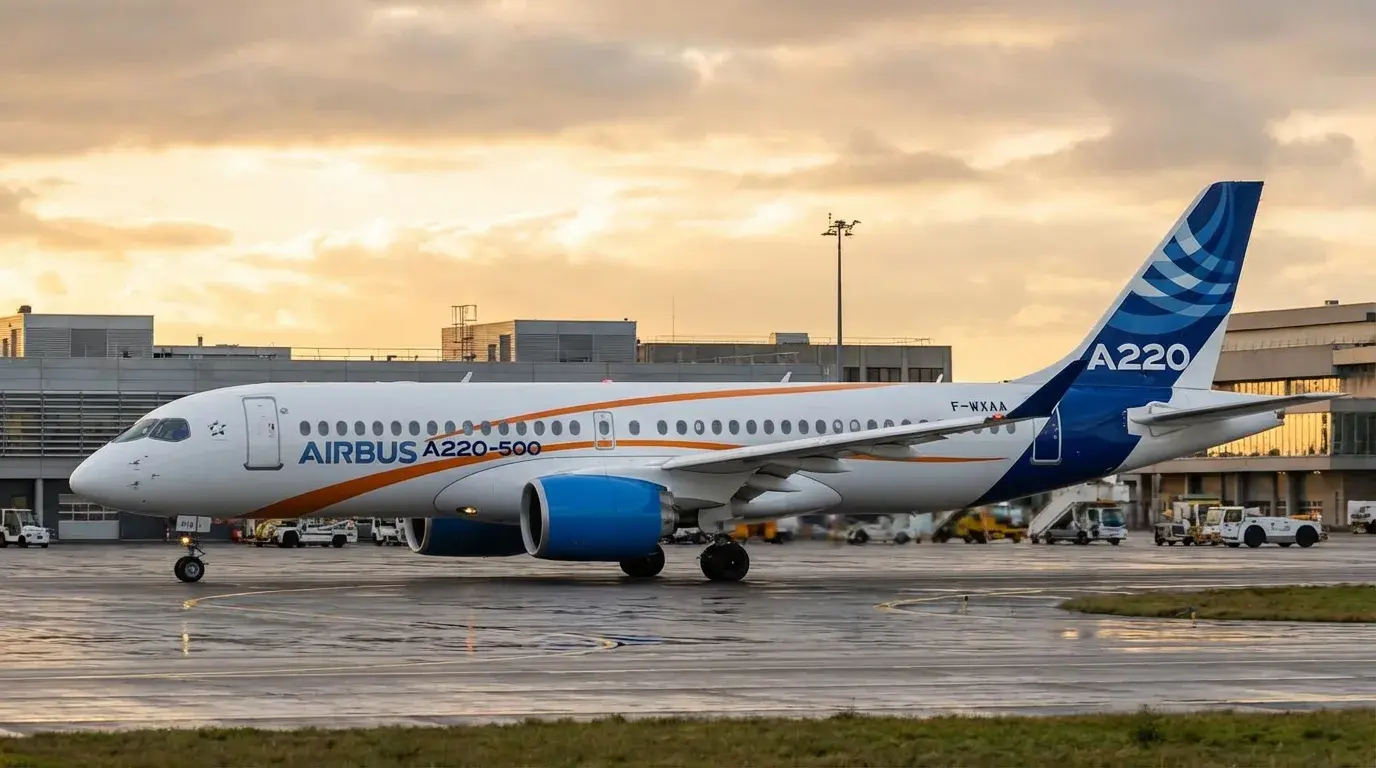
The deal is being closely watched not only for its volume. Such an order would position the A220 more prominently in the 100–150-seat single-aisle segment, where competition remains fierce with the Airbus A320neo and Embraer E2 families. For Airbus, it would also reinforce the commercial visibility of a still-young program in its current iteration.
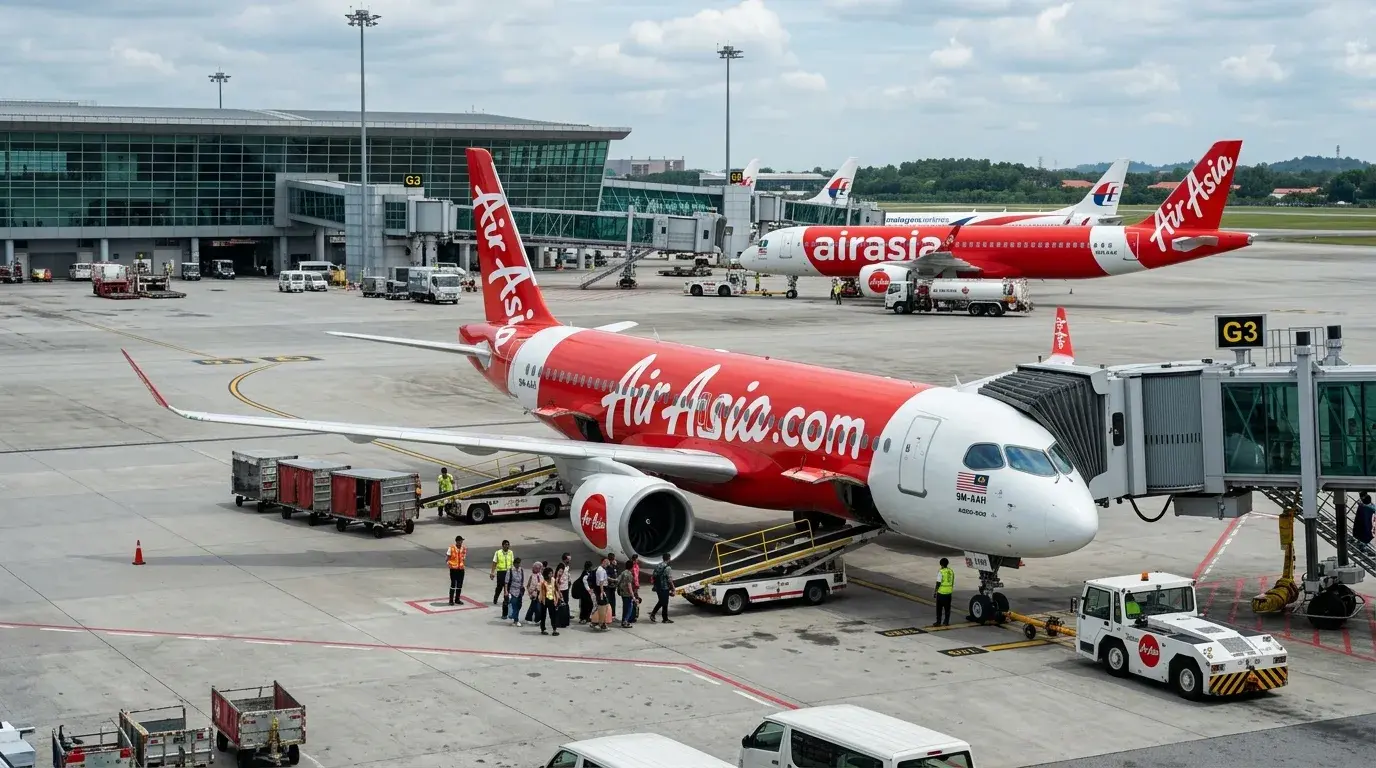
AirAsia, for its part, has never hidden its interest in smaller aircraft than those currently shaping its fleet. The Malaysian group, known for its low-cost operations on short- and medium-haul routes across Asia, has been looking for years to complement its setup with planes capable of opening thinner routes, increasing frequencies, and matching capacity to actual demand.
A Possible Turning Point for the A220 Program
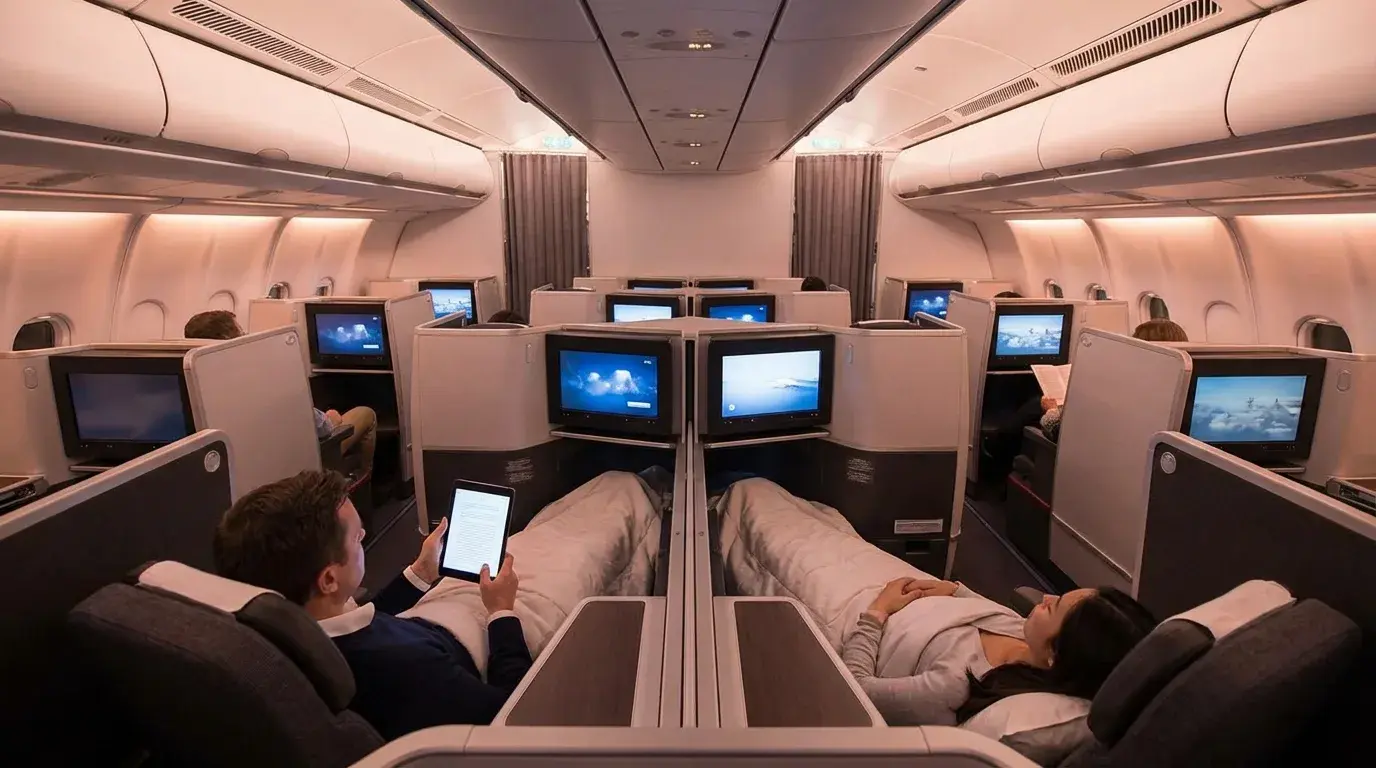
Since Airbus took over the CSeries program in 2018, the A220 has gained technical credibility, but its commercial development has sometimes lagged behind expectations amid stiff competition. Yet the aircraft has well-documented strengths: fuel efficiency, cabin comfort, range sufficient for many regional routes, and performance suited to constrained airports and runways.
The prospect of a very large deal with AirAsia changes the game. A low-cost operator of this scale would give the A220 a new showcase in the Asia-Pacific region, where traffic growth continues to drive demand for flexible aircraft. In a market where airlines are increasingly fine-tuning capacity, the A220’s niche has become more strategic than it was just a few years ago.
According to circulating reports, the order could be announced in Mirabel, Quebec, at the program’s assembly site. Airbus has not yet publicly confirmed the volume, but multiple converging sources point to an agreement around 150 aircraft. If finalized, it would rank among the largest ever signed for the A220.
AirAsia Seeks to Complement a Highly Standardized Fleet
The core of AirAsia’s fleet is built around the A320 family, with hundreds of aircraft in service or on order. This industrial homogeneity has long been an advantage for a low-cost carrier: it simplifies maintenance, crew training, and rotation management. But it reaches its limits on some routes where the A320 or A321 are either too large or too costly to operate at full capacity.
That’s where the A220 comes in. With a capacity ranging from 100 to 150 seats depending on the variant and cabin layout, it enables the opening of secondary routes, testing new markets, or increasing frequencies without tying up a larger aircraft. For a group like AirAsia, this flexibility can help densify domestic and regional networks across Southeast Asia and explore thinner destinations.
The initiative fits into a broader fleet strategy already underway with other new-generation Airbus models. AirAsia has been adapting its order book toward more recent, more efficient aircraft to maintain a cost structure compatible with its pricing model.
Why the 100–150 Seat Segment Is Back in the Spotlight
The small-capacity single-aisle market has long been seen as a niche, sometimes less profitable than larger families. That perception has shifted with the growing need for flexibility. Airlines now want to avoid deploying oversized aircraft on fragile routes while maintaining sufficient frequency to stay competitive.
In this context, the 100–150-seat single-aisle segment serves several concrete purposes. It can absorb seasonal variations, support secondary routes, and maintain a commercial presence in markets where demand doesn’t yet justify an 180-seat-plus aircraft. The equation becomes even more compelling for low-cost carriers seeking to expand their networks without drastically increasing load-factor risks.
Airbus has long positioned the A220 as an aircraft capable of opening new routes—a claim often repeated but now aligned with the operational reality of many airlines. In an environment where profitability depends as much on cost per seat as on cost per flight, a smaller but high-performance aircraft can offer a broader margin of action than a larger single-aisle.
Real Competitive Pressure from Embraer
If Airbus secures the deal with AirAsia, the commercial signal would be even stronger given that Embraer has recently racked up several successes in the lower end of the single-aisle market. The E2 family is gradually establishing itself as a credible alternative for airlines seeking intermediate-capacity aircraft with performance tailored to regional markets.
The duel between the A220 and the E2s is not just technical. It also hinges on each manufacturer’s ability to win over reference operators. In this game, a major Asian low-cost client would give the A220 a commercial weight hard to ignore. For Airbus, the stakes are clear: broaden its customer base and prevent the program from remaining confined to a handful of specialized operators.
Beyond the volume, the image effect matters. A deal of this magnitude can reshape market perceptions, showing that the A220 is no longer limited to point-to-point operations in Europe or North America. In Asia, where traffic density varies widely by country and airport, such an aircraft could find broader applications than often assumed.
An Industrial Stakes for Airbus and Mirabel
The Mirabel site plays a central role in ramping up A220 production. Any major order is closely watched because it shapes production volumes and the program’s industrial visibility for years to come. An announcement of this size would give Airbus greater clarity on future rates, especially as the aerospace industry grapples with ongoing supply chain tensions.
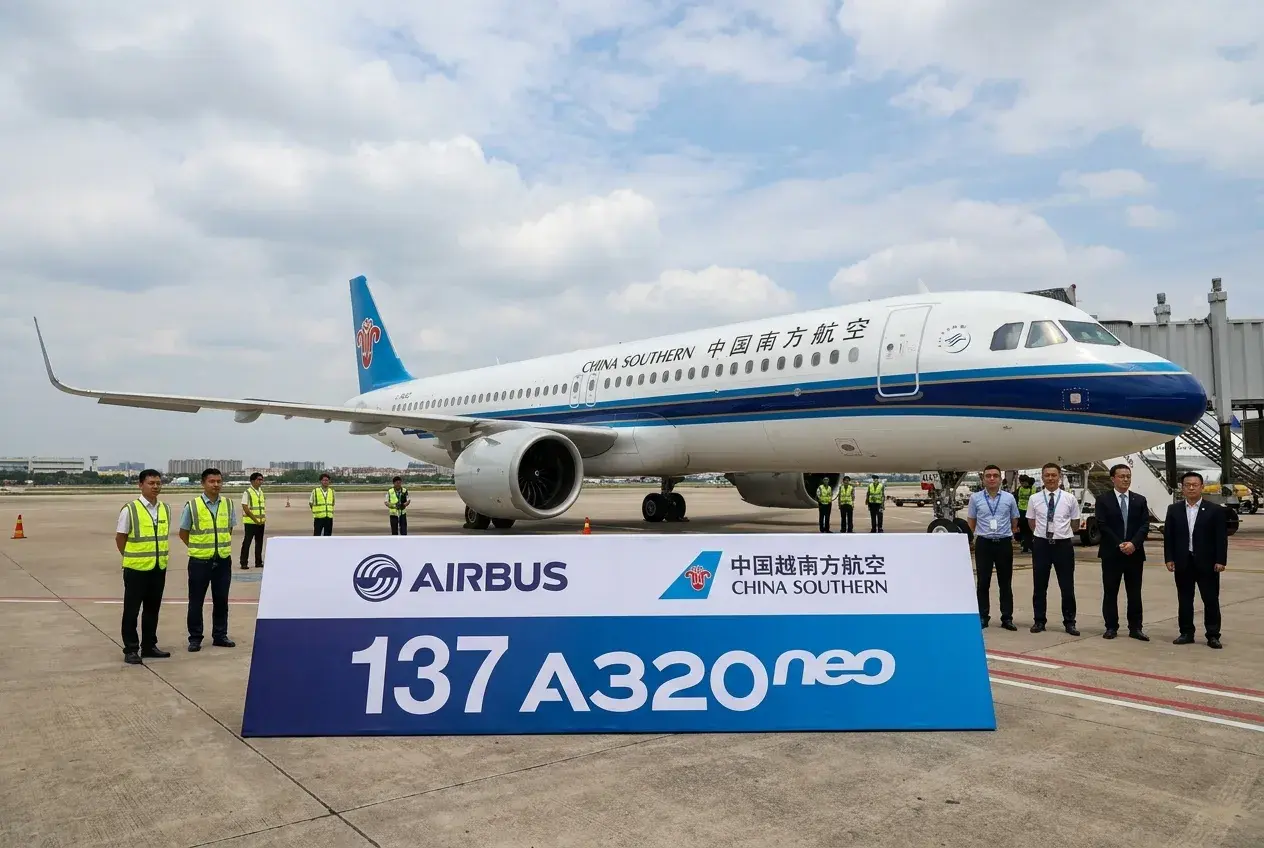
Operationally, the European airframer is also looking to solidify the A220’s place in its overall commercial offering. The aircraft complements the A320neo family by covering a smaller segment without direct internal competition, making it both a tool for market conquest and a retention lever for airlines that want to stay with Airbus while adjusting their fleets.
For AirAsia, the benefits would be twofold. The group would gain an aircraft better suited to certain routes, while Airbus would secure a highly visible customer in a strategically important region. For a program still searching for its big Asian breakout, the potential is clear.
How This Order Could Reshape Operations in Practice
If the agreement materializes, AirAsia would gain a lever to reorganize part of its network with greater flexibility. The A220s could be deployed on routes with more irregular load factors, secondary markets, or to add frequencies without inflating cost structures.
The question of operational integration will also matter. A new aircraft type brings training, maintenance, scheduling, and process adjustments. AirAsia, however, has extensive experience managing large, standardized fleets, which mitigates the risk of disruption. The group is accustomed to handling large volumes and long-term industrial programs.
For Airbus, such an announcement would be a landmark. It would demonstrate that the A220 can win over operators beyond its core user base and become a credible answer to airlines seeking smaller but no less capable aircraft. In a market where every fleet decision is made with a 10- to 15-year horizon, a deal of this scale carries weight far beyond a simple order number.
Be the first to comment on this article